
When most people think about life insurance, they picture protection for their loved ones if something unexpected happens. But life insurance can do more than just provide a safety net. In fact, it can act as a powerful financial tool, especially when used as collateral for a loan. This option is not as widely known, but it can open doors to funding that might otherwise be unavailable. Using life insurance as collateral is not for everyone, but for the right person, it provides flexibility and security in borrowing.
In this article, you’ll learn how life insurance can be used as collateral, the types of loans it can secure, which policies work best, and what you must consider before moving forward. We’ll also look at key differences between using life insurance vs.

other assets as collateral, offer real-world scenarios, and answer common questions.
How Life Insurance Works As Loan Collateral
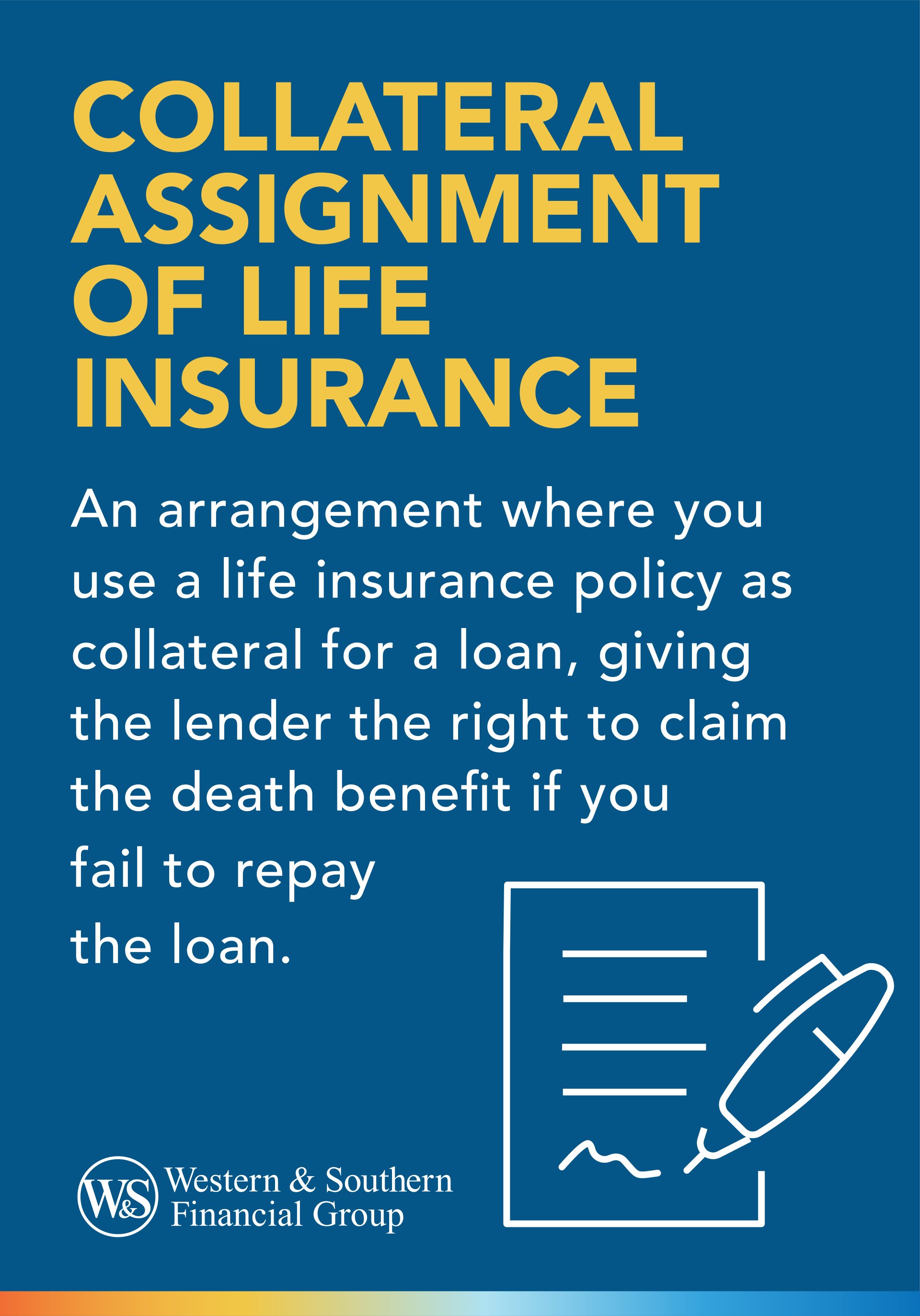
When you use life insurance as collateral, you promise the lender that if you die before the loan is repaid, they’ll receive all or part of the death benefit. This arrangement gives lenders more confidence that their money will be repaid, making it easier for you to qualify for loans or sometimes get better terms.
The process starts when you assign your policy to the lender through a collateral assignment. This is a legal agreement. If you die with the loan unpaid, the lender gets their money first from the death benefit. Your beneficiaries receive anything left after the loan is paid off.
Why Lenders Accept Life Insurance As Collateral
Lenders like life insurance as collateral because:
- The death benefit is typically larger than the loan amount.
- Payment is almost guaranteed, as long as the policy stays active.
- It reduces their risk, especially for long-term or large loans.
Types Of Loans That Accept Life Insurance As Collateral
Not all loans allow this option, but several do, including:
- Business loans – Many banks and SBA loans accept life insurance, especially for small business owners.
- Personal loans – Some personal loans may allow this, particularly for people with little other collateral.
- Real estate loans – For property investors or developers, life insurance can back a mortgage or development loan.
Types Of Life Insurance Policies Used As Collateral
Not every life insurance policy qualifies as collateral. Lenders usually require permanent life insurance types, but sometimes accept term policies. Here’s a comparison:
| Policy Type | Can Be Used as Collateral? | Commonly Accepted by Lenders? |
|---|---|---|
| Whole Life | Yes | Yes (most common) |
| Universal Life | Yes | Yes |
| Variable Life | Yes | Sometimes |
| Term Life | Yes (with conditions) | Less common |
Whole life and universal life are most popular because they are permanent and guarantee a payout if premiums are paid. Term life is sometimes accepted, but only if the policy lasts longer than the loan term.
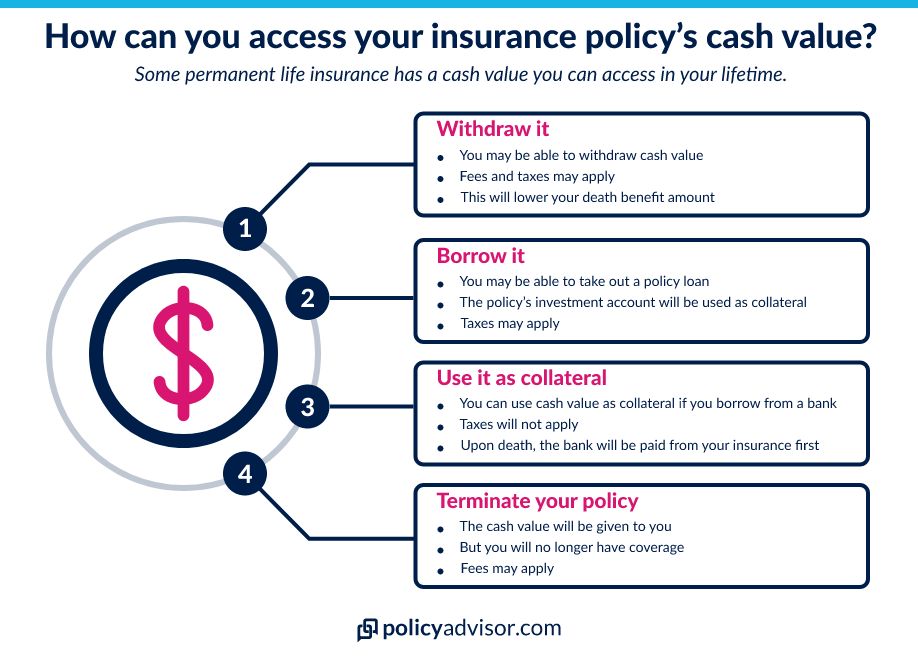
Cash Value Vs. Death Benefit
Permanent policies build a cash value over time. However, lenders usually care about the death benefit (the payout if you die), not the cash value, for collateral purposes.
How Collateral Assignment Works
The key legal tool here is the collateral assignment form. This document is signed by you, the lender, and the insurance company.
The steps are:
- Get lender approval – Not all lenders accept collateral assignments. Confirm first.
- Choose the right policy – You need a policy with a high enough death benefit to cover the loan.
- Complete the collateral assignment form – Provided by your insurer.
- Submit the form – The insurer must approve and record the assignment.
- Loan approval – The lender finalizes your loan.
Once the loan is paid off, you or the lender file a release of assignment so the policy returns to normal.
Example Scenario
Imagine you are a small business owner taking a $500,000 loan. The bank wants security, so they ask for a $500,000 whole life policy as collateral. If you die before the loan is paid, the bank receives $500,000 from your policy.
If there’s anything left (if the policy’s death benefit is more than the loan), your family receives the rest.
Pros And Cons Of Using Life Insurance As Collateral
Before using your policy this way, understand the advantages and downsides.
| Pros | Cons |
|---|---|
| – Improves loan approval odds – May lower interest rates – No need to tie up physical assets – Protects family if you die before loan is paid |
– Must keep policy active (pay premiums) – Lender gets paid before your family – May limit access to policy cash value – Extra paperwork and setup |
Non-obvious Insights
- If your policy has a cash value, some lenders may let you borrow against it, instead of using the death benefit. This is less risky for the lender but can limit your policy’s growth.
- Assigning a policy as collateral does not change the owner—you still control the policy (pay premiums, change beneficiaries), but you can’t cancel the assignment without the lender’s okay.
Comparing Life Insurance Collateral To Other Collateral Types
Many people wonder if life insurance is better or worse than using a house, car, or savings as collateral. Here’s a look at the differences:
| Collateral Type | Main Advantage | Main Limitation |
|---|---|---|
| Life Insurance | Does not tie up physical assets | Must keep paying premiums |
| Real Estate | High value, widely accepted | Risk of foreclosure |
| Savings/CDs | Easy to liquidate | Reduces your cash flow |
| Stocks/Bonds | Can be used for investment loans | Market risk, possible loss in value |
A unique benefit of life insurance is that it can provide security without risking your home or business assets. However, it requires that you keep the policy paid and in force.
Important Points To Consider Before Assigning Your Policy
Using life insurance as collateral is a big decision. Here are some factors to check:
- Loan duration vs. policy term – For term policies, the policy must last longer than the loan.
- Impact on beneficiaries – If you die with the loan unpaid, your family gets less money.
- Premium responsibility – You must keep the policy active, or your lender may call the loan due.
- Existing assignments – Some policies can only be assigned to one lender at a time.
- Tax issues – Usually, there’s no tax on the death benefit, but if the lender is a business partner, check with a tax advisor.
Hidden Trap
If you default on your loan and the policy lapses, the collateral assignment becomes worthless, and the lender may take legal action. Always keep up with payments.

Steps To Assign Life Insurance As Collateral
If you want to use your life insurance for a loan, follow these steps:
- Talk with your lender and insurance company.
- Check your policy type and if it qualifies.
- Calculate the needed coverage to match the loan.
- Fill out the collateral assignment form from your insurer.
- Submit the form and wait for approval.
- Get written confirmation from both the insurer and the lender.
- Monitor both your loan and your policy to ensure both stay active.
A best practice is to keep all documents in a safe place and review your policy and loan status each year.
Real-world Examples
- A small business owner uses a $1 million whole life policy to secure a large equipment loan. The lender feels confident because if the owner dies, the loan will be repaid from the policy.
- An individual with few assets but a large term policy secures a personal loan. The lender agrees because the policy exceeds the loan amount and runs for 20 years, longer than the 10-year loan.
- A property developer uses universal life insurance to back a construction loan, freeing up real estate assets for other deals.
Alternatives To Using Life Insurance As Collateral
If you do not want to use your life insurance, consider these options:
- Secured loans using a car, savings, or property.
- Unsecured loans (higher rates, but no collateral).
- Personal line of credit.
- Loan against cash value (if you own a permanent policy).
Each option has trade-offs. Loans against cash value can reduce your death benefit and may have tax consequences if not repaid.
Who Should Consider Using Life Insurance As Collateral?
This tool is best for people who:
- Need a loan but lack physical collateral.
- Own a permanent life insurance policy.
- Want to protect their family and business at the same time.
- Have a loan that matches the policy’s term.
It’s not the best choice for anyone who struggles to pay insurance premiums or who has better collateral options.
Frequently Asked Questions
What Is A Collateral Assignment Of Life Insurance?
A collateral assignment is a legal agreement where you use your life insurance policy as security for a loan. If you die before repaying the loan, the lender gets paid first from your policy’s death benefit.
Can I Use Term Life Insurance As Collateral?
Yes, but only if the term lasts longer than the loan. Lenders prefer permanent policies, but some accept term life if it matches their risk requirements.
What Happens To My Beneficiaries If I Die With An Unpaid Loan?
The lender is paid first from your policy’s death benefit. Any remaining money goes to your listed beneficiaries. If the loan is large and the policy is just enough to cover the loan, your family may get nothing.
Can I Cancel The Collateral Assignment Before The Loan Is Repaid?
Usually, you need the lender’s consent to cancel the assignment. Once the loan is paid, you or the lender can file a release of assignment with your insurer.
Where Can I Learn More About Collateral Assignments?
For more details, you can read about collateral assignment of life insurance on the Wikipedia page.
Using life insurance as collateral for a loan is a creative strategy that can help you secure funding while maintaining protection for your loved ones. It requires careful planning and understanding of your policy, but for many, it opens up new financial options. By knowing the rules, risks, and benefits, you can decide if this path fits your needs and goals.