Buying life insurance is a big decision. It protects your loved ones and can give you peace of mind. But there are many types, features, and rules to understand. If you rush, you might buy a policy that’s not right for you—or pay more than you should.
This guide will help you understand what matters most before you buy life insurance. You’ll learn about types, costs, mistakes to avoid, and how to compare options. Whether you are new to life insurance or just want a refresher, you’ll find clear answers and practical advice here.

Why Life Insurance Matters
Life insurance gives your family money if you die. This money can help pay for:
- Funeral costs
- Mortgage or rent
- Everyday living expenses
- Children’s education
- Debt or medical bills
If you have dependents, life insurance can keep them safe from financial hardship. Even if you are single, it can help cover debts or funeral costs so your family isn’t burdened.
Many people think life insurance is only for parents or married couples, but it’s useful for anyone who has financial responsibilities. For example, if you are a business owner, life insurance can protect your business partners.
Types Of Life Insurance
Choosing the right policy is the first step. There are several main types, each with different features.
| Type | Coverage Period | Builds Cash Value? | Typical Cost |
|---|---|---|---|
| Term Life | 10–30 years | No | Low |
| Whole Life | Lifetime | Yes | High |
| Universal Life | Lifetime | Yes | Medium–High |
Term Life Insurance
Term life insurance covers you for a set period, like 10, 20, or 30 years. If you die during this period, your beneficiaries get the payout. If you live past the end, your coverage stops. Term life is simple and usually much cheaper than permanent options. It’s good for people who want coverage for a certain time, like until their kids are grown or their mortgage is paid.
Whole Life Insurance
Whole life insurance lasts your whole life and pays out when you die, no matter your age. It also builds up cash value—a savings part you can borrow against or use later. Whole life costs more, but it can be useful if you want lifelong protection and a way to save money.
Universal Life Insurance
Universal life insurance is another permanent option. It gives you flexibility: you can change your payments and coverage over time. It also builds cash value, but the amount can change based on interest rates and fees.
Other Types
Some companies offer less common policies, such as variable life insurance (where cash value depends on investment choices) or final expense insurance (for funeral costs). These are usually for special needs.
What Affects Life Insurance Costs
The price of life insurance depends on many things. Here are the biggest factors:
| Factor | Effect on Premium | Example |
|---|---|---|
| Age | Older = Higher Cost | 30-year-old pays less than 50-year-old |
| Health | Poor Health = Higher Cost | Smoker pays more than non-smoker |
| Coverage Amount | More Coverage = Higher Cost | $500,000 policy costs more than $100,000 |
| Policy Type | Permanent = Higher Cost | Whole life costs more than term life |
| Gender | Women pay less | Women live longer, so lower risk |
Insurance companies will ask about your health, family history, job, and hobbies. If you do dangerous sports or travel to risky places, you might pay more.
How Much Coverage Do You Need?
Choosing the right amount is important. If you pick too little, your family may not have enough money. If you pick too much, you may waste money on premiums.
A common rule is to buy coverage equal to 10–15 times your yearly income. But this is just a starting point. Think about:
- Debt: Mortgage, car loans, credit cards
- Living costs: Food, rent, utilities
- Children’s needs: School, college, childcare
- Funeral costs: Average is $7,000–$12,000 in the US
- Savings: Existing savings or assets
You can use online calculators or talk to a financial advisor to figure out your exact needs. Remember, the best policy is one your family can actually use if something happens.
Comparing Life Insurance Policies
Different companies offer different features, prices, and rules. Here’s how to compare them:
- Price: Check the monthly and yearly premium. Make sure you can afford it long-term.
- Coverage: Look at the payout amount. Will it cover your family’s needs?
- Policy rules: Some policies let you renew, convert, or add extra benefits. Check for flexibility.
- Financial strength: Pick a company with a strong rating (A or better from AM Best or similar).
- Customer service: Read reviews. A helpful company is important if your family needs to claim.
- Exclusions: Some policies do not pay if death is caused by certain events, like suicide or risky hobbies.
Here’s a sample comparison of two term life policies:
| Company | Coverage | Premium (per month) | Renewable? | Conversion Option? |
|---|---|---|---|---|
| LifeCo A | $250,000 | $25 | Yes | Yes |
| LifeCo B | $250,000 | $22 | No | No |
Notice that LifeCo A costs more, but offers renewal and conversion (to permanent life). These features can be useful if your needs change later.
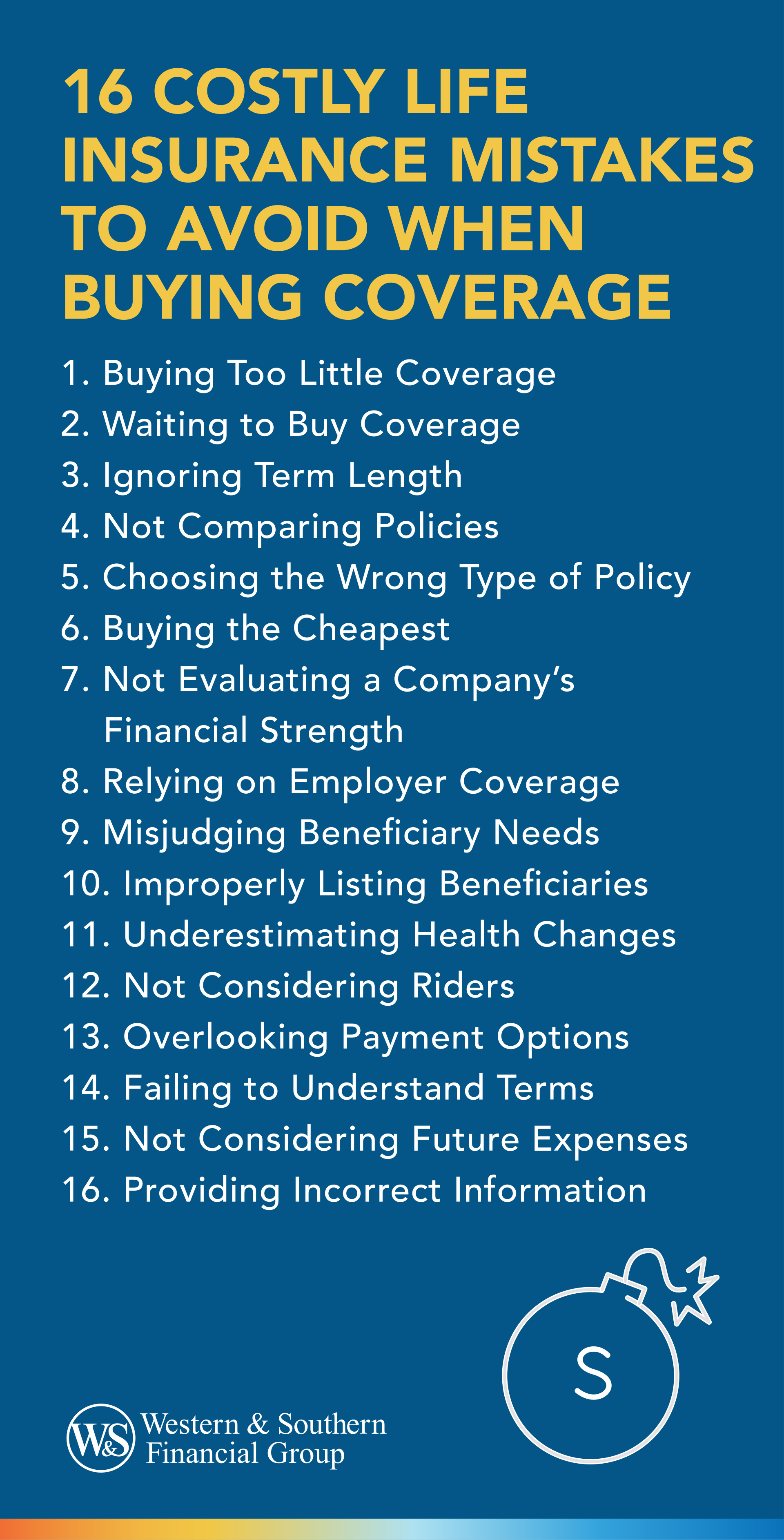
Common Mistakes When Buying Life Insurance
Many buyers make mistakes that cost them money or leave their family unprotected. Watch out for these:
- Waiting too long: Premiums go up as you get older. Buying young saves money.
- Underestimating needs: Many buyers pick a low coverage amount, then their family struggles.
- Buying without comparing: Prices and features can be very different between companies.
- Ignoring exclusions: Some policies do not cover certain causes of death.
- Not updating policy: Life changes—like marriage, children, or new debts—should change your coverage.
- Focusing only on price: Cheap policies may lack important benefits.
One less obvious mistake: Not naming a clear beneficiary. If you leave it blank or pick “my estate,” your family may face delays or legal problems.
Another missed detail: Some policies require medical exams, others don’t. “No exam” policies are easier, but often cost more and have lower coverage. Always check which kind you are buying.
The Application Process
Applying for life insurance is not always fast. Most companies ask for:
- Basic information (age, job, etc.)
- Medical history
- Lifestyle details (smoking, hobbies)
- Medical exam (sometimes)
If you choose a policy with a medical exam, be ready to answer questions and provide samples (like blood or urine). This helps the company set your price.
Some “simplified issue” policies skip the exam. These are quicker, but usually cost more and may have lower coverage limits.
Beneficiaries: Who Should Get The Money?
A beneficiary is the person or people who get the payout if you die. You can name:
- Spouse
- Children
- Parents
- Trusts
- Business partners
Make your choices clear. If you want to split the payout, say how much each should get (like 50% each). For minor children, consider naming a guardian or trust to manage the money.
You can change your beneficiary later if your life changes. Always update your policy after marriage, divorce, or new children.
Riders And Extra Benefits
A rider is an add-on to your policy. Riders can improve your coverage or offer new features. Some common riders are:
- Accidental death rider: Pays extra if you die in an accident.
- Waiver of premium rider: Lets you skip payments if you become disabled.
- Child rider: Covers your children under your policy.
- Accelerated death benefit rider: Lets you use part of your payout early if you are diagnosed with a terminal illness.
Riders cost extra, but can be very useful. Ask your insurer about available riders and their costs.
Life Insurance Vs. Other Protection
Life insurance is just one type of protection. Others include disability insurance (if you can’t work) and critical illness insurance (for serious health problems). Sometimes, a mix of coverage works best.
For more on insurance basics, visit Wikipedia.

Tips For Getting The Best Deal
Here’s how to save money and get the best policy:
- Buy young: Premiums are lowest when you are healthy and young.
- Compare quotes: Get prices from at least three companies.
- Ask about discounts: Some companies offer discounts for healthy habits or bundling with other policies.
- Review your policy every few years: Update coverage as your life changes.
- Work with a trusted agent: A good agent can explain details and spot hidden costs.
A smart tip most people miss: If you quit smoking or improve your health, ask your insurer to lower your premium. Many companies will re-check your rate if your health improves.
Frequently Asked Questions
What Happens If I Miss A Payment?
Most policies offer a grace period (usually 30 days) to catch up. If you don’t pay, your coverage may end. Permanent policies may use cash value to cover missed payments, but term life doesn’t.
Can I Change My Life Insurance Policy Later?
Yes, you can often increase coverage, add riders, or change beneficiaries. Some term policies let you convert to permanent life, but rules vary. Always ask your insurer before buying.
Do I Need A Medical Exam To Get Life Insurance?
Not always. “No exam” policies are available, but they usually cost more and have lower coverage. If you’re healthy, a policy with a medical exam can be cheaper.
What Is A Cash Value In Life Insurance?
Cash value is a savings part of permanent life insurance. You can borrow from it or use it later. Term life doesn’t have cash value—only permanent policies do.
How Do I Choose The Best Life Insurance Company?
Look for a company with strong financial ratings (A or higher), good customer reviews, and clear policy rules. Compare prices, features, and ask about claims process.
Buying life insurance is not just about picking a policy. It’s about understanding your needs, comparing options, and making sure your loved ones are protected. Take your time, ask questions, and review your choices every few years. With the right steps, you’ll find a policy that fits your life and gives you peace of mind.