
When is the Best Time to Start a Life Insurance Policy
Deciding when to buy a life insurance policy can feel confusing. Many people wait until a big life event happens, like marriage or having kids. But is that always the right choice? Understanding the best time to start a policy can help you secure your family’s future and save money in the long run. In this article, you’ll learn how age, health, finances, and life events affect your decision, and get practical advice to help you choose the right moment.

Why Timing Matters For Life Insurance
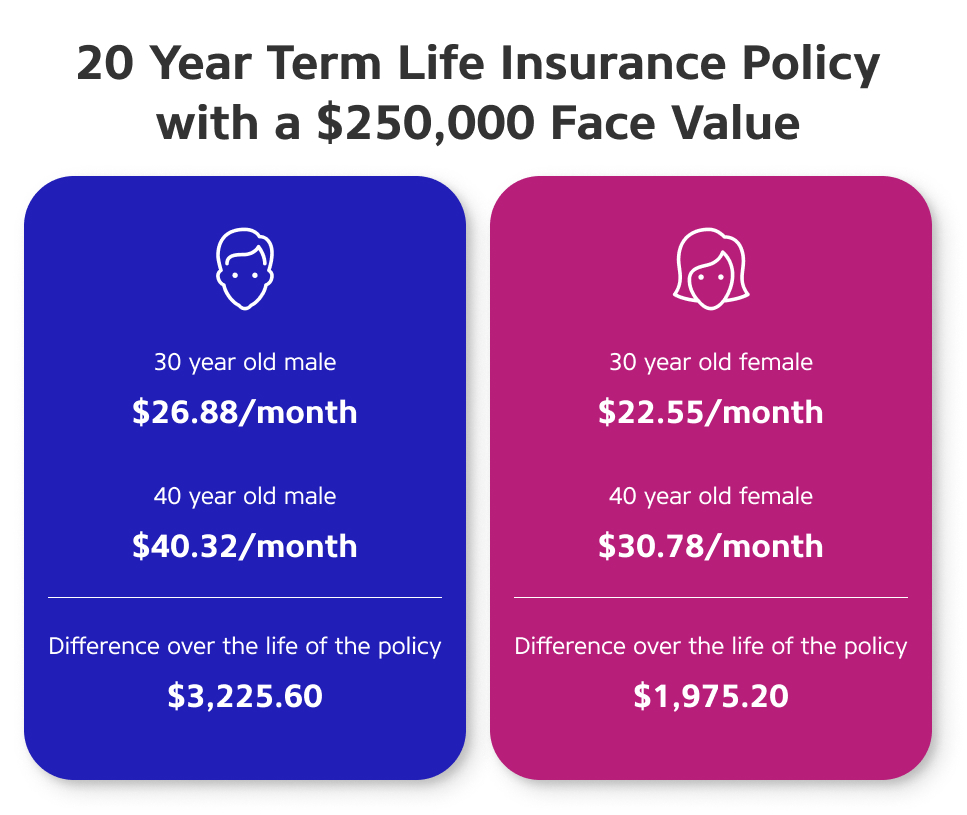
Life insurance is not just about protection—it’s also about cost and eligibility. The earlier you start, the better your rates and options usually are. Insurance companies calculate prices based on age and health, so waiting can make your policy more expensive or limit your choices.
For example, a healthy 25-year-old pays much less for coverage than a 45-year-old with health issues. Starting early can lock in low rates and guarantee coverage, even if your health changes later.
| Age | Monthly Premium (20-year Term, $250,000) | Health Status |
|---|---|---|
| 25 | $18 | Excellent |
| 35 | $22 | Excellent |
| 45 | $40 | Good |
| 55 | $85 | Average |
Key Moments To Start A Life Insurance Policy
Many people ask, “When should I get life insurance?” Here are the most common times to consider:
- Early Adulthood (20s to early 30s):
- You get the lowest rates because you’re young and healthy.
- Even if you don’t have dependents, locking in coverage now is wise.
- Getting Married:
- Marriage often means shared finances and responsibilities.
- Life insurance protects your spouse if you pass away unexpectedly.
- Having Children:
- Kids depend on your income for their needs and education.
- A policy can cover expenses and future costs if you’re gone.
- Buying a Home:
- A mortgage is a big debt. Life insurance ensures your family can pay off the house.
- Starting a Business:
- Entrepreneurs should protect their partners and employees.
- Insurance can cover loans or buy-sell agreements.
- Approaching Retirement:
- Life insurance can help with estate planning and leave a legacy.
- Premiums are higher, but some policies offer cash value.
These moments are popular triggers, but you don’t have to wait for them. Starting sooner can provide more flexibility and financial security.
Comparing Life Insurance Policy Types
Choosing the right policy type is important. Here’s a quick comparison:
| Policy Type | Best Time to Start | Key Benefits | Drawbacks |
|---|---|---|---|
| Term Life | Young adulthood or family planning | Low cost, simple coverage | No cash value, expires |
| Whole Life | When you want lifelong coverage | Cash value, permanent | High premiums |
| Universal Life | Flexible needs, estate planning | Adjustable premiums, cash value | Complex, can cost more |
Most people start with term life insurance because it’s affordable and covers the years when your family needs it most. If you want to build cash value or plan your estate, consider whole or universal policies.
Health And Age: The Two Biggest Factors
Your health and age are the main things insurers look at. The younger and healthier you are, the easier it is to get approved and pay less.
If you wait until you have health problems, you might:
- Pay much higher premiums
- Get denied coverage
- Need to choose a policy with fewer benefits
Some people think they can wait until they’re older or richer. But that’s risky—health can change quickly, and you may lose the chance to buy affordable insurance.
| Age | Health Changes | Impact on Premium |
|---|---|---|
| 30 | Minimal | Lowest |
| 40 | Possible blood pressure, cholesterol | Moderate increase |
| 50+ | Higher risk of chronic illness | Sharp increase |

Common Mistakes When Choosing Timing
Many beginners make mistakes that cost them money or leave their family unprotected:
- Waiting for “perfect” timing: There is rarely a perfect moment. Starting early is always better.
- Underestimating future needs: People often buy too little coverage.
- Ignoring health changes: Your health can change fast—waiting is risky.
- Not reviewing policies: Life changes, so review your insurance regularly.
A non-obvious insight: Even if you don’t have dependents now, buying a small policy early can help you qualify for bigger coverage later, with better rates.
Practical Tips For Deciding When To Start
- Assess your finances: Make sure you can afford the premiums.
- Check your health: If you’re healthy, act now before changes happen.
- Think about your future: If you plan to marry, have kids, or buy a home soon, get coverage before these events.
- Compare policy options: Choose what fits your needs—not just what’s cheapest.
- Consult with a professional: A licensed agent can help you decide the right timing and policy.
For more in-depth guidance, visit National Association of Insurance Commissioners.

Frequently Asked Questions
What Is The Youngest Age I Can Buy Life Insurance?
Most companies allow you to buy at 18 years old. Some offer child policies with a parent as the owner.
Is It Worth Buying Life Insurance If I’m Single?
Yes, if you have debt or plan to have a family later. Early policies are cheaper and can be converted or increased as your needs change.
Can I Get Life Insurance With Health Problems?
You can, but expect higher premiums or limited choices. Some policies don’t require medical exams, but they cost more.
How Much Coverage Should I Buy?
A common rule is 10–15 times your income, but consider debts, family needs, and future expenses.
What Happens If I Wait Until I’m Older?
Premiums rise sharply and you may face coverage limits or denial. Early action protects your options and saves money.
Choosing the right time to start a life insurance policy is one of the smartest financial decisions you can make. Acting early gives you better rates, more choices, and peace of mind. Don’t wait for a big event—think ahead, plan carefully, and protect your loved ones while you can.