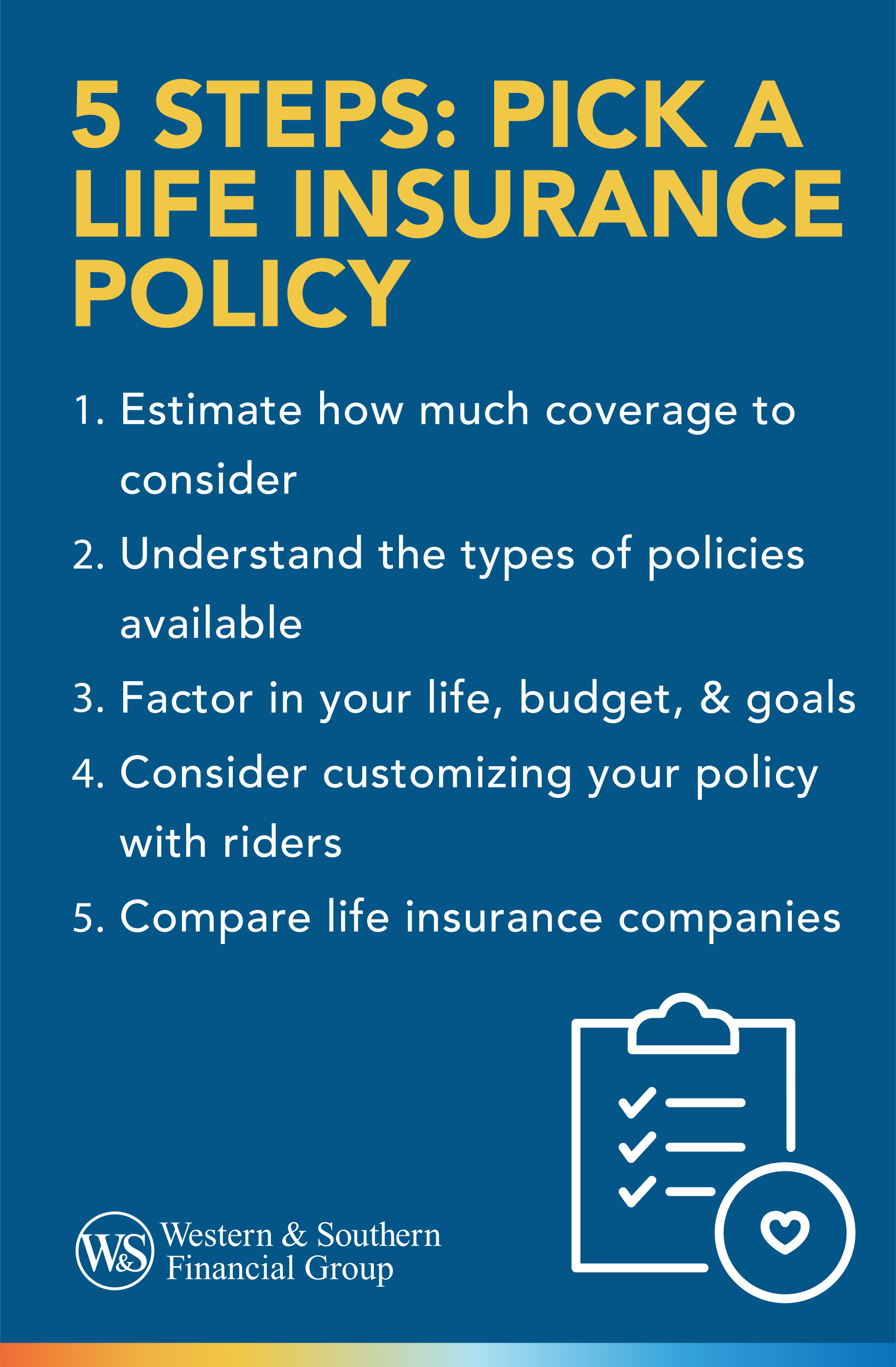
Starting a life insurance policy may feel confusing, especially if English is not your first language. But this step can help protect your family’s financial future. Whether you want to secure your children’s education, cover debts, or leave a safety net for loved ones, life insurance is one of the best ways to give peace of mind.
If you’re unsure where to begin, this guide will walk you through every step, explain the choices, and show you how to avoid common mistakes. You’ll learn how to choose the right policy, understand the costs, and make sure your application is successful.

Let’s dive in.
Understanding Life Insurance Basics
Before you start, it’s important to know what life insurance is and why people buy it. Simply put, life insurance is a contract between you and an insurance company. You pay a regular fee called a premium. If you die while the policy is active, the insurance company pays money (called the death benefit) to your chosen person (the beneficiary).
There are two main types:
- Term life insurance: Covers you for a set period (like 10, 20, or 30 years). If you die during that time, your beneficiary gets paid. If you don’t, the policy ends and you get nothing back.
- Permanent life insurance: Covers you for your whole life. It often includes a savings part called cash value. This type is more expensive but can build value over time.
Key Differences Between Term And Permanent Life Insurance
Here’s a simple table to compare the two main types:
| Feature | Term Life Insurance | Permanent Life Insurance |
|---|---|---|
| Coverage Length | 10-30 years | Lifetime |
| Premium Cost | Lower | Higher |
| Cash Value | No | Yes |
| Death Benefit | Paid if you die during term | Paid whenever you die |
| Flexibility | Limited | More options |
Deciding How Much Coverage You Need
The most important question: how much life insurance should you buy? This amount is called the death benefit. It should be enough to cover your family’s needs if you are gone.
Consider these factors:
- Family Expenses: How much would your family need to pay for daily costs, rent, or school fees?
- Debt: Do you have loans, credit cards, or a mortgage?
- Future Goals: Will your children need money for college? Do you want to leave an inheritance?
- Other Insurance: Do you already have coverage from your job?
A common rule is to buy coverage equal to 10–15 times your yearly income. But this is only a starting point. For more accuracy, use a life insurance calculator or ask an advisor.
Example Calculation
Suppose you earn $40,000 per year. You want coverage for 15 years of income plus $30,000 to pay off a mortgage.
- 15 x $40,000 = $600,000
- Mortgage = $30,000
- Total coverage needed = $630,000
:max_bytes(150000):strip_icc()/Life-Insurance-a8aee8e3024145a8b454ea19df030418.png)
Choosing The Right Policy Type
Now that you know how much you need, it’s time to pick the right policy. Here are the main options:
- Term life insurance: Best for most people. It’s simple, cheap, and covers big needs like debt and education.
- Whole life insurance: For those who want lifelong coverage and savings. It’s more expensive but never expires.
- Universal life insurance: Offers flexible payments and coverage. Good if your income changes.
- Variable life insurance: Lets you invest part of your premium. Riskier, but can grow in value.
Look at your budget, goals, and health. If you only need protection for a few years, term life is best. If you want to build savings, choose permanent life.
Policy Comparison Table
Here’s a table to help decide:
| Policy Type | Main Features | Who Should Buy? |
|---|---|---|
| Term Life | Low cost, fixed length | Young families, debt payers |
| Whole Life | Lifelong, builds cash value | Long-term planners |
| Universal Life | Flexible, adjustable | People with changing needs |
| Variable Life | Investment options | Experienced investors |
Comparing Insurance Companies
Not all insurance companies are equal. Picking a strong, reliable company is just as important as choosing the right policy. Look for these things:
- Financial strength: Companies like State Farm, MetLife, and Prudential have high ratings.
- Customer service: Read reviews and check claim speeds.
- Policy options: Some companies offer better prices or more features.
How To Check Company Ratings
Independent agencies rate insurance companies. Look for ratings from A.M. Best or Moody’s. A rating of “A” or higher means the company is safe and reliable.
Example Company Comparison
| Company | Financial Rating | Average Claim Time | Customer Satisfaction |
|---|---|---|---|
| State Farm | A++ | 7 days | Excellent |
| MetLife | A+ | 10 days | Good |
| Prudential | A | 9 days | Very Good |
Applying For A Life Insurance Policy
Once you choose the policy and company, it’s time to apply. Here’s the usual process:
- Fill out an application: Share your age, health, job, and lifestyle.
- Medical exam: Many policies require a health check. A nurse may visit your home.
- Underwriting: The company reviews your info and decides your risk.
- Approval and premium: If you’re approved, you pay your first premium. Your policy starts.
Common Mistakes To Avoid
- Hiding health problems: Always tell the truth. If you lie, your claim may be denied.
- Waiting too long: Prices go up as you get older. Buy early for lower rates.
- Choosing the cheapest policy: Cheap policies may not cover enough or may have hidden limits.
Non-obvious Insight
Some companies offer “no-medical exam policies.” These are fast and easy but cost more. If you have health issues, consider this option.
Another tip: Many people don’t realize you can buy multiple life insurance policies. For example, one term policy for your mortgage, and another for your children’s education.
Understanding Premium Costs
The price of your policy (the premium) depends on several factors:
- Age: Younger people pay less.
- Health: Smoking, high blood pressure, or diabetes increase costs.
- Policy type: Term is cheaper than permanent.
- Coverage amount: Higher amounts cost more.
Real Price Examples
Let’s look at sample monthly premiums for a $500,000 term policy:
- 25-year-old, healthy: $20–$30
- 35-year-old, healthy: $30–$45
- 45-year-old, healthy: $55–$80
Permanent life insurance for the same person may cost $200–$400 per month.
Naming Your Beneficiaries
Choosing your beneficiary is a key step. This is the person who gets the money if you die. Usually, people pick a spouse, children, or close family. You can also name more than one person and split the money.
Tips For Naming Beneficiaries
- Name someone you trust.
- Update your choices if your life changes (marriage, birth, divorce).
- Tell your beneficiary about the policy.
Finalizing Your Policy
After your application is approved and you pay your premium, your policy is active. Keep these things in mind:
- Save your policy documents in a safe place.
- Review your policy once a year.
- Update your coverage if your needs change.

Practical Tips For Starting Life Insurance
Here are some helpful suggestions that beginners often miss:
- Ask about discounts: Some companies give lower prices if you pay yearly or pass a health exam.
- Check policy riders: Riders are extra benefits. For example, “accelerated death benefit” lets you use part of your coverage if you get very sick.
- Consider group insurance: Your employer may offer group life insurance. This is cheaper, but coverage is usually lower and may end if you leave your job.
- Review your policy regularly: Life changes. Review your policy after big events like marriage, birth, or job changes.
Frequently Asked Questions
What Is The Best Age To Buy Life Insurance?
The best time is when you’re young and healthy. This is when premiums are lowest. Many people buy their first policy in their 20s or 30s, especially after marriage or having children.
Can I Get Life Insurance Without A Medical Exam?
Yes, some companies offer “no-medical exam policies.” These are quick and easy, but usually cost more. They are good if you need coverage fast or have health issues.
How Long Does It Take To Get Approved?
Most applications take 2–6 weeks if you need a medical exam. No-medical exam policies can be approved in a few days. The process may be faster for younger, healthy people.
Can I Change My Beneficiaries Later?
Yes, you can update your beneficiaries anytime. Just contact your insurance company and fill out a form. Review your choices after big life changes.
What Happens If I Miss A Payment?
If you miss a premium payment, your policy may lapse. Most companies give a 30-day grace period. If you pay within that time, your policy stays active. If not, you may have to reapply or lose coverage.
Starting a life insurance policy takes a bit of research, but it’s easier than many people think. By understanding your needs, comparing companies, and avoiding common mistakes, you can secure the right coverage for your family. For more details and calculators, visit National Association of Insurance Commissioners. Taking action now can save money and bring peace of mind for years to come.