
Life is full of uncertainties. No one knows what tomorrow holds. For many families, one unexpected event can change everything. Life insurance exists to help protect people from these surprises. But why is it so important? Many think life insurance is only for older people, or for those with children.
In reality, it matters for almost everyone. Whether you are young, single, married, or retired, life insurance can offer peace of mind and security. Let’s explore why life insurance is essential, how it works, and what you should consider before choosing a policy.

What Is Life Insurance?
Life insurance is a contract between you and an insurance company. You pay regular amounts called premiums. If you die during the policy term, the company pays a death benefit to your family or chosen person (called a beneficiary). This money can be used for many things—funeral costs, debts, daily expenses, or education.
There are two main types:
- Term life insurance: Covers you for a set period (like 10, 20, or 30 years). If you die during this time, your beneficiary gets paid.
- Whole life insurance: Covers you for your whole life, as long as you pay premiums. It also builds cash value over time.
Let’s see how these types compare:
| Type | Coverage Period | Cash Value | Cost |
|---|---|---|---|
| Term Life | 10–30 years | No | Lower |
| Whole Life | Lifetime | Yes | Higher |
Why Is Life Insurance Important?
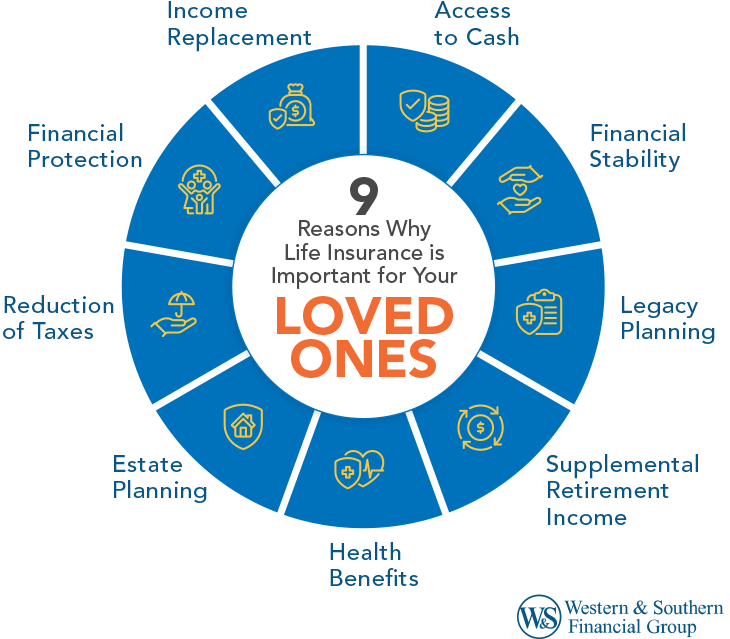
Life insurance is not just about money. It is about protection, security, and peace of mind. Here are the main reasons why life insurance matters:
Protects Your Family’s Future
If you are the main person earning money in your family, your death could cause financial problems. Life insurance gives your family money so they can continue their lives without worry. This money can pay for:
- Rent or mortgage
- Food and daily costs
- Children’s education
- Medical bills
Even if you are not the main earner, your loss can still have a financial impact. For example, if you are a stay-at-home parent, your partner may need to pay for childcare.
Pays Off Debts And Final Expenses
Many people have debts—credit cards, car loans, or mortgages. If you die, your family may need to pay these debts. Life insurance can help cover these amounts so your family is not left struggling.
Funerals are expensive, often costing $7,000–$12,000 in the US. Life insurance can help pay for these costs.
Gives Peace Of Mind
Knowing your family will be okay if you die can help you feel calm. You do not need to worry about leaving your loved ones in trouble. This peace of mind is one of the biggest benefits of life insurance.
Helps With Estate Planning
Life insurance can help with estate planning. It can give money to cover taxes or help transfer assets. For example, if you leave a house to your children, but there are estate taxes, life insurance can help pay these costs.
Supports Business Owners
If you own a business, life insurance can help protect your company. Business partners often use life insurance to buy each other’s shares if someone dies. This makes sure the business can continue.
Builds Cash Value (for Whole Life Policies)
Some life insurance plans build cash value. You can borrow money from this value or use it in emergencies. It is like a savings plan, but with protection.

Who Needs Life Insurance?
Many people think they do not need life insurance. Here are groups who benefit most:
- Parents: To protect children and spouse.
- Young adults: To lock in low premiums.
- Homeowners: To cover mortgages.
- Business owners: To protect business partners.
- Retirees: To help with estate taxes or leave money to heirs.
Even single people can benefit. If you have debts or want to help your parents or siblings, life insurance can be helpful.
Real-life Examples
Let’s look at two situations:
Example 1: Maria is a single mother with two kids. She works full-time. If she dies, her children would lose financial support. Life insurance would give money for their needs—school, food, rent.
Example 2: James and Linda bought a house together. If James dies, Linda might struggle to pay the mortgage alone. Life insurance could help Linda keep their home.
These examples show life insurance is important for many different situations.
Common Misunderstandings
Many people have wrong ideas about life insurance:
- “I am young, I don’t need it.” Young people can get lower premiums and protect future family needs.
- “It’s expensive.” Term life insurance is often very affordable. For example, a healthy 30-year-old can get $250,000 coverage for about $20/month.
- “My job provides insurance.” Employer policies are often small and may end if you leave the job.
- “I have no dependents.” You may still have debts or want to help family with funeral costs.
Key Factors To Consider When Choosing A Policy
Selecting life insurance is not one-size-fits-all. Here are important things to think about:
Coverage Amount
How much money does your family need if you die? Consider:
- Living expenses (rent, food, utilities)
- Debts (credit cards, loans)
- Children’s education
- Funeral costs
A common rule is to get coverage equal to 10–15 times your annual income. But everyone’s needs are different.
Policy Length
If you want protection only until your children are grown or your mortgage is paid, term life may work. If you want lifelong coverage, choose whole life.
Health And Age
Your health and age affect cost. Younger and healthier people pay less. It’s smart to buy early.
Premium Costs
Check if you can afford the premiums. Prices vary by policy type, amount, and health.
Insurance Company Reputation
Choose a company with strong ratings and good customer service. Look at reviews and financial stability.
Here’s a quick comparison of term vs whole life insurance costs:
| Age | Term Life ($250,000) | Whole Life ($250,000) |
|---|---|---|
| 30 | $20/month | $150/month |
| 40 | $30/month | $200/month |
Benefits Of Having Life Insurance
Let’s highlight the most important benefits:
- Financial protection for family
- Pays debts and funeral costs
- Peace of mind
- Builds cash value (whole life)
- Helps with estate planning
- Supports business continuity
Not all benefits are obvious. For example, some life insurance policies allow you to access part of the money if you get a serious illness. This is called accelerated death benefit.
Another insight: Life insurance can help families avoid selling assets quickly after a death. Without insurance, your loved ones might need to sell a home or investments fast, often at a lower price.
How Much Life Insurance Is Enough?
Figuring out the right amount is not always easy. Here’s a simple way to calculate:
- Add up all debts: Mortgage, car loans, credit cards.
- Estimate family living expenses for 10–15 years.
- Add education costs for children.
- Include funeral costs.
Subtract any savings or assets your family can use. The answer is your needed coverage.
For example:
| Expense | Amount |
|---|---|
| Mortgage | $150,000 |
| Living Expenses (10 yrs) | $300,000 |
| Education | $50,000 |
| Funeral | $10,000 |
| Total | $510,000 |
If you have $60,000 in savings, you might need $450,000 in life insurance.

Common Mistakes To Avoid
Many people make mistakes with life insurance:
- Waiting too long: Prices increase with age.
- Underestimating needs: Many buy too little coverage.
- Relying only on employer plans: These are often not enough.
- Not reviewing policies: Needs change—review every few years.
- Ignoring health changes: If your health improves, you may qualify for lower premiums.
Additional Tips And Insights
- If you smoke, your premiums will be higher. Quitting can lower costs.
- Check for riders like critical illness or disability riders. These add extra protection.
- Always read the fine print. Some policies have exclusions for certain activities (like skydiving).
- Compare at least three companies before choosing.
- Ask about how claims are paid. Some companies are faster and easier to work with.
For more details on types and benefits, visit the Wikipedia Life Insurance page.
Frequently Asked Questions
What Is The Difference Between Term And Whole Life Insurance?
Term life insurance covers you for a set period, like 20 years. If you die during this time, your family gets paid. Whole life insurance lasts your whole life and builds cash value. Whole life is usually more expensive.
Is Life Insurance Necessary If I Am Single?
Yes, it can be. If you have debts or want to help your family with funeral costs, life insurance is useful. Also, locking in low premiums when young is smart.
How Much Life Insurance Should I Buy?
A common guideline is 10–15 times your annual income. But calculate your own needs based on debts, living costs, and family goals.
Can I Change My Life Insurance Policy Later?
Yes, you can often adjust coverage or switch policies. But changes may affect your premiums, especially if your health or age changes.
What Happens If I Stop Paying Premiums?
Your policy may end. For term life, you lose coverage. For whole life, you may get some cash value back, but it depends on the policy rules.
Life insurance is more than a financial product—it is a promise to your loved ones. Whether you are starting a family, planning your retirement, or running a business, having the right life insurance can make all the difference. It is not just about money; it is about giving your family a future, even if you are not there.
Take time to review your needs and choose wisely. The peace of mind you gain is priceless.