
Will Life Insurance Agents Be Replaced By Ai?
Life insurance is a personal decision. Many people rely on insurance agents for advice. But with the rise of artificial intelligence (AI), some wonder if these agents will soon be replaced by machines. Technology is changing fast, and AI tools are already handling tasks once done by humans. Will this trend continue in life insurance? Or are there things only a human agent can do?
Let’s look at how AI is affecting life insurance, what it can and cannot do, and what the future might hold for agents.

The Growing Role Of Ai In Life Insurance
AI is not science fiction anymore. Today, it’s used in many industries—including insurance. AI systems analyze data, answer questions, and even predict risks. In life insurance, AI helps both companies and customers in several ways.
How Ai Is Used Now
- Automated underwriting: AI checks applications, medical records, and other data to approve policies faster.
- Chatbots: Many insurance websites use AI chatbots to answer customer questions instantly, 24/7.
- Claims processing: AI can spot fraud and speed up claim payments.
- Personalized offers: AI looks at your data to suggest the best policy for your needs.
Here is a comparison of traditional vs AI-driven underwriting:
| Process | Traditional Underwriting | AI-Driven Underwriting |
|---|---|---|
| Approval Time | Days to weeks | Minutes to hours |
| Accuracy | Human error possible | Consistent, data-driven |
| Cost | Higher (labor intensive) | Lower (automated) |
| Flexibility | Tailored by agent | Based on available data |
AI is clearly making life insurance faster and sometimes cheaper. But is speed everything?
What Life Insurance Agents Do That Ai Can’t—yet
A good agent does more than sell a policy. They ask questions, listen, and help you understand complex terms. Here’s what human agents still do better:
- Understanding Emotions: Buying life insurance is often stressful. Agents can sense your worries and give comfort.
- Personal Advice: Agents use their experience to guide you, not just read data.
- Building Trust: Many people want to talk face-to-face before making big decisions.
- Handling Unique Cases: Not all customers fit into a standard box. Agents can find creative solutions for special needs.
For example, if someone has a rare health issue or a complicated family situation, AI may not have enough data to offer good advice. Human agents use judgment and empathy—qualities AI is still learning.

Where Ai Outperforms Human Agents
AI has strengths that even skilled agents can’t match:
- Analyzing Big Data: AI can review thousands of data points in seconds.
- Working Nonstop: AI tools are available any time, not just office hours.
- Removing Bias: AI follows rules without personal opinions (if trained well).
- Cutting Costs: Automation can reduce fees and make policies cheaper.
Many customers like using online tools to compare prices or get quick answers. In simple cases—like buying basic term life insurance—AI can be enough.
Here’s a look at the main strengths of AI vs. human agents:
| Feature | AI | Human Agent |
|---|---|---|
| Speed | Instant | Slower |
| Availability | 24/7 | Business hours |
| Empathy | Limited | High |
| Complex Cases | Struggles | Excels |
| Cost | Lower | Higher |
How Customers Feel About Ai In Insurance
Change can be exciting or scary. Surveys show mixed feelings about AI replacing human agents.
- According to a 2022 LIMRA study, 61% of customers still prefer talking to a human when buying life insurance.
- Younger buyers (under 35) are more open to online tools and AI help.
- Many people like using AI for simple tasks, but want a real person for final advice.
This shows that trust and personal connection still matter to most buyers.
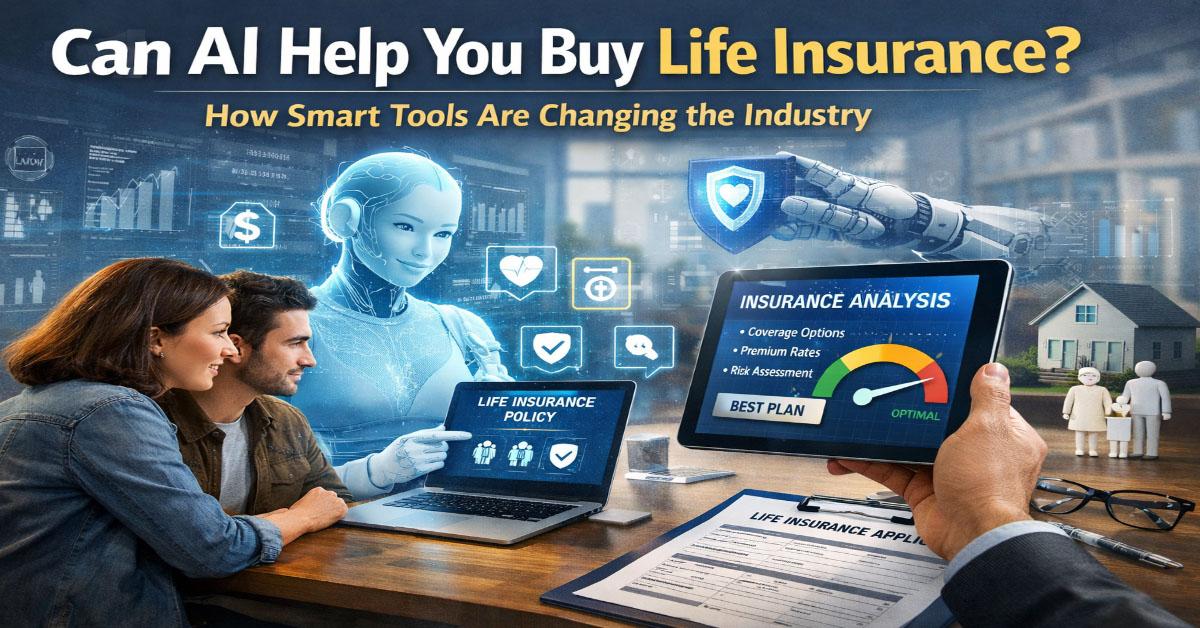
The Limits Of Ai In Life Insurance
AI is powerful, but it has real limits—especially in life insurance.
Why Ai Struggles With Complex Needs
- Data Gaps: AI needs lots of information to work well. If your situation is rare, it may not have good answers.
- Lack of Empathy: AI can’t sense fear, confusion, or sadness like a human can.
- Ethical Dilemmas: Sometimes, there are tough choices about coverage or claims. Humans can weigh fairness and compassion.
- Regulation: Insurance is heavily regulated. Laws change, and AI may need help to keep up.
For example, if a family faces a sudden tragedy, an agent can step in with support and clear guidance—something AI is not yet equipped to do.
The Future: Will Agents Be Replaced?
The big question is: Will AI replace life insurance agents completely?
Most experts believe the answer is no—at least not soon. AI will change the agent’s role, not erase it.
Hybrid Model: Human + Ai
Many companies are moving toward a hybrid model. AI handles simple, repetitive tasks. Agents focus on complex cases and personal relationships. This makes the process faster and more efficient—without losing the human touch.
Here’s how the hybrid model works:
| Task | Handled by AI | Handled by Agent |
|---|---|---|
| Initial Quote | ✓ | |
| Policy Explanation | ✓ (basic) | ✓ (detailed, complex) |
| Emotional Support | ✓ | |
| Final Recommendation | ✓ | |
| Routine Follow-ups | ✓ |
This approach uses the best of both worlds. Customers get quick answers and personal service when it matters most.
Non-obvious Insights Most People Miss
1. Ai Needs Human Training
AI systems don’t learn alone. They need experts to teach them—to check for bias, errors, and missing data. If an AI makes a mistake, it’s usually because of poor training or bad data, not magic.
2. Agents Can Use Ai To Become Better
Many agents now use AI tools to help them. For example, AI can suggest which clients need follow-up or highlight new products that fit a customer’s needs. Smart agents use AI as an assistant, not a rival.
What Agents Can Do To Stay Relevant
If you’re a life insurance agent, the rise of AI can feel threatening. But there are ways to stay ahead:
- Build deeper relationships: Focus on trust and understanding.
- Learn new skills: Get comfortable with AI tools and data.
- Offer unique value: Help with complex or emotional decisions where AI struggles.
- Stay updated: Know the latest laws, products, and technology.
Agents who adapt can use AI to save time and serve clients better.

Real-world Examples
Some companies are already using AI and human agents together.
- Lemonade: This tech-driven insurer uses AI for quick quotes and claims, but has humans for complex issues.
- New York Life: Their agents use AI-powered tools to give faster, more accurate advice.
Both models show that AI is a tool—not a replacement.
What This Means For Customers
As a customer, you have more options than ever. You can:
- Get a quick quote online with AI tools.
- Ask a chatbot basic questions any time.
- Work with a human agent for more help.
If your needs are simple, AI may be all you need. For bigger questions or if you want peace of mind, a skilled agent is still valuable.
The Bottom Line
AI is changing life insurance. It makes buying and managing policies faster, cheaper, and sometimes easier. But life insurance agents still matter—especially when you need personal advice, empathy, or help with complex decisions.
In the near future, expect more teamwork between AI and agents. The best results will come from using both. For now, humans are not being replaced—they’re being upgraded.
If you want to learn more about how AI works in insurance, check this Wikipedia article on AI in healthcare.
Frequently Asked Questions
Will Ai Take Over All Life Insurance Agent Jobs?
No, AI will not replace all agents. It will handle simple tasks and questions. But human agents are still needed for complex cases, personal advice, and emotional support.
How Is Ai Being Used In Life Insurance Today?
AI is used for underwriting, answering questions with chatbots, detecting fraud, and suggesting personalized policies. It helps make the process faster and more accurate.
Can I Buy Life Insurance Without Talking To An Agent Now?
Yes. Many companies let you buy basic term life insurance online with AI help. For more complex needs, talking to an agent is still recommended.
What Are The Risks Of Relying Only On Ai For Life Insurance?
AI may miss unique situations, misunderstand emotions, or make mistakes if data is poor. For important decisions, a human agent can give better guidance.
How Can Life Insurance Agents Stay Important In The Future?
Agents should focus on building trust, learning about AI tools, and offering help with complex or emotional cases. Adapting to technology will help them stay relevant.