
Life is full of surprises. Some are wonderful, like the birth of a child or buying your first home. Others are difficult, such as losing a loved one or facing unexpected expenses. In these moments, having a safety net can make all the difference. This is where life insurance comes in—a simple idea that carries a powerful promise. But what exactly is the purpose of life insurance? Why do millions of people choose to pay for something they hope they’ll never need?
Many see life insurance as just another bill. In reality, it’s a unique financial tool that protects your family, your future, and even your peace of mind. Whether you’re a parent, a business owner, or someone just starting out, understanding life insurance can help you make smarter choices.

This article explores the true purpose of life insurance, how it works, and why it matters more than you may think.
What Is Life Insurance?
Life insurance is a contract between you (the policyholder) and an insurance company. You pay regular payments, called premiums, and in return, the company promises to pay a set amount of money—called the death benefit—to your chosen beneficiaries when you die.
There are two main types of life insurance:
- Term life insurance: Covers you for a set period (like 10, 20, or 30 years). If you pass away during this term, your beneficiaries get paid. If you outlive the term, the policy usually ends with no payout.
- Permanent life insurance: Lasts your entire life, as long as you pay the premiums. This type often includes a cash value component, which grows over time and can be used while you’re still alive.
The main idea is simple: Life insurance helps protect the people who depend on you financially if something happens to you.
The Core Purpose Of Life Insurance
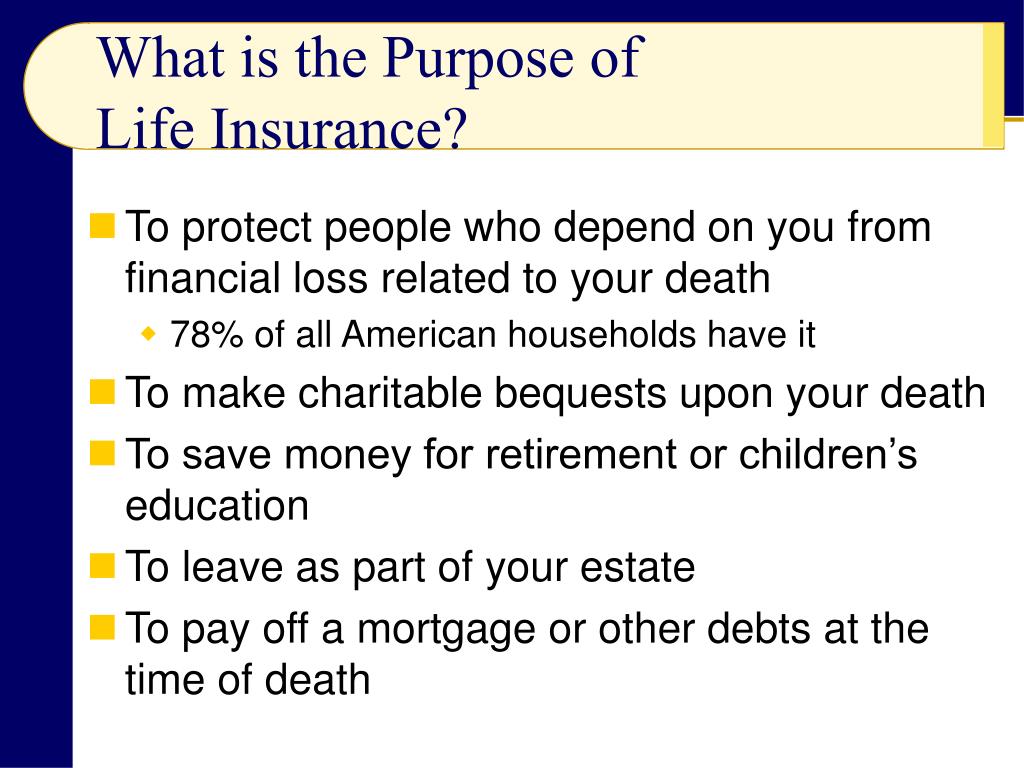
At its heart, the purpose of life insurance is to provide financial support to those you leave behind. But this idea goes deeper than just handing over a check. Here’s what life insurance really aims to do:
- Replace lost income: If you earn money that supports your family, your sudden absence could create financial hardship. Life insurance steps in to fill this gap.
- Cover outstanding debts: Mortgages, car loans, credit cards—these debts don’t vanish when you do. Life insurance can pay off these bills so your loved ones aren’t left with the burden.
- Pay for final expenses: Funerals, burials, and other end-of-life costs can be surprisingly high. A life insurance policy helps cover these costs, easing the stress on your family.
- Provide for dependents: If you have children, a spouse, or aging parents who rely on you, life insurance helps provide for them, funding education, daily living, or care needs.
- Leave a legacy: Some use life insurance to leave gifts to charities or future generations, ensuring their values live on.
Let’s dig deeper into these purposes, with examples and real-life data.
Protecting Your Family’s Financial Future
Imagine a young family: two parents, two children. The parents both work and together pay for the mortgage, groceries, school fees, and everything else. If one parent passes away suddenly, how would the family cope?
According to the National Funeral Directors Association, the average cost of a funeral in the US in 2023 was over $7,800. Add mortgage payments, daily expenses, and other debts, and the total can be overwhelming. Life insurance offers a safety net, giving families time to grieve without worrying about immediate bills.
Real-world Example
Sarah, a 35-year-old mother, earns $50,000 a year. She buys a 20-year term life insurance policy for $500,000. If Sarah dies while her children are still young, her policy can:
- Replace her income for up to 10 years
- Pay off the family’s $200,000 mortgage
- Cover college tuition for both kids
- Help her spouse adjust to new financial realities
Without life insurance, her family could face hard choices: selling their home, changing schools, or taking on extra jobs. With it, they’re protected.
Covering Debts And Final Expenses
Most people don’t think about debts after death. But creditors can still make claims against your estate. Life insurance ensures your family isn’t left to deal with these bills.
Common Debts Life Insurance Covers
- Home mortgage
- Car loans
- Credit card balances
- Student loans (for private loans or cosigned debts)
- Medical bills
If you don’t have enough savings, your family might be forced to sell assets or use their own money. Life insurance can pay these debts quickly, often within weeks.
Funeral And End-of-life Costs
Final expenses add up fast. Besides the funeral, there may be hospital bills or travel costs for family members. The Social Security death benefit is only $255—a tiny amount compared to actual costs.
Insight: Many people underestimate these expenses. A small life insurance policy (sometimes called “final expense” insurance) can be a simple way to cover them, even for those who don’t qualify for large policies.
Providing For Dependents
Children, spouses, and sometimes even elderly parents may depend on your income. Without you, their future can become uncertain.
How Life Insurance Helps Dependents
- Ongoing living expenses: Food, clothing, housing, and healthcare continue even after you’re gone.
- Education: College tuition and school fees can be paid from the death benefit.
- Special needs care: If you care for a child or adult with special needs, life insurance can fund a trust or provide ongoing support.
Non-obvious insight: Some policies let you set up a trust for minor children, so money is managed until they reach adulthood. This prevents misuse and ensures the funds are used as you intended.
Supporting Business And Estate Planning
Life insurance isn’t just for families. Business owners and those with complex estates also use it as a planning tool.
Business Uses
- Key person insurance: Protects a company if an owner or important employee dies.
- Buy-sell agreements: Life insurance can fund the buyout of a deceased partner’s share, keeping the business stable.
- Debt protection: Ensures company debts don’t become a personal burden to surviving family members.
Estate Planning
For people with large estates, life insurance can help pay estate taxes, so heirs don’t have to sell family assets. It can also equalize inheritances among children or fund gifts to charity.
Example: If you own a family business but want to leave equal value to all children (some who may not want to run the business), life insurance can balance things out.
Peace Of Mind And Emotional Security
Money can’t replace a loved one. But knowing your family will be cared for offers a comfort that’s hard to measure.
Peace of mind is one of the most overlooked purposes of life insurance. You can focus on living your life, confident you’ve done your part to protect those you love.
Practical tip: Even a modest policy can provide this security. You don’t need to buy the biggest policy—just enough to meet your family’s true needs.
How Much Life Insurance Do You Need?
Choosing the right amount is crucial. Too little, and your family may struggle. Too much, and you’re wasting money on premiums.
Here’s a simple way to estimate your needs:
- Add up all debts and final expenses (mortgage, loans, funeral).
- Multiply your annual income by the number of years your family will need support (commonly 10–15 years).
- Add future goals (college, care for dependents).
- Subtract savings and existing assets.
Example calculation:
Suppose you have:
- $200,000 mortgage
- $10,000 car loan
- $7,800 final expenses
- $50,000 annual income, want to cover 10 years ($500,000)
- $40,000 in savings
Total need: $200,000 + $10,000 + $7,800 + $500,000 = $717,800
Subtract Savings: $717,800 – $40,000 = $677,800
So, a policy around $675,000–$700,000 would cover your family’s needs.
Types Of Life Insurance: Comparing Your Options
Choosing the right type of life insurance is as important as choosing the amount. Here’s a side-by-side look at the main options:
| Type | Coverage Length | Cash Value? | Typical Cost | Best For |
|---|---|---|---|---|
| Term Life | 10–30 years | No | Low | Most families |
| Whole Life | Lifetime | Yes | High | Estate planning |
| Universal Life | Lifetime (flexible) | Yes | Varies | Flexible needs |
| Final Expense | Lifetime (small) | Sometimes | Low | Covering funeral costs |
Quick tip: For most people, term life insurance gives the most coverage for the lowest price. Permanent policies are best for those with lifelong needs or estate planning goals.
Who Needs Life Insurance?
Not everyone needs life insurance. But if someone depends on your income or care, it’s usually a wise choice.
People Who Should Consider Life Insurance
- Parents with young children
- Married couples with shared debts
- Homeowners with mortgages
- Business owners
- People caring for elderly parents or disabled relatives
- Anyone who wants to leave a legacy
If you’re single with no dependents and little debt, you may not need a large policy. But remember, your situation can change—getting married, having kids, or buying a home are all good reasons to consider coverage.
Non-obvious insight: Even stay-at-home parents may need coverage. Their unpaid work (childcare, home management) would cost thousands to replace.
Common Myths About Life Insurance
There’s a lot of confusion about life insurance. Let’s clear up a few common myths:
- It’s too expensive: Term life insurance is often less than $1 a day for healthy young adults.
- Only breadwinners need it: Anyone who provides care or support should consider coverage.
- I’m covered at work: Employer policies are often small and may end if you leave your job.
- I’m too young/old: Young people get the best rates. Older people may still find affordable options.
- I don’t have kids, so I don’t need it: Life insurance can also cover debts, business needs, or support aging parents.
Pro tip: Shop around and compare quotes. Rates can vary widely between companies.
How Life Insurance Payouts Work
When a policyholder dies, the insurance company pays the death benefit to named beneficiaries. This money is usually tax-free and can be used for any purpose.
The Claim Process
- The beneficiary contacts the insurer and files a claim.
- They provide a death certificate and policy details.
- The insurer reviews the claim (usually 1–4 weeks).
- Payment is made, either as a lump sum or in installments.
Most claims are paid quickly, especially for term policies. Delays can happen if there’s missing paperwork or if the policy is very new.
Practical tip: Tell your beneficiaries about your policy and where to find the documents. Many claims are delayed because families don’t know the policy exists.
Life Insurance And Financial Planning
Life insurance is a key part of a strong financial plan. It works alongside other tools like savings, investments, and retirement accounts.
Here’s how it fits:
- Protection first: Before focusing on investing, protect your family from the worst-case scenario.
- Debt safety net: Insurance can prevent your loved ones from inheriting your debts.
- Flexibility: Some permanent policies allow you to borrow against the cash value in emergencies.
Important note: Life insurance is not a replacement for retirement savings or investments. Think of it as the foundation—other financial goals build on top.
Comparing Life Insurance To Other Financial Tools
Is life insurance better than savings or investments? It depends on your needs. Here’s a quick comparison:
| Feature | Life Insurance | Savings Account | Investments |
|---|---|---|---|
| Payout on death | Large, immediate | Only what’s saved | Only what’s invested |
| Coverage for debts | Yes | Limited | Limited |
| Growth potential | Cash value grows (permanent) | Low interest | High (with risk) |
| Cost | Premiums required | None | Fees/risks |
| Tax advantages | Death benefit usually tax-free | Taxable interest | Taxable gains |
Key takeaway: Life insurance provides immediate, large sums of money for your family, which even large savings accounts may not match.
Mistakes To Avoid When Buying Life Insurance
Many people make the same mistakes when shopping for life insurance. Here’s how to avoid them:
- Waiting too long: Premiums go up as you get older or if your health changes. Buy early if possible.
- Underestimating needs: Don’t just pick a round number. Use a calculator or talk to an advisor.
- Choosing the wrong type: Term is best for most, but not all. Consider your long-term goals.
- Naming the wrong beneficiaries: Keep your policy updated after life changes (marriage, divorce, new children).
- Not reviewing policies: Check your coverage every few years to make sure it still fits.
Pro tip: Get quotes from several companies and read the fine print. The cheapest policy isn’t always the best value.
When Life Insurance May Not Be Necessary
Life insurance isn’t for everyone. You may not need it if:
- You have no dependents and little debt
- You have enough assets to cover all expenses and provide for loved ones
- You’re retired and your spouse has their own income or support
In these cases, you may be better off investing your money elsewhere.
How To Get Started
Ready to explore your options? Here’s how to begin:
- Calculate your needs using an online calculator or with a financial advisor.
- Decide on the type and amount of coverage.
- Compare quotes from several insurance companies.
- Apply and complete a health check (if required).
- Keep your policy documents safe and tell your beneficiaries.
For more details on different types of life insurance, you can visit the Investopedia Life Insurance Guide.
Frequently Asked Questions
What Happens If I Outlive My Term Life Insurance Policy?
If you outlive a term life policy, coverage ends and no money is paid out. Some policies let you renew or convert to permanent insurance, but premiums may rise.
Is The Life Insurance Payout Taxed?
In most cases, life insurance payouts are tax-free for beneficiaries. Exceptions include large estates or if the policy is owned by a business.
Can I Have More Than One Life Insurance Policy?
Yes, you can own multiple policies. Many people do this to cover different needs—like a large term policy for family and a small permanent policy for funeral costs.
What If I Can’t Pay My Premiums?
Missing payments can cause your policy to lapse (end). Some policies have a grace period or let you use cash value to cover missed payments. Contact your insurer right away if you’re struggling.
Should I Buy Life Insurance For My Children?
Child life insurance is mostly used to cover funeral costs or guarantee insurability later in life. It’s usually not needed for income replacement, since children rarely have financial dependents.
Life insurance is more than just a policy—it’s a promise to protect the people you care about most. Whether you’re looking to secure your family’s future, pay off debts, or leave a lasting legacy, the right policy can give you peace of mind.
Take time to review your needs and options. Making a thoughtful choice today can make all the difference tomorrow.
:max_bytes(150000):strip_icc()/Life-Insurance-a8aee8e3024145a8b454ea19df030418.png)