
Choosing the right life insurance in the UK can feel overwhelming. With dozens of providers, types of cover, and confusing terms, many people delay this important decision. Yet, life insurance is one of the smartest ways to protect your loved ones if something unexpected happens. It offers peace of mind, financial support, and sometimes even extra benefits while you are alive. But how do you find the best life insurance UK has to offer for your needs and budget? This guide will walk you through everything you need to know, from policy types to top providers, real-world tips, and common mistakes to avoid. By the end, you’ll feel confident making the right choice for your family’s future.
Why Life Insurance Matters In The Uk
Life insurance is more than just a monthly payment. It’s a promise that your family will be financially protected if you’re not there. In the UK, the average cost of raising a child to age 18 is over £150,000, and mortgages are higher than ever. If you die unexpectedly, a good life insurance policy can:

- Pay off your mortgage or debts
- Replace lost income for your partner or children
- Cover funeral costs (which now average over £4,000 in the UK)
- Provide a lump sum for education or future needs
Many people believe the government will step in, but state support is limited. For example, the Bereavement Support Payment is usually less than £3,500—often not enough to cover even one year’s expenses for a family.
Main Types Of Life Insurance In The Uk
Understanding the main types of life insurance helps you pick the right policy. Here’s a simple breakdown:
1. Level Term Life Insurance
You choose an amount (like £200,000) and a time period (for example, 25 years). If you die during that time, your loved ones get the full amount. The amount and the premiums stay the same throughout the term.
2. Decreasing Term Life Insurance
Often used to cover a repayment mortgage. The payout gets smaller each year, matching the amount you still owe on your mortgage. It’s usually cheaper than level term.
3. Whole Of Life Insurance
Covers you for your entire life, not just a set number of years. Your family gets a payout whenever you die, as long as you keep paying premiums. These policies are more expensive but guarantee a payout.
4. Over 50s Life Insurance
Designed for people aged 50 to 80. Guaranteed acceptance—no medical questions. Pays a fixed lump sum when you die, useful for funeral costs.
5. Family Income Benefit
Instead of a lump sum, your family gets a monthly or yearly income if you die during the policy term. This helps with regular living costs.
6. Joint Life Insurance
Covers two people (often partners) under one policy. Cheaper than two single policies, but usually pays out only once (on the first death).
Non-obvious insight: Many people overlook family income benefit, but it can be less stressful for survivors who need help with monthly bills, not just a big lump sum.
How To Choose The Best Life Insurance Policy For You
Selecting the best life insurance UK policy means thinking about your own life and family. Here’s what really matters:
Your Dependents
Who relies on your income? If you have young children, a partner, or other dependents, you’ll need more cover. If you’re single with no dependents, you might need only enough to cover funeral costs.
How Much Cover You Need
Add up your debts (mortgage, loans), expected living costs for your family, and future needs (like university fees). Don’t just guess—many under-insure because they underestimate real costs.
How Long You Need Cover
If you want to cover your mortgage, match your policy length to your loan. If you want to protect kids until they finish school, choose a policy that lasts until they’re independent.
Your Budget
Life insurance should fit your monthly budget. Cheaper isn’t always better—very cheap policies might not pay out for all causes of death or could have exclusions.
Health And Lifestyle
Your age, health, and habits affect your premium. Smokers pay more, and pre-existing medical conditions can increase costs. Some insurers are better for certain conditions (like diabetes or high BMI).
Policy Features
Look for features like:
- Terminal illness cover (pays out early if you’re diagnosed with a terminal illness)
- Critical illness cover (adds a payout if you’re diagnosed with serious illnesses, like cancer or heart attack)
- Waiver of premium (lets you keep cover if you lose your job or can’t work)
Practical tip: Don’t just pick the cheapest quote. Check if the insurer has a good payout record, and read real customer reviews. Some providers are slow to pay or make claims difficult.
Top Life Insurance Providers In The Uk
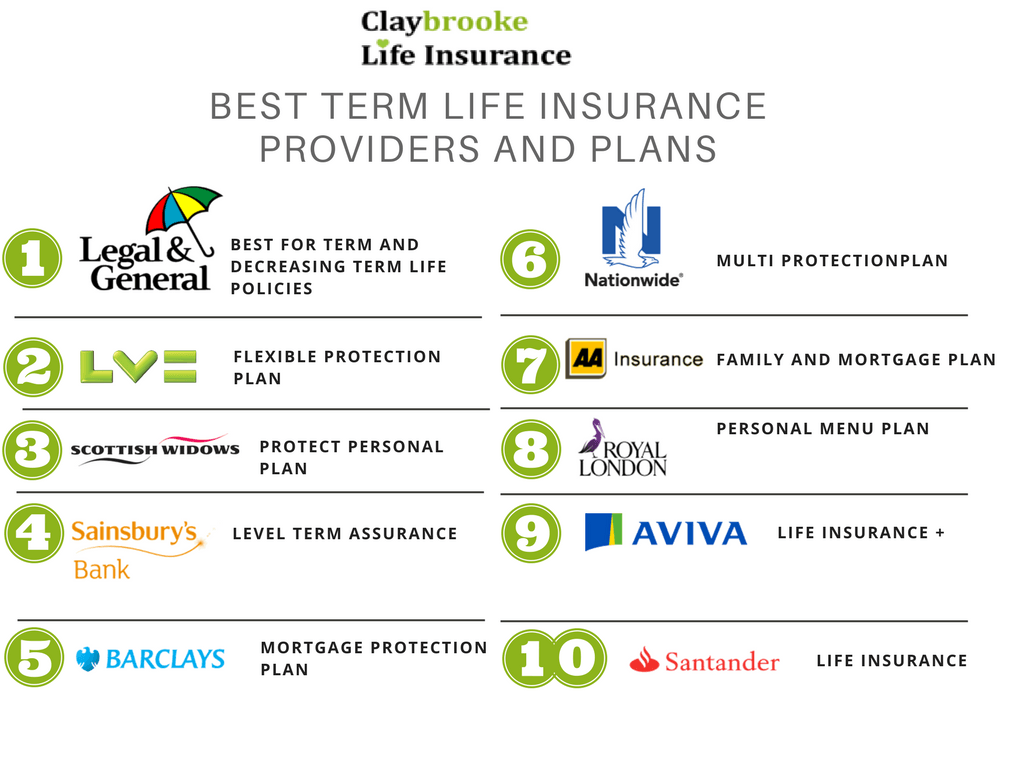
Here’s a comparison of the biggest and most trusted life insurance companies in the UK, based on customer satisfaction, claims paid, and value for money.
| Provider | Types of Cover | Claims Paid (%) | Key Strength |
|---|---|---|---|
| Legal & General | Level, Decreasing, Over 50s, Whole of Life | 97% | Low premiums, strong reputation |
| Aviva | Level, Decreasing, Whole of Life, Family Income | 98.9% | Flexible policies, good for families |
| Royal London | Level, Decreasing, Over 50s, Whole of Life | 99.6% | Top customer service |
| Aegon | Level, Decreasing, Whole of Life | 95% | Includes terminal illness as standard |
| Vitality | Level, Decreasing, Whole of Life, Family Income | 99.8% | Wellness rewards, unique features |
| Scottish Widows | Level, Decreasing, Whole of Life | 98.7% | Strong legacy brand |
Example
A 35-year-old non-smoker wanting £250,000 cover for 20 years might pay around £14–£18 per month with Legal & General or Aviva. For the same cover, a smoker could pay £30–£38 per month.
Non-obvious insight: The difference in price between top providers is often less than £5 per month for the same cover, but policy features and claim processes can vary a lot. Always check the small print, especially for illnesses and exclusions.
Comparing Life Insurance Policies
Comparing policies is not just about price. Here are the most important factors:
| Factor | Why It Matters | What to Check |
|---|---|---|
| Payout Rate | Shows reliability | Look for 95%+ payout rates |
| Policy Features | Adds value | Terminal illness, waiver of premium, indexation |
| Premiums | Fits your budget | Check for guaranteed or reviewable premiums |
| Customer Service | Helps at claim time | Read reviews, check claims process |
| Exclusions | Limits payout | Suicide, dangerous sports, certain illnesses |
Pro tip: Some policies have “guaranteed” premiums (never go up), others are “reviewable” (can rise over time). If you want to avoid surprises, choose guaranteed.
Common Life Insurance Mistakes To Avoid
Many people make errors that cost their families later. Here are some mistakes and how to avoid them:
- Underestimating How Much Cover You Need: Don’t just pick a round number. Calculate debts, mortgage, living costs, and future needs.
- Not Writing the Policy in Trust: If you don’t put your life insurance ‘in trust’, the payout can be delayed by probate and may be subject to inheritance tax.
- Lying on the Application: Hiding health problems or smoking can cause your claim to be refused.
- Forgetting to Review Your Policy: Life changes—marriage, children, pay rises. Update your policy as needed.
- Choosing the Cheapest Policy Without Checking Exclusions: Some policies are cheap because they exclude common causes of death or have strict rules.
Experience-based tip: Many people forget to tell their family about their policy details. Make sure your loved ones know how to claim if needed.
How To Get The Best Life Insurance Deal
Getting the best value isn’t just about finding the lowest price. Here’s how to make sure you get the right deal:
- Shop Around: Use comparison sites, but also check direct providers—some don’t appear on comparison sites.
- Consider a Broker: An independent broker can match you with the best deal for your health and family needs. They know which insurers are good for certain conditions.
- Be Honest: Full disclosure on health and lifestyle gets you the right cover and avoids claim problems.
- Ask About Discounts: Some providers offer discounts if you buy with your partner or add critical illness cover.
- Lock In Young: The younger and healthier you are, the cheaper your premiums.
- Review Regularly: Check your cover every few years or after big life changes.
Extra insight: Some insurers offer free cover for a month while your application is being processed. This can be useful if you have immediate needs.
Real-world Examples
Case Study 1: Young Family, Level Term
Sarah and James, both 32, have two kids under five. They choose a joint level term policy for £300,000 over 25 years. If either dies, the mortgage is paid off and there’s extra money for child care. They pay £22 per month.
Case Study 2: Over 50s, Funeral Cover
David, 67, buys an over 50s policy for £5,000. He pays £23 per month, guaranteed acceptance. His family won’t struggle with funeral costs.
Case Study 3: Family Income Benefit
Priya, 40, wants to make sure her children have enough money if she dies. She chooses a family income benefit that pays £1,500 per month until her youngest turns 21. The steady income helps her partner manage without stress.
Extra Benefits And Add-ons
Modern life insurance can include more than a payout. Some providers offer:
- Free health checks
- Gym discounts
- Mental health support
- GP helplines
- Access to counseling
For example, Vitality offers wellness rewards and activity trackers. These perks can be valuable, especially if you use them.
Note: Don’t pick a policy just for the extras. Make sure the main cover is right for you.
The Claims Process: What To Expect
Making a claim on life insurance is usually straightforward, but it helps to know the steps:
- Contact the Provider: Phone or online claim form.
- Provide Documents: Death certificate, policy details, sometimes a medical report.
- Wait for Assessment: The insurer checks everything is in order.
- Payout: Most claims are paid within 2-4 weeks if paperwork is complete.
Tip: If the policy is written in trust, the payout is usually faster and avoids inheritance tax.

Should You Add Critical Illness Cover?
Critical illness cover is often offered as an add-on. It pays out if you’re diagnosed with a serious illness (like cancer, heart attack, or stroke). It’s more expensive but can be a lifesaver if you survive a serious illness but can’t work.
Things to check:
- Which illnesses are covered? (Some policies only cover a limited list)
- Is the payout the same as life cover, or less?
- Will the policy continue after a critical illness claim, or end?
Who Should Consider Joint Life Insurance?
Joint life insurance is usually cheaper than two single policies. It can make sense for couples with a shared mortgage or financial responsibilities. But remember, it only pays out once—after the first death, the surviving partner is no longer covered.
Pro tip: Sometimes two single policies cost only a little more but give double the potential payout.
Is Life Insurance Right For Everyone?
Not everyone needs life insurance. If you have no dependents and no debts, you may only need a small policy for funeral costs. But if anyone relies on your income, or you want to leave a financial legacy, life insurance is almost always a smart move.
How To Buy Life Insurance In The Uk
You can buy life insurance:
- Directly from the insurer (online or by phone)
- Through a comparison website
- Via an independent broker (often free for you, as insurers pay the broker)
Comparison sites are quick but don’t always show all providers. Brokers can help with tricky health cases and explain confusing terms.
Extra tip: Check if your employer offers ‘death in service’ benefit. This is a type of life cover, but it usually ends when you leave the job.
Quick Reference: Best Life Insurance Providers For Different Needs
Here’s a summary to help you match providers to your situation:
| Situation | Recommended Provider | Reason |
|---|---|---|
| Lowest Premiums | Legal & General | Consistently low prices for healthy applicants |
| Best for Families | Aviva | Flexible features, family income benefit |
| Top Customer Service | Royal London | High customer satisfaction |
| Over 50s | SunLife | Simple acceptance, funeral cover |
| Wellness Extras | Vitality | Health rewards, unique policy features |
| Quick Claims | Scottish Widows | Fast payouts, strong trust option |
Note: This is a starting point. Always check the latest reviews and details.
Final Thoughts
Life insurance is one of the most important financial decisions you’ll ever make. The right policy brings security and peace of mind, protecting your family from financial hardship if the worst happens. Take time to assess your real needs, compare the best providers, and avoid shortcuts.
Remember, the cheapest policy isn’t always the best—focus on reliability, features, and the right amount of cover for your loved ones. Don’t put off this decision; every day without cover is a risk you don’t need to take.
For more in-depth statistics and official guidance, you can check the Association of British Insurers.
Frequently Asked Questions
What Is The Average Cost Of Life Insurance In The Uk?
The average monthly cost for a healthy 35-year-old non-smoker is around £15–£20 for £250,000 of cover over 20 years. Factors like age, smoking, and health can raise or lower this amount.
Do I Need A Medical Exam To Get Life Insurance?
Many policies ask health questions, but not all require a medical exam. Over 50s policies usually guarantee acceptance without any health checks. For larger amounts or if you have health issues, a medical exam may be required.
Can I Have More Than One Life Insurance Policy?
Yes, you can have multiple life insurance policies. This can help cover different needs, like a mortgage and family income. Just be sure you can afford the combined premiums.
Will My Life Insurance Pay Out If I Die Abroad?
Most UK life insurance policies will pay out for death anywhere in the world, as long as you were honest on your application. Some exclusions may apply for high-risk countries or activities.
What Happens If I Stop Paying My Premiums?
If you stop paying your premiums, your policy will usually end, and you won’t get any money back. Some whole of life or over 50s policies may offer a small cash value, but most term policies do not.
—
By understanding your options and making smart choices, you can secure the best life insurance UK solution for your family—giving them the gift of financial security, whatever happens.