
In life insurance, people often hear the term “face amount. ” But what does it really mean? This phrase is central to understanding how life insurance works, especially when choosing the right policy for yourself or your family. Many buyers focus on premiums, but the face amount is just as important.
It affects how much protection you get and what your loved ones will receive if something happens to you. Let’s break down the concept, clear up confusion, and help you make smarter decisions about your insurance needs.

What Is The Face Amount In Life Insurance?
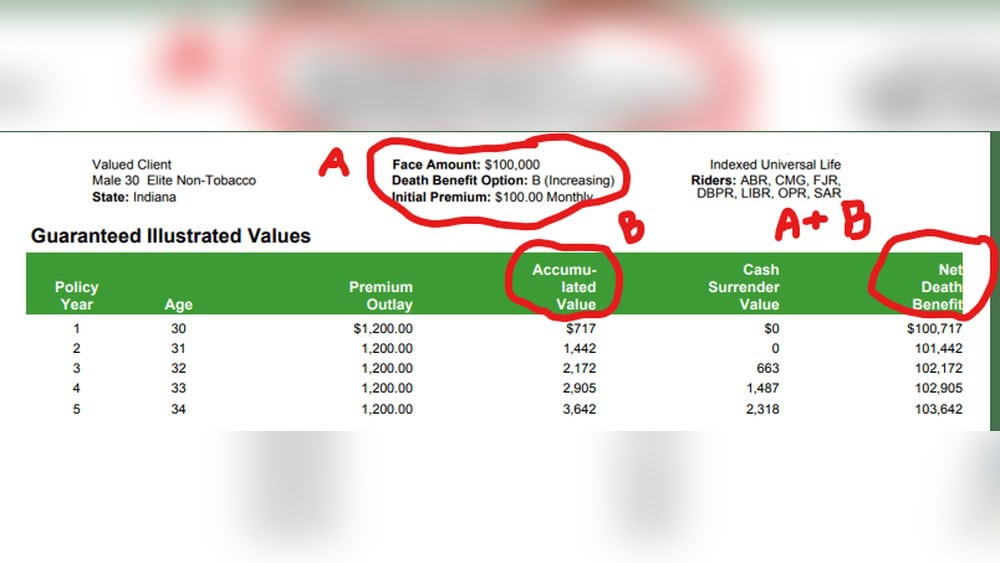
The face amount is the original dollar value stated on your life insurance policy. It is the sum the insurer promises to pay your beneficiaries after your death, assuming all policy conditions are met. For example, if your policy’s face amount is $250,000, that is the amount your family would receive.
This value is set when you buy the policy. It’s also called the “coverage amount” or “death benefit. ” The face amount does not include extra benefits or riders, such as accidental death or cash value. It’s simply the basic amount of protection.
Why Is The Face Amount Important?
The face amount is the core of your life insurance. It defines:
- How much financial support your family will get
- The size of your premiums (higher face amount, higher premium)
- Whether your insurance can cover debts, funeral costs, and living expenses
If you choose too low a face amount, your loved ones may struggle financially. If you select too high, you may overpay for coverage you don’t need.
How Is The Face Amount Determined?
Insurance companies use several factors to decide the face amount for your policy. These include:
- Your financial needs: How much money will your family need after you’re gone? This includes paying off debts, covering daily expenses, and future goals like education.
- Age and health: Younger and healthier applicants can often get higher face amounts for lower premiums.
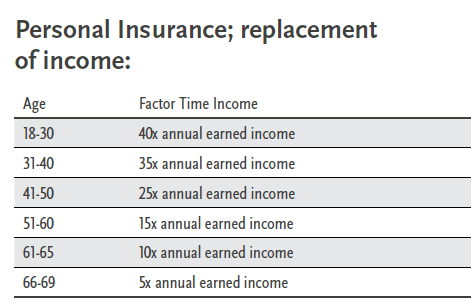
- Income: Many experts recommend coverage equal to 5-10 times your annual income.
- Policy type: Term life, whole life, and universal life policies all handle face amount differently.
For example, a 35-year-old with a $60,000 income may choose a face amount between $300,000 and $600,000.
Face Amount Vs. Other Policy Values
Many people confuse the face amount with other values in a life insurance policy. Here’s how they differ:
- Face amount: The basic death benefit, stated on the policy.
- Cash value: Only in permanent policies; grows over time and can be borrowed against.
- Riders: Additional benefits, such as accidental death, which increase the payout under special circumstances.
To clarify these differences, see the table below:
| Value | Type | Purpose |
|---|---|---|
| Face Amount | All policies | Main death benefit |
| Cash Value | Permanent policies | Savings, loans, withdrawals |
| Riders | Optional | Extra coverage (e.g., accidental death) |
How Face Amount Changes Over Time
In most term life insurance policies, the face amount stays the same for the policy’s length. But some policies—especially permanent ones—can change over time.
- Level benefit: The face amount remains constant.
- Decreasing benefit: Some policies, like mortgage protection, reduce the face amount as the loan gets paid.
- Increasing benefit: Rare, but possible if you buy certain riders or policies that grow with inflation.
If you borrow against your cash value or make withdrawals, the insurer may reduce the face amount. Always check your policy details to avoid surprises.
Practical Example: Choosing The Right Face Amount
Let’s look at a simple example. Maria is 40 years old, has two children, and earns $50,000 per year. She wants her family to have enough money for:
- Living expenses for 5 years ($250,000)
- College costs for her kids ($80,000)
- Debt payoff ($20,000)
- Funeral expenses ($10,000)
Maria’s total need is $360,000. She chooses a policy with a face amount of $400,000 to give a small cushion. This ensures her family is protected, even if costs rise.
Common Mistakes When Selecting Face Amount
Many buyers make errors when choosing their face amount. Here are some pitfalls to watch out for:
- Underestimating needs: Not considering all expenses, like taxes, medical bills, or inflation.
- Overestimating coverage: Picking a face amount that’s much higher than needed, leading to expensive premiums.
- Ignoring other assets: Forgetting to include savings, investments, or employer benefits in calculations.
- Not updating: Failing to adjust the face amount as life changes (marriage, children, debts, etc. ).
Even experienced buyers can miss these points. Reviewing your coverage every few years is smart.
Face Amount In Different Types Of Life Insurance
The face amount works differently depending on the policy type. Here’s a comparison:
| Policy Type | Face Amount | Typical Use |
|---|---|---|
| Term Life | Fixed for policy term | Temporary protection, low cost |
| Whole Life | Fixed, may grow with dividends | Lifetime protection, cash value |
| Universal Life | Flexible, can be increased or decreased | Customizable, cash value |
| Variable Life | Can change based on investments | Investment focus, higher risk |
Understanding these differences helps you match the policy to your needs.
How To Calculate The Right Face Amount For You
Calculating the right face amount is not just about income. It’s about your family’s future. Here’s a step-by-step method:
- List all debts: Mortgage, car loans, credit cards.
- Estimate living expenses: How long your family needs support.
- Add education costs: Tuition, books, fees.
- Include funeral expenses: Average is $8,000-$12,000 in the US.
- Subtract assets: Savings, investments, employer life insurance.
For example, if your total needs are $500,000 and you have $50,000 in assets, your ideal face amount is $450,000.
Hidden Factors Most People Miss
Some factors often go unnoticed:
- Taxes: Life insurance payouts are usually tax-free, but estate taxes may apply for large policies.
- Future inflation: Costs rise over time, so a face amount that seems enough today may be too low in 20 years.
- Dependent ages: Young children need longer support.
These points can make a big difference in the final amount.
How The Face Amount Affects Your Premiums
Premiums are closely tied to the face amount. Higher face amounts mean higher premiums. But it’s not a simple linear relationship. Age, health, and policy type also matter.
For example:
- A 30-year-old healthy male may pay $25/month for $250,000 coverage.
- The same person pays $50/month for $500,000 coverage.
Insurance companies also consider:
- Medical exams
- Family health history
- Lifestyle habits (smoking, risky activities)
If you want to lower premiums, you can:
- Choose a lower face amount
- Buy term instead of whole life
- Improve your health before applying
What Happens If The Face Amount Is Not Enough?
If your face amount is too low, your beneficiaries may struggle to pay bills, debts, or funeral costs. They might need to sell assets or take loans. On the other hand, too high a face amount means you overpay for coverage.
Balancing is key. Experts suggest reviewing your policy every 2–3 years, especially after big life changes like:
- Getting married
- Having children
- Buying a home
- Changing jobs
Adjusting The Face Amount After Buying
Can you change your face amount? Yes, but rules depend on the policy type and insurer.
- Term life: Usually fixed, but some allow increases with proof of health.
- Whole/universal life: Often flexible, with possible increases or decreases.
If you want to adjust, contact your insurer. They may require a new medical exam or review your financial situation.
Real-world Data: Us Life Insurance Face Amounts
According to the American Council of Life Insurers, the average face amount for new individual policies in the US is about $168,000. This has grown in recent years as people recognize the need for higher coverage. Group policies (often from employers) have lower face amounts, averaging $50,000–$100,000.
People often underestimate their needs. A study showed that 30% of Americans wish they had chosen a higher face amount after buying. Reviewing your policy regularly can prevent this regret.

Comparing Face Amount And Cash Value In Permanent Policies
Permanent policies have both a face amount and a cash value. Many buyers wonder which matters more. Here’s a clear comparison:
| Feature | Face Amount | Cash Value |
|---|---|---|
| Payout | To beneficiaries | To policyholder (loans, withdrawals) |
| Growth | Usually fixed | Can grow, depends on policy |
| Access | No access for owner | Owner can use |
| Premium Impact | Higher amount = higher premium | Grows over time, affects premium |
Both values are important, but the face amount is what protects your family.
Hidden Insights About Face Amount
- Face amount can be reduced by loans: In permanent policies, if you borrow money from your policy’s cash value, the insurer will reduce the death benefit by the amount you owe. Many buyers miss this detail.
- Riders can change your face amount: Adding riders (such as accidental death or disability) may increase the total payout, but only under special conditions. The base face amount stays the same unless you adjust it.
Reviewing your policy regularly and asking your insurer about these features helps you avoid surprises.
Frequently Asked Questions
What Is The Difference Between Face Amount And Death Benefit?
The face amount is the original value stated in the policy. The death benefit is the amount paid to beneficiaries, which may include the face amount plus extra features (like riders or cash value additions).
Can I Change My Face Amount After Buying A Policy?
You can adjust the face amount in some policies, especially whole life or universal life. Term life is usually fixed, but some insurers allow changes with new underwriting.
Does The Face Amount Include Cash Value?
No, the face amount is separate from cash value. Cash value is only in permanent policies and can be used by the owner. The face amount is what goes to beneficiaries after death.
What Happens If I Have A Loan Against My Policy?
If you borrow from your policy’s cash value, the insurer will reduce the face amount (death benefit) by the unpaid loan amount. This means your beneficiaries get less.
How Do I Know If My Face Amount Is Enough?
Calculate your family’s needs: debts, living expenses, education, funeral costs. Subtract assets like savings or employer insurance. Review your policy every few years to stay updated.
If you want to learn more about life insurance policy features, visit Wikipedia.
Choosing the right face amount is one of the most important decisions in life insurance. It protects your family from unexpected financial problems and gives you peace of mind. Take time to evaluate your needs, understand the policy details, and ask questions.
With careful planning, you can make sure your loved ones are secure—no matter what the future brings.