
Life insurance is often seen as confusing or too complicated. But in reality, it’s a powerful tool that can help you protect your family, build wealth, and prepare for the unexpected. Whether you’re young or close to retirement, learning how to make life insurance work for you can give you peace of mind and real financial security.
This guide will show you how to use life insurance in smart ways, explain the main types, help you pick the right policy, and share tips that most beginners miss. With clear explanations and practical advice, you’ll understand how life insurance fits into your life—no matter your age or situation.

Understanding Life Insurance Basics
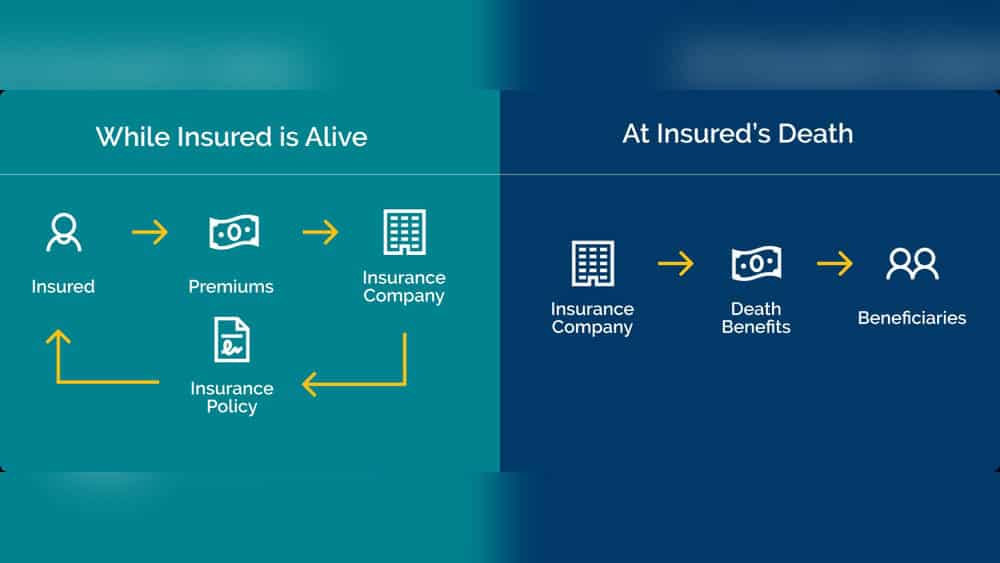
Before you can use life insurance to your advantage, it’s important to know what it is and how it works. Life insurance is a contract between you and an insurance company. You pay regular premiums, and the company pays a death benefit to your chosen beneficiaries if you pass away.
There are two main types of life insurance:
- Term life insurance: Covers you for a set period (like 10, 20, or 30 years). It’s usually cheaper and only pays if you die within the term.
- Permanent life insurance: Includes whole life and universal life. This type lasts your entire life and can build cash value over time.
Here’s a quick comparison:
| Type | Duration | Cost | Builds Cash Value? |
|---|---|---|---|
| Term Life | 10–30 years | Low | No |
| Whole Life | Lifetime | High | Yes |
| Universal Life | Lifetime | Varies | Yes |
Premiums depend on your age, health, and policy type. For example, a healthy 30-year-old might pay $25 per month for a $500,000 term policy, while a whole life policy could cost $200 per month for the same coverage.
Setting Your Goals: Why Do You Need Life Insurance?
Think about what you want life insurance to do for you. Your goals will guide your choices. Here are some common reasons people buy life insurance:
- Family protection: Replace lost income for your spouse or children.
- Debt coverage: Pay off mortgages, loans, or credit card debt if you die.
- Business needs: Protect business partners or secure loans.
- Estate planning: Cover taxes or leave inheritance.
- Education funding: Help pay for your children’s college.
Many people forget about living benefits. Some policies let you access money if you get seriously ill, or borrow from your cash value during your lifetime.

Choosing The Right Life Insurance Policy
Picking the best policy isn’t just about price. It’s about matching your needs, budget, and future plans. Here are steps to help you decide:
1. Calculate How Much Coverage You Need
A common rule is to buy coverage worth 10–12 times your annual income. But you should also consider debts, education costs, and ongoing living expenses.
Example: If you make $40,000 per year and want to cover your mortgage ($150,000), child’s college ($50,000), and living costs ($30,000/year for 5 years), you might need $400,000–$500,000 in coverage.
2. Pick Term Or Permanent Insurance
- Term life is good for most people, especially young families or those with tight budgets.
- Permanent life is better if you want lifelong coverage, build cash value, or have complex estate needs.
3. Compare Policies And Companies
Don’t just look at price. Check company ratings, policy features, and flexibility.
| Company | Financial Strength | Customer Satisfaction | Policy Flexibility |
|---|---|---|---|
| State Farm | A++ | High | Moderate |
| New York Life | A++ | High | High |
| Prudential | A+ | Moderate | High |
Look for companies rated A or higher by AM Best or Standard & Poor’s. This shows they’re financially stable and likely to pay claims.
4. Understand Policy Riders
Riders are extra benefits you can add to your policy:
- Accelerated death benefit: Lets you get part of the money if you’re diagnosed with a terminal illness.
- Waiver of premium: Stops payments if you become disabled.
- Child rider: Provides coverage for children.
Adding riders usually increases your premium, but can be worth it for extra protection.
Making Life Insurance Work For Your Life Stage
Your needs change as you grow older. Here’s how to use life insurance smartly at each stage:
Young Adults (20s–30s)
- Buy term life when healthy—it’s cheaper.
- Lock in low premiums before health problems appear.
- Consider policies with conversion options so you can switch to permanent later.
Families With Children
- Increase coverage to protect your spouse and kids.
- Use life insurance to cover mortgage and education costs.
- Consider adding a child rider for extra protection.
Middle Age (40s–50s)
- Review your coverage as your finances change.
- If your children are grown, you may need less coverage.
- Permanent policies can help with estate planning or build cash value.
Near Retirement (60s+)
- Focus on covering final expenses or leaving inheritance.
- Use permanent life insurance for estate tax planning.
- Consider guaranteed universal life for simple, lifelong coverage.
Using Life Insurance As A Financial Tool
Life insurance isn’t just about death benefits. Some policies have features that can help you in life:
Building Cash Value
Permanent policies like whole life and universal life build cash value. This is money you can borrow or withdraw.
Example: After 10 years, a whole life policy might have $20,000 cash value you can use for emergencies or retirement.
However, borrowing reduces your death benefit and may have fees or interest.
Living Benefits
Certain policies let you access the death benefit early if you get critically ill. For example, if diagnosed with cancer, you may be able to use part of your policy to pay medical bills.
Tax Advantages
Life insurance offers tax benefits:
- Death benefits are usually tax-free.
- Cash value growth is tax-deferred (you don’t pay tax on it until you withdraw).
- You can use policies for estate planning to cover taxes or leave assets to heirs.
Common Mistakes And How To Avoid Them
Many people make errors when buying life insurance. Here are mistakes to watch out for:
- Underestimating coverage needs: Don’t buy too little. Think about all expenses and future needs.
- Ignoring policy details: Some policies have exclusions or waiting periods. Read carefully.
- Relying only on employer coverage: Work policies may end if you leave your job. Get your own coverage.
- Not updating beneficiaries: Life changes—update your beneficiaries after marriage, divorce, or birth.
- Missing payment deadlines: Late payments can cancel your policy. Set reminders.
One insight beginners miss: review your policy every few years. As your life changes, your needs change. Don’t let an old policy leave you underprotected.

How Much Does Life Insurance Cost?
Costs vary widely. Here are average monthly premiums for a $250,000 policy:
| Age | Term Life (Male) | Term Life (Female) | Whole Life (Male) | Whole Life (Female) |
|---|---|---|---|---|
| 30 | $18 | $16 | $160 | $145 |
| 40 | $27 | $24 | $220 | $200 |
| 50 | $63 | $53 | $350 | $320 |
Premiums increase with age, so buying young saves money. Health, smoking status, and policy type also affect cost.
Steps To Buy Life Insurance
Ready to buy? Follow these steps:
- Assess your needs: Calculate coverage and choose term or permanent.
- Shop around: Compare multiple companies and policies.
- Apply: Fill out an application and answer health questions.
- Medical exam: Some policies require a medical check.
- Get approved: Review the final offer and sign.
- Pay premiums: Start your coverage by making payments.
Tip: Many companies now offer no-medical-exam policies for healthy applicants, making the process faster.

Life Insurance For Business Owners
If you own a business, life insurance can help in special ways:
- Key person insurance: Protects your business if a key employee dies.
- Buy-sell agreements: Helps partners buy your share if you die.
- Loan collateral: Lenders may require life insurance to secure business loans.
Business life insurance is more complex. Talk to a financial advisor or insurance expert for guidance.
Real-life Example: Making Insurance Work
Let’s look at how one family used life insurance:
Sarah, age 35, bought a $500,000 term life policy for $30/month. Five years later, her husband lost his job. The policy gave her peace of mind knowing her children’s needs would be covered if something happened. Later, Sarah converted part of her policy to whole life, building cash value she could use for emergencies.
Most people don’t realize you can convert some term policies to permanent, even after several years. This flexibility is valuable if your needs change.
Frequently Asked Questions
What Happens If I Miss A Premium Payment?
If you miss a payment, you usually have a grace period (about 30 days) to pay without losing coverage. After that, your policy may lapse, and you’ll need to reapply or pay extra to restore it.
Can I Have More Than One Life Insurance Policy?
Yes, you can own multiple policies. Some people mix term and permanent insurance to cover different needs, like family protection and estate planning.
Is Life Insurance Taxable?
The death benefit is usually tax-free for beneficiaries. But if you withdraw cash value, you may pay tax on gains. Always check with a tax advisor for your situation.
How Do I Choose My Beneficiaries?
Pick people or organizations you want to receive the money. Update beneficiaries after major life changes. You can name children, spouse, business partners, or charities.
Where Can I Learn More About Life Insurance?
A great place to start is the Wikipedia Life Insurance page, which explains types, benefits, and history.
Life insurance is more than a simple policy—it’s a tool that can protect your family, help you build wealth, and prepare for life’s surprises. By understanding your goals, picking the right policy, and reviewing your needs regularly, you can make life insurance work for you in smart, practical ways.
Take action now to secure your future and support those you care about most.