
What If A Life Insurance Beneficiary Is Deceased
Life insurance gives families financial help when someone passes away. But what if the person named to receive the money—the beneficiary—dies before the policyholder? Many people do not think about this problem when they buy insurance. This situation can make things confusing for families during a difficult time. Knowing what happens when a beneficiary is deceased helps you make better decisions and avoid stress later. This article explains what you need to know, using simple language and examples.
What Is A Life Insurance Beneficiary?
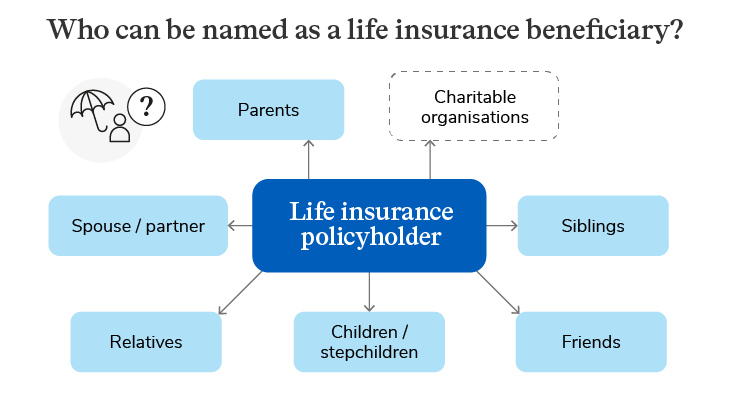
A beneficiary is the person or people who will get the life insurance money when the insured person dies. You can name one person, many people, or even an organization as your beneficiary. Usually, people name their spouse, children, or other close family members.

There are two main types:
- Primary beneficiary: The first person(s) in line to get the money.
- Contingent beneficiary: The backup person(s), who get the money if the primary beneficiary has died.
Naming both types is important. If you only name a primary beneficiary, and that person dies first, it can make things more complicated.
What Happens If The Beneficiary Dies Before The Policyholder?
If the primary beneficiary dies before you, what happens next depends on your policy setup. Here are the main possibilities:
- Contingent beneficiary exists: The insurance company pays the money to the contingent beneficiary. This is the best case, and things usually go smoothly.
- No contingent beneficiary named: The money goes to your estate (all your property and money). This means it will be handled by your will or by state law if you have no will.
- Beneficiary dies at the same time: If you and your beneficiary die together (for example, in a car crash), most policies have a rule to decide who is treated as having died first. This is called the simultaneous death clause.
Here is a simple table to show these situations:
| Situation | Who Gets the Money? |
|---|---|
| Primary beneficiary alive | Primary beneficiary |
| Primary beneficiary deceased, contingent alive | Contingent beneficiary |
| No living beneficiaries | Policyholder’s estate |
| Simultaneous death | Decided by policy’s clause |
Many people think the insurance money will always go to their loved ones, but if you do not check your beneficiaries, this may not happen.
What If The Beneficiary Dies After The Policyholder?
This is a little different. If the beneficiary is alive when the insured person dies, but then dies before claiming the money, the payment usually goes to the beneficiary’s estate. The insurance company may need to see proof of both deaths and work with the courts to decide who gets the money.
It is important for families to act quickly and file claims soon after the policyholder dies. Delays can make the process longer and more difficult.
Common Mistakes People Make
Many people forget to update their policy after big life changes, like marriage, divorce, or the death of a loved one. Here are some mistakes to avoid:
- Not naming a contingent beneficiary: If your main beneficiary dies before you, the backup will get the money. Without a contingent, things get complicated.
- Not updating after life events: If a beneficiary dies or relationships change, update your policy right away.
- Naming a minor child without a guardian: Insurance companies cannot give money directly to children. You must name a trusted adult or set up a trust.
- Not checking the policy often: Review your beneficiaries every year or after any big change in your life.
Here is a comparison table showing what happens with and without regular updates:
| With Regular Updates | Without Updates |
|---|---|
| Money goes to the right person | Money may go to estate or wrong person |
| Faster payout to loved ones | Delays and legal problems |
| Less stress for family | Possible family arguments |

How To Update Your Life Insurance Beneficiary
Changing your beneficiary is not hard, but you must do it the right way. Here’s how:
- Contact your insurance company: Ask for a change of beneficiary form.
- Fill out the form carefully: Write the full name, relationship, and share of money for each person.
- Consider a contingent beneficiary: Always list a backup.
- Send back the form: Some companies let you do this online; others need a paper form.
- Check for confirmation: Make sure your insurance company sends you a letter or email to confirm the change.
A practical tip: Keep a copy of your latest beneficiary form with your important documents. Tell a trusted family member where to find it.
What If No One Is Alive To Get The Money?
If all named beneficiaries have died and you did not update your policy, the money will go to your estate. This means:
- The money may be used to pay off your debts.
- The process may take longer, as the court will decide who gets the money.
- Your loved ones may not get the help they need right away.
Every state has its own rules. Sometimes, if you do not have a will, state law decides who gets your money (usually your closest relatives).
Legal And Tax Issues
When a beneficiary is deceased, legal issues can slow things down. Insurance companies may need:
- Death certificates for both the insured and the beneficiary.
- Court documents to prove who should get the money.
The money from life insurance is usually tax-free for the beneficiary. But if it goes to the estate, it could be taxed more, especially if the estate is large. This means your family could get less money in the end.
Real-life Examples
Let’s look at two simple examples.
Example 1: Sarah named her husband as her primary beneficiary and her sister as contingent. Her husband died before her, but she forgot to update her policy. When Sarah died, the insurance company paid the money to her sister without problems.
Example 2: John named his wife as his only beneficiary. She died before him, but John never updated his policy or named a backup. When John died, the money went to his estate. It took over a year for his family to get the money, and they had to pay some extra taxes.
Many people do not realize how common these situations are. In the United States, over 20% of life insurance policies have outdated beneficiary designations, according to industry studies.

Special Situations
Some policies have extra rules. For example:
- Per stirpes: If a beneficiary dies before you, their share goes to their children.
- Per capita: If a beneficiary dies, their share is divided among the other living beneficiaries.
Ask your insurance company what rules your policy uses. This can change what happens if a beneficiary is deceased.
Here is a table to show the difference:
| Policy Rule | What Happens If Beneficiary Is Deceased |
|---|---|
| Per stirpes | Beneficiary’s children get the share |
| Per capita | Other named beneficiaries split the share |
| No rule | Money goes to estate |
How To Avoid Problems
To make sure your life insurance helps your loved ones:
- Review your beneficiaries every year.
- Always name a contingent beneficiary.
- Update your policy after big life changes (marriage, divorce, new child, or death in family).
- Talk to your insurance agent for advice.
- Keep your policy and beneficiary forms in a safe place, and let your family know where they are.
A non-obvious tip: Some people set reminders in their phone or calendar to check their insurance policy once a year. This simple habit can save your family from stress and long delays.
Another thing beginners miss: If you have more than one policy, update all of them. Many people forget about old workplace policies.
Why You Should Act Now
Many families face problems because they do not update their life insurance. In some cases, families wait months or even years to get the money, or fight in court over who should receive it. These problems are easy to avoid with a little planning.
According to the American Council of Life Insurers, more than $1 billion in life insurance benefits go unclaimed every year. Often, the reason is missing or outdated beneficiary information. Do not let your policy become part of this statistic.
If you are not sure about your beneficiaries, call your insurance company or visit their website. They can help you check and update your information quickly.
When To Get Professional Help
Sometimes, life situations are complicated. For example:
- You want to leave money to a child or someone with special needs.
- You are not sure who to name as a backup.
- You own a business or have a large estate.
In these cases, talk to a financial advisor or lawyer. They can help you set up a trust or find the best way to protect your family’s future.
For more detailed information about life insurance and beneficiaries, you can visit the National Association of Insurance Commissioners.
Frequently Asked Questions
What Does “per Stirpes” Mean In Life Insurance?
Per stirpes is a legal term. If a beneficiary dies before the policyholder, their share goes to their children. For example, if you name your son as a beneficiary and he dies before you, his children will get his share.
Can I Name More Than One Beneficiary?
Yes, you can name as many beneficiaries as you want. You can also say what percent of the money each will get. For example, you can give 50% to your spouse and 25% each to two children.
What Documents Are Needed If A Beneficiary Is Deceased?
The insurance company will usually ask for:
- Death certificate of the policyholder
- Death certificate of the deceased beneficiary
- Claim form from the living beneficiaries or the estate
Does Life Insurance Always Avoid Probate?
If you name a living beneficiary, life insurance money usually goes directly to them and skips probate (the court process for wills). If there is no living beneficiary, the money goes to your estate and may go through probate.
How Often Should I Check My Beneficiary Information?
It is best to check your beneficiary information once a year or after any big life change, like marriage, divorce, birth of a child, or death in the family.
Taking a little time now to review your life insurance can make a big difference for your loved ones. Do not wait until it is too late—keep your beneficiary information up to date and give your family the help they may need in the future.