
Life Insurance For Women Over 30
Turning 30 is a big milestone in life. For many women, this decade brings new adventures—building careers, starting families, or buying homes. But it’s also a time when financial planning becomes more important. One area that’s often overlooked is life insurance. Many women think life insurance is only for older people, or they believe they don’t need it if they’re healthy. But the truth is, getting life insurance in your 30s can be one of the smartest moves you make for your future.
Let’s explore why life insurance matters for women over 30, what options are available, how to choose the right policy, and the most common questions women ask about this important topic.

Why Life Insurance Matters For Women Over 30
Life insurance is not just about preparing for the worst. It’s about protecting your loved ones and giving yourself peace of mind. Here are some key reasons why women in their 30s should seriously consider life insurance:
1. Financial Security For Family
If you have children, a spouse, or aging parents who depend on you, your income is important. Life insurance can help cover daily expenses, childcare, education costs, and even mortgage payments if something happens to you.
2. Debt Protection
Many women in their 30s have student loans, credit cards, or car payments. If you pass away, your debts could become a burden for your family—especially if you have co-signers. Life insurance can pay off these debts so your loved ones aren’t left struggling.
3. Growing Health Risks
While most women in their 30s are healthy, health risks can increase with age. Getting life insurance while you’re still healthy can lock in lower rates and ensure coverage even if your health changes later.
4. Peace Of Mind During Life Changes
Marriage, having children, or even starting a business can change your financial responsibilities. Life insurance provides a safety net during these big life changes.
5. Building Wealth
Some types of life insurance can help you save money or invest for the future, not just protect against loss.
Types Of Life Insurance For Women Over 30
Understanding the different types of life insurance is key to making a smart choice. Here are the main types most women consider:
Term Life Insurance
Term life insurance is simple and affordable. You choose a period—like 10, 20, or 30 years—and pay a monthly premium. If you pass away during that term, your family receives a payout.
Pros:
- Lower cost compared to other types
- Flexible terms
- Good for covering temporary needs (like raising children)
Cons:
- No payout if you outlive the term
- No cash value
Whole Life Insurance
Whole life insurance lasts your entire life, as long as you pay the premiums. It’s more expensive but builds cash value over time, which you can borrow against.
Pros:
- Lifelong coverage
- Builds cash value
- Fixed premiums
Cons:
- Higher cost
- May not be necessary for everyone
Universal Life Insurance
Universal life insurance is a flexible type of permanent insurance. You can adjust your premiums and coverage over time. It also builds cash value.
Pros:
- Flexible payments
- Lifetime coverage
- Potential to grow cash value
Cons:
- More complex
- Can be more costly if not managed well
Comparison Of Policy Types
Here’s a quick comparison to help you see the differences:
| Type | Coverage Length | Cash Value | Cost | Best For |
|---|---|---|---|---|
| Term Life | 10–30 years | No | Low | Temporary needs |
| Whole Life | Lifetime | Yes | High | Lifelong coverage & savings |
| Universal Life | Lifetime | Yes | Medium–High | Flexible needs |
Key Factors When Choosing Life Insurance
Selecting the right policy isn’t just about picking the cheapest option. Here are some important things to consider:
Your Financial Goals
Ask yourself: What do you want your policy to do? If you only need coverage until your kids are grown, term life might be enough. If you want to leave an inheritance or build savings, whole or universal life could be better.
Your Health And Lifestyle
Insurance companies look at your age, health history, smoking status, and sometimes even your hobbies. Women who are in good health can usually get lower rates. If you have a family history of certain illnesses, it’s smart to get coverage while you’re healthy.
Your Budget
It’s important to choose a policy you can afford. Don’t overextend yourself for extra features you may not need. Many women find that starting with a simple term policy and adding more coverage later works well.
Beneficiaries
Think carefully about who you want to receive your payout. This could be a spouse, children, or even a charity. Make sure to update this if your life situation changes.
Optional Riders
Many policies offer riders—add-ons like critical illness coverage, disability waivers, or child term coverage. Riders can be useful, but each one raises your premium. Only choose ones that fit your needs.
How Much Coverage Do Women Over 30 Need?
The right amount of coverage is different for everyone. A common rule of thumb is to have 10–15 times your annual income in coverage, but your personal situation matters more. Here’s a step-by-step way to estimate your needs:
- Add Up Your Debts: Include mortgage, student loans, credit cards, and any other debts.
- Estimate Family Expenses: Think about living costs, childcare, future education needs, and healthcare.
- Consider Future Plans: Do you want to fund your children’s college? Support aging parents?
- Check Existing Assets: Don’t forget savings, employer-provided life insurance, or other investments.
Let’s look at a simple example. Imagine you earn $60,000 a year and want to cover 10 years of living expenses for your family, plus a $200,000 mortgage and $30,000 in other debts.
- 10 years income: $600,000
- Mortgage: $200,000
- Other debts: $30,000
Total coverage needed: $830,000
Cost Of Life Insurance For Women Over 30
Many women are surprised to find out how affordable life insurance can be in their 30s. Rates depend on age, health, coverage amount, and type of policy.
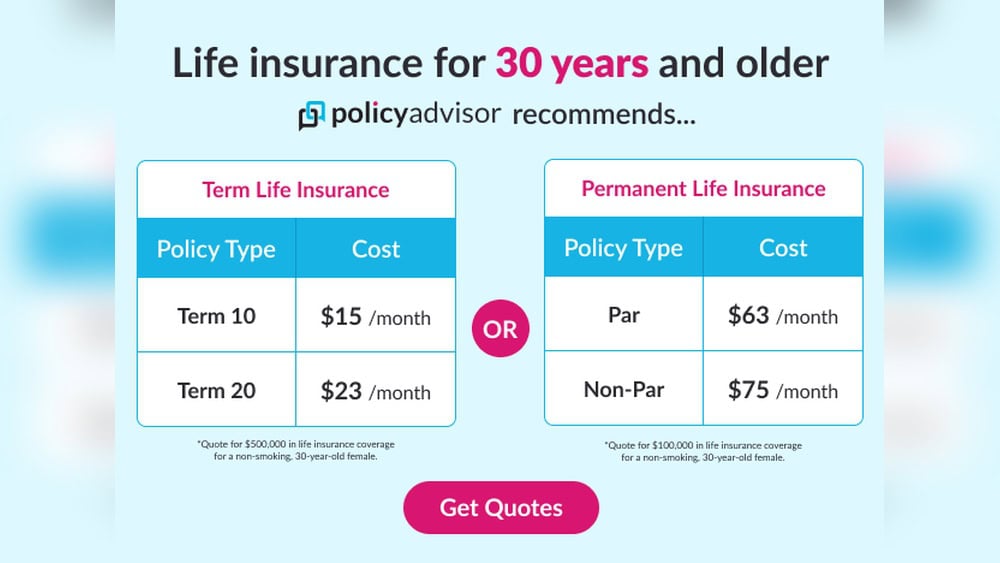
Below is a sample of average monthly costs for a healthy, non-smoking woman in her 30s (for a $500,000, 20-year term policy):
| Age | Monthly Premium |
|---|---|
| 30 | $20–$25 |
| 35 | $23–$30 |
| 39 | $28–$36 |
Tip: Rates increase with age, so buying earlier can save money. Also, health issues or lifestyle changes can make coverage more expensive or harder to get.
Common Mistakes To Avoid
When shopping for life insurance, women often make a few common mistakes. Avoid these to get the best value:
- Waiting Too Long: Premiums go up as you age, and new health problems can make you uninsurable.
- Relying Only on Employer Coverage: Many jobs offer some life insurance, but it’s usually not enough and you lose it if you leave the job.
- Not Reviewing Coverage: Life changes—like marriage, divorce, or new children—mean your policy should be updated.
- Underestimating Needs: Costs like child care, future education, or even funeral expenses can add up quickly.
- Ignoring Policy Details: Always read the fine print, especially about exclusions or changes in premiums.
Special Considerations For Women
Women face some unique challenges and opportunities with life insurance:
Longer Life Expectancy
Women usually live longer than men. This means your policy needs to last, especially if you want to provide for loved ones late in life.
Pregnancy And Maternity
If you’re planning to have children, it’s best to get coverage before pregnancy. Some insurers may delay or raise rates if you apply while pregnant, especially if there are complications.
Single Mothers
Single mothers often need more coverage, since they may be the only source of financial support. A larger policy can protect children’s futures.
Breadwinner Or Stay-at-home Parent
Even if you don’t earn an income, your work at home has value. Life insurance can help cover the cost of childcare, housework, or other services your family would need.
How To Buy Life Insurance: Step-by-step
- Assess Your Needs: Use the steps above to estimate how much coverage you need.
- Research Providers: Look for companies with strong financial ratings and good customer service.
- Get Quotes: Compare prices for similar coverage from several companies.
- Apply: Fill out the application and be ready to answer questions about your health and lifestyle.
- Medical Exam: Most companies require a simple health check, but some offer “no-exam” policies for higher rates.
- Review and Sign: Read the policy carefully before signing. Make sure you understand the terms, premiums, and any exclusions.
- Update as Needed: Review your coverage every few years or after major life changes.
Extra Tips For Saving Money
- Bundle Policies: Some companies offer discounts if you buy home, auto, or life insurance together.
- Improve Your Health: Quitting smoking, losing weight, or managing chronic conditions can lower your premiums.
- Pay Annually: Some insurers give a discount if you pay once a year instead of monthly.
- Ask About Discounts: Some professions or memberships (like teachers or nurses) may qualify for lower rates.
Real-world Example
Maria, age 34, is a single mom with two young children. She earns $50,000 a year and has a $150,000 mortgage. She chooses a 20-year term life policy for $700,000. Her premium is $27 per month. If something happens to her, her kids will have money for living expenses and college.
By buying in her early 30s, Maria locked in a low rate—if she waited, it could have cost much more.
Frequently Asked Questions
What Happens If I Outlive My Term Life Policy?
If you outlive your term life policy, the coverage ends and no payout is made. You can renew the policy, buy a new one, or sometimes convert it to a permanent policy. Keep in mind that renewal costs are usually higher as you age.
Is Life Insurance More Expensive For Women Than Men?
No, life insurance is often less expensive for women because women typically live longer than men. This means insurers expect to pay out less often or later in life, so premiums for women are usually lower.
Can I Get Life Insurance If I Have A Pre-existing Health Condition?
Yes, but it may be more expensive or have certain exclusions. Some companies are more flexible than others, so it’s smart to shop around. It’s also important to be honest on your application; hiding information can cause your policy to be canceled.
Do I Need Life Insurance If I’m Single With No Children?
You might still want life insurance to cover debts, funeral costs, or to support aging parents. Some women also use it to leave a gift to a charity or loved one. Buying young can also lock in lower rates in case your situation changes later.
How Do I Know If An Insurance Company Is Trustworthy?
Check the company’s financial ratings from agencies like A.M. Best, Moody’s, or Standard & Poor’s. Read customer reviews and see if the company has a history of paying claims promptly. Resources like the National Association of Insurance Commissioners can help you compare providers.
Life insurance may seem complicated, but for women over 30, it’s a powerful way to protect your family and your future. Take the time to explore your options and find a policy that fits your needs. The peace of mind you’ll gain is well worth it.