
When someone buys life insurance, they expect the money to help their family or chosen people after they die. But sometimes, the life insurance payout goes to the person’s estate instead of a specific person. This situation can be confusing and may have big effects on how the money is used, who gets it, and how quickly it is paid out. Understanding what happens when life insurance goes to the estate can help you plan better and avoid common mistakes.
What Does “estate” Mean In Life Insurance?
The estate is all the assets someone owns at the time of their death. This includes property, money, investments, debts, and sometimes life insurance payouts. If a life insurance policy lists the estate as the beneficiary, or if there is no named beneficiary, the payout will become part of the estate.

For example, if John had a $200,000 life insurance policy but never updated the beneficiary after his wife died, or he named his estate as the beneficiary, the money will go into his estate. It will then be handled according to his will or, if there is no will, state laws.
How Life Insurance Usually Pays Out
Normally, a life insurance policy pays directly to the named beneficiary. This could be a spouse, child, friend, or even a charity. The process is simple: after the insured person dies, the beneficiary files a claim and receives the money, often within weeks.
But if the beneficiary is the estate, or there is no valid beneficiary, things change. The payout must go through the legal process called probate.
| Situation | Payout Speed | Who Receives Money |
|---|---|---|
| Named Beneficiary | Fast (2-6 weeks) | Person(s) named |
| Estate (No Beneficiary) | Slow (months or more) | Heirs or creditors |
Reasons Why Life Insurance Goes To The Estate
Life insurance can end up in the estate for several reasons:
- No named beneficiary: The policy owner forgot or never added a beneficiary.
- Beneficiary predeceased: The beneficiary died before the insured, and no replacement was named.
- Beneficiary not found: The insurance company cannot locate the beneficiary.
- Estate named on purpose: Sometimes, the policy owner chooses to name their estate.
Each reason can change how the money is handled and who gets it.
What Happens During Probate
When life insurance money goes to the estate, it must pass through probate. Probate is the legal process for reviewing a deceased person’s will and assets. This process can take several months, sometimes longer, especially if there are disputes or many assets.
During probate, the money from the insurance policy is used in this order:
- Pay debts and taxes: The estate pays any unpaid bills, loans, or taxes.
- Distribute to heirs: Any money left goes to heirs as listed in the will, or by state law if there is no will.
This process can delay the payout and may reduce the amount the heirs receive.
| Step | What Happens | Possible Delay |
|---|---|---|
| Probate filed | Will and assets reviewed | Weeks |
| Debts/taxes paid | Estate pays bills first | Months |
| Distribution | Heirs receive remainder | Varies |

Credit: piercelaw.com
Impact On Heirs And Beneficiaries
When life insurance goes to the estate, heirs may face several challenges:
- Delayed access: Heirs must wait for probate to finish before receiving any money.
- Reduced payout: Debts, taxes, and fees can lower the amount heirs get.
- Potential conflicts: If there are multiple heirs or disputes, probate can drag on and become costly.
For example, Sarah’s father died with a $150,000 life insurance policy. The money went to his estate, which had $50,000 in debts. After probate, Sarah and her brother split the remaining $100,000.
Estate Taxes And Life Insurance
One big concern is estate taxes. In the US, estates worth more than $12.92 million (as of 2023) may owe federal estate tax. Some states have lower thresholds or their own estate taxes.
If life insurance money goes directly to a beneficiary, it usually avoids estate taxes. But if the estate is the beneficiary, the payout may increase the estate’s value and trigger taxes.
Non-obvious insight: In some cases, even if the policy owner tries to avoid taxes by naming someone else, if they have “incidents of ownership” (like the ability to change beneficiaries or borrow against the policy), the IRS may still count the payout as part of the estate.
Creditors And Life Insurance
Another key issue is creditors. When a life insurance payout goes to the estate, creditors can claim part or all of the money to pay debts.
If the payout goes directly to a beneficiary, creditors usually cannot touch it (except in rare cases, like if the beneficiary is also a debtor).
This difference is important for people with large debts. Naming the estate as beneficiary can risk losing the insurance money to creditors.
Why Do Some People Name Their Estate?
Sometimes, people purposely name their estate as the beneficiary. Reasons include:
- Complex family situations: Unsure who should receive the money.
- Trust creation: Plan to use the estate to fund a trust for children or others.
- Lack of updates: Forget to change beneficiaries after divorce, death, or other events.
This choice may seem easier, but it often creates more problems for heirs.

Credit: dhtrustlaw.com
How To Avoid Life Insurance Going To The Estate
To avoid your life insurance payout going to the estate, follow these tips:
- Name primary and contingent beneficiaries: Always list a main beneficiary and at least one backup.
- Review regularly: Update your policy after major life events (marriage, divorce, birth, death).
- Check policy details: Some policies have rules about who can be named; understand them.
- Consider trusts: In complex situations, a trust can be a better solution.
Non-obvious insight: Many people forget that ex-spouses can stay as beneficiaries after divorce if not changed. This can lead to unwanted payouts or legal fights.
Comparing Estate Vs. Direct Beneficiary
Let’s compare what happens when life insurance goes to the estate versus a direct beneficiary:
| Factor | Estate | Direct Beneficiary |
|---|---|---|
| Speed | Slow (probate) | Fast |
| Creditor Access | Yes | No (usually) |
| Tax Risk | Higher | Lower |
| Control | May lose control | More control |
| Cost | Higher (fees) | Lower |
Real-life Example
Imagine Tom, age 60, had a $250,000 life insurance policy. He never updated his beneficiary after his wife died. When Tom passed, the money went to his estate. His estate had $40,000 in debts and $10,000 in legal fees. After probate, his two children received $100,000 each.
If Tom had named his children as beneficiaries, they would have received $125,000 each, quickly and without delays.
What To Do If Life Insurance Goes To The Estate
If you find yourself in this situation, here’s what to do:
- Contact the executor: The person managing the estate will file the claim and handle the process.
- Gather documents: Death certificate, policy details, will, and other paperwork will be needed.
- Understand the probate timeline: Ask the executor for an estimated timeline.
- Ask about debts and taxes: Find out if the estate owes anything; this affects your payout.
- Seek legal advice: If there are disputes or unclear situations, talk to a probate attorney.
Non-obvious insight: Even if you are not the executor, you can ask about the process and request updates. Many heirs wait passively, but being proactive can help.
Common Mistakes To Avoid
Some mistakes can make the process harder or reduce payouts:
- Forgetting to name beneficiaries
- Not updating after life events
- Ignoring creditor risk
- Assuming the process will be quick
- Not seeking legal help when needed
By avoiding these mistakes, you can protect your family and ensure the insurance money goes where you want.
Planning Ahead For Life Insurance
To make sure your life insurance helps your loved ones, keep these steps in mind:
- Review your policy every 2-3 years
- Name both primary and backup beneficiaries
- Talk to a financial advisor if your situation is complex
- Consider a trust for minor children or special needs
You can find more information on estate planning and life insurance from official sites like IRS.gov.
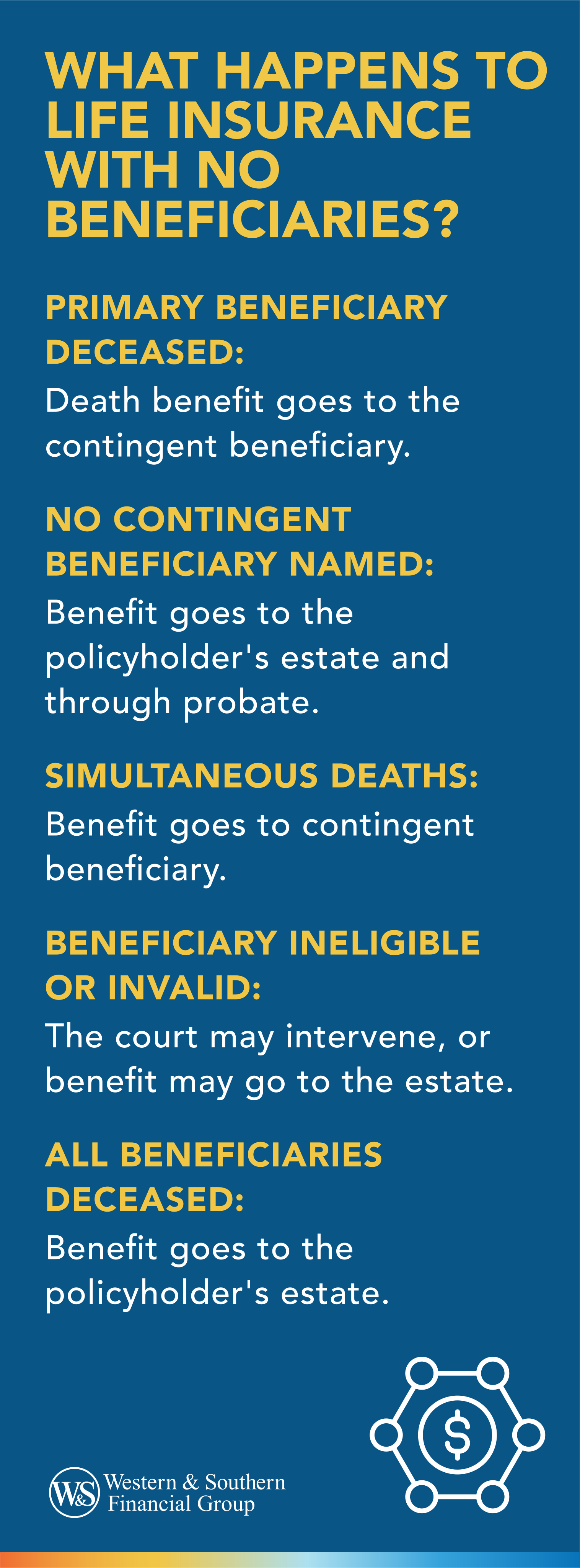
Credit: www.westernsouthern.com
Frequently Asked Questions
What Is Probate, And Why Does It Slow Down The Life Insurance Payout?
Probate is the legal process for handling someone’s assets after death. It includes reviewing the will, paying debts, and distributing assets. When life insurance goes to the estate, the money must wait for probate to finish, which can take months or even a year.
Can Creditors Take Life Insurance Money If It Goes To The Estate?
Yes. If the payout is part of the estate, creditors can claim the money to pay debts. If the money goes directly to a named beneficiary, creditors usually cannot access it.
Does Life Insurance Money Increase Estate Taxes?
If life insurance goes to the estate, it increases the total estate value. This can trigger estate taxes if the value is above federal or state limits. If paid directly to a beneficiary, it usually does not count toward estate taxes.
What Happens If There Is No Will?
When there is no will, state laws decide who receives the estate assets, including life insurance money. This process can take longer and may not match the deceased’s wishes.
How Can I Make Sure My Life Insurance Does Not Go To My Estate?
Always name a primary and backup beneficiary on your policy. Review and update after major life events. If you need help, talk to your insurance company or a financial advisor.
Understanding what happens when life insurance goes to the estate can help you make better decisions for your loved ones. With careful planning, you can avoid delays, reduce costs, and ensure your family receives the support you intended.