
Life insurance is a powerful tool for protecting your loved ones and your finances. Many people think of it as just another financial product, but its true value goes much deeper. When you understand the main features of life insurance, you can make smarter choices for your family’s future.
Today, let’s break down the key parts of life insurance, including practical details, real examples, and useful comparisons. If you’re new to this topic, you’ll discover insights that most beginners miss.

What Is Life Insurance?
At its core, life insurance is a contract between you and an insurance company. You pay regular amounts, called premiums, and in return, the company promises to pay a lump sum—called the death benefit—to your chosen people (beneficiaries) if you die during the policy period. This money can help cover funeral costs, pay debts, or support your family’s living expenses.
There are several types of life insurance, but all share some common features. Understanding these features will help you decide what kind of policy fits your needs.
The Key Features Of Life Insurance
Let’s explore the main features that make life insurance unique.
1. Death Benefit
The death benefit is the primary feature. It’s the amount paid to your beneficiaries if you die while the policy is active. Most people choose this amount based on their family’s needs. For example, if your family depends on your income, you may select a higher death benefit.
Example:
If you buy a policy with a $250,000 death benefit, your family will receive $250,000 if you pass away during the coverage period.
2. Premiums
Premiums are the payments you make to keep your life insurance active. They can be paid monthly, quarterly, or yearly.
Factors Affecting Premiums:
- Age: Younger people usually pay less.
- Health: Healthier people get lower rates.
- Policy Type: Term life is often cheaper than whole life.
Common Mistake:
Many beginners forget to compare premiums for different policy types. Whole life insurance is often much more expensive than term life, but it offers extra benefits.
3. Policy Term
The policy term is the length of time your coverage lasts. There are two main types:
- Term life insurance: Covers you for a set period (10, 20, or 30 years)
- Permanent life insurance: Lasts your whole life as long as you pay premiums
Example:
If you buy a 20-year term life policy, you’re covered for 20 years. If you die during this period, your family gets the death benefit. If you outlive the term, the coverage ends.
4. Beneficiaries
A beneficiary is the person (or people) who will receive the death benefit. You can name one or several beneficiaries, and you can change them anytime.
Practical Tip:
Always update your beneficiaries after major life events, like marriage or the birth of a child. Many people forget, leaving benefits to outdated contacts.
5. Cash Value
Some types of life insurance, like whole life or universal life, build up a cash value over time. This is a savings component that grows tax-deferred. You can borrow against it or even withdraw it, but it reduces the death benefit.
Example:
If your whole life policy has $10,000 in cash value, you can take a loan for emergencies. However, if you don’t repay, your family will get less when you die.
6. Riders
Riders are extra features you can add to your policy. They allow you to customize your coverage.
Common Riders:
- Accidental death rider: Extra payout if you die in an accident
- Waiver of premium rider: Premiums are waived if you become disabled
- Child term rider: Covers your children for a small extra cost
Many beginners overlook riders, but they can add helpful protection for a small fee.
7. Underwriting
Underwriting is the process insurers use to decide your risk level. They look at your health, age, and lifestyle. This affects your premium and whether you can get coverage.
Insight:
Some policies offer “no medical exam” options, but these are usually more expensive and have lower coverage.
8. Policy Loans And Withdrawals
Permanent policies let you borrow against the cash value. Loans are usually low interest, but unpaid amounts reduce the death benefit.
Table: Comparison Of Policy Loans
| Feature | Term Life | Whole Life |
|---|---|---|
| Loan Availability | No | Yes |
| Interest Rate | N/A | 5–8% |
| Reduces Death Benefit? | N/A | Yes |
9. Tax Benefits
Life insurance offers several tax advantages. The death benefit is usually tax-free for beneficiaries. Cash value grows tax-deferred, meaning you pay no taxes on gains until you withdraw.
Example:
If your policy’s cash value grows from $5,000 to $7,000, you pay no taxes on this increase unless you take the money out.
10. Policy Renewal And Conversion
Renewal lets you extend your policy after the term ends, usually at a higher premium. Conversion allows you to switch term life to permanent life without a medical exam.
Table: Renewal Vs. Conversion
| Feature | Renewal | Conversion |
|---|---|---|
| Extends Coverage? | Yes | Yes |
| Requires Medical Exam? | Sometimes | No |
| Premiums Increase? | Yes | Yes (permanent rates) |

Credit: bankofbaroda.bank.in
Types Of Life Insurance: Comparing Features
There are several types of life insurance. Each has its own set of features.
Term Life Insurance
- Covers a specific time (10, 20, 30 years)
- No cash value
- Lower premiums
- Simple to understand
Whole Life Insurance
- Covers your entire life
- Builds cash value
- Higher premiums
- Level premiums (stay the same)
Universal Life Insurance
- Flexible premiums
- Flexible death benefit
- Builds cash value
- Can adjust coverage and payments
Table: Key Differences
| Feature | Term Life | Whole Life | Universal Life |
|---|---|---|---|
| Coverage Period | Fixed term | Lifetime | Lifetime |
| Cash Value | No | Yes | Yes |
| Premiums | Low | High | Variable |
| Flexibility | Low | Low | High |
Choosing The Right Life Insurance
Choosing the right policy depends on your goals and situation. Here are a few points to consider:
- Financial Needs: Calculate how much your family will need to live comfortably.
- Budget: Decide what you can afford for premiums.
- Duration: If you need coverage for a specific period (like until your kids finish school), term life may be best.
- Investment Component: If you want savings, consider whole life or universal life.
- Flexibility: Universal life offers more options for changing coverage.
Two Non-obvious Insights
- Many people forget that term life insurance can be converted to permanent life, even if their health changes later. This is a valuable safety net.
- Cash value in permanent policies can be used for retirement or emergencies, but if you borrow too much, your policy may lapse. Always monitor your loans and withdrawals.
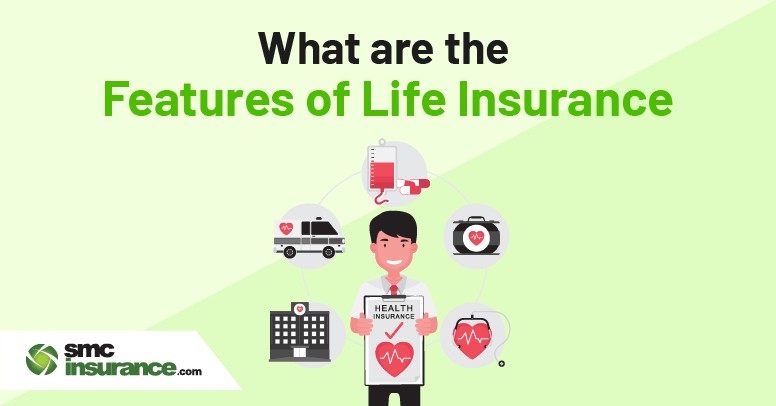
Credit: www.smcinsurance.com
Common Mistakes When Buying Life Insurance
- Underestimating Needs: People often buy too little coverage. Consider debts, children’s education, and future living costs.
- Ignoring Health Changes: If your health improves, you may qualify for lower premiums. Ask your insurer about re-evaluating your rates.
- Not Comparing Policies: Always compare multiple insurers and policy types. Prices and features vary widely.
- Forgetting to Update Beneficiaries: Life events like marriage or divorce should trigger a review of your beneficiary list.
- Skipping Riders: Useful riders like “waiver of premium” can protect you if you become disabled.
Practical Examples
- A single parent with two children may choose a 20-year term policy with a high death benefit to cover education and living costs.
- A business owner may use whole life insurance to protect the company’s finances, build cash value, and plan for succession.
Who Should Consider Life Insurance?
Life insurance is helpful for many people, including:
- Parents with young children
- People with dependents (elderly parents, disabled family)
- Homeowners with a mortgage
- Business owners
- Anyone wanting to leave money for funeral expenses
If you don’t have dependents or debts, you might not need coverage. But even single people can use life insurance for charitable giving or business planning.
How Much Coverage Do You Need?
Experts often suggest coverage of 10–15 times your annual income. For example, if you earn $40,000, you might need $400,000–$600,000 in coverage. But you should also consider debts, mortgage, and future expenses.
Life Insurance In Real Numbers
According to the Insurance Information Institute, the average annual premium for a $500,000, 20-year term policy for a healthy 35-year-old is about $350–$500. Permanent life policies for the same person can cost $2,000–$3,000 per year.
For more detailed statistics and trends, visit the Insurance Information Institute.
Frequently Asked Questions
What Is The Difference Between Term And Whole Life Insurance?
Term life insurance covers you for a set period, like 10 or 20 years. If you die during this time, your beneficiaries get the payout. Whole life insurance covers your entire life and includes a savings part called cash value.
Are Life Insurance Payouts Taxable?
Usually, the death benefit paid to your beneficiaries is tax-free. However, cash value withdrawals or policy loans may have tax consequences if not handled correctly.
Can I Buy Life Insurance Without A Medical Exam?
Yes, some insurers offer no-exam policies. These are faster to get but usually cost more and have lower coverage amounts. This option is good if you need coverage quickly or have health issues.
How Do I Name Beneficiaries?
You choose your beneficiaries when you buy the policy. You can name individuals, organizations, or trusts. It’s important to update this list after major life changes.
What Happens If I Miss A Premium Payment?
Most policies offer a grace period (usually 30 days) to pay missed premiums. If you don’t pay within this time, your policy may lapse and you lose coverage.

Credit: www.emerywebb.com
Final Thoughts
Life insurance is more than just a financial product—it’s a promise to protect those you care about. By understanding the main features, you can choose the right policy for your needs and avoid common mistakes. Remember to review your coverage regularly, consider riders for extra protection, and think about the future needs of your loved ones.
With careful planning, life insurance can bring peace of mind and lasting security.