

Is Life Insurance Worth It For A Single Person?
Many people think about life insurance only when they get married or have children. But is life insurance important for a single person? If you don’t have dependents, does it still make sense to pay for a policy? Let’s explore the reasons, data, and real examples to help you decide if life insurance is worth it for you as a single person.
What Is Life Insurance?
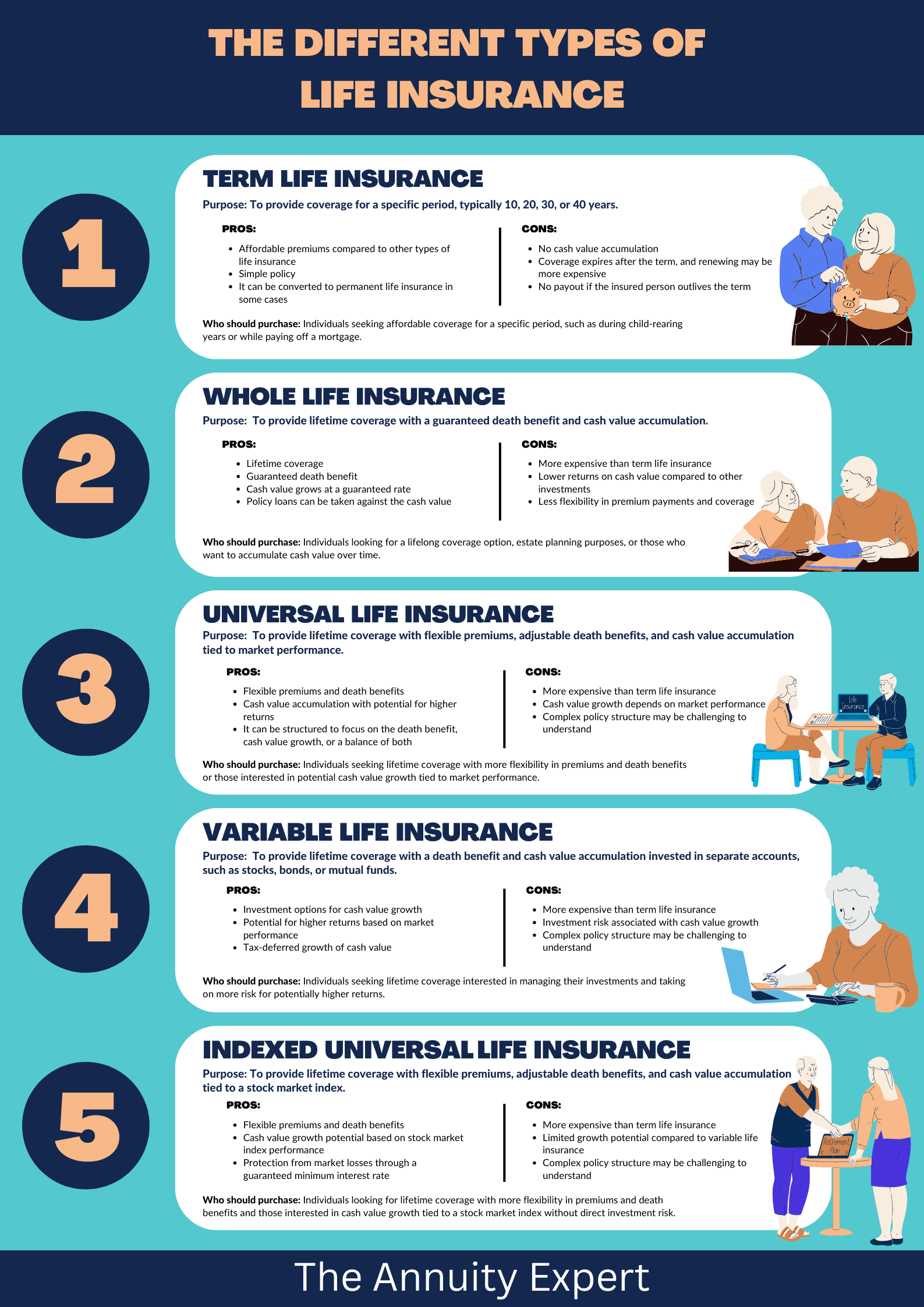
Life insurance is a contract where you pay a premium to an insurance company. If you die during the policy term, your chosen beneficiary gets a lump sum payout. The main types are term life insurance (coverage for a set period, usually 10–30 years) and whole life insurance (coverage for your entire life, plus a cash value component).

For single people, the main question is: Who would benefit if you pass away? If no one depends on your income, life insurance may seem unnecessary. But there are situations where having coverage could still be smart.
Common Reasons Single People Buy Life Insurance
Covering Debts
If you have student loans, credit card debt, or a mortgage, someone may need to pay these off after you die. Federal student loans in the US are forgiven at death, but private loans and other debts may not be. If your parents or someone else cosigned your loans, they could be responsible.
Supporting Aging Parents Or Siblings
Some single people help their parents or siblings financially. If you send money home or pay for a parent’s medical costs, life insurance can replace your support if you die unexpectedly.
Covering Funeral Costs
Funerals in the US cost an average of $7,000–$12,000. Without life insurance, your family may struggle to pay for your burial or memorial. Even if you don’t have dependents, life insurance can cover these costs.
Leaving A Legacy
You may want to leave money to a charity, friend, or niece/nephew. Life insurance can make sure you leave something meaningful behind.
Protecting Business Interests
If you own a business or have partners, life insurance can help cover business debts or buy out your share if you pass away.
When Life Insurance May Not Be Needed
Life insurance isn’t always necessary for single people. If you:
- Have no debts or cosigners
- Don’t support anyone financially
- Have enough savings for funeral costs
- Don’t own a business or have special legacy goals
Then you may not need coverage. Instead, focus on building an emergency fund or investing.
Comparing Costs And Benefits
How much does life insurance cost for a single person? Let’s look at a sample comparison.
| Age | Term Life (20 yrs, $250,000) | Whole Life ($250,000) |
|---|---|---|
| 25 | $13/month | $145/month |
| 35 | $16/month | $190/month |
| 45 | $32/month | $290/month |
Term life insurance is much cheaper. For single people, term life usually makes more sense unless you have a specific need for lifetime coverage.
Who Should Be Your Beneficiary?
Choosing a beneficiary is important. You can pick anyone—family, friend, charity, or business partner. If you don’t name a beneficiary, the payout goes to your estate, which can cause delays and legal issues.
Some single people choose:
- Parents (if they’re cosigners or need support)
- Siblings (especially if you help them financially)
- Charities (for legacy giving)
- Business partners (for buy-sell agreements)
Real Examples: When Life Insurance Helped Single People
Case 1: A 28-year-old single woman had private student loans cosigned by her mother. She died in a car accident. Her life insurance paid off the loans, so her mother did not have to cover the debt.
Case 2: A single man supported his younger brother’s college costs. After he passed away, his life insurance allowed his brother to finish school without financial stress.
Case 3: A single entrepreneur died suddenly. His life insurance payout helped his business partner buy out his share and keep the company running.
These examples show how life insurance can be useful even without traditional dependents.
What Happens If You Don’t Have Life Insurance?
If you die without life insurance, your debts, funeral costs, and financial support may become burdens for others. If you have savings, that can help. But many young single people don’t have enough saved to cover unexpected costs.
Let’s compare typical costs and savings.
| Expense | Average Cost | Typical Savings (Age 25–35) |
|---|---|---|
| Funeral | $9,000 | $4,300 |
| Student Loans | $20,000 | $4,300 |
| Credit Card Debt | $5,700 | $4,300 |
In many cases, savings are not enough to cover these costs.
Single People And Employer Life Insurance
Many jobs offer group life insurance. Coverage is often $25,000–$50,000. This may be enough for basic funeral costs, but not for debts or supporting family. Employer policies usually end when you leave the job. If you want long-term coverage, consider buying your own policy.

Credit: www.annuityexpertadvice.com
Life Insurance As An Investment: Is It Smart?
Some people buy whole life insurance for its cash value feature. This can grow over time and be used for loans or withdrawals. For single people, this is rarely the best investment. Investing in retirement accounts or stocks usually gives better returns.
But there are exceptions. If you want guaranteed growth or have health issues that limit other investments, whole life can make sense.
Non-obvious Insights Most Beginners Miss
- Life insurance rates depend on health and age. If you buy when you’re young and healthy, premiums are much lower. Waiting until you’re older or have health problems can make insurance expensive or impossible to get.
- Naming a beneficiary is not automatic. If you don’t update your beneficiary after life changes (like family deaths or new relationships), the payout may go to the wrong person or to your estate, causing delays and taxes.
Mistakes Single People Make With Life Insurance
- Buying expensive whole life insurance without a clear need
- Not naming or updating beneficiaries
- Forgetting about debts with cosigners
- Relying only on employer coverage, which may end if you change jobs
- Overestimating how much coverage is needed
Pros And Cons Of Life Insurance For Single People
Let’s summarize with a quick comparison.
| Pros | Cons |
|---|---|
| Protects cosigners and loved ones | Monthly premium costs |
| Covers funeral expenses | May be unnecessary without dependents |
| Can leave a legacy or donation | Some policies are complex |
| Business protection | Whole life can be expensive |
How To Decide If You Need Life Insurance
Ask yourself these questions:
- Do I have debts with cosigners?
- Does anyone depend on my income (parents, siblings)?
- Do I want to leave money to someone or a charity?
- Do I own a business or have partners?
- Do I have enough savings for funeral costs?
If you answer yes to any, consider term life insurance. If not, you may not need coverage right now.
How Much Coverage Should You Buy?
Most experts suggest enough coverage to:
- Pay off debts with cosigners
- Cover funeral and burial costs
- Replace financial support for a few years
For single people, $50,000–$250,000 is usually enough. The amount depends on your debts and goals.
Credit: www.annuityexpertadvice.com
Buying Life Insurance: Steps For Single People
- Calculate your needs. Add up debts, funeral costs, and support you provide.
- Choose the right type. Term life is usually best for singles.
- Shop around. Compare quotes from multiple companies.
- Check your health. Insurance is cheaper when you’re young and healthy.
- Pick a beneficiary. Decide who should get the payout.
- Review your policy yearly. Update coverage and beneficiaries as your life changes.
Alternatives To Life Insurance
If you don’t need life insurance, focus on building savings and investing. Open a high-yield savings account or invest in an IRA or 401(k) for long-term growth. These options can help you cover emergencies and prepare for the future.
Important Data And Trends
- In 2023, 29% of single adults in the US had life insurance (LIMRA).
- Most single policyholders bought coverage to protect family from debts or funeral costs.
- The average term life policy for singles is $100,000.
- Younger buyers (age 20–30) pay the lowest rates, but only 18% have coverage.
Frequently Asked Questions
Should Single People Buy Life Insurance?
Single people should buy life insurance if they have debts with cosigners, support family, want to cover funeral costs, or leave a legacy. If none of these apply, coverage may not be needed.
What Type Of Life Insurance Is Best For Singles?
Term life insurance is usually best. It’s affordable and covers you for a set period. Whole life is more expensive and often unnecessary unless you have special goals.
How Much Coverage Should A Single Person Have?
Enough to cover debts, funeral costs, and any financial support. For most singles, $50,000–$250,000 is enough. Calculate your exact needs before buying.
Can I Change My Life Insurance Beneficiary?
Yes, you can change your beneficiary at any time. Always update it after major life changes to make sure the payout goes to the right person.
Is Employer Life Insurance Enough?
Employer coverage is often limited and ends when you leave the job. If you need long-term coverage or higher amounts, consider buying your own policy.
Life insurance can be valuable for single people in certain situations. The key is to review your debts, financial support, and goals. If you want more details, check out the LIMRA life insurance research for current trends and stats. Always make your decision based on your own needs, and review your coverage as your life changes.

Credit: amfilife.com