
The life insurance industry faces unique challenges when it comes to anti-money laundering (AML). Unlike banks, life insurers often deal with long-term policies, large sums of money, and complex beneficiary structures. This makes them attractive targets for criminals seeking to hide illegal funds. But with the right AML practices, insurers can protect themselves and their clients. Here’s a practical guide to AML best practices for the life insurance sector, packed with actionable advice, real examples, and useful comparisons.
Why Aml Matters In Life Insurance
Money laundering is not just a banking problem. Life insurance products, especially those with investment or cash value, can be used to disguise the source of funds. According to the Financial Action Task Force (FATF), the insurance sector is a major risk point for money laundering, especially for products that allow early surrender, large lump-sum payments, or international transfers.

Failure to follow AML rules can lead to:
- Heavy fines and sanctions
- Reputational damage
- Loss of business licenses
For example, in 2022, a global insurer paid over $20 million in fines for poor AML controls related to life insurance policies. This shows that regulators are serious about enforcement.
Key Aml Risks For Life Insurers
Understanding the main risks is the first step to strong AML controls. Life insurance companies face risks such as:
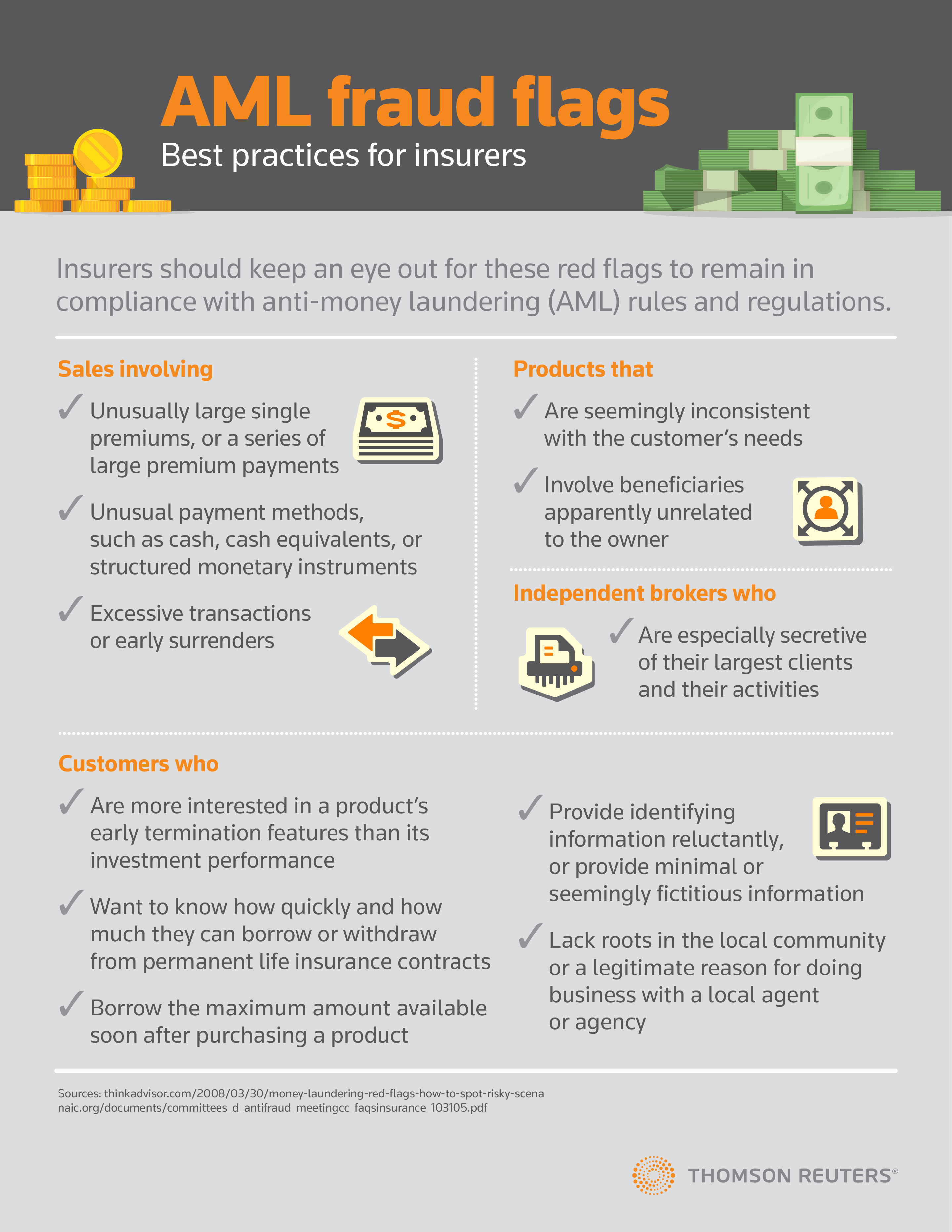
- Large Single Premium Payments: Criminals may buy policies with big lump sums to clean dirty money.
- Early Policy Surrender: Rapid withdrawals or cancellations can be used to move funds.
- Complex Beneficiary Structures: Policies with many beneficiaries or trusts can hide the real owner.
- International Transfers: Cross-border payments are harder to trace.
- Third-Party Payments: Payments from unrelated parties may signal suspicious activity.
Here is a comparison of common risk indicators:
| Risk Indicator | Banking Sector | Life Insurance |
|---|---|---|
| Large Cash Deposits | Frequent | Less common |
| Complex Beneficiaries | Rare | Frequent |
| International Transfers | Common | Increasing |
| Early Surrender | N/A | High risk |
Building A Strong Aml Program
A robust AML program needs more than just policies. It requires clear procedures, good technology, and well-trained staff.
Customer Due Diligence (cdd)
Customer due diligence is the foundation of AML. Life insurers must collect and verify information about clients before issuing a policy. This includes:
- Full name and address
- Date of birth
- Source of funds
- Beneficiary details
Some insurers use enhanced due diligence (EDD) for high-risk cases, such as politically exposed persons (PEPs) or large premium payments.
Transaction Monitoring
Monitoring policy activity is crucial. Insurers should set up systems to:
- Flag unusual premium payments
- Track early surrender requests
- Watch for rapid changes in beneficiaries
A modern AML monitoring system uses rules and machine learning to spot suspicious patterns. For example, if a customer makes several large premium payments and then cancels the policy, it could trigger an alert.
Record Keeping
Regulators expect insurers to keep records for at least five years. This includes:
- Client identification
- Transaction history
- Suspicious activity reports (SARs)
Proper record keeping helps during audits and investigations.
Staff Training
All staff, from agents to underwriters, need regular AML training. This includes:
- Recognizing red flags
- Reporting suspicious activity
- Understanding legal responsibilities
Training should be tailored to different roles. For example, agents need to know how to spot unusual client behavior, while compliance officers need advanced AML knowledge.
Advanced Aml Tools And Technology
Technology is changing how insurers fight money laundering. Automated systems, artificial intelligence, and blockchain are making AML more efficient.
Automated Screening
Automated tools can screen clients against sanctions lists, PEP databases, and watchlists. This reduces manual work and catches more risks.
Ai And Machine Learning
AI can analyze huge amounts of data to find hidden patterns. For example, machine learning might spot that a group of policies is being surrendered at the same time, suggesting organized crime.
Blockchain For Transparency
Some insurers are exploring blockchain to track policy changes and payments. This creates a clear, unchangeable record.
Here’s a comparison of traditional and advanced AML tools:
| Tool | Traditional | Advanced |
|---|---|---|
| Screening | Manual checks | Automated databases |
| Transaction Monitoring | Rule-based | AI-driven |
| Record Keeping | Papers/files | Digital/cloud |
| Reporting | Manual SARs | Automated alerts |
Practical Steps For Effective Aml
To build a strong AML culture, life insurers should:
- Develop Clear Policies: Write policies that match the risks of your products.
- Use Risk-Based Approach: Focus resources on high-risk areas, such as large premium policies.
- Regularly Update Procedures: Laws change often—review and adjust your AML rules every year.
- Invest in Training: Make training part of your onboarding and annual refreshers.
- Leverage Technology: Use modern tools for screening and monitoring.
- Collaborate with Authorities: Stay in touch with regulators and share suspicious activity reports promptly.
A common mistake is copying bank AML rules without adapting them for insurance. Life insurers must tailor their controls to their specific products and clients.
Real-world Example: Detecting Policy Surrender Fraud
Consider a case where a client buys a $500,000 life insurance policy with a single premium. Six months later, they ask to surrender the policy and receive a refund. The insurer’s AML system flags this as unusual. After investigation, it turns out the client was using stolen funds.
By monitoring early surrenders and checking the source of funds, the insurer prevented money laundering.
Credit: legal.thomsonreuters.com
Regulatory Framework For Life Insurance Aml
AML rules in life insurance are set by national regulators and international bodies like the FATF. Key requirements include:
- Know Your Customer (KYC): Collect and verify client information.
- Suspicious Activity Reporting (SAR): Report any doubtful transactions.
- Record Keeping: Keep documents for at least five years.
Regulations differ by country, but most require insurers to have a dedicated compliance officer and regular audits.
Here’s a comparison of AML requirements in three major markets:
| Requirement | USA | UK | Singapore |
|---|---|---|---|
| KYC | Mandatory | Mandatory | Mandatory |
| SAR | Required | Required | Required |
| Record Keeping | 5 years | 5 years | 5 years |
| Compliance Officer | Required | Required | Required |
Non-obvious Insights For Life Insurers
Many insurers miss these important points:
- Beneficiary Screening: It’s not enough to screen only the policyholder. Always check beneficiaries, especially if they change often or are foreign nationals.
- Policy Design Risks: Products with flexible payment or surrender options are more attractive to money launderers. Review your product features and limit high-risk options.

Credit: financialcrimeacademy.org
Common Aml Mistakes And How To Avoid Them
- Ignoring Red Flags: Staff may overlook signs like unusual payment patterns or rapid beneficiary changes.
- Inadequate Training: Without proper training, employees won’t recognize or report suspicious activity.
- Outdated Procedures: AML rules must be updated regularly; old procedures may miss new risks.
- Poor Technology Use: Manual checks are slow and prone to error. Use automated tools for better results.
- Weak Internal Controls: No separation between sales and compliance can lead to missed alerts.
To avoid these mistakes, set up clear reporting lines, audit your AML process often, and use technology to support human decision-making.
How To Measure Aml Effectiveness
Measuring your AML program helps you improve. Key metrics include:
- Number of SARs filed
- Time to investigate alerts
- Training completion rates
- Audit findings
If you find more SARs or faster investigations, your system is working. If audits show gaps, update your controls.
Getting Started: Action Plan
If you’re new to AML or want to improve your program, follow these steps:
- Review your current policies and identify gaps.
- Train your staff on the latest AML risks and procedures.
- Upgrade your technology, focusing on automated monitoring and screening.
- Set up regular reviews and audits.
- Stay updated on new regulations and trends.
For more in-depth information, visit the Financial Action Task Force (FATF) website.
Frequently Asked Questions
What Is Aml In Life Insurance?
AML stands for anti-money laundering. It is a set of rules and practices that help life insurers stop criminals from using insurance products to hide illegal money.
Why Are Life Insurance Policies Targeted For Money Laundering?
Life insurance policies can involve large sums of money, flexible payment options, and complex beneficiary structures. These features make them attractive for criminals looking to clean dirty money.
How Can Insurers Detect Suspicious Activity?
Insurers use customer due diligence, transaction monitoring, and automated screening tools to spot unusual patterns, such as large payments, rapid policy changes, or early surrenders.
What Happens If A Life Insurer Fails Aml Checks?
Failure to follow AML rules can lead to fines, loss of licenses, and reputational damage. Regulators may also require the insurer to improve their controls or stop selling certain products.
Are Beneficiaries Screened For Aml Risks?
Yes. Beneficiary screening is crucial, especially if beneficiaries change often or are foreign nationals. This helps prevent criminals from hiding funds through complex beneficiary setups.
A strong AML program helps life insurers keep their business safe, protect their clients, and meet legal requirements. By understanding the risks, using technology, and training staff, insurers can stay ahead of criminals and build trust in their services.
Credit: www.gauthmath.com