
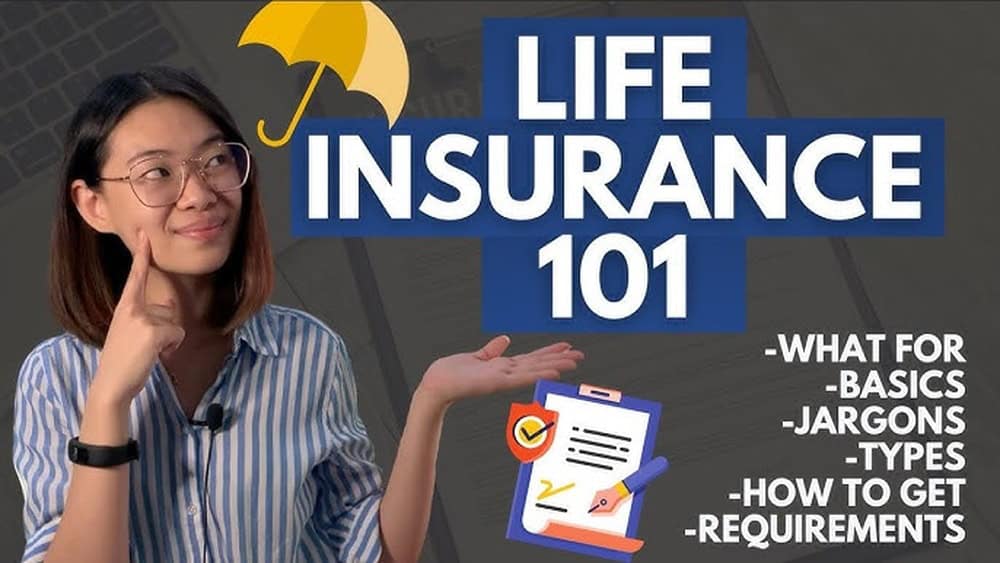
Getting started with life insurance in the Philippines might seem confusing, especially if you’re new to the topic. Many Filipinos don’t talk about it much, but having insurance can make a huge difference for your family’s future. In this guide, you’ll learn how life insurance works, why it matters, and what you should do as a beginner. Whether you’re a young professional, a parent, or simply curious, you’ll find clear explanations and practical advice that suits your needs. Let’s make this journey simple, honest, and stress-free.
What Is Life Insurance?
Life insurance is a contract between you and an insurance company. You pay a regular amount, called a premium, and in return, the company promises to pay money to your family or loved ones if you pass away. This money is called the death benefit.

In the Philippines, life insurance can help cover funeral costs, pay off debts, and support your family’s living expenses. It’s not just for the wealthy. Anyone who has people depending on them can benefit from it.
Types Of Life Insurance
There are several kinds of life insurance. Here’s a quick look:
- Term life insurance – Covers you for a set period, like 10 or 20 years. If you die during this time, your family gets the death benefit. If you survive, nothing is paid.
- Whole life insurance – Covers you for your entire life and usually includes a cash value that grows over time.
- Variable life insurance – Similar to whole life, but you can invest part of your premium in funds. The cash value depends on how these investments perform.
Each type has its own pros and cons. Choosing the right one depends on your needs and budget.
Why Life Insurance Matters In The Philippines
Many families in the Philippines rely on one or two main earners. If something happens to you, your loved ones might struggle financially. Life insurance helps protect them from sudden loss.
According to the Insurance Commission of the Philippines, only about 20% of Filipinos have life insurance. This means most families are at risk if tragedy strikes. Even a basic policy can make a big difference.
Some people think insurance is expensive or only for the rich. But there are affordable options, and some plans start at less than ₱1,000 per month.
Common Myths And Mistakes
Many beginners believe these myths:
- “I’m too young for life insurance.” Actually, premiums are lower when you’re young and healthy.
- “It’s too expensive.” There are budget-friendly choices.
- “I don’t need it because I’m single.” Even singles may have parents or siblings depending on them.
One mistake is buying a policy without understanding it. Take time to learn before signing anything.
How To Choose The Right Life Insurance
Finding the best insurance can feel overwhelming. Here’s a simple process:
Step 1: Understand Your Needs
Ask yourself:
- Who depends on you financially?
- How much money would they need if you’re gone?
- Do you have debts or loans?
Write down your answers. This helps you decide how much coverage you need.
Step 2: Compare Plans And Providers
Different insurance companies offer different plans. Look for:
- Coverage amount (how much your family will get)
- Premium (how much you pay monthly or yearly)
- Extra features (like riders for accident or disability)
Here’s a quick comparison of three popular types:
| Type | Coverage Period | Cash Value | Typical Premium |
|---|---|---|---|
| Term Life | 10-30 years | No | ₱1,000/month |
| Whole Life | Lifetime | Yes | ₱2,500/month |
| Variable Life | Lifetime | Yes (investment-based) | ₱3,000/month |
Step 3: Check Company Reputation
Pick a provider with a strong history. Check their financial ratings and customer reviews. The Insurance Commission website lists licensed companies. Avoid agents who promise too-good-to-be-true deals.
Step 4: Get Quotes And Ask Questions
Contact two or three companies. Ask for quotes and compare them. Don’t be shy—ask questions like:
- What’s covered and what’s not?
- Are there hidden fees?
- Can I change my coverage later?
Step 5: Read The Fine Print
Many beginners skip this step, but it’s vital. Read your policy carefully. Understand:
- Waiting periods
- Exclusions (what’s not covered)
- Surrender value (if you cancel early)
If anything is unclear, ask your agent to explain.
The Application Process: What To Expect
Applying for life insurance is simple, but there are steps you should know.
Filling Out Forms
You’ll fill out a basic application. It asks about your health, job, and family. Be honest—false answers can cause problems later.
Medical Exam
Some plans require a health check. This usually means a quick physical exam, blood tests, or questions about your medical history. For smaller policies, you might not need any tests.
Waiting Time
Approval can take a few days to weeks. Companies review your information and decide if you qualify. You’ll get a policy document once approved.
Payment
You can pay your premium monthly, quarterly, or yearly. Most companies accept payments through banks, online apps, or agents.
:max_bytes(150000):strip_icc()/Life-Insurance-a8aee8e3024145a8b454ea19df030418.png)
Credit: www.investopedia.com
How Much Coverage Should You Get?
Choosing the right amount is tricky. Too little, and your family may struggle. Too much, and you might pay more than necessary. Here’s a simple guide:
- Income Replacement: Multiply your yearly income by 5–10. If you earn ₱300,000 per year, aim for ₱1,500,000–₱3,000,000 in coverage.
- Debt and Expenses: Add any debts (loans, mortgages) and estimated funeral costs.
- Education Funds: If you have kids, include their future school expenses.
Combine these numbers for a total coverage estimate.
Example Calculation
Let’s say you earn ₱300,000 yearly, have ₱500,000 in loans, and want ₱1,000,000 for education.
₱300,000 X 7 (income Replacement) = ₱2,100,000
₱500,000 (loans) + ₱1,000,000 (education) = ₱1,500,000
Total Coverage Needed: ₱3,600,000
Comparing Costs: Budget-friendly Choices
Many Filipinos worry about cost. Here’s a simple comparison of average premiums for different ages:
| Age | Term Life (₱1M coverage) | Whole Life (₱1M coverage) | Variable Life (₱1M coverage) |
|---|---|---|---|
| 25 | ₱900/month | ₱2,200/month | ₱2,700/month |
| 35 | ₱1,200/month | ₱2,700/month | ₱3,200/month |
| 45 | ₱1,800/month | ₱3,500/month | ₱4,100/month |
Premiums are lower for younger applicants. Starting early saves money and gives you more options.

Credit: investor.vanguard.com
Practical Tips For Beginners
Starting with life insurance doesn’t have to be hard. Here are some tips to make it easier:
- Start small. You can always increase coverage later.
- Review your policy yearly. Life changes—so should your coverage.
- Use online calculators. Many companies have tools to help you estimate costs.
- Consider group insurance. Some employers offer plans at lower rates.
- Don’t wait too long. Health issues can raise premiums or block your application.
What To Avoid When Buying Life Insurance
Many beginners make mistakes that cost money or cause stress. Here’s what to avoid:
- Buying without comparing. Always check at least two providers.
- Ignoring the policy details. Small print matters.
- Trusting only the agent’s word. Check everything yourself.
- Over-insuring. Don’t pay for coverage you don’t need.
A non-obvious insight: Some plans offer living benefits, like cash advances for critical illness. These are useful but often overlooked.
Another tip: Policy loans let you borrow against your insurance’s cash value. This can help in emergencies, but remember, it reduces your death benefit.
:max_bytes(150000):strip_icc()/HowtoTradeStocks-v3-0bc090b604fd4c6e8aec3780a7f6b5ef.png)
Credit: www.investopedia.com
How Life Insurance Fits Into Financial Planning
Life insurance is more than a safety net. It’s a smart part of your financial plan. Here’s how:
- Helps build wealth through savings or investment-linked policies.
- Offers peace of mind. You know your loved ones are protected.
- Can help you qualify for loans, as some policies are accepted as collateral.
It’s wise to review your insurance when you get married, have kids, or change jobs.
Local Examples: Life Insurance In Action
Let’s look at real-life situations:
- Young professional: Juan, age 28, buys term insurance for ₱900/month. He’s single but has elderly parents. If he passes away, his policy supports them.
- Parent: Maria, age 40, chooses variable life insurance. Her premium is ₱3,200/month, but the policy builds cash value for her children’s education.
- OFW: Rico, age 35, wants to protect his family while working abroad. He gets whole life insurance, ensuring long-term security.
These examples show how life insurance adapts to different needs. It’s not one-size-fits-all.
Frequently Asked Questions
What’s The Best Type Of Life Insurance For Beginners In The Philippines?
Term life insurance is often the best starting point. It’s affordable and simple. If you want savings and investment, consider whole or variable life insurance.
Can I Buy Life Insurance Online In The Philippines?
Yes. Many companies now offer online applications. You can compare quotes, fill out forms, and even pay premiums online. Always use official sites to avoid scams.
Is Life Insurance Expensive?
Not always. Basic term insurance starts at less than ₱1,000 per month. Premiums depend on your age, health, and coverage amount.
What Happens If I Stop Paying My Premium?
Your policy may lapse, meaning you lose coverage. Some plans have a grace period. For whole or variable life insurance, you might get a small cash value back.
How Do I Check If An Insurance Company Is Legit?
Visit the Insurance Commission of the Philippines website. They list all licensed providers. You can also check reviews and ratings. For more details, see Insurance Commission.
Life insurance is a big step, but it’s not as complicated as you might think. With the right information and guidance, you can protect your loved ones and build a better future. Start small, ask questions, and choose a plan that fits your life.
Remember, the best time to get insured is before you need it.