
Life insurance can sound complicated. But at its core, it’s a simple idea: you pay a small amount regularly, and if you die, your family gets money to help them. This money can cover bills, debts, or just give peace of mind when times are hard. Many people wonder what makes a life insurance policy good or trustworthy. Let’s break down the essential features of life insurance in a way that’s easy to understand, even if English isn’t your first language.
What Is Life Insurance?
Life insurance is a contract between you and an insurance company. You pay premiums, and if you pass away during the policy period, your beneficiaries (usually family) get a death benefit. It is one of the most common ways to protect your loved ones financially.

There are many types of life insurance, but most share a few key features. Knowing these features helps you pick the best plan for your needs.
Key Features You Should Know
Let’s walk through the most important features that make life insurance valuable and reliable.
1. Death Benefit
The most basic feature is the death benefit. This is the money your family receives if you die while the policy is active. It can be a small amount or very large, depending on the plan.
- Usually paid as a lump sum.
- Can be used for funeral costs, debts, living expenses, or children’s education.
2. Premiums
Premiums are the payments you make to keep the policy active. They can be paid monthly, quarterly, or yearly.
- Amount depends on your age, health, and the size of the death benefit.
- If you stop paying, the policy may end and your family won’t get the benefit.
3. Beneficiaries
Beneficiaries are the people who get the money if you die. You choose them when you buy the policy.
- You can name one person or several.
- You can change beneficiaries later if needed.
4. Policy Term
The policy term is the length of time your insurance lasts. There are two main types:
- Term Life Insurance: Lasts for a set period (like 10, 20, or 30 years).
- Whole Life Insurance: Lasts your whole life, as long as you pay premiums.
5. Cash Value
Some types of life insurance build cash value. This is money you can use while you’re alive.
- Only available in whole life or universal life policies.
- You can borrow against it or withdraw it for emergencies.
6. Riders And Add-ons
You can customize your policy with riders. These are extra benefits you pay for.
- Examples: Accident coverage, critical illness, disability, or waiver of premium.
- Some riders help if you get sick, lose your job, or can’t pay premiums.
7. Exclusions And Limitations
Every policy has exclusions—situations where the insurance won’t pay.
- Common exclusions: Suicide in the first two years, death from risky activities (like skydiving), or fraud.
- Always read the fine print so you know what is covered.
8. Renewal And Convertibility
Some term policies let you renew or convert them.
- Renewal means you can extend the policy for more years.
- Convertibility means you can switch from term to whole life, usually without a medical check.
9. Claim Process
A simple and fast claim process is important. Your family should be able to get the money quickly.
- Most companies require a death certificate and claim form.
- Some pay within days, others take weeks.

Credit: www.scribd.com
Comparing Life Insurance Types
Choosing between term and whole life insurance is a common challenge. Here’s a simple table comparing the main features.
| Feature | Term Life | Whole Life |
|---|---|---|
| Duration | Fixed (10-30 years) | Lifetime |
| Premiums | Lower | Higher |
| Cash Value | No | Yes |
| Renewable/Convertible | Often Yes | Not Needed |
| Death Benefit | Yes | Yes |
How Insurers Decide Your Premium
Premiums aren’t random. Insurance companies use data to calculate the risk. Here are the main factors:
- Age: Younger people pay less.
- Health: Better health means lower premiums.
- Lifestyle: Smokers or risky jobs pay more.
- Coverage Amount: Higher death benefit costs more.
- Policy Type: Whole life is more expensive than term life.
Here’s a table showing how age affects premium costs for a $100,000 term policy:
| Age | Monthly Premium (Non-Smoker) | Monthly Premium (Smoker) |
|---|---|---|
| 25 | $12 | $25 |
| 35 | $15 | $30 |
| 45 | $27 | $55 |
| 55 | $48 | $96 |
Common Mistakes When Buying Life Insurance
Many people make simple mistakes when choosing a policy. Avoid these to get the best value:
- Buying too little coverage: It’s easy to underestimate how much your family needs.
- Ignoring exclusions: Not reading the fine print can lead to surprises.
- Missing riders: Some riders can be very helpful, but people skip them.
- Choosing only on price: Cheap premiums can mean limited coverage.
- Not reviewing the policy: Life changes—update beneficiaries, coverage, and riders as needed.
Non-obvious Insights For Beginners
Some things aren’t clear until you’re deep in the process. Here are two insights most beginners miss:
- Cash Value Is Not Instant Savings: In whole life policies, cash value builds slowly. Don’t expect to borrow large amounts right away. It takes years.
- Health Changes Matter: If your health worsens, it’s hard to get new insurance. Lock in your policy while you’re young and healthy.
Real-life Examples
Let’s look at two simple examples:
- Example 1: Maria buys a term life policy for $200,000 at age 30. She pays $15 a month. At age 48, she is diagnosed with cancer. Her policy is still active, so if she passes away, her family receives $200,000. If she outlives the term, the policy ends, but she had peace of mind for 20 years.
- Example 2: John chooses whole life insurance. He pays $50 a month. After 10 years, his policy has built up $8,000 in cash value, which he uses to pay for an emergency. If he keeps the policy, his family will always be covered.
How To Choose The Right Policy
Picking a life insurance policy should match your needs and budget. Here are some tips:
- Calculate how much your family would need if you were gone. Include debts, daily expenses, and future plans (like college).
- Decide if you want coverage just for a set period (term) or for your whole life.
- Compare policies from different companies. Look for strong claim histories and good customer reviews.
- Ask about riders—some can make a big difference.
- Make sure you understand the exclusions and claim process.
Here’s a comparison table to help you decide which policy suits your situation:
| Your Situation | Recommended Policy | Why |
|---|---|---|
| Young, single, limited budget | Term Life | Low cost, simple protection |
| Family, mortgage, kids | Term or Whole Life | Higher coverage for family needs |
| Want savings & lifelong protection | Whole Life | Cash value, lifetime coverage |
| Uncertain about future health | Whole Life | Lock in rates, guaranteed coverage |
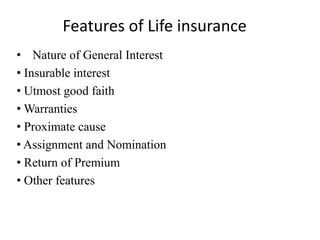
Credit: www.slideshare.net
Tips For Getting The Most From Your Life Insurance
- Buy early: Premiums are lower when you’re young and healthy.
- Review your policy every few years: Life changes quickly.
- Be honest about your health: False information can void your coverage.
- Keep your beneficiaries updated: Make sure your policy matches your wishes.
If you want more details on insurance basics, you can check Wikipedia for a deeper explanation.
Frequently Asked Questions
What Is The Difference Between Term And Whole Life Insurance?
Term life insurance covers you for a set period (like 20 years). If you die during that period, your family gets the death benefit. Whole life insurance lasts your entire life and builds cash value you can use while alive.
How Much Life Insurance Should I Buy?
A good rule is to buy coverage that’s 10–15 times your annual income. But also consider debts, future plans, and daily living costs.
Can I Change My Beneficiaries?
Yes, most policies let you update beneficiaries at any time. Contact your insurer and fill out a simple form.
Is A Medical Exam Always Required?
Not always. Some policies don’t require a medical exam, especially for lower coverage. But you may pay higher premiums or get less coverage.
What Happens If I Miss A Premium Payment?
If you miss a payment, your policy may lapse. Some companies offer a grace period (usually 30 days) to catch up. After that, coverage ends and your family won’t get benefits.
Life insurance is about more than just numbers. It’s about protecting your family and giving peace of mind. Understanding these features helps you make smart choices—so your loved ones are cared for, no matter what happens.

Credit: www.generalicentrallife.com