
Many people wonder when is the right time to get life insurance. It’s a question that can impact your family’s future, your financial plans, and even your peace of mind. Some think life insurance is only for parents or older adults.
Others believe it’s smart to buy early, even if they are young and healthy. The truth is, there’s no single answer that fits everyone. Choosing the right time depends on your life situation, goals, and responsibilities.

In this article, you’ll discover when life insurance makes sense, why timing matters, and how to avoid common mistakes. You’ll see real examples, data, and practical advice to help you make a confident decision. Whether you’re single, married, or planning for children, this guide will help you understand what’s right for you.
Why Life Insurance Matters
Life insurance is more than just a policy. It’s a financial safety net for your loved ones if something happens to you. The main purpose is to protect your family from losing their income, facing debts, or paying big bills. If you’re the main provider or share financial responsibilities, life insurance can cover:
- Funeral costs
- Mortgage payments
- Children’s education
- Everyday living expenses
- Outstanding loans
According to the Life Insurance Marketing and Research Association (LIMRA), nearly half of Americans have no life insurance. Yet, almost 70% agree that their family would face financial hardship if the main breadwinner died. This gap shows why timing is important.
Key Life Stages And Their Impact
Your need for life insurance often changes as you move through different life stages. Let’s look at how timing fits with each stage.
Starting Your First Job
Many young adults ignore life insurance when starting their careers. They might think they are too young or don’t have dependents. However, buying early has some advantages:
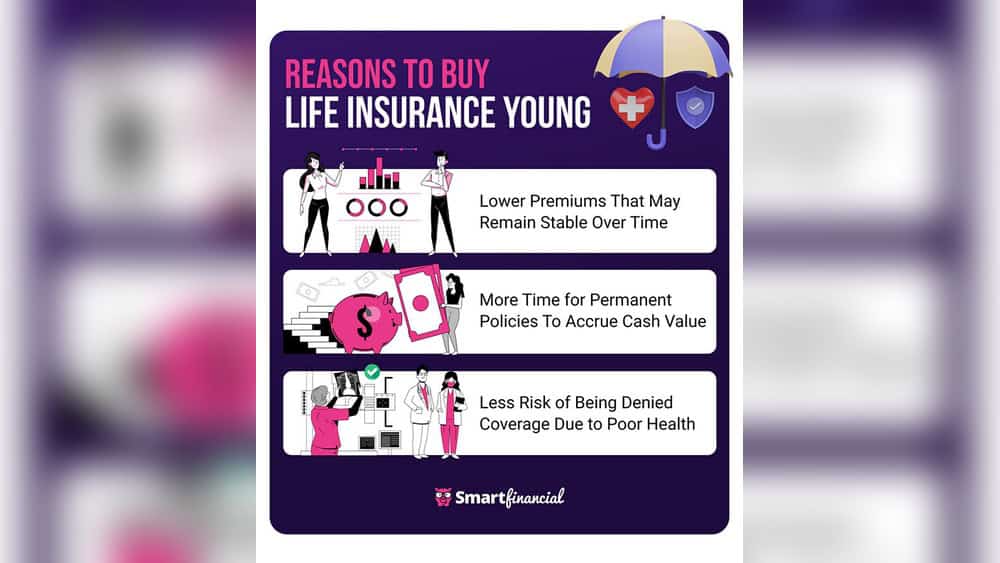
- Lower premiums: Insurance costs are lowest when you are young and healthy.
- Locking in rates: You secure a low rate for many years.
- Covering debts: If you have student loans or credit card debt, insurance can help your family pay them.
If you have no dependents and your debts will not transfer to anyone, you may not need much coverage. But if parents co-signed your loans or you plan to marry soon, consider basic coverage.
Getting Married
Marriage often changes financial responsibilities. If you and your spouse rely on each other’s income, life insurance becomes more important. Think about:
- Shared debt: Mortgages, car loans, or credit cards.
- Planning for children: Future family needs.
- Replacing income: If one partner dies, insurance can help the other maintain their lifestyle.
Some couples buy a joint policy, but separate policies offer better flexibility. Review your budget and decide how much coverage fits your needs.
Having Children
This is one of the most common triggers for buying life insurance. Children depend on you for everything—home, food, school, and safety. A policy ensures they’re protected if you’re not there. Consider coverage for:
- Childcare costs
- Education expenses
- Long-term support
LIMRA’s data shows that parents with young children are more likely to buy life insurance, but many are still underinsured. Make sure your coverage matches your family’s real needs.
Buying A Home
A home is often your biggest asset—and your biggest debt. If you die, your family may struggle to pay the mortgage. Life insurance can cover:
- Remaining mortgage balance
- Property taxes
- Home maintenance costs
Some people buy mortgage protection insurance, but a term life policy is often cheaper and more flexible. Calculate your home’s value and outstanding debt to choose the right coverage.
Planning For Retirement
You may think life insurance isn’t needed after retirement, but that’s not always true. Some reasons to keep or buy coverage include:
- Supporting a spouse: Especially if they rely on your pension or savings.
- Leaving an inheritance: Life insurance can help transfer wealth.
- Covering estate taxes: Protect your heirs from large tax bills.
If your children are grown and your debts are paid, you might lower your coverage. But review your needs regularly as your situation changes.

Comparing Life Insurance By Age
Age plays a big role in your life insurance options and costs. Here’s a table showing how premium costs and approval rates change with age:
| Age Group | Typical Monthly Premium (20-Year, $250k Policy) | Approval Rate |
|---|---|---|
| 20-29 | $13-20 | 95% |
| 30-39 | $17-25 | 93% |
| 40-49 | $28-45 | 90% |
| 50-59 | $51-85 | 82% |
| 60+ | $110+ | 70% |
Premiums increase quickly as you age. Buying early can save you thousands over the life of your policy.
Signs It’s Time To Get Life Insurance
You don’t need to wait for a big life event to buy life insurance. Here are some signs it’s the right time:
- You have dependents: Spouse, children, or aging parents rely on your income.
- You have debt: Mortgages, loans, or credit cards could burden your family.
- You own a business: Partners or employees depend on your leadership.
- You want to leave a legacy: For charity, heirs, or your community.
- You lack savings: Your family would struggle to cover expenses if you died.
Many people miss the importance of timing. Buying life insurance just before a major health issue or after a big change can mean much higher costs—or even denial. Take action before risks increase.

What Type Of Life Insurance Should You Get?
There are two main types of life insurance: term life and whole life. Each fits different needs and budgets. Here’s a quick comparison:
| Type | Main Features | Best For |
|---|---|---|
| Term Life | Fixed period, lower cost, pure protection | Young families, debt coverage, budget buyers |
| Whole Life | Lifetime coverage, cash value, higher cost | Estate planning, lifelong dependents, wealth transfer |
Most people start with term life insurance. It offers affordable protection for the years when your family needs it most.
How Much Coverage Do You Need?
Choosing the right coverage amount is just as important as timing. Here’s how to estimate:
- Multiply your annual income by 10-15
- Add mortgage and other debts
- Include education costs for children
- Add final expenses (funeral, medical bills)
Example: If you earn $50,000, owe $200,000 on your home, and have two children, you might need $700,000–$900,000 in coverage.
Many people underestimate their needs. It’s better to buy a bit more than too little, especially while rates are low.

Mistakes To Avoid
Buying life insurance at the wrong time—or not at all—can have lasting effects. Here are common mistakes:
- Waiting too long: Premiums rise as you age or develop health issues.
- Underestimating needs: Failing to cover debts, living costs, or education.
- Ignoring employer coverage limits: Work policies may not be enough.
- Skipping review: Forgetting to update your policy after major life events.
- Choosing the wrong type: Getting whole life when term would be better (or vice versa).
Non-obvious insight: Many people don’t realize that some health conditions only appear later in life. If you wait, you risk higher premiums or denial. Also, if you buy early, you can often convert term to whole life later without extra medical exams.
Real-life Example
Let’s look at a simple case. Sarah, age 28, just got married and bought her first home. She earns $45,000 per year, and her husband relies on her income. Sarah decides to buy a 20-year term life policy for $500,000.
Her monthly premium is $18.
Five years later, Sarah has her first child. She increases her coverage to $700,000. Because she bought early, her rates stay low. If she had waited until after childbirth, her rates would be higher, and her health risk might increase.
This example shows that acting early—before major events—can lock in savings and give peace of mind.
How Life Insurance Fits Your Financial Plan
Life insurance is part of a bigger financial plan. It works alongside savings, investments, and retirement accounts. Here’s a quick overview:
| Financial Tool | Main Purpose | When to Use |
|---|---|---|
| Life Insurance | Protect dependents, cover debts | Anytime you have financial responsibilities |
| Retirement Savings | Support yourself after working years | Start early, build over time |
| Emergency Fund | Handle unexpected expenses | Keep 3-6 months of living costs |
| Investments | Grow wealth, reach goals | When you have extra funds |
Each tool has its place. Life insurance is unique because it protects against risks that are hard to predict.
How To Buy Life Insurance
Getting life insurance doesn’t need to be hard. Here are the steps:
- Assess your needs: Review your debts, income, and dependents.
- Choose the right type: Term or whole life.
- Compare providers: Look for trusted companies and strong ratings.
- Apply early: Lock in low rates while healthy.
- Review regularly: Update your coverage after life changes.
Non-obvious insight: Some online providers let you skip medical exams for small policies. But larger coverage usually requires health checks. If you’re healthy, act before changes occur.
For more details on life insurance basics, you can visit Investopedia.
Frequently Asked Questions
What Is The Best Age To Buy Life Insurance?
The best age is when you have financial responsibilities or dependents. Typically, buying in your 20s or 30s locks in the lowest rates, but waiting until you’re older can mean higher costs.
How Much Life Insurance Do I Need?
Most experts recommend 10-15 times your annual income. Add debts, children’s education, and final expenses for a more accurate number.
Can I Buy Life Insurance Without A Medical Exam?
Yes, some insurers offer no-exam policies for small coverage amounts. For larger policies, a medical exam is usually required to assess your health.
Should I Get Term Or Whole Life Insurance?
Term life is best for most people—young families and debt coverage. Whole life fits those needing lifelong protection or estate planning.
What Happens If I Wait Too Long To Buy Life Insurance?
You may face higher premiums, limited options, or even denial due to health issues. Buying early protects your loved ones and locks in savings.
Life insurance is about timing, planning, and protecting your future. The right time is often sooner than you think. By understanding your needs and acting before risks increase, you give your family—and yourself—peace of mind.