
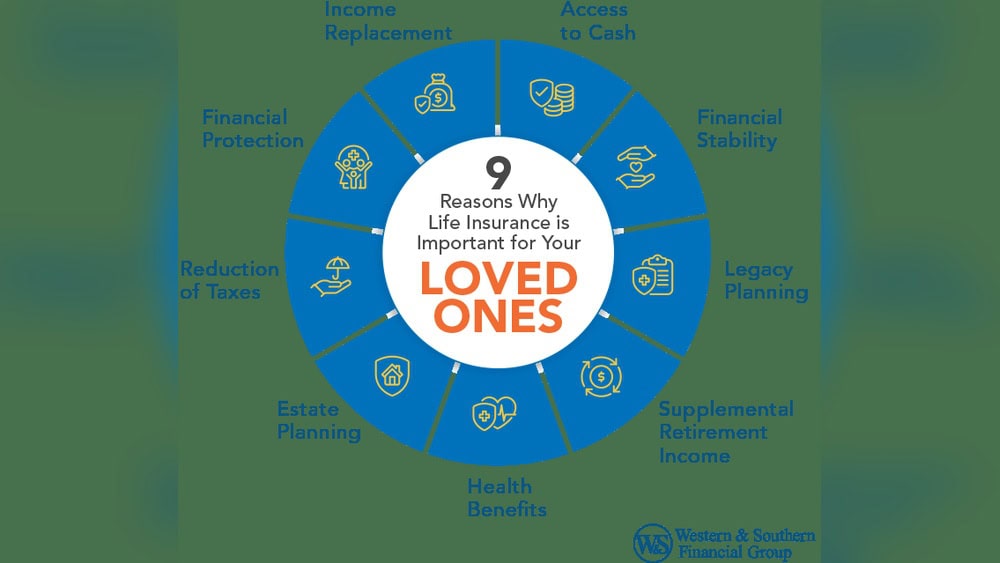
Life insurance is often seen as something for older people, parents, or those with big responsibilities. But in reality, it can be a smart and practical decision for young adults too. Many people in their 20s and early 30s think they don’t need it yet, or that it’s only useful after starting a family.
The truth is, buying life insurance early can offer many benefits—some of them surprising. If you’re a young adult thinking about your financial future, understanding why life insurance matters could help you make wiser choices and protect those you love.

What Is Life Insurance And How Does It Work?
Life insurance is a contract between you and an insurance company. You pay regular premiums (usually monthly or yearly), and if you pass away during the policy period, your beneficiaries (people you choose) receive a lump sum called the death benefit. This money can be used for many things: paying bills, covering debts, or even saving for future needs. There are several types of life insurance, but the two most common are term life and whole life.
- Term life insurance covers you for a set number of years, often 10, 20, or 30.
- Whole life insurance lasts for your entire life and includes a savings component.
Young adults usually start with term life because it’s affordable and simple. You pay lower premiums and get enough coverage for your needs.
Why Life Insurance Is Especially Important For Young Adults
1. Lower Premiums When You’re Young
One of the biggest advantages to buying life insurance early is low cost. Insurance companies look at your age and health when deciding your premium. The younger and healthier you are, the cheaper your policy will be.
| Age | Monthly Premium (20-Year Term, $250,000 Coverage) |
|---|---|
| 25 | $15 |
| 35 | $21 |
| 45 | $40 |
As you can see, waiting until later costs much more. Locking in a policy when you’re young can save thousands over time.
2. Protecting Loved Ones
Even if you don’t have a family yet, you might have parents, siblings, or partners who depend on you. If something unexpected happens, the death benefit can help pay funeral costs, cover outstanding debts, or even support your loved ones financially.
Many young adults have private student loans or credit cards that parents cosigned. If you pass away, your cosigners could be responsible for those debts. Life insurance can ease that burden.
3. Covering Debts And Final Expenses
Student loans, credit cards, and car loans are common among young adults. If you have debt, life insurance can make sure it doesn’t become a problem for your family. Funeral expenses in the US can cost $7,000–$12,000. Without coverage, your loved ones might struggle to pay these bills.
4. Building A Strong Financial Foundation
Buying life insurance early shows you’re thinking ahead. It’s a sign of financial responsibility. You start to build a safety net that can help with bigger plans later—like buying a home, getting married, or starting a family. It’s also a good way to learn about budgeting and financial planning.
5. Supporting Future Plans
Some policies, especially whole life or universal life, can include a cash value. This grows over time and can be used for emergencies, borrowing, or even retirement savings. While term life doesn’t have cash value, starting early lets you switch to other types later if your needs change.
| Policy Type | Premiums | Cash Value | Flexibility |
|---|---|---|---|
| Term Life | Low | No | Can convert to permanent |
| Whole Life | Higher | Yes | Fixed premiums |
| Universal Life | Varies | Yes | Flexible premiums |
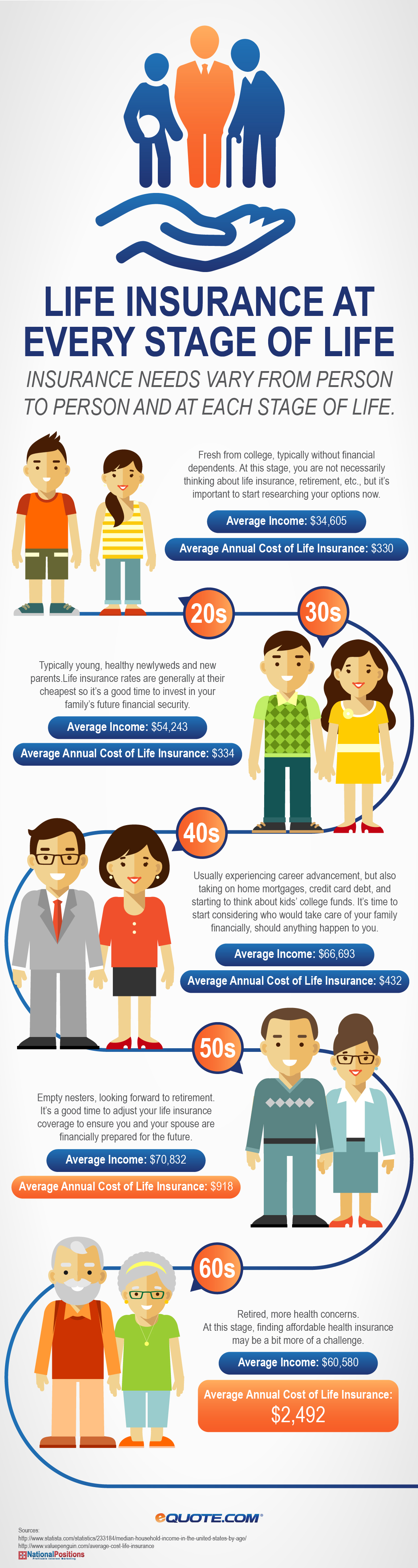
Credit: equote.com
Common Misconceptions About Life Insurance For Young Adults
Many young adults skip life insurance because they believe certain myths. Let’s clear up the most common ones.
“i’m Healthy, So I Don’t Need It.”
Being healthy doesn’t mean you shouldn’t plan ahead. Accidents and illnesses can happen to anyone. Buying now means you lock in low premiums and don’t risk losing coverage later due to health changes.
“i Don’t Have Dependents.”
Even if you don’t have children or a spouse, life insurance can help parents, siblings, or other close people with debts, funeral costs, or shared expenses.
“it’s Too Expensive.”
Term life insurance is often surprisingly affordable. As shown earlier, policies for young people can cost less than a streaming subscription each month.
“i’ll Get It Later.”
Waiting can cost you more, both in premiums and lost options. If you develop a health issue, you might pay much higher rates or be declined.
Real-life Examples: How Life Insurance Helped Young Adults
Understanding life insurance is easier with real stories. Here are examples showing why it matters for young adults.
Example 1: Student Loan Debt Protection
Sarah, age 26, had $50,000 in private student loans cosigned by her parents. She bought a $100,000 term life policy for $12 a month. When she passed away in a car accident, the policy paid off the loan so her parents didn’t face financial stress.
Example 2: Covering Unexpected Costs
Mike, age 29, was single but had credit card debt and a car loan. His life insurance policy helped his siblings cover his funeral and pay off those debts after he died suddenly. Without insurance, his family would have struggled.
Example 3: Starting Early For Savings
Jenna, age 24, bought whole life insurance. Over 20 years, the cash value grew to $15,000. She later used it for a down payment on her first home. Starting young gave her more time to build value.
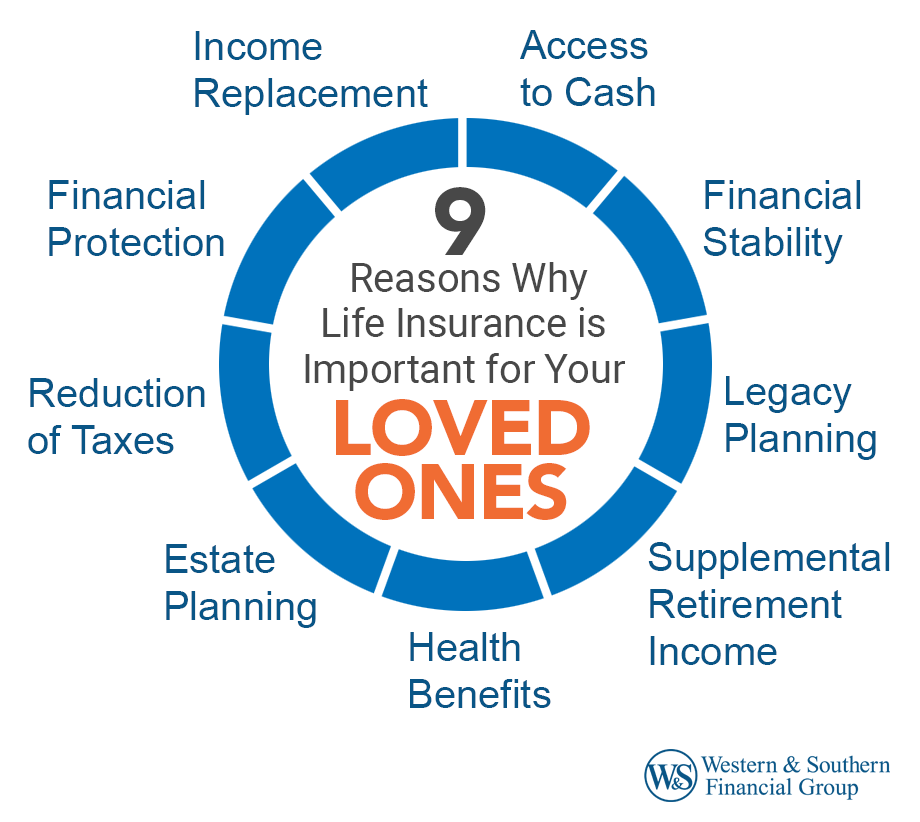
Credit: www.westernsouthern.com
How To Choose The Right Life Insurance Policy
Choosing a policy can feel complicated, but breaking it down helps. Here’s what to consider:
- Coverage Amount: Think about debts, funeral costs, and who depends on you. Many young adults start with $100,000–$250,000 coverage.
- Policy Type: Term life is usually best for beginners. It’s cheap and simple. Whole life and universal life are good if you want cash value or lifelong coverage.
- Length of Policy: If you expect changes (marriage, kids), choose a longer term (20–30 years).
- Insurer Reputation: Go with companies that have strong ratings and good customer service.
- Budget: Pick a premium you can comfortably afford.
| Factor | Why It Matters | Common Mistake |
|---|---|---|
| Coverage Amount | Protects debts and loved ones | Choosing too little |
| Policy Type | Impacts cost and benefits | Confusing term and whole life |
| Length | Matches life stage | Choosing short term |
| Insurer Reputation | Ensures payout reliability | Ignoring reviews |
| Budget | Keeps policy active | Overcommitting financially |
Non-obvious Insights About Life Insurance For Young Adults
- Employer Coverage Is Often Not Enough: Many young adults get free life insurance from their jobs. But these policies are usually limited (often $25,000–$50,000) and may not cover debts or dependents. If you leave your job, coverage ends. Having your own policy gives you control and security.
- Policy Riders Can Add Extra Protection: You can customize your policy with “riders.” For example, a disability rider pays benefits if you become disabled. An accelerated death benefit rider lets you access part of your benefit if you get a terminal illness. These extras are often overlooked but can make your coverage stronger.
How To Apply For Life Insurance As A Young Adult
Applying is easier than many expect:
- Research and Compare: Use online tools to see quotes and ratings.
- Fill Out an Application: Provide basic info—age, health, lifestyle.
- Medical Exam: Some policies require a simple health check (blood pressure, blood test).
- Review Offer: Insurers send you a final quote. Compare and choose.
- Sign Policy: Pay your first premium and activate your coverage.
Most applications are online and can be finished in under an hour. Some “no exam” policies skip medical tests for young, healthy applicants.
When Should Young Adults Consider Life Insurance?
You should consider life insurance if:
- You have student loans or other debts, especially if someone cosigned.
- You support family members.
- You plan to get married or have kids soon.
- You want to lock in low premiums.
- You want to build a strong financial foundation.
Even if none of these apply now, buying early saves money and protects your future options.

Credit: mcmichaelinsurance.com
Frequently Asked Questions
What’s The Best Type Of Life Insurance For Young Adults?
Most young adults start with term life insurance. It’s affordable and easy to understand. If you want lifelong coverage or cash value, consider whole life or universal life policies.
How Much Coverage Should A Young Adult Get?
Think about debts (student loans, credit cards), funeral costs, and any dependents. Many experts recommend $100,000–$250,000 for young adults, but your needs may vary.
Is Life Insurance Through My Employer Enough?
Employer policies are usually limited and may not follow you if you change jobs. Having your own policy gives you more control and better coverage.
Can I Get Life Insurance If I Have Health Issues?
Yes, but your premiums may be higher. Some companies offer “no exam” policies for young adults, but these can be more expensive. Buying early, while healthy, gives you better rates.
Where Can I Learn More About Life Insurance?
For detailed information and comparison tools, visit the official National Association of Insurance Commissioners website.
Life insurance is not just for families or older people. It’s a smart step for young adults who want to protect their loved ones, cover debts, and build a strong financial future. Starting early means lower costs, better options, and peace of mind—so you can focus on building your life, knowing you’re prepared for whatever comes next.