
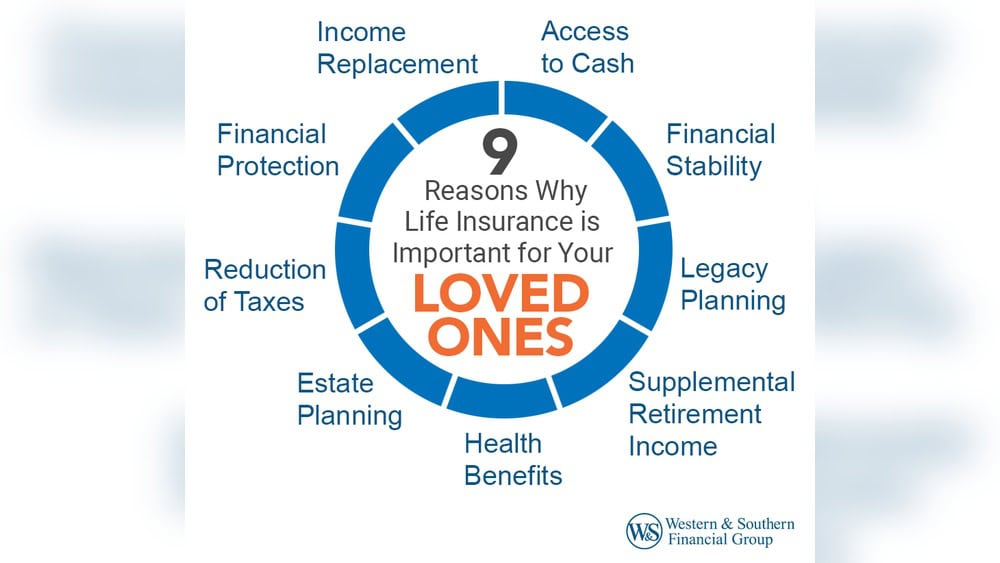
Life insurance often feels like something people buy only for emergencies or when they have young children. But its real value can be much bigger, especially when you start thinking about estate planning. Many people ignore life insurance when planning their estate because they believe it is only about paying for funerals or helping families after someone passes away.
In reality, life insurance is a powerful tool that can protect your loved ones, make your wishes possible, and even help you avoid big legal and tax problems. If you want your assets to go smoothly to your family, or you’re worried about debts and taxes after you’re gone, understanding life insurance is essential.

Let’s explore why life insurance matters so much in estate planning and how it can make your plans safer, easier, and more effective.
What Is Estate Planning?
Estate planning is about arranging what happens to your assets—like your house, money, or business—after you die. It’s not just for the rich. Anyone with property, savings, or family should have an estate plan. The main goals are:
- Making sure your wishes are followed
- Protecting your family
- Reducing taxes and fees
- Avoiding family fights
Estate planning includes writing a will, naming beneficiaries, choosing someone to handle your affairs, and using tools like trusts and life insurance. Without a plan, your assets may be stuck in legal problems or go to the wrong people.
Life Insurance Basics
Life insurance is a contract between you and an insurance company. You pay regular premiums. When you die, your chosen people (called beneficiaries) get a sum of money (the death benefit). There are two main types:
- Term life insurance: Covers you for a set period (like 10 or 20 years). If you die during that time, your beneficiaries get paid.
- Permanent life insurance: Covers you for your whole life. It often builds cash value you can use while alive.
Here’s a quick comparison:
| Type | Duration | Cost | Cash Value |
|---|---|---|---|
| Term | Fixed (10–30 years) | Lower | No |
| Permanent | Lifetime | Higher | Yes |
Both types can be important in estate planning, but permanent life insurance is often used for bigger plans because it lasts your whole life.
Why Life Insurance Is Essential In Estate Planning
Life insurance offers more than just money after death. Let’s look at its unique benefits in estate planning.
1. Replacing Lost Income
If you are the main earner in your family, your death can leave your loved ones without enough money. Life insurance fills this gap. It provides a guaranteed payout to help your family pay for daily expenses, education, and bills.
2. Paying Debts And Final Expenses
Your estate may have debts, like a mortgage, credit cards, or medical bills. These must be paid before your assets go to your heirs. Life insurance can cover these costs, so your family doesn’t have to sell property or use savings to pay debts.
3. Covering Estate Taxes
In the US, estate taxes can be high for bigger estates. In 2024, estates over $12. 92 million are taxed by the federal government. Some states have their own taxes too. If your estate is taxed, heirs may have to sell assets quickly to pay the bill.
Life insurance can provide cash to pay taxes, so your loved ones keep their inheritance.
Estate Tax Example
Suppose your estate is worth $15 million. The federal estate tax rate can be up to 40%. That means your heirs could owe over $800,000 in taxes. Life insurance gives them the cash they need, so they don’t have to sell your family home or business.
4. Equalizing Inheritance
Sometimes, you want to treat your children fairly, but your assets are not easy to split. For example, one child gets a business, another gets a house. Life insurance lets you leave extra money to other children, so everyone gets a fair share.
5. Funding Trusts
You can set up a trust to manage your assets for children, grandchildren, or disabled family members. Life insurance can be paid directly to the trust. This gives the trust money to support your loved ones, pay for education, or cover special needs.
6. Protecting Family Businesses
Family businesses can be at risk when the founder dies. Life insurance helps by:
- Paying out to buy shares from heirs who don’t want to run the business
- Providing money to cover taxes or debts
- Keeping the business in the family
Here’s a comparison of how life insurance helps a family business:
| Situation | With Life Insurance | Without Life Insurance |
|---|---|---|
| Founder passes away | Business gets cash to continue | May need to sell assets |
| Heirs want to sell shares | Buy-sell agreement funded | Family conflict, business risk |
7. Avoiding Probate Delays
Probate is the legal process to settle your estate. It can take months or even years. Life insurance payouts are usually fast and go directly to your beneficiaries, bypassing probate. This means your family gets help quickly.
8. Providing Liquidity
“Liquidity” means having cash that is easy to use. Many estates have assets like real estate or businesses, which are hard to sell fast. Life insurance gives your heirs immediate cash, so they can pay bills, taxes, or keep property.
9. Privacy For Your Heirs
Life insurance is private. Unlike wills or assets that go through probate (which are public), insurance payouts go directly to your beneficiaries. This keeps your family’s finances more confidential.
10. Supporting Charitable Giving
If you want to leave money to a charity, life insurance is a simple way. You can name a charity as a beneficiary, or use insurance to fund a charitable trust. This can also give your estate tax benefits.
Common Mistakes In Estate Planning Without Life Insurance
Many people make errors when planning their estate and skip life insurance. Here are mistakes to avoid:
- Assuming assets are enough: Real estate or investments might not be easy to sell or use quickly.
- Ignoring estate taxes: Even if you think your estate is small, state taxes may apply.
- Not updating beneficiaries: Life changes, like marriage or divorce, can make old choices wrong.
- Leaving heirs with debt: Without life insurance, debts may wipe out inheritances.
- Lack of liquidity: Your heirs may be forced to sell valuable assets for cash.
These mistakes can lead to family stress, legal problems, or lost assets.
How To Choose The Right Life Insurance For Estate Planning
Choosing the right policy is important. Here’s what to consider:
- Coverage amount: Calculate your estate’s needs. Include debts, taxes, and what you want to leave to your heirs.
- Policy type: Permanent life insurance is usually better for estate planning, but term can work for some needs.
- Beneficiaries: Pick people or trusts who will use the money wisely.
- Ownership structure: Sometimes, it’s best for a trust or another person to own the policy to avoid estate taxes.
- Health and age: Younger, healthier people get lower premiums. Don’t wait too long.
Here’s a look at key differences:
| Factor | Term Life | Permanent Life |
|---|---|---|
| Cost | Lower | Higher |
| Estate planning fit | Short-term needs | Long-term, legacy |
| Cash value | No | Yes |
You should talk to a financial advisor or estate planning lawyer to decide what fits your situation.
Non-obvious Insights For Better Estate Planning
Many people miss these points when using life insurance for estate planning:
- Policy ownership matters: If your estate owns the policy, the payout may be taxed. Having a trust or someone else own the policy can avoid this.
- Regular reviews: Your needs change over time. Review your policy and beneficiaries every few years, especially after big life events.
These steps can make your estate plan much stronger and safer for your family.

Credit: retirement.johnhancock.com
Real-life Example
Let’s look at a real situation. Maria owns a business and has two children. One wants to run the business; the other does not. Maria uses life insurance to:
- Leave the business to her son
- Use the insurance payout to give her daughter an equal share in money
This avoids family conflict and keeps the business running.
Taking Action Now
Estate planning is not just about writing a will or dividing assets. Using life insurance can make your plan smoother, safer, and fairer. It protects your family from sudden costs, helps pay taxes, and gives everyone what you want them to have.
Many people delay estate planning, but problems can happen anytime. The sooner you start, the better.
If you want to learn more, check out this detailed resource from the EstatePlanning.com.

Credit: www.sarahsshepard.com
Frequently Asked Questions
What Is The Best Type Of Life Insurance For Estate Planning?
Permanent life insurance is usually best. It lasts your whole life and builds cash value. It’s good for covering taxes, debts, and long-term needs. Term life can work for short-term needs, like paying off a mortgage.
Can Life Insurance Payouts Be Taxed?
Most life insurance payouts go tax-free to beneficiaries. But if your estate owns the policy, the payout may be counted as part of your estate and taxed. Using a trust or changing ownership can avoid this.
How Much Life Insurance Do I Need For Estate Planning?
You should cover debts, taxes, and what you want to leave to heirs. Many people use estate calculators to help. A financial advisor can guide you to the right amount.
Can I Use Life Insurance To Leave Money To Charity?
Yes, you can name a charity as a beneficiary or use life insurance to fund a charitable trust. This can be simple and may reduce estate taxes.
What Happens If I Don’t Have Life Insurance In My Estate Plan?
Your heirs may face delays, taxes, and debts. They may have to sell assets quickly, pay high fees, or miss out on inheritance. Life insurance helps your estate plan work smoothly.
Estate planning is an act of care for your family and your future. Life insurance is a key part of that care—giving your loved ones the protection, cash, and peace of mind they need when you’re gone. If you want your legacy to be safe, start planning now and use life insurance wisely.