How Much Does Life Insurance Cost
Life insurance is a topic many people think about but often postpone. The question, “How much does life insurance cost? ” is not as simple as it seems. Prices can change a lot depending on your age, health, the type of policy, and even where you live.
If you want to protect your family’s future, understanding these costs can help you make a smarter decision and avoid overpaying. In this article, you’ll discover what really affects life insurance prices, see real-world examples, and get clear advice on what to expect when you shop for coverage.

What Affects Life Insurance Cost?
Many people are surprised to learn that life insurance rates are not one-size-fits-all. Several important factors shape the price you pay for coverage. Let’s look at the most important ones.
Age
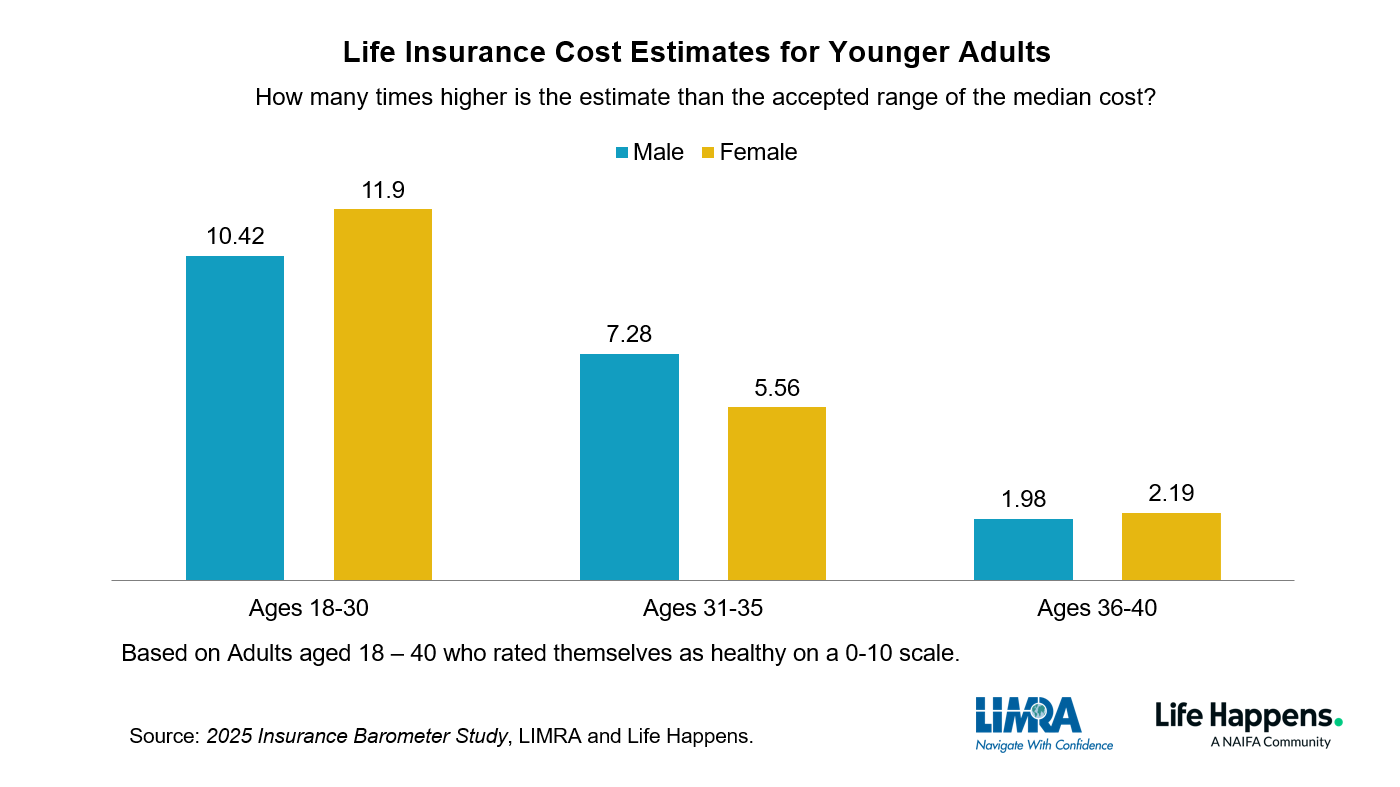
The younger you are, the less you pay for life insurance. That’s because younger people are less likely to die soon, so insurance companies take less risk. For example, a healthy 30-year-old might pay $20 a month for the same policy that would cost a 50-year-old $70 a month.
Health And Medical History
Your health plays a big role. If you have a history of serious illness, high blood pressure, or smoke, you’ll pay more. Insurers often ask for a medical exam or health questions to check your risk. Even small things—like being overweight—can raise your premium.
Gender
Women usually pay less than men for life insurance. This is because, on average, women live longer. A 35-year-old woman might pay $22 a month for a policy that would cost a man $25.
Type Of Policy
There are two main types: term life and whole life. Term life is usually cheaper and lasts a set number of years. Whole life is more expensive but lasts your entire life and builds cash value. The type you choose will have a big impact on your cost.
Coverage Amount
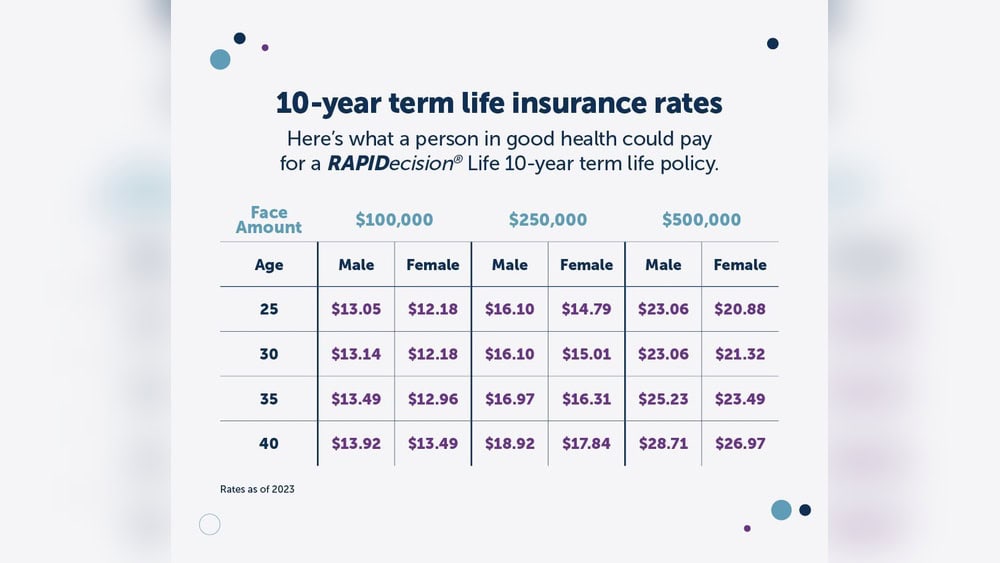
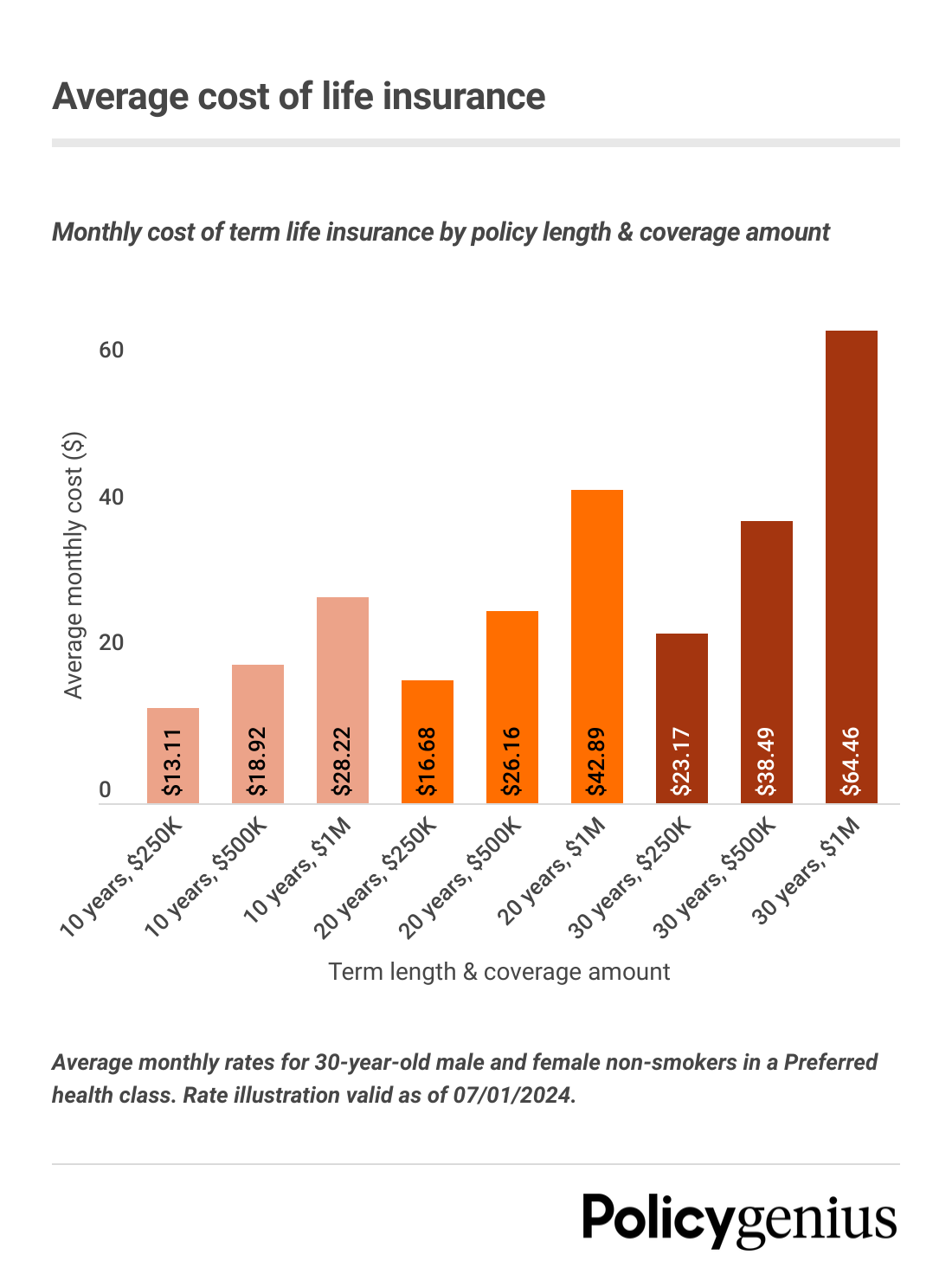
The more coverage you want, the higher your premium. A $1 million policy costs much more than a $100,000 policy. But sometimes, doubling your coverage doesn’t double the price. Larger policies can be more cost-effective per dollar.
Policy Length (term Length)
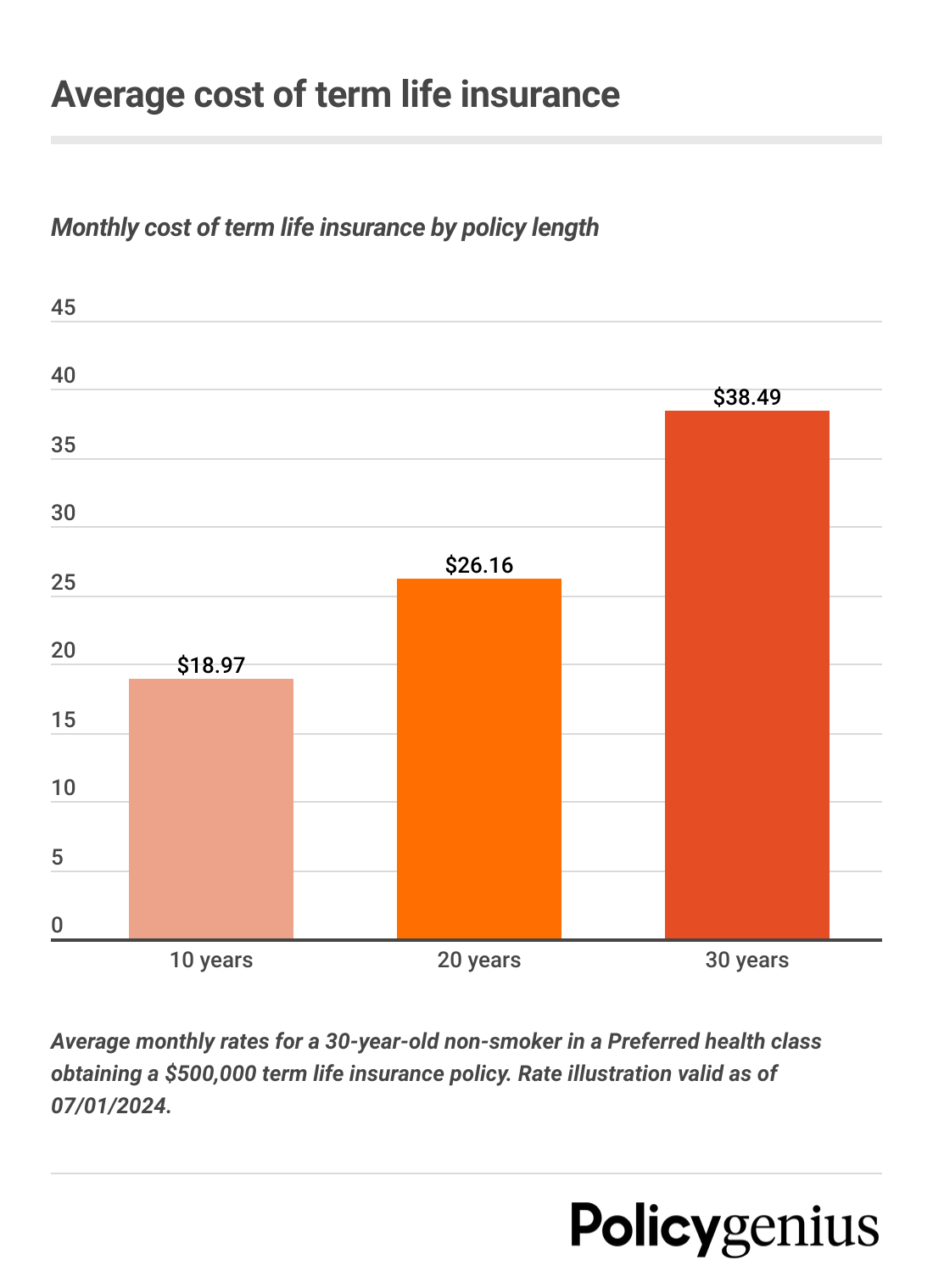
For term life insurance, the length of the policy matters. A 10-year term costs less than a 30-year term. If you need coverage for a longer time, expect to pay more.
Lifestyle And Occupation
If you have a risky job or dangerous hobbies—like skydiving or scuba diving—your rates will be higher. Even frequent travel to dangerous countries can increase your price.
Family Medical History
If close family members had diseases like cancer or heart problems at a young age, your premium may be higher. Insurers see family history as a sign of possible future health risks.
Typical Life Insurance Costs By Age
Insurance companies use age as a starting point for pricing. Here’s a look at average monthly costs for a $500,000, 20-year term life policy for healthy non-smokers:
| Age | Male | Female |
|---|---|---|
| 25 | $21 | $18 |
| 35 | $25 | $22 |
| 45 | $46 | $38 |
| 55 | $120 | $89 |
These prices are only averages. Actual costs can be higher or lower based on your health, job, and other factors. Smokers, for example, often pay two to three times more than non-smokers.
Term Life Vs Whole Life: Cost Comparison
The type of life insurance you choose is one of the biggest factors in what you pay. Term life and whole life serve different needs, and their costs are very different.
| Policy Type | Coverage | Monthly Cost (Age 35, $500,000) |
|---|---|---|
| Term Life (20-year) | Death benefit only | $25 (male) |
| Whole Life | Death benefit + cash value | $350 (male) |
As you can see, whole life insurance costs much more each month. That’s because it lasts your whole life and includes a cash value part you can borrow against. Term life is much cheaper and works well if you only need coverage for a set time, like while your kids are growing up.
How Coverage Amount Affects Cost
Choosing the right coverage amount is key. Too little, and your family may struggle. Too much, and you may overpay for years. Here’s how monthly costs change for a 35-year-old male buying term life:
| Coverage Amount | Monthly Cost (20-year term) |
|---|---|
| $100,000 | $13 |
| $250,000 | $17 |
| $500,000 | $25 |
| $1,000,000 | $40 |
Notice that doubling the coverage from $500,000 to $1,000,000 doesn’t double the price. This is a non-obvious way to get better value if you need more coverage.
Hidden Factors That Change Your Cost
Most shoppers look at age and health, but some less obvious details can also change your rate:
- Insurance Company – Each company uses its own formula for pricing. The same person can get very different quotes from different insurers.
- Payment Frequency – Paying yearly can sometimes save you money compared to paying monthly.
- Riders and Add-Ons – Adding extra options, like disability or child coverage, will increase your premium.
- State Regulations – The state you live in can affect your price, because of local laws and taxes.
Many buyers miss these details and end up paying more than they need to. For example, choosing a policy with “living benefits” can raise your premium, but it might be worth it if you want extra flexibility.
Sample Life Insurance Quotes
Let’s look at some real-world examples. These sample quotes are for healthy non-smokers and can help you see how prices change with age and coverage:
- 30-year-old male, $250,000, 20-year term: $16/month
- 40-year-old female, $500,000, 20-year term: $30/month
- 50-year-old male, $1,000,000, 10-year term: $130/month
- 45-year-old female, $100,000, 20-year term: $22/month
If you smoke, your premium can be two to three times higher. For example, a 35-year-old male smoker might pay $70 per month for the same policy a non-smoker gets for $25.
How To Lower Your Life Insurance Cost
Buying life insurance doesn’t mean you have to pay top dollar. Here are some smart steps to keep costs down:
- Buy When You’re Young: Rates go up every year you wait. Locking in a policy in your 20s or 30s is usually cheapest.
- Improve Your Health: Losing weight, quitting smoking, or lowering blood pressure before you apply can save you money for years.
- Compare Quotes: Get prices from at least three companies. Prices can vary by 30% or more for the same coverage.
- Choose the Right Policy: Don’t buy more coverage or a longer term than you need. Fit the policy to your life stage.
- Pay Annually: If you can, pay once a year to avoid extra monthly charges.
- Skip Unnecessary Riders: Only add extra features if you really need them.
- Work With an Independent Agent: They can help you find the best deal for your situation.
One insight many people miss: applying for life insurance before a big birthday (such as turning 40 or 50) can lock in a lower rate. Companies often raise rates in five- or ten-year age bands.
Common Mistakes To Avoid
Many people make simple mistakes when buying life insurance, leading to higher costs or not enough coverage. Here are some to watch out for:
- Waiting Too Long: Delaying can cost you. Even one or two years can make a big difference in price.
- Underestimating Coverage Needs: It’s easy to choose a number that “feels right,” but if you don’t calculate your family’s needs, you might leave them with too little.
- Overpaying for Whole Life: Whole life insurance can be a good tool, but many people buy it when a cheaper term life policy would do the job.
- Ignoring the Fine Print: Some policies have exclusions, like not paying out for certain causes of death in the first few years.
- Not Reviewing Your Policy: Life changes. Check your coverage every few years, especially after big events like marriage, a new baby, or a job change.
A less-known mistake: some buyers get “group” life insurance at work and think it’s enough. These policies are often small and may not follow you if you change jobs.
Life Insurance For Different Needs
Life insurance isn’t just for parents with young children. The right policy can protect people in many situations:
- Young Singles: If you have private student loans or want to lock in a low rate for the future.
- Families: To provide for children, pay off a mortgage, or cover college.
- Business Owners: To protect partners and employees if something happens to you.
- Older Adults: To cover final expenses or leave a legacy.
Some people buy a mix of term and whole life—called “laddering”—to cover different needs at different times. For example, you might buy a large term policy while your kids are young, and a small whole life policy for lifelong needs.
How The Application Process Affects Cost
Getting life insurance isn’t instant. Here’s what to expect:
- Application: You answer questions about your health, job, and lifestyle.
- Medical Exam (sometimes): Many term life policies require a brief health check.
- Underwriting: The insurance company reviews your info and decides your “risk class.” This sets your final price.
- Approval: If you qualify, you get a final offer and can start your policy.
Some insurers now offer “no-exam” life insurance, which can be faster. However, these policies often cost more because the company takes on extra risk.
Is Life Insurance Worth The Cost?
Many wonder if life insurance is worth paying for year after year. The answer depends on your family’s needs and your financial goals.
- If you have children, a spouse, or others who depend on your income, life insurance is often a smart investment.
- If you have enough savings or no dependents, a small policy might be enough.
One way to see the value: think of life insurance as a safety net. For a small monthly cost, you protect your loved ones from serious financial trouble if something happens to you.
For more detail on how life insurance works, you can check Investopedia’s guide.
Frequently Asked Questions
How Much Life Insurance Do I Really Need?
A good rule is 5 to 10 times your yearly income, plus any debts (like a mortgage) and future needs (like college for kids). Online calculators can help, but also think about your family’s lifestyle and goals.
Why Is Term Life Insurance So Much Cheaper Than Whole Life?
Term life covers you for a set time and pays only if you die during that period. Whole life lasts your entire life and adds a savings part, which makes it much more expensive.
Can I Get Life Insurance Without A Medical Exam?
Yes, some companies offer “no-exam” or “simplified issue” policies. These are often more expensive and have lower coverage limits, but they can be a good fit if you need coverage quickly.
What Happens If I Outlive My Term Life Policy?
If your term ends and you’re still alive, the policy ends, and you get nothing back. Some policies let you convert to whole life or renew, but the price will be much higher.
Does Life Insurance Pay Out For Any Cause Of Death?
Most policies pay for any cause of death except suicide in the first few years or fraud. Some may not cover deaths from risky activities unless you told them about these when you applied.
Life insurance can feel complicated, but knowing what affects the cost helps you make the right choice for your family. Compare quotes, buy early, and review your needs every few years. The peace of mind is often worth much more than the monthly price.