
Buying a home is a big milestone for many people. But it also comes with lots of questions, especially about finances and protection. One question that often comes up is: does life insurance affect your mortgage? For many, these two topics seem separate, but in reality, they are closely connected. Understanding how they relate can help you make smarter decisions, protect your family, and avoid common mistakes.
Let’s explore how life insurance and mortgages are linked, what homebuyers should know, and the practical steps you can take to secure both your home and your loved ones. Whether you’re buying your first house, refinancing, or just curious about your options, you’ll find clear and helpful answers here.

Understanding Life Insurance And Mortgages
It’s important to start with the basics. Life insurance is a contract with an insurance company. You pay premiums, and if you pass away, your chosen beneficiaries receive a sum of money (the death benefit). This money can cover many things, including living expenses, debts, and, yes, a mortgage.
A mortgage is a loan you use to buy property, often repaid over 15 to 30 years. If you pass away before it’s paid off, your family still needs to make those payments or risk losing the home.
The connection is simple: life insurance can help your loved ones pay off the mortgage if you die unexpectedly. But there’s more to it than that. Let’s look at how and why these two financial products often go hand in hand.
How Life Insurance Can Support Your Mortgage
For most families, the mortgage is the biggest debt they have. If the main breadwinner dies, it can be very hard for the family to keep up with payments. This is where life insurance becomes a safety net.
Here’s how life insurance can help:
- Pays off the remaining mortgage: If you have a policy big enough, the death benefit can pay off the entire balance.
- Covers monthly payments: If the policy is smaller, it might cover several years of payments, giving your family time to adjust.
- Protects your family’s home: Your loved ones can stay in the home without worrying about foreclosure.
Example
Imagine you have a $300,000 mortgage and a 20-year term life insurance policy with a $350,000 death benefit. If you pass away during those 20 years, your family can use the payout to pay off the mortgage and have some extra left for other needs.
Types Of Life Insurance Used With Mortgages
There are a few types of life insurance that people use to protect a mortgage. Understanding the differences is important.
| Type of Insurance | How It Works | Best For |
|---|---|---|
| Term Life Insurance | Lasts for a set number of years (like 20 or 30). Pays a set amount if you die during the term. | Most homeowners with a set mortgage term |
| Whole Life Insurance | Covers you for life. Has a cash value you can borrow against. More expensive. | People who want lifelong coverage and cash value |
| Mortgage Life Insurance | Pays off your mortgage if you die. The payout goes straight to the lender, not your family. Payout decreases as you pay down the loan. | Homeowners who only want the mortgage covered |
Term life insurance is the most popular for covering a mortgage. It is affordable and easy to match to your loan term.
Is Life Insurance Required To Get A Mortgage?
In the United States, life insurance is not required to get a mortgage. Lenders usually focus on your income, credit score, and down payment—not your life insurance status.
However, some lenders may recommend or offer mortgage life insurance, especially with certain types of loans or if you have a low down payment. In rare cases, lenders may require you to have insurance if you have a high-risk profile, but this is uncommon.
The key point: You can buy a house without life insurance, but having a policy is a smart way to protect your investment and your family.
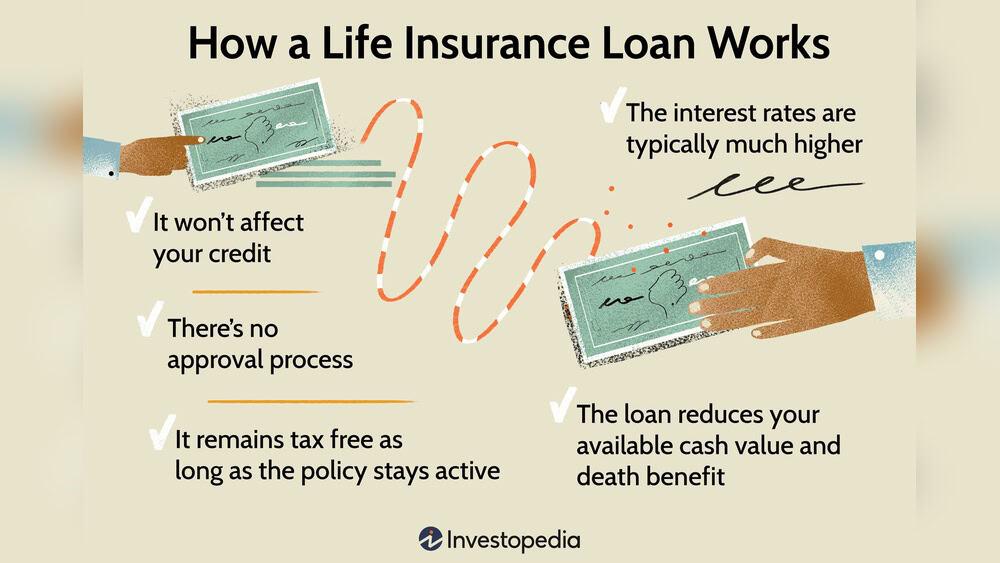
:max_bytes(150000):strip_icc()/Life-Insurance-a8aee8e3024145a8b454ea19df030418.png)
Should You Use Life Insurance To Cover Your Mortgage?
This is a very personal choice. Let’s look at the main reasons people choose to do this—and reasons they might not.
Benefits Of Using Life Insurance For Your Mortgage
- Protects your family: Your loved ones don’t have to worry about losing the home if you die.
- Flexibility: With regular life insurance (not mortgage life), your family can use the money for anything, not just the house.
- Peace of mind: You know your biggest debt won’t be a burden on your family.
Possible Drawbacks
- Cost: Life insurance is an extra monthly expense.
- May not be needed: If you have lots of savings or no dependents, you may not need a big policy.
- Changing needs: As you pay down your mortgage, you might not need as much coverage.
Common Mistake
Some people buy only a mortgage life insurance policy, thinking it’s enough. But this type pays the lender, not your family. It also usually decreases in value as you pay off the loan. A regular term life policy offers more flexibility and value for most people.
How Much Life Insurance Do You Need For A Mortgage?
A common rule is to buy a policy that matches your mortgage amount and term. For example, if you have a $250,000 mortgage with 25 years left, a 25-year term policy with a $250,000 death benefit is a good fit.
But that’s not the whole story. You may want to add more coverage for other needs:
- Living expenses for your family
- Children’s education
- Other debts (car loans, credit cards)
It’s smart to review your needs every few years. As your mortgage goes down or your income changes, you might need more or less coverage.
Example Calculation
Let’s say:
- Mortgage balance: $200,000
- Credit card debt: $10,000
- Expected college costs: $40,000
- Funeral costs: $10,000
Total Suggested Coverage: $260,000
Does Having Life Insurance Affect Your Mortgage Application?
For most homebuyers, having life insurance does not affect your mortgage approval process. Lenders don’t require you to have a policy and don’t check if you have one.
However, some indirect effects may come up:
- Budgeting: If you pay for life insurance, it’s part of your monthly expenses, which lenders consider when checking your ability to pay the mortgage.
- Better peace of mind: If you have life insurance, you may feel more confident taking on a larger mortgage, knowing your family is protected.
When Lenders Ask About Insurance
With some types of loans—like reverse mortgages or jumbo loans—a lender may ask about your insurance or suggest you get coverage. This is rare for typical home purchases.
Mortgage Protection Insurance Vs. Regular Life Insurance
Many banks and lenders offer a product called mortgage protection insurance (MPI). This is not the same as regular life insurance.
| Feature | Mortgage Protection Insurance | Regular Life Insurance |
|---|---|---|
| Payout | Goes to the lender | Goes to your chosen beneficiaries |
| Coverage amount | Decreases as you pay off your mortgage | Stays the same for the term |
| Use of funds | Only for paying off the mortgage | Can be used for anything |
| Cost | May be higher per dollar of coverage | Usually cheaper, especially if you’re healthy |
| Medical exam | Usually not required | May be required for better rates |
Tip: For most people, a regular term life insurance policy is cheaper and provides more options.
Real-world Example: What Happens Without Life Insurance?
Sarah and Mike bought their first home with a $280,000 mortgage. Mike was the main earner. Sadly, he died in a car accident two years later. Sarah struggled to keep up with the mortgage on her income alone. After six months, she had to sell the house and move in with family.
If Mike had life insurance, Sarah could have paid off the mortgage and stayed in her home. This story is more common than you think—about 40% of American adults have no life insurance at all.
Common Myths About Life Insurance And Mortgages
Myth 1: “my Spouse Will Get The House Anyway.”
Not always. If you die, your spouse is responsible for the mortgage. If they can’t pay, the bank can foreclose. Life insurance gives your spouse options.
Myth 2: “life Insurance Is Too Expensive.”
For many people, term life insurance is affordable. A healthy 35-year-old can get $250,000 of coverage for around $20–$30 a month.
Myth 3: “i Have Group Life Insurance At Work; That’s Enough.”
Work policies are often small and may not follow you if you leave your job. It’s safer to have your own policy.
How To Choose The Right Life Insurance For Your Mortgage
Choosing the right policy involves a few steps:
- Decide the amount: Start with your mortgage balance and add other needs.
- Pick the term: Match it to the years left on your mortgage.
- Compare policy types: Term life is best for most, but consider whole life if you want lifelong coverage.
- Shop around: Get quotes from several companies.
- Check the company’s reputation: Look for strong financial ratings and good customer service.
Factors That Affect Your Premium
- Age: Younger people pay less.
- Health: Better health means lower rates.
- Smoking: Smokers pay much more.
- Policy size: Larger policies cost more.
- Policy term: Longer terms cost more.
What Happens To Your Mortgage If You Die Without Life Insurance?
If you pass away and there’s no life insurance, your family has a few options:
- Continue payments: If they can afford it, they can keep the house.
- Sell the home: They may need to sell if they can’t afford payments.
- Default/Foreclosure: If they can’t pay and can’t sell, the bank may take the home.
Life insurance gives your loved ones the choice to keep the home, pay off the debt, or use the funds as they wish.

Two Insights Most People Miss
- Group life insurance rarely covers the mortgage. Many people rely on life insurance from work, but it’s usually not enough. Plus, if you change jobs, you could lose it. Always check the actual coverage amount and if it’s portable.
- You don’t have to name the lender as your beneficiary. Even if you buy life insurance to protect the mortgage, you can name anyone you choose. This gives your family more flexibility in how to use the payout.
When Might You Not Need Life Insurance For Your Mortgage?
There are times when extra coverage may not be necessary:
- You’re single with no dependents: If no one relies on your income, you may not need a big policy.
- You have enough assets: If you have lots of savings or investments, your family can use those to cover the mortgage.
- Your mortgage is almost paid off: The risk to your family is much lower.
Still, some people choose to keep coverage for peace of mind.
How Life Insurance Can Help With Mortgage Refinancing
When you refinance your mortgage, your debt amount and term may change. It’s a good time to review your life insurance. You might need to:
- Increase your coverage if you took out a larger loan
- Extend your policy if you got a longer term
- Reduce coverage if your debt is lower
Keeping your life insurance in sync with your mortgage is a smart move.
Steps To Get Life Insurance For Your Mortgage
If you decide life insurance is right for you, here’s a step-by-step guide:
- Assess your needs: Add up your mortgage, debts, and extra coverage needs.
- Research policy types: Decide between term or whole life.
- Get multiple quotes: Rates can vary a lot between companies.
- Apply: Fill out the application. You may need a medical exam.
- Review your offer: Check the premium, term, and any exclusions.
- Name your beneficiaries: Choose who will receive the payout.
- Keep your policy updated: Review it if your life changes—marriage, children, new loans.

The Role Of Life Insurance In Estate Planning
Life insurance doesn’t just cover the mortgage. It’s also a key part of estate planning. The payout can:
- Help pay estate taxes
- Cover funeral costs
- Provide for children or dependents
Having a policy in place makes things much easier for your loved ones during a difficult time.
Real Data: How Many People Use Life Insurance For Mortgages?
According to the Insurance Information Institute, about 60% of Americans with mortgages also have life insurance. However, around 1 in 3 families say they would face financial hardship within one month if the main breadwinner died.
This shows that while many people have some coverage, many others are still at risk.
Key Takeaways
- Life insurance does not directly affect your mortgage approval, but it’s a smart way to protect your home.
- The right policy can pay off your mortgage if you die, keeping your family safe from losing their home.
- Term life insurance is usually the best choice for most homeowners.
- Always review your coverage as your life and finances change.
- Don’t rely only on mortgage life insurance or work policies.
If you want more detailed information on mortgages and life insurance, you can visit the Insurance Information Institute.
Frequently Asked Questions
What Is The Difference Between Term Life Insurance And Mortgage Protection Insurance?
Term life insurance pays your chosen beneficiaries a set amount if you die during the policy term. Mortgage protection insurance pays off your remaining mortgage balance directly to your lender if you die. Term life gives your family more flexibility and is usually cheaper.
Is Life Insurance Required To Get A Mortgage?
No, life insurance is not required for most mortgages in the US. However, it is strongly recommended to protect your family and home.
Can I Use Life Insurance Money For Things Other Than The Mortgage?
Yes, if you have a regular life insurance policy, your beneficiaries can use the payout for any needs—mortgage, living costs, education, or other debts.
Will Having Life Insurance Help Me Get A Better Mortgage Rate?
No, having life insurance does not impact your mortgage interest rate. Lenders focus on your credit, income, and down payment.
What Happens To My Mortgage If I Die And Don’t Have Life Insurance?
Your family will still be responsible for the mortgage. If they can’t pay, they may have to sell the home or risk foreclosure. Life insurance gives them options and financial security.
Taking the time to understand the link between life insurance and your mortgage can help you make wise decisions that protect your home and family for years to come. Even if you never need it, having the right coverage brings peace of mind—and that’s something every homeowner deserves.