
Are Life Insurance Proceeds Taxable?
Life insurance often brings peace of mind. It promises financial support for your loved ones if you’re no longer here. But many people worry about what happens when the money is paid out. Is it taxed? Will your family get the full amount? The rules can feel confusing and sometimes overwhelming, especially if English is not your first language. This article will break down everything you need to know about life insurance proceeds and taxes. You’ll learn how the laws work, see clear examples, and discover tips to avoid unwanted surprises. Let’s clear up the confusion so you can make informed decisions and protect your family.
What Are Life Insurance Proceeds?
When someone with a life insurance policy dies, the proceeds are the money paid out to their beneficiaries. These funds are sometimes called the “death benefit.” The amount depends on the policy, but it’s usually paid as a lump sum. For example, if your policy is worth $250,000, your beneficiary will get that amount after your death.

The proceeds can be used for many things:
- Paying funeral costs
- Covering debts (like a mortgage)
- Supporting family members
- Funding children’s education
Some policies also offer living benefits, which pay out before death in special cases (like terminal illness). But for most people, the main concern is what happens after death.
Basic Rule: Are Life Insurance Proceeds Taxable?
The simple answer is: Most life insurance proceeds are NOT taxable. In the US, the IRS generally does not consider death benefit payments as income. This means the beneficiary usually gets the full amount, without owing income tax.
However, there are exceptions. The money can be taxed in some situations, and other taxes may apply. Let’s look at the main rules and where they don’t apply.
When Are Proceeds Tax-free?
- The money is paid directly to a beneficiary (not the estate)
- The payout is received as a lump sum
- The beneficiary did not buy the policy from someone else
This covers most situations. For example, if your spouse is the beneficiary, they will get the full amount and won’t pay income tax on it.
When Can Taxes Apply?
- If the proceeds are paid to an estate, estate taxes may apply
- If the payout is not a lump sum (like monthly payments), interest earned can be taxable
- If the policy was transferred for money (like a business deal), proceeds may be taxed
- If the beneficiary receives extra money (such as investment gains), that portion is taxable
These exceptions can be confusing, so let’s break them down further.

Income Tax Vs. Estate Tax
Many people mix up income tax and estate tax. They are not the same, and each affects life insurance differently.
Income Tax
Income tax is paid on money you earn—like salary or interest. In most cases, life insurance proceeds are not considered income. The IRS sees them as compensation for loss, not profit.
Estate Tax
Estate tax is paid when someone dies and leaves behind assets worth more than a certain amount. The federal estate tax exemption is high—$12. 92 million in 2023. This means most estates will not pay federal tax. But some states have lower limits.
If the life insurance payout goes to the estate, it may be added to the total assets. If the estate is large enough, estate tax could apply.
Here’s a quick comparison:
| Tax Type | When It Applies | Life Insurance Impact |
|---|---|---|
| Income Tax | Regular earnings | Usually not on proceeds |
| Estate Tax | Large estates | If proceeds go to estate |
Interest On Life Insurance Proceeds
If the beneficiary does not take the money right away, the insurance company may pay interest. For example, if your spouse waits a year to collect, the company might pay extra.
Interest earned is taxable. Only the original death benefit is tax-free.
For example:
- Death benefit: $100,000 (not taxable)
- Interest earned: $2,000 (taxable as income)
This is a detail many people miss. Always ask how your policy pays out.
Who Is The Beneficiary?
The beneficiary is the person (or people) who receive the money. This can affect taxes.
- If a person is named as beneficiary, proceeds usually go directly to them and are tax-free
- If the estate is named as beneficiary, proceeds become part of the estate and may be taxed
It’s best to name individuals (like your spouse or children) as beneficiaries. This avoids estate taxes and speeds up the payout.
State Taxes: What To Watch Out For
Most US states do not tax life insurance proceeds. But a few have state estate taxes or inheritance taxes. The rules can be different from federal law.
States with estate taxes include:
- Massachusetts
- Oregon
- New York
- Minnesota
Some states have inheritance taxes, which are paid by the beneficiary. These include:
- Iowa
- Kentucky
- Nebraska
If you live in one of these states, check the rules carefully. The limits and rates can change.
Life Insurance Ownership And Taxation
Who owns the policy? This can affect taxes.
- If you own the policy, the proceeds are part of your estate
- If someone else owns it (like a trust), the money may not be taxed
Many wealthy people use irrevocable life insurance trusts (ILITs) to avoid estate tax. The trust owns the policy, so the proceeds don’t count as part of their estate.
This is an advanced strategy, but even regular families can benefit from proper planning.
Transfer For Value Rule
If you sell or transfer your life insurance policy to another person for money or other value, the proceeds may be taxed.
This is called the transfer for value rule. It’s designed to stop people from buying life insurance as an investment and getting tax-free money.
Common examples:
- Selling a policy to a business partner
- Transferring a policy as part of a divorce settlement
If the policy is transferred for value, part of the proceeds (usually the amount above what was paid) is taxable.
Group Life Insurance: Special Rules
Many employers offer group life insurance as a benefit. The tax rules here can be different.
- Up to $50,000 of coverage is tax-free for employees
- Coverage above $50,000 may be taxable as income
If you have group coverage, check your employer’s policies. Sometimes the premiums for extra coverage are included in your taxable income.
Comparing Lump Sum Vs. Installment Payments
Life insurance can pay out in different ways:
- Lump sum (one-time payment)
- Installments (monthly or yearly payments)
Lump sum payments are almost always tax-free. Installments may include interest, which is taxable.
Here’s a comparison:
| Payment Method | Tax on Proceeds | Tax on Interest |
|---|---|---|
| Lump Sum | No | No (unless delayed payout earns interest) |
| Installments | No | Yes (on interest portion) |
Examples: Real-life Scenarios
Let’s look at how the rules work in everyday situations.
Example 1: Family Policy
Maria has a $150,000 life insurance policy. She names her son as the beneficiary. After Maria passes away, her son receives the $150,000. He does not pay income tax on this money.
Example 2: Estate Named As Beneficiary
John has a $2 million policy. He forgets to name a beneficiary, so the proceeds go to his estate. John’s total estate is now $5 million. No federal estate tax applies (since it’s under $12. 92 million), but his state has estate tax above $2 million.
The estate pays tax, and the heirs get less.
Example 3: Interest Earned
Suzanne’s beneficiary decides to leave the $80,000 death benefit with the insurer for two years. It earns $4,000 in interest. The beneficiary pays income tax on the $4,000, not the $80,000.
Example 4: Transfer For Value
Michael sells his life insurance policy to his business partner for $10,000. When Michael dies, the partner gets $100,000. The IRS taxes the amount above $10,000 (minus any premiums paid).
Common Mistakes To Avoid
Many people misunderstand the tax rules. Here are mistakes to watch for:
- Naming the estate as beneficiary – This can cause estate tax and delays.
- Leaving proceeds with the insurance company – Interest earned is taxable.
- Not updating beneficiaries – If you divorce or remarry, update the policy.
- Ignoring state laws – Some states have extra taxes.
- Assuming all proceeds are tax-free – Transfers for value or interest can be taxed.
How To Maximize Tax-free Benefits
You can take steps to protect your loved ones from taxes.
- Name individuals as beneficiaries, not your estate
- Keep your estate below the tax limits
- Use trusts for large policies
- Take lump sum payouts to avoid taxable interest
- Review your policy after big life changes
Sometimes, consulting a financial advisor or tax expert is helpful. They can spot issues you might miss.
Data: Life Insurance And Us Households
Life insurance is common in the US. Here are some quick facts:
- About 54% of Americans have some form of life insurance
- Average policy size is $168,000
- Only 2% of estates pay federal estate tax
These numbers show most families will not face tax issues, but it’s still important to check your situation.
:max_bytes(150000):strip_icc()/Insurance-proceeds-Final-183c4c166d0a4daf807c544886078f50.jpg)
Irs Guidelines And Resources
The IRS has clear rules about life insurance proceeds. Most payouts are not taxable, but there are exceptions. You can read the official guidelines on the IRS website or by checking trusted sources like Investopedia.
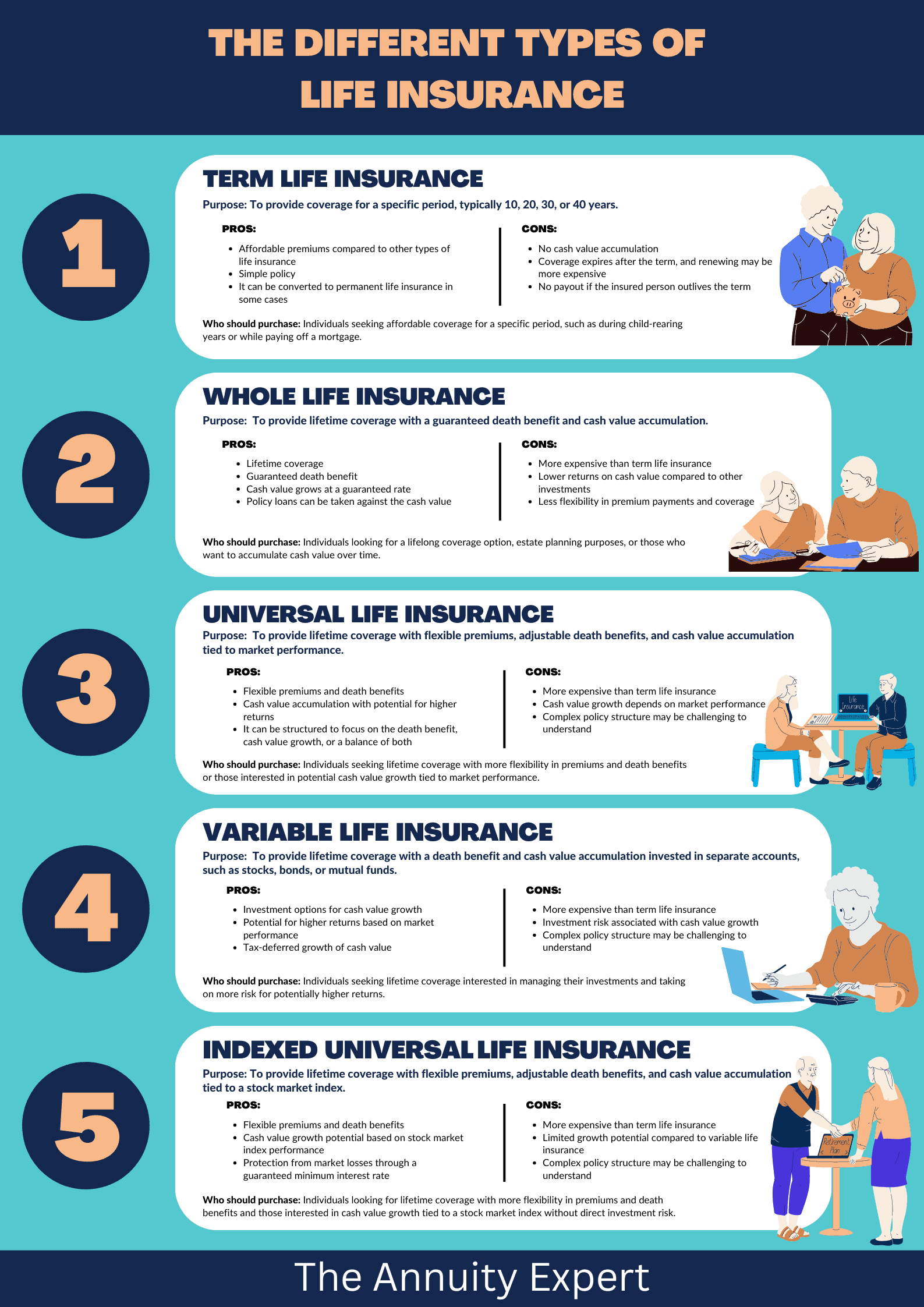
Taxation By Policy Type
Different types of life insurance can affect taxes.
Term Life Insurance
- Pays out only if the insured dies during the term
- Proceeds are usually tax-free
Whole Life Insurance
- Pays out when the insured dies (no matter when)
- Has a cash value component
- Death benefit is tax-free
- Cash value may be taxable if withdrawn
Universal Life Insurance
- Flexible premiums and death benefit
- Has a cash value
- Death benefit is tax-free, but cash value withdrawals can be taxed
Here’s a comparison:
| Policy Type | Death Benefit Tax | Cash Value Tax |
|---|---|---|
| Term Life | No | N/A |
| Whole Life | No | Yes (if withdrawn) |
| Universal Life | No | Yes (if withdrawn) |
Planning For International Policies
If you have a policy from a foreign insurer, or live outside the US, different rules may apply. Some countries tax life insurance proceeds, or have lower estate tax limits.
If you are a US citizen with a foreign policy:
- The IRS may still tax the proceeds
- Foreign tax treaties may affect the rules
Always check with a local expert if your policy is international.
Advanced Strategies: Trusts And Gifting
If your estate is large, consider advanced planning.
Using Trusts
A life insurance trust can own the policy. This keeps the proceeds out of your estate, reducing estate tax. The trust must be set up correctly—once the policy is transferred, you cannot change it.
Gifting Policies
You can give your policy to someone else. If you do this, the proceeds are not taxed in your estate. However, you must follow gift tax rules. There are annual limits (currently $17,000 per person, per year).
These strategies are complex. Most people do not need them, but if your estate is large, speak with an advisor.
Getting Professional Help
Life insurance tax rules can be tricky. If your policy is large, or your situation is complex, get professional help.
- A financial advisor can explain the best ways to protect your family
- A tax expert can help you avoid costly mistakes
- An estate attorney can draft trusts or update your will
This is especially important for business owners, wealthy families, or anyone with multiple policies.
Frequently Asked Questions
What Happens If My Estate Is The Beneficiary?
If your estate receives the proceeds, the money becomes part of your assets. This can trigger estate tax if your estate is above the federal or state limit. It may also cause delays in payment.
Is The Cash Value Of My Policy Taxable?
The cash value is not taxed if left inside the policy. If you withdraw or borrow against it, you may pay taxes on the gains. The death benefit is usually tax-free.
Are Life Insurance Payouts Taxed In All Us States?
Most states do not tax life insurance proceeds. However, a few have estate or inheritance taxes. If you live in one of these states, check the rules before naming beneficiaries.
Can I Avoid Estate Tax By Using A Trust?
Yes, an irrevocable life insurance trust (ILIT) can keep the proceeds out of your estate. This is a common strategy for large policies. The trust must be set up before you die.
What If I Receive Interest From The Insurance Payout?
Any interest earned on life insurance proceeds is taxable as income. Only the original death benefit is tax-free. Ask your insurer how payouts are handled.
Life insurance is designed to protect your family, not create headaches. Most proceeds are tax-free, but some situations are more complicated. By understanding the rules, updating your policy, and planning ahead, you can make sure your loved ones get the support they need—without unwanted surprises.
If you’re unsure, ask for help. A little planning today can save a lot of trouble tomorrow.