
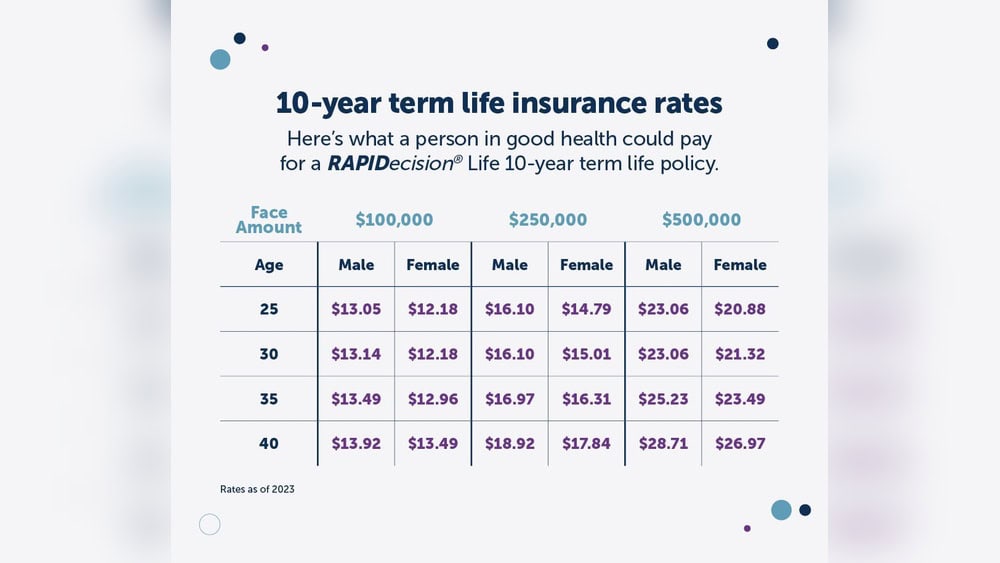
Starting a life insurance policy is a smart step toward protecting your family’s future. But many people wonder, “How much does it really cost to get started?” The answer depends on your age, health, policy type, and even where you live. Understanding these factors can help you plan your budget and avoid surprises. In this guide, you’ll learn what goes into the cost of a life insurance policy, see real numbers, and discover simple tips for getting the best value.
What Influences Life Insurance Startup Costs?
When you apply for life insurance, several factors affect your initial and ongoing costs. Here are the main elements:

- Type of policy: Term life is usually cheaper than whole life.
- Coverage amount: Higher coverage means higher cost.
- Age and health: Younger and healthier people pay less.
- Lifestyle: Smokers or people with risky hobbies pay more.
- Company and location: Prices can change by insurer and state.
Most companies ask for your medical history and may require a health exam. This helps them set your rate, called a premium.
Comparing Term Life Vs. Whole Life Policy Costs
Many people choose between term life and whole life insurance. Term life covers you for a set number of years, while whole life lasts your entire life and builds cash value.
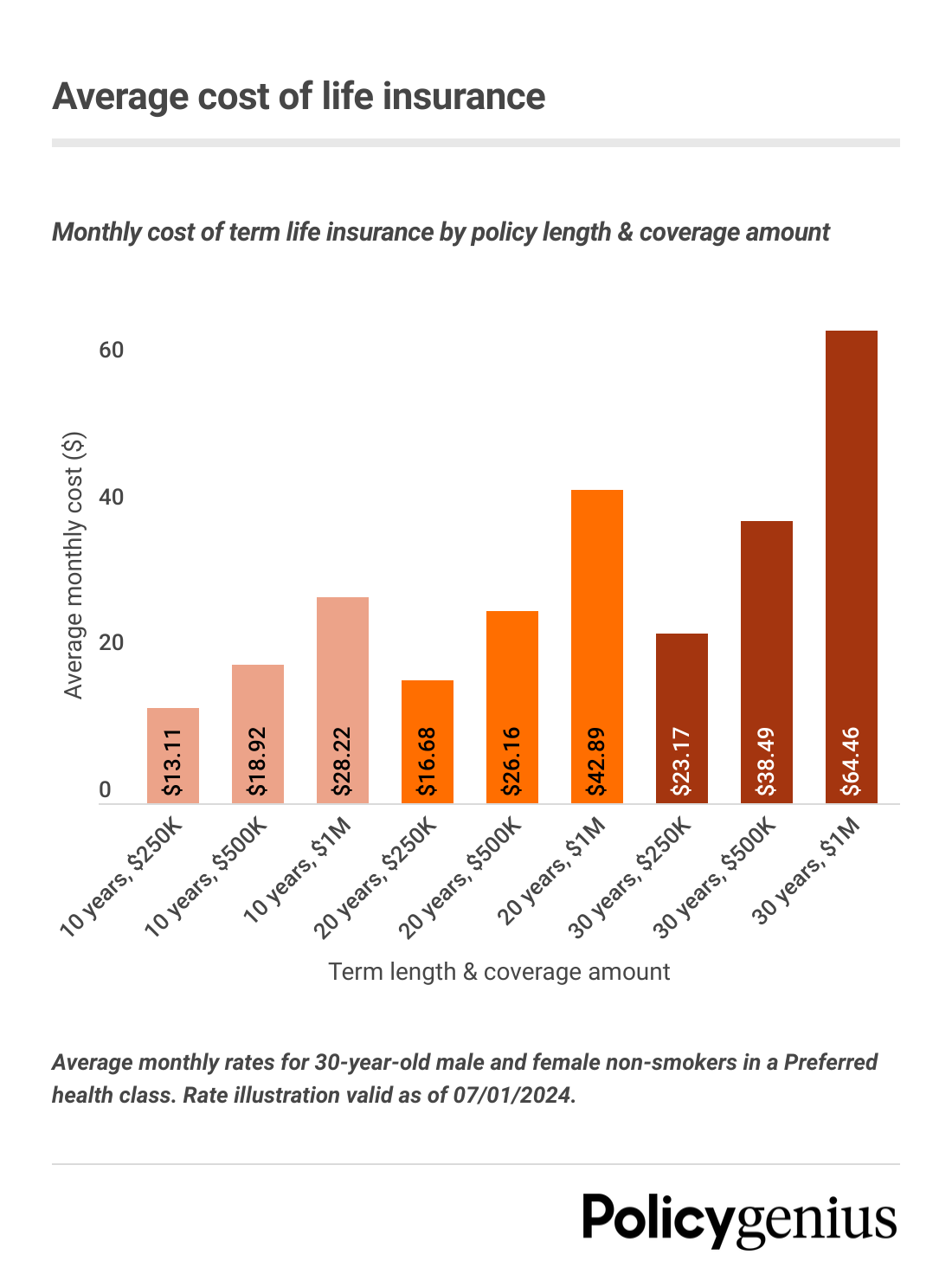
Here’s a side-by-side comparison for a healthy 30-year-old male, $500,000 coverage:
| Policy Type | Monthly Premium | Coverage Duration | Cash Value? |
|---|---|---|---|
| Term Life (20 years) | $25–$35 | 20 years | No |
| Whole Life | $200–$300 | Lifetime | Yes |
Key insight: Many beginners miss that whole life can cost 8-10 times more than term life. If your main goal is affordable protection, term life is usually the better starting point.
Sample Startup Costs: Age And Health Matter
Your first payment depends a lot on your age and health status. To see the difference, let’s compare term life monthly premiums for a non-smoker, $250,000 coverage:
| Age | Monthly Premium |
|---|---|
| 25 | $13–$17 |
| 35 | $16–$22 |
| 45 | $27–$43 |
| 55 | $62–$107 |
Tip: Buying sooner saves money. Waiting a decade could double your cost—even if you stay healthy.
Fees And One-time Charges
Most life insurance policies do not have a big upfront fee. Instead, you pay your first month’s premium to start coverage. However, some companies may charge:
- Application or policy fee: Usually $25–$50, sometimes included in premium
- Medical exam fee: Often covered by the insurer, but not always
Always ask if any fees are refundable if you decide not to continue.
Monthly Vs. Annual Premiums
You can often choose to pay your premium monthly or annually. Paying once per year can sometimes save you money—usually 2% to 5%.
| Payment Method | Sample Annual Cost (Term Life, 35 years old, $250,000) |
|---|---|
| Monthly | $204–$264 |
| Annual | $198–$255 |
Insight: Many beginners don’t realize that a small annual discount is possible. If you can afford to pay once per year, ask your insurer for the annual rate.
How Much Coverage Should You Buy?
The right amount depends on your goals. Some people want to cover only funeral costs, while others want to replace years of income or pay off a mortgage.
Common advice is to buy 10–15 times your annual income. For example, someone earning $50,000 per year might consider $500,000–$750,000 in coverage. But always check what you can afford—don’t buy more than you need.

Common Mistakes And How To Avoid Them
- Buying too little coverage: Some people choose the cheapest plan, but it may not help their family enough.
- Focusing only on price: The cheapest policy is not always the best. Check the company’s reputation and claim process.
- Waiting too long: Costs rise with age. Lock in a rate while you’re young and healthy.
- Not reviewing every few years: Your needs change. Review your policy when your life changes (marriage, kids, mortgage, etc. ).
How To Get The Best Value
- Shop around: Compare at least 3 companies before deciding.
- Ask about discounts: Some insurers give lower rates if you’re a non-smoker or have a healthy lifestyle.
- Consider term life: For most people, it gives the best coverage per dollar.
- Use online calculators: They can estimate your premium quickly.
For more in-depth information, see this NerdWallet guide on life insurance costs.
Frequently Asked Questions
How Much Does It Cost To Start A Life Insurance Policy?
The startup cost is usually the first premium payment. For a healthy 30-year-old, a $250,000 term policy may start at $15–$20 per month. Whole life is much higher, often $150–$250 per month for the same coverage.
Do I Have To Pay Any Upfront Fees?
Most companies do not charge large upfront fees. You might pay a policy fee ($25–$50), but this is often part of your premium. Medical exams, if needed, are usually free.
Does Life Insurance Get More Expensive As I Age?
Yes, premiums increase with age. Locking in a policy early can save you thousands over the years.
Can I Lower My Life Insurance Cost?
You can lower costs by buying a term policy, improving your health, or choosing a lower coverage amount. Shopping around helps too.
What Happens If I Miss A Payment?
If you miss a payment, most insurers offer a grace period (usually 30 days). If you still don’t pay, your policy may lapse and you lose coverage.
Getting life insurance doesn’t have to be confusing or expensive. By understanding your options and comparing offers, you can protect your loved ones without breaking your budget. Start early, review your needs, and choose the coverage that fits your life best.