Applying for life insurance comes with questions that can feel personal. One of the most important is about nicotine use. This detail affects not only the cost of your policy but sometimes even your ability to get coverage. But how do life insurance companies really test for nicotine? Is it just a question on a form, or do they use science to uncover the truth? Understanding this process can help you prepare, avoid surprises, and make smarter decisions about your application.
Why Do Life Insurance Companies Test For Nicotine?
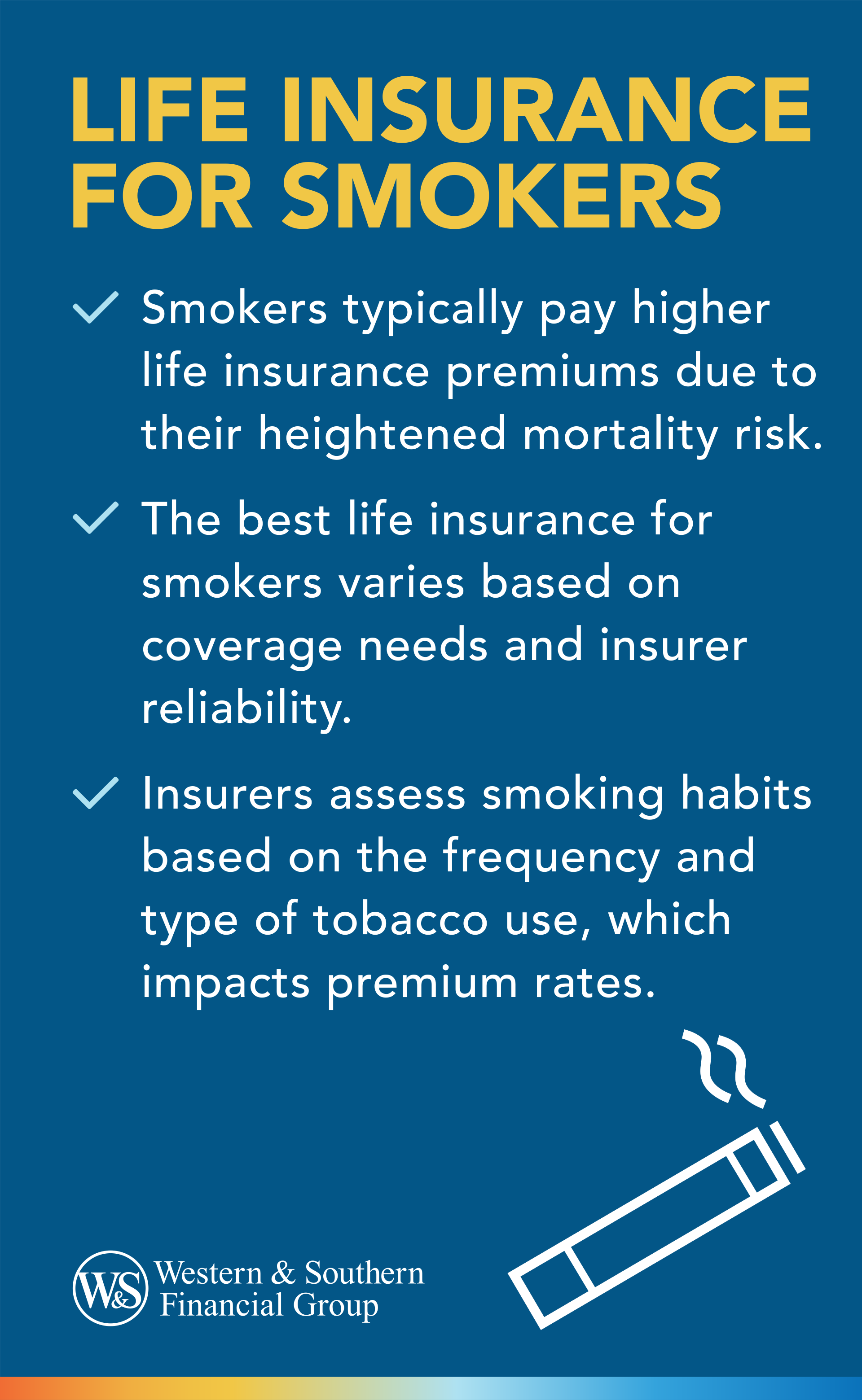
Life insurers manage risk. Nicotine use—whether from cigarettes, vaping, or chewing tobacco—raises the risk of health problems like cancer, heart disease, and stroke. According to the CDC, smokers are two to four times more likely to develop heart disease compared to non-smokers. These risks mean higher chances the company will pay out a claim earlier. To keep premiums fair for everyone, insurers separate tobacco users from non-users and set rates accordingly.

But people might not always tell the truth. That’s why companies use medical testing to confirm what you put on your application. This protects the company, but it also keeps the system fair for honest applicants.
What Are Life Insurance Companies Looking For?
The main goal is to find evidence of nicotine or cotinine (a byproduct your body makes when it processes nicotine). Cotinine stays in your system longer than nicotine, so it’s the preferred marker for testing. Insurers also want to know:
- The type of nicotine product (cigarette, cigar, vape, chewing tobacco, nicotine gum, etc.)
- How often you use it
- When you last used it
These factors help the company decide if you should pay tobacco rates or get cheaper non-tobacco rates.

The Application Process: Where Nicotine Testing Fits In
Most life insurance applications involve a few steps:
- Initial Application: You answer questions about your health, lifestyle, and habits—including nicotine use.
- Medical Exam: Many policies require a paramedical exam. A nurse or technician visits your home or office to collect samples.
- Lab Testing: Your samples go to a lab for analysis.
- Underwriting Decision: The company reviews the results and makes a final decision.
Some policies, especially those with higher coverage amounts, are stricter with testing. Others, called no-exam policies, may skip the medical exam but still check your prescription records or use other data.
How Do They Test For Nicotine? Main Methods Explained
1. Urine Test
This is the most common method. A urine sample is easy to collect and gives a reliable picture of recent nicotine use.
- Detects: Cotinine, the main nicotine metabolite
- Detection window: Usually up to 3-4 days after use, but heavy users can test positive for up to 3 weeks
- Why used: High accuracy, low cost
2. Blood Test
Some insurers use a blood test, especially for high-value policies. Blood tests are harder to cheat and can provide more health data.
- Detects: Both nicotine and cotinine
- Detection window: About 1-3 days for nicotine, up to 10 days for cotinine (can be longer for heavy users)
- Why used: Trusted for accuracy, checks overall health
3. Saliva Test
Saliva tests are less common but growing in popularity. They’re simple and non-invasive, but the detection window is shorter.
- Detects: Cotinine
- Detection window: 1-4 days, sometimes up to a week for frequent users
- Why used: Quick and easy for both applicant and examiner
4. Hair Test
Hair testing is rare for life insurance, but it’s used in special cases. It offers a long detection window.
- Detects: Cotinine
- Detection window: Up to 90 days or more
- Why used: When there are questions about long-term use
Here’s a simple comparison of these tests:
| Test Type | What It Detects | Detection Window | Common Usage |
|---|---|---|---|
| Urine | Cotinine | 3-21 days | Standard policies |
| Blood | Nicotine, Cotinine | 1-10 days | High-value policies |
| Saliva | Cotinine | 1-7 days | Some standard/no-exam |
| Hair | Cotinine | Up to 90 days | Rare/special cases |
What Substances Can Trigger A Positive Test?
Many people think only cigarettes count, but life insurers test for all nicotine sources. This includes:
- Cigarettes
- Cigars (even occasional)
- Vaping/e-cigarettes
- Chewing tobacco
- Nicotine gum or patches
- Hookah
- Snuff
Even if you use nicotine replacement to quit, you’ll likely test positive. Always be honest—insurers ask about all forms to set the correct rate.
How Long Does Nicotine Stay Detectable?
Nicotine itself clears out in a few hours, but cotinine (its main byproduct) stays much longer.
- Light/occasional users: Cotinine may clear in 2-4 days
- Heavy/regular users: Cotinine could be found for 2-3 weeks
- Very heavy use or long-term use: Sometimes up to 3 months in hair
This means you can’t simply stop for a few days and expect to pass as a non-user. Companies are aware of these timeframes and use them to spot recent quit attempts.
Here’s how long cotinine stays in different body samples:
| Sample Type | Average Detection Time | Who Might Use This Test? |
|---|---|---|
| Urine | 3-21 days | Most life insurers |
| Blood | 1-10 days | For high-value applicants |
| Saliva | 1-7 days | Some policies/rapid tests |
| Hair | Up to 90 days | Rare, special investigations |
What Happens If You Test Positive For Nicotine?
If you test positive and said you do not use nicotine, your application could be declined or you’ll be offered a tobacco user rate—which is usually much higher. In some cases, if you lied and a claim happens within the first two years, your family’s claim could even be denied because of material misrepresentation.
But if you’re honest and test positive, you’ll simply get the tobacco rate. These rates can be 2-4 times higher than for non-users. For example, a 40-year-old male might pay $80/month as a smoker for a $500,000, 20-year term policy, compared to $30/month as a non-smoker. The exact numbers depend on your health, age, and the insurer.
How Accurate Are Nicotine Tests?
Modern tests are very accurate. Labs use advanced equipment that can spot tiny amounts of cotinine. False positives are rare, but not impossible. Sometimes, exposure to secondhand smoke or certain foods (like poppy seeds) might cause a minor reading, but not enough to affect your status.
One non-obvious insight is that some medications can interfere with testing. For example, drugs for tuberculosis or depression can change how your body processes nicotine, possibly affecting results. If you have special circumstances, always tell the examiner before the test.
Can You Cheat A Nicotine Test?
Many people search for ways to “beat” a nicotine test. Drinking water, using detox kits, or exercising won’t reliably remove cotinine from your system in time. Most home remedies do not work. Labs are trained to spot diluted samples or other tricks.
A practical tip: if you are truly quitting, most companies want you to be nicotine-free for at least 12 months before they offer non-tobacco rates. Just quitting for a week or two is not enough.
How Life Insurers Classify Different Types Of Nicotine Use
Not all nicotine use is treated equally. Some insurers offer “occasional smoker” or “preferred cigar user” rates for people who only have a cigar at special events, while others treat all tobacco/nicotine use the same. Always ask the company about their rules before applying.
Here’s a quick comparison of how different types of use may be classified:
| Nicotine Product | Typical Rate Class | Special Notes |
|---|---|---|
| Cigarettes | Tobacco User | Highest rates |
| Cigars (occasional) | Sometimes Non-Tobacco | Depends on frequency and company |
| Vape/E-cigarettes | Tobacco User | Most treat as tobacco, some exceptions |
| Nicotine Gum/Patch | Tobacco User | Usually still tobacco rates |
| Chewing Tobacco | Tobacco User | Same as cigarettes |
Common Mistakes And Insights For Applicants
1. Not disclosing all nicotine use: Even if you just vape or use gum, you must answer “yes” to nicotine questions. Labs will catch it.
2. Believing occasional cigar use is always ignored: Some insurers allow a few cigars a year as non-tobacco, but many do not. Check the rules.
3. Thinking you can “clean up” for a week and pass: The body holds on to cotinine longer than most people expect.
4. Not understanding “tobacco rates”: These are much higher and can last for years—even if you quit soon after the test.
5. Forgetting to update your status: If you quit nicotine for over 12 months, you can often reapply or ask for a reconsideration to get non-tobacco rates. But you must prove you’ve stayed clean.
A less obvious tip: If you use CBD or medical marijuana, be aware that some vaping products can have traces of nicotine, even if you didn’t intend to use it. Always check product labels and tell your examiner.
What If You’re A Former Smoker?
If you quit recently, you still need to tell the truth. Most companies require you to be nicotine-free for 12 months (sometimes longer) before you qualify for non-tobacco rates. If you quit less than a year ago, you’ll usually pay higher rates for now.
However, after a year, you can often request a rate review. Some companies will lower your rates if you stay nicotine-free and retest.
What Happens If You’re Caught Lying?
Lying on your application is called material misrepresentation. If discovered during underwriting, your policy may be declined. If found after a claim is filed (such as after your death), your family’s payout could be reduced or denied, especially if within the policy’s first two years (the “contestability period”).
Tips For A Smooth Application Process
- Be honest: Always tell the truth about all nicotine products.
- Prepare for the exam: Get a good night’s sleep and be hydrated, but don’t try to “flush out” nicotine.
- Ask about special rules: If you use cigars rarely or are quitting, ask about company policies.
- Don’t delay if quitting: Some people wait to apply after quitting. But if you need coverage, get a policy now—you can ask for a rate reduction later.
For more on nicotine and health effects, see the CDC’s resource.
Frequently Asked Questions
How Long Do You Need To Be Nicotine-free To Get Non-tobacco Life Insurance Rates?
Most companies require you to be nicotine-free for at least 12 months before you qualify for non-tobacco rates. Some may ask for up to 24 months for the best rates.
Can Secondhand Smoke Cause A Positive Nicotine Test?
It’s rare, but heavy exposure to secondhand smoke can cause low cotinine levels. However, these are usually not high enough to classify you as a tobacco user unless exposure is extreme.
Will Nicotine Patches Or Gum Affect My Life Insurance Test?
Yes, using nicotine replacement (patches, gum, lozenges) will trigger a positive result. You must answer “yes” to nicotine questions even if you’re using them to quit.
What Happens If I Quit Smoking After I Buy A Policy?
You can ask for a rate review after you’ve been nicotine-free for 12 months. This may require a new medical exam, but you could save money if approved for non-tobacco rates.
Can I Get Life Insurance With No Nicotine Test At All?
Some “no-exam” policies don’t require a medical test, but they often charge higher premiums or have lower coverage limits. The company may still use pharmacy or medical records to check for nicotine use.
Navigating life insurance as a nicotine user can feel complex, but knowing how companies test—and why—puts you in control. Honest answers and realistic expectations will help you get the coverage you need, at the fairest price possible.