
Many people wonder if buying life insurance has any impact on their credit score. This question is important, especially for those planning their finances or thinking about big purchases like a home or a car. Understanding how life insurance and credit scores connect can help you make smarter decisions. Let’s clear up the confusion and explain what really happens when you buy life insurance.
What Is A Credit Score?
A credit score is a number that shows how trustworthy you are with money. Banks and lenders use it to decide if they should give you a loan or a credit card. In the United States, scores range from 300 to 850. The higher your score, the better your chances of getting a loan with a low interest rate.

Your credit score is based on:
- Payment history: Have you paid bills on time?
- Amount owed: How much money do you owe?
- Length of credit history: How long have you used credit?
- Types of credit: Do you have credit cards, loans, etc. ?
- New credit: Have you applied for new credit recently?
How Life Insurance Works
Life insurance is a contract between you and an insurance company. You pay a premium (usually monthly or yearly), and if you die, your family gets money, called the death benefit. There are different types of life insurance:
- Term life insurance: Covers you for a set period, like 10 or 20 years. If you die during that time, your family gets paid.
- Whole life insurance: Covers you for your entire life and builds cash value over time.
- Universal life insurance: Flexible, lets you adjust payments and coverage.
Does Life Insurance Affect Credit Score?
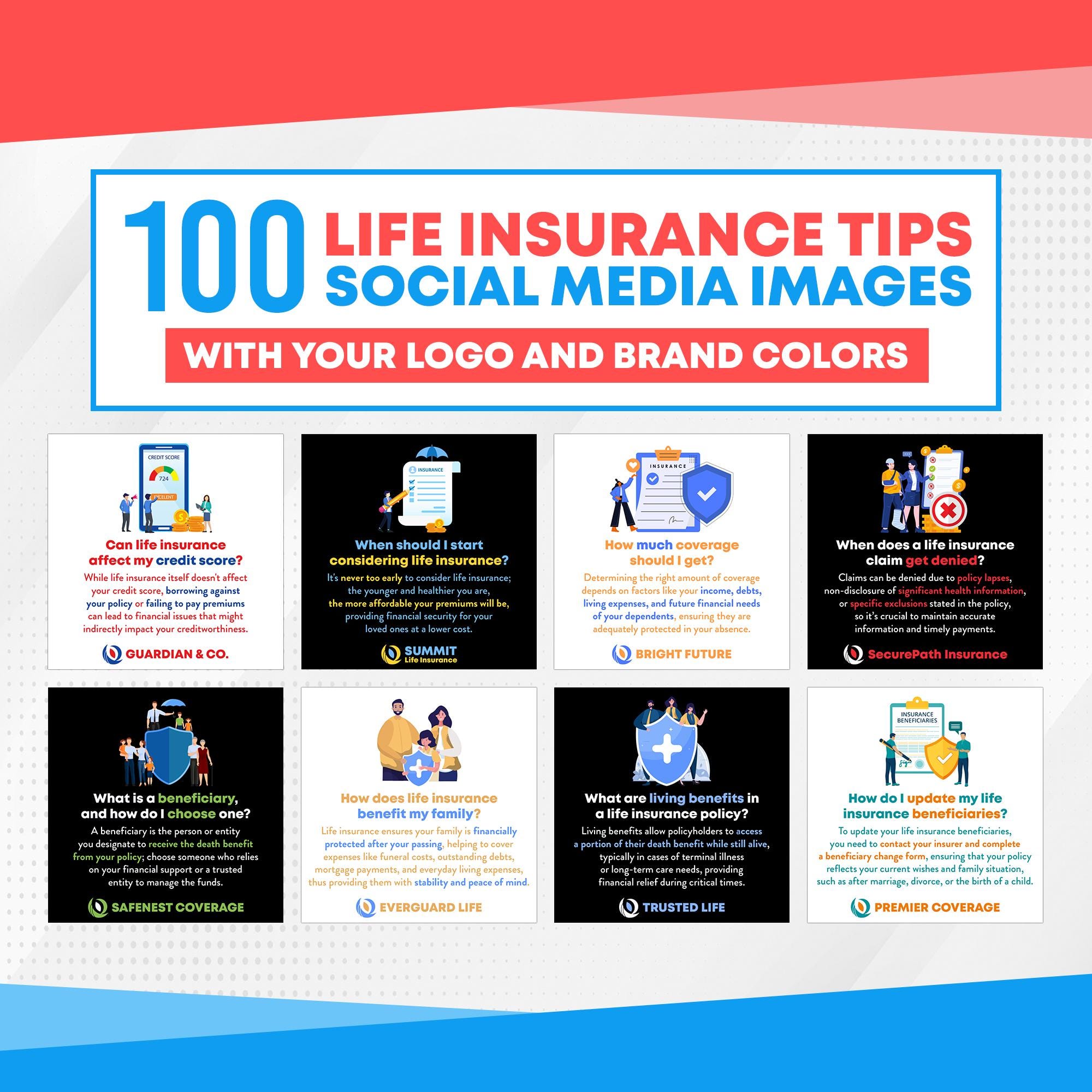
The short answer: Buying life insurance does NOT affect your credit score.
Here’s why:
- Insurance companies do not report your premium payments to credit bureaus.
- Applying for life insurance does not count as a credit inquiry that could lower your score.
- Your policy, payments, or coverage are not recorded on your credit report.
When Can Life Insurance Impact Your Credit?
There are a few rare situations where life insurance could touch your credit:
- Medical exam costs: If you don’t pay a medical bill from an insurance-required exam, and it goes to collections, it could hurt your score.
- Taking a loan from cash value: Some whole or universal life policies let you borrow money. If you don’t repay, the insurance company may deduct it from your death benefit, but it won’t affect your credit unless you default and the debt is sent to collections.
Non-obvious insight: Even if you borrow from your life insurance policy, it’s not reported like a regular loan. But if you make a habit of unpaid medical bills or miss payments for other debts, those actions—not the insurance—may impact your score.
Comparing Life Insurance And Credit Cards
Let’s see how life insurance and credit cards differ in their effect on credit scores.
| Factor | Life Insurance | Credit Card |
|---|---|---|
| Reported to Credit Bureaus | No | Yes |
| Monthly Payments Impact | No | Yes |
| Missed Payments Affect Score | No | Yes |
| Credit Inquiry | No | Yes |
What Happens During Application?
When you apply for life insurance, the company may check your credit history. This is called a soft inquiry, and it does not lower your credit score. It’s only used to help the insurer understand your financial behavior.
Non-obvious insight: Unlike loans or credit cards, even a “hard inquiry” is rare for life insurance. Insurers care more about your health and lifestyle than your credit score.
Paying Life Insurance Premiums
Paying your life insurance premiums on time is important to keep your coverage. But whether you pay by check, automatic withdrawal, or credit card, these payments are not tracked by credit bureaus.
Some people use a credit card to pay premiums, hoping to build credit. This won’t work because insurance payments are not reported.
Life Insurance Loans And Credit Score
Certain life insurance policies build cash value, which you can borrow against. If you take a loan and don’t repay, it won’t affect your credit score directly. The unpaid loan is subtracted from your death benefit, not sent to credit bureaus.
Here’s a simple comparison of borrowing from life insurance versus a personal loan:
| Feature | Life Insurance Loan | Personal Loan |
|---|---|---|
| Reported to Credit Bureaus | No | Yes |
| Impact on Credit Score | No | Yes |
| Default Consequence | Reduced death benefit | Credit score drops |
Practical Tips When Buying Life Insurance
- Check your budget: Make sure you can pay premiums, but don’t worry about credit score effects.
- Compare policies: Look for coverage that fits your needs, not your credit history.
- Keep medical bills paid: If you have medical tests for life insurance, pay those bills to avoid collection issues.
- Don’t use credit card for credit building: Paying premiums with a card won’t help your score.
:max_bytes(150000):strip_icc()/are-personal-loans-bad-your-credit-score.asp_FINAL-44664c5b7c6b4d73b8ddc4699d545722.png)
Common Misunderstandings
Some people believe that life insurance improves their credit score or that missing a premium hurts it. These are myths. Your life insurance policy is not connected to your credit file. Only debts, loans, and credit cards directly affect your score.
Key Differences: Life Insurance Vs. Other Financial Products
Life insurance is about protection, not borrowing or spending. Credit cards and loans are about using money and paying it back, so they are closely tied to your credit score.

External Resource
For more information on credit scores and how they work, visit Consumer FTC.
Frequently Asked Questions
Does Life Insurance Require A Credit Check?
Most life insurance companies do not need a credit check. If they do, it’s usually a soft inquiry that does not affect your score.
Can Missed Life Insurance Payments Hurt My Credit?
No. If you miss a premium, your policy may lapse, but it won’t show up on your credit report. Only unpaid debts sent to collections can impact your score.
Will Paying Life Insurance With A Credit Card Help My Credit Score?
No. Insurance companies do not report payments to credit bureaus, so using a credit card for premiums will not improve your score.
Do Life Insurance Loans Affect Credit Score?
Loans from your policy’s cash value are not reported to credit bureaus. If you don’t repay, your death benefit is reduced, but your score stays the same.
Can Medical Bills From Insurance Exams Affect Credit Score?
Yes, but only if you don’t pay and they go to collections. Always pay any bills from medical exams to avoid problems.
Buying life insurance is a smart step for protecting your family, but it does not affect your credit score. Focus on choosing the right coverage for your needs, paying premiums on time, and keeping other debts under control. This way, you build a strong financial foundation without worrying about your credit score.