
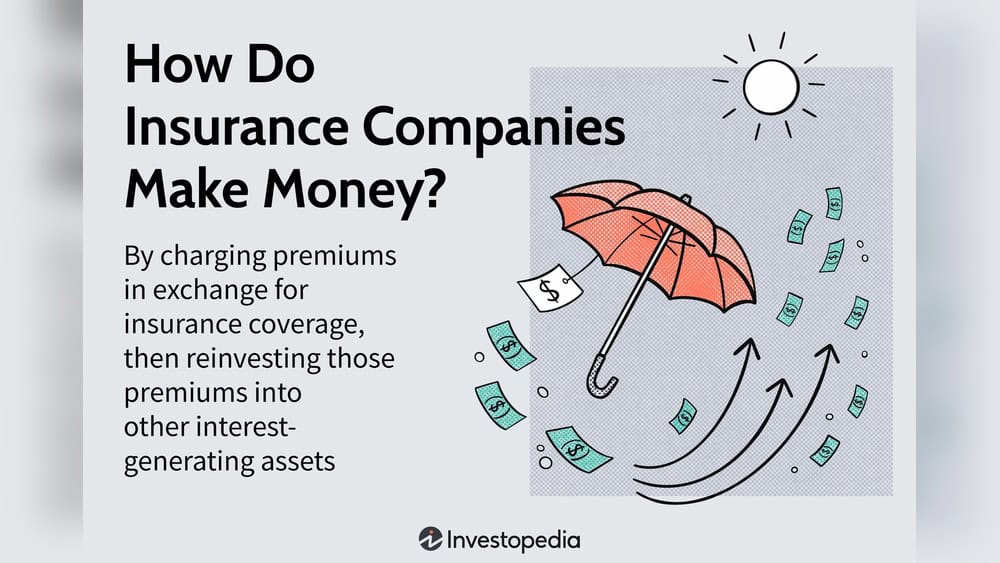
How Do Life Insurance Companies Make Money
Life insurance is often seen as a way to protect loved ones financially. But have you ever wondered how life insurance companies actually stay in business, especially when they pay out large sums after someone passes away? The answer is more interesting than you might think.
Life insurance companies are not just about selling policies—they are experts in risk, finance, and long-term planning. Understanding how they make money can help you become a smarter policyholder and see the industry in a whole new light.

The Basics Of Life Insurance Revenue
At its core, a life insurance company collects premiums from policyholders. These are the regular payments people make to keep their life insurance active. But not all the money collected is used to pay claims. In fact, life insurance companies rely on the fact that not everyone will make a claim—at least not right away.
The Role Of Risk
Insurance works by pooling risk. Many people pay premiums, but only some policies will pay out in a given year. This means most of the premiums collected stay with the company, at least for a while. Life insurers use sophisticated math (called actuarial science) to predict how many people will die each year and how much will need to be paid out.
Main Ways Life Insurance Companies Make Money
Life insurance companies have several ways to generate income. These include:
- Underwriting profits
- Investment income
- Policy lapses and surrenders
- Fees and charges
- Product design
Let’s break down each of these in detail.
1. Underwriting Profits
Underwriting is the process of deciding who gets insurance and at what price. Companies use health exams, medical history, age, and other factors to decide how risky a person is. The goal is to collect more in premiums than what is paid out in claims.
For example, if a company collects $10 million in premiums and pays out $7 million in claims, the remaining $3 million is the underwriting profit (before expenses). This profit is a key source of income, especially for large insurers.
Key Insight
Not every policyholder makes a claim. In fact, many people outlive their term policies, which means the insurer keeps all the premiums collected.
2. Investment Income
Insurance companies don’t just let the premiums sit in a bank. They invest this money to earn more income. This is known as float—the money held before claims are paid.
Where Do They Invest?
Life insurers invest in:
- Bonds (government and corporate)
- Stocks
- Real estate
- Mortgages
- Other financial assets
The goal is to earn steady, long-term returns while keeping risk low.
Example
Suppose a company collects $100 million in premiums each year. Even if they only earn a 4% return, that’s $4 million in additional income.
Why It Matters
Investment income is so important that, in some years, it can be larger than profits from underwriting. This helps companies keep premiums lower and remain competitive.
3. Policy Lapses And Surrenders
A lapse happens when someone stops paying their premiums and the policy ends. A surrender is when someone cancels their policy and may get a cash value back (in the case of permanent life insurance).
Most people don’t keep their policies for their entire lives. When a policy lapses or is surrendered, the company keeps much of the money collected, especially for term life insurance.
Data Insight
Studies show that up to 80% of term life policies never pay a death benefit. That means insurers keep all those premiums without paying out a claim.
4. Fees And Charges
Some life insurance policies, especially universal life or variable life products, have built-in fees. These can include:
- Administration fees
- Surrender charges
- Fund management fees
These fees help cover company costs and boost profits.
5. Product Design
Life insurance products are carefully designed. Companies use data to create policies that are profitable but still attractive to buyers.
For example, many permanent life insurance policies (like whole life or universal life) build cash value slowly in the first years. If you cancel early, you get less back than you put in. This structure keeps more money with the insurer.
Non-obvious Insight
Some companies design policies with extra features (like riders) that cost more but are rarely used. These add-ons increase company profits without much extra risk.

How Do Life Insurers Manage Risk?
Making money is not only about collecting premiums. Life insurance companies must manage risk very carefully. They do this in several ways.
Careful Underwriting
By being selective about who gets coverage and at what price, insurers avoid taking on too much risk.
Reinsurance
Insurers often buy reinsurance. This means they pay another company to take on part of their risk. If there is a large claim or many claims at once, the reinsurer helps cover the cost.
Reserve Requirements
Governments require life insurers to set aside money (called reserves) to make sure they can pay future claims. This protects policyholders and keeps the company solvent.
Data Analysis
Modern life insurers use big data and artificial intelligence to analyze risks more accurately. This helps them adjust pricing and policy terms to remain profitable.
Comparing Life Insurance Vs. Other Types Of Insurance
It helps to see how life insurance differs from, say, auto or health insurance when it comes to making money.
| Type of Insurance | Main Income Source | Typical Claim Rate | Investment Role |
|---|---|---|---|
| Life Insurance | Premiums, Investments | Low (most policies never pay out) | Very High |
| Auto Insurance | Premiums | Moderate to High | Moderate |
| Health Insurance | Premiums | High (most policyholders make claims) | Low |
As you can see, investment income plays a bigger role for life insurers compared to other types.

How Do Life Insurance Companies Invest?
The way life insurers invest is conservative but strategic. They have to balance safety, returns, and liquidity (the ability to pay claims quickly).
| Asset Type | Typical Allocation (%) | Reason for Investment |
|---|---|---|
| Bonds | 60-70% | Stable, predictable income |
| Stocks | 10-20% | Growth potential |
| Real Estate | 5-10% | Diversification, income |
| Other Assets | 5-15% | Alternative returns |
The heavy focus on bonds helps companies match their future payout needs with predictable income.
Why Don’t Life Insurers Lose Money When People Die?
It might seem strange—if a company pays $500,000 when someone dies, how does it not go bankrupt? The answer lies in pooling risk and statistical prediction.
Law Of Large Numbers
With millions of policyholders, individual outcomes become predictable. Insurers know that only a certain percentage of people in a given age group will die each year. They set premiums high enough to cover payouts, expenses, and still make a profit.
Example Calculation
Suppose 10,000 people buy 20-year term life insurance for $300 per year, with a $100,000 death benefit. That’s $3 million in annual premiums. If statistical models predict 10 deaths per year in that group, payouts would be $1 million. The remaining $2 million helps cover costs, reserves, and profits.

Common Mistakes People Make About Life Insurance Profits
Understanding how insurance companies make money helps avoid common misconceptions.
- Thinking all premiums pay for claims: In reality, much of the money is invested or kept when policies lapse.
- Believing insurers lose money if someone dies “early”: Premiums are set to cover early and late deaths, using large data sets.
- Assuming companies gamble with your money: Insurers are highly regulated and invest in safe, long-term assets.
Regulatory Oversight And Consumer Protection
Life insurance is tightly regulated. In the US, each state has its own insurance department that monitors company finances, products, and practices. Companies must file regular reports and are subject to audits. If a company gets into trouble, there are backup systems to help protect policyholders.
For more details on how life insurance regulation works, you can visit the National Association of Insurance Commissioners.
How Policy Lapses And Surrenders Affect Profits
When a policy lapses, the company keeps all the premiums paid up to that point, without having to pay a death benefit. For permanent life insurance, if a policy is surrendered, the company usually pays a cash value, but this amount is often less than the premiums paid, especially in the early years.
Here’s a simple illustration:
| Policyholder Action | Premiums Paid ($) | Amount Received ($) | Company Profit ($) |
|---|---|---|---|
| Policy Lapse | 5,000 | 0 | 5,000 |
| Policy Surrender (Year 5) | 10,000 | 6,000 | 4,000 |
| Death Claim (Year 15) | 20,000 | 100,000 | -80,000 |
This shows how lapses and surrenders can increase profits, while death claims are expected and planned for.
Non-obvious Insights Most People Miss
- Long-term planning is key: Life insurers think in decades, not just years. Their strategies are built for stability over 20, 30, or even 50 years.
- Policy design includes profit buffers: Even if investment returns drop or death rates rise slightly, products are built with enough margin to protect the company.
The Bottom Line For Consumers
Understanding how life insurance companies make money can help you:
- Choose the right policy for your needs
- Avoid common mistakes (like lapsing a policy too soon)
- Ask smarter questions when buying insurance
Life insurers are not “out to get you. ” But they are businesses, and their main goal is to stay profitable over the long run.
Frequently Asked Questions
How Do Life Insurance Companies Invest Premiums?
Life insurance companies invest most premiums in bonds, stocks, real estate, and other assets. They focus on safe, long-term investments to ensure they can pay future claims while earning steady returns.
Why Do Most Life Insurance Policies Never Pay Out A Death Benefit?
Most term life policies expire before the insured person dies or are canceled by the policyholder. This means the company keeps all collected premiums without paying a claim, which boosts profits.
What Happens To My Premiums If I Cancel My Policy?
If you cancel a term life policy, you usually get nothing back. For permanent life insurance, you may get a cash surrender value, but this is often less than the total premiums paid, especially in early years.
Are Life Insurance Companies Regulated?
Yes, life insurance companies are highly regulated by state and national authorities. These rules make sure companies keep enough money to pay claims and treat customers fairly.
Can A Life Insurance Company Go Bankrupt?
It is rare, but possible. If it happens, state guaranty associations help protect policyholders by covering claims up to certain limits. Always check the financial strength of a company before buying a policy.
Life insurance companies are built on careful planning, risk management, and smart investing. By understanding how they make money, you can make better choices for your own financial security.