
Many people think of life insurance only as protection for their family after they die. But there is a powerful strategy that lets you use certain types of life insurance as your own private bank. This approach can help you grow wealth, access funds, and protect your assets—all while getting insurance coverage.
If you want to understand how to use life insurance as a bank, this guide will show you everything you need to know, in simple steps.

Understanding Life Insurance Banking
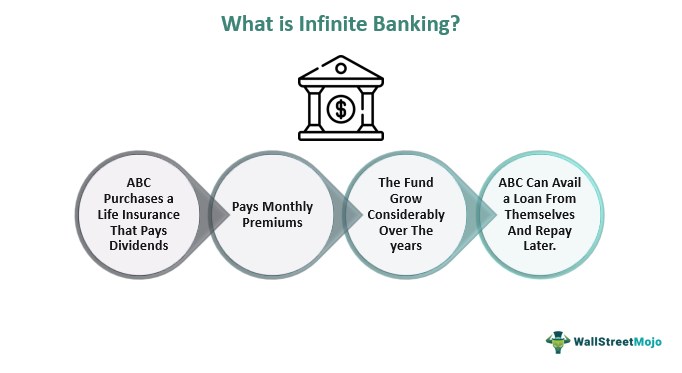
Using life insurance as a bank usually means buying a permanent life insurance policy. The most popular type for this strategy is whole life insurance. Unlike term life insurance, whole life policies build cash value over time. This cash value grows, earns interest, and can be borrowed against—much like a savings account.
How Whole Life Insurance Works
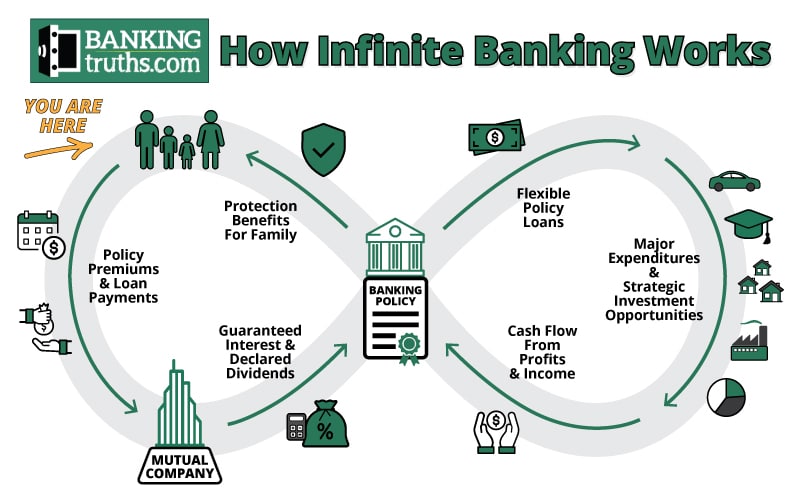
When you pay premiums, part of your money goes to the death benefit, and part goes into the policy’s cash value. The cash value is like a safe savings account inside your policy. It grows tax-deferred and can be accessed through policy loans.
You can use this cash value for investments, emergencies, or big purchases.
The “bank On Yourself” Concept
This method is also called Bank on Yourself, Infinite Banking Concept, or Private Family Banking. The main idea is: Instead of using traditional banks for loans or savings, you use your life insurance policy’s cash value. You become your own banker.
Key Benefits Of Using Life Insurance As A Bank
Many people are drawn to this strategy for its unique benefits:
- Tax-Advantaged Growth: The cash value grows tax-deferred. You don’t pay taxes on growth unless you withdraw more than you put in.
- Easy Access to Funds: You can borrow against the cash value anytime, without credit checks or approval from banks.
- Guaranteed Returns: Whole life policies usually guarantee a minimum return on cash value, plus potential dividends.
- Flexible Repayment: Loans from your policy don’t have fixed repayment schedules. You decide when and how to repay.
- Asset Protection: In many states, cash value is protected from creditors and lawsuits.
- Legacy Planning: The policy still provides a death benefit to your beneficiaries.
Here’s a quick comparison of using life insurance as a bank vs traditional banking:
| Feature | Life Insurance Bank | Traditional Bank |
|---|---|---|
| Loan Approval | No credit check | Requires credit check |
| Access Speed | Usually 2–7 days | Instant or 1–2 days |
| Interest Rate | Set by insurer, often 4–8% | Varies, often higher for unsecured |
| Repayment Flexibility | Flexible, self-managed | Fixed schedule |
| Tax on Growth | Tax-deferred | Taxable |
| Protection | Often creditor-protected | Not protected |
Steps To Use Life Insurance As A Bank
If you’re ready to try this strategy, here’s how to do it:
1. Choose The Right Policy
Not all life insurance works for banking. You need a whole life insurance policy from a strong, reputable mutual company. Universal life insurance can work, but it’s more complex and less predictable.
Look for:
- Guaranteed cash value growth
- Dividend payments (if possible)
- Strong financial ratings (A or better)
- Flexible loan features
2. Fund Your Policy Aggressively
To build cash value quickly, pay more than the minimum premium. Many people add extra money through paid-up additions. This boosts your cash value and increases your borrowing power.
For example, a $10,000 annual premium might mean $6,000 goes to cash value, and $4,000 to insurance costs. With paid-up additions, you could put $15,000 in total, with most going directly to cash value.
3. Build Up Cash Value
It takes a few years for cash value to grow enough to use. In the first 2–5 years, most of your payments cover insurance costs. After that, cash value grows faster. By year 7–10, you’ll see solid growth.
Here’s a sample timeline for a $20,000/year whole life policy:
| Year | Total Premium Paid | Cash Value |
|---|---|---|
| 1 | $20,000 | $12,000 |
| 5 | $100,000 | $72,000 |
| 10 | $200,000 | $165,000 |
| 20 | $400,000 | $380,000 |
4. Borrow Against Your Cash Value
Once your cash value is strong, you can borrow against it. The insurer gives you a loan, using your cash value as collateral. You don’t need approval or paperwork.
- Loan rates usually range from 4% to 8%.
- You can use the money for anything: Business, real estate, tuition, emergencies.
- The loan does not show on your credit report.
If you borrow $50,000, your cash value stays intact and keeps growing. You pay interest to the insurer, but you also earn dividends and growth on your full cash value.
5. Repay Your Policy Loan
You decide how fast to repay. There is no fixed schedule. Many people repay with extra cash or set up automatic payments. If you don’t repay, the insurer will deduct the loan balance from your death benefit.
One non-obvious insight: If you repay quickly, your cash value grows faster. If you don’t repay, interest compounds and can reduce your policy benefits. This flexibility helps people manage cash flow, but smart borrowers track their loans carefully.
6. Repeat The Process
You can borrow and repay as often as you want. Over time, your cash value grows, and you can use bigger loans for investments or expenses. Many business owners use this for working capital, buying equipment, or funding real estate.
Real-life Examples
Let’s look at practical uses:
- Business Owners: Use policy loans to buy equipment, pay staff, or invest in marketing. Instead of a bank loan, they borrow from their policy and repay themselves.
- Home Buyers: Some use policy loans as a down payment for real estate. Later, they repay the loan with rental income.
- College Funding: Parents borrow against cash value to pay tuition, then repay over time.
- Retirement Income: In retirement, you can take tax-free loans for living expenses, supplementing other income.
One advanced tip: Some investors use policy loans to buy assets that earn higher returns than the loan interest. For example, borrowing at 5% and investing in property that earns 8% yearly.
:max_bytes(150000):strip_icc()/boli.asp_Final-9f7046f11b0b4692977ed2fbe50b79f3.jpg)
Risks And Common Mistakes
Like any financial strategy, there are risks.
- Slow Growth in Early Years: Cash value builds slowly at first. You need patience and enough cash flow to fund premiums.
- Loan Interest: If you borrow and don’t repay, interest adds up. Over time, this can eat into your death benefit.
- Policy Lapse: If the loan and interest get too high, your policy could lapse—meaning you lose coverage and all cash value.
- Overfunding Limits: The IRS sets limits on how much you can fund. If you go over, your policy could lose tax benefits and become a Modified Endowment Contract (MEC).
- Choosing the Wrong Policy: Not all whole life policies are good for banking. Some charge high fees or don’t pay dividends.
Here’s a table showing common mistakes and how to avoid them:
| Mistake | How to Avoid |
|---|---|
| Underfunding | Pay extra premiums and use paid-up additions |
| Ignoring loan interest | Track loans and repay regularly |
| Choosing poor policy | Work with experienced agent; check ratings |
| Letting policy lapse | Keep cash value above loan balance |
| Exceeding IRS limits | Understand MEC rules before funding |
Who Should Consider Life Insurance Banking?
This strategy isn’t for everyone. It works best for:
- People with steady income and ability to pay high premiums
- Business owners, real estate investors, or families wanting flexible access to cash
- Those wanting tax-free growth, asset protection, and legacy planning
If your main goal is low-cost insurance, term life is better. If you want to build wealth and access cash, whole life insurance banking can be powerful.
Additional Insights Beginners Miss
- Dividends Matter: Some whole life policies pay dividends, which boost cash value. Always ask about dividend history before buying.
- Policy Loans Are Not Income: Borrowed money is not taxed as income. But if your policy lapses with outstanding loans, it can trigger unexpected taxes.
- Growth Continues: Even when you borrow, your full cash value keeps growing. This is unique compared to withdrawing from a bank account.
How To Start
- Talk to a licensed insurance agent who understands banking strategies.
- Get quotes from several mutual companies. Compare their cash value projections, loan rates, and dividend histories.
- Make sure you understand all fees, limits, and repayment options.
- Start with a premium you can comfortably afford long-term.
For more technical details and research, visit the Wikipedia Infinite Banking Concept.
Frequently Asked Questions
Can I Use Term Life Insurance For Banking?
No, term life insurance does not build cash value. Only permanent policies like whole life or universal life can be used for banking strategies.
How Soon Can I Borrow Against My Life Insurance?
You usually need to wait 2–5 years after starting your policy before enough cash value builds up. Policies with paid-up additions grow faster.
What Happens If I Don’t Repay My Policy Loan?
If you don’t repay, interest adds up and reduces your death benefit. If the loan gets too large, your policy could lapse, and you may owe taxes.
Is The Cash Value Protected From Creditors?
In many states, cash value is protected from creditors and lawsuits. Check your state laws or ask your agent for details.
What Is A Modified Endowment Contract (mec)?
A MEC is an overfunded life insurance policy that loses tax advantages. Withdrawals and loans are taxed differently. Avoid overfunding to prevent MEC status.
Using life insurance as your own bank can be a smart way to build wealth, access cash, and protect your assets. With careful planning, patience, and the right policy, you can unlock a powerful financial tool that goes far beyond simple life insurance.