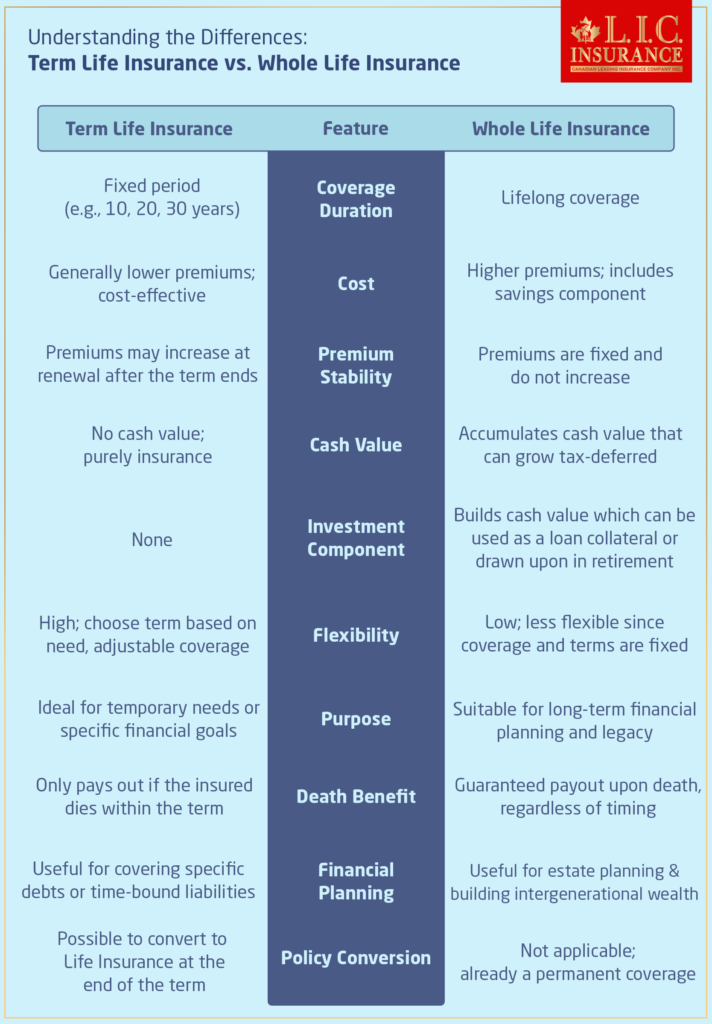
Choosing between term life insurance and permanent life insurance can feel confusing, especially if English isn’t your first language. Many people worry: “Which is better for me? Which is best for my family’s future?” The answer depends on your needs, budget, and long-term goals. This article will break down both types of life insurance in simple language, giving you real examples, clear comparisons, and practical advice. By the end, you’ll understand the differences and be ready to make a confident choice.
What Is Term Life Insurance?
Term life insurance is a simple, temporary type of life insurance. You choose a coverage amount (like $250,000) and a time period (the “term”), such as 10, 20, or 30 years. If you die during the term, your family (the beneficiaries) gets the payout. If you live past the term, the insurance ends, and there’s no payout.

Key Features
- Low cost: Usually, term life is much cheaper than permanent insurance.
- No cash value: You can’t save money in a term policy. It only pays out if you die within the term.
- Flexible terms: You pick how long you want coverage—10, 20, 30 years, or sometimes more.
- Simple structure: Easy to understand. Just pay your premiums and stay covered.
Example
Maria, age 35, buys a 20-year, $500,000 term life policy. She pays about $30 per month. If she dies before age 55, her family gets $500,000. If she lives longer, the policy ends, and no money is paid out.
What Is Permanent Life Insurance?
Permanent life insurance covers you for your entire life, as long as you pay the premiums. There are different types, but the most common are whole life and universal life.
Key Features
- Lifetime coverage: The policy never expires (unless you stop paying).
- Builds cash value: Part of your premium goes into a savings account (cash value) that grows over time.
- Higher cost: Permanent life insurance is much more expensive than term.
- Flexible options: Some types let you adjust payments and benefits.
Example
David, age 35, buys a whole life policy with a $500,000 death benefit. He pays about $400 per month. If he lives to age 90 and keeps paying, his family gets $500,000 when he dies. He can also borrow money from the cash value if needed.
Cost Comparison: Term Vs Permanent Life Insurance
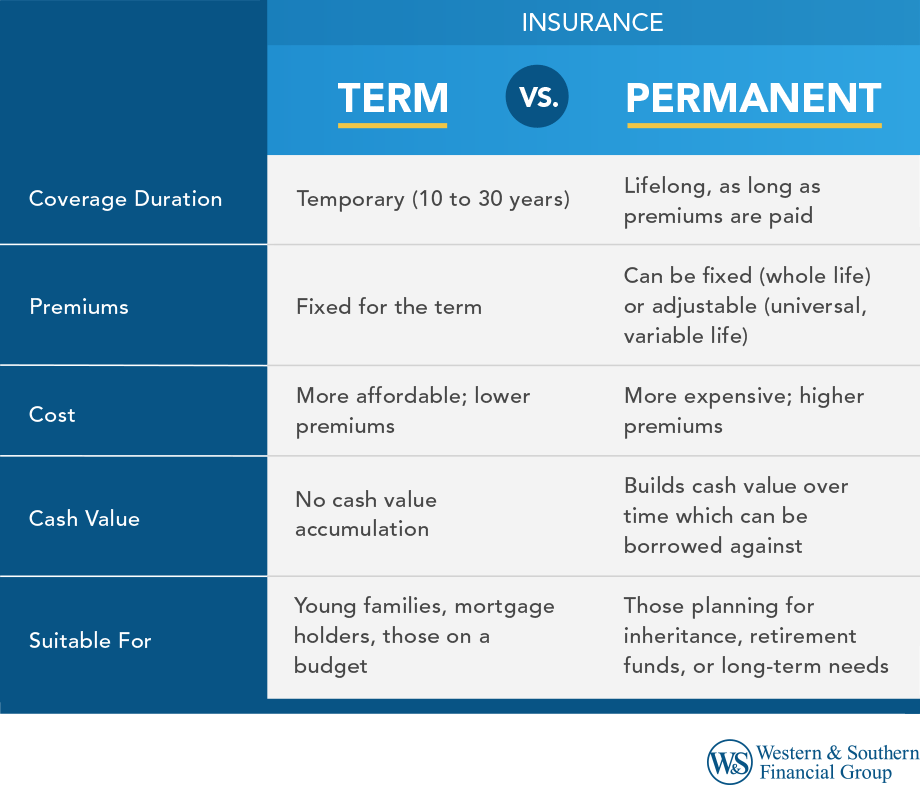
Understanding the price difference is important. Here’s a quick look at how much these two types of insurance can cost for a healthy 35-year-old non-smoker.
| Type | Coverage | Monthly Cost | Duration | Cash Value |
|---|---|---|---|---|
| Term Life | $500,000 | $25–$35 | 20 years | None |
| Whole Life | $500,000 | $350–$450 | Lifetime | Yes |
As you can see, term life insurance is much cheaper. That’s because it only pays out if you die during the term—and most people outlive their policy. Permanent life insurance costs more because it always pays out and has a savings feature.
Pros And Cons Of Term Life Insurance
Pros
- Low premiums make it affordable for most people.
- Simple to understand and buy.
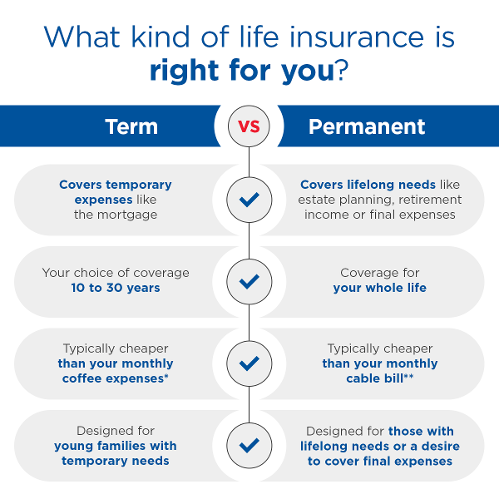
- Easy to match to short-term needs (like covering a mortgage or raising children).
Cons
- Coverage ends after the term; if you outlive it, you get nothing.
- No cash value—you can’t borrow against it or save money inside the policy.
- Renewal can be expensive if you want to extend or buy a new policy later, especially if your health changes.
Pros And Cons Of Permanent Life Insurance
Pros
- Lifelong coverage—your family will receive the payout, no matter when you die.
- Builds cash value you can borrow against for emergencies or retirement.
- Can be used for estate planning or to leave a legacy.
Cons
- Much higher premiums—can be 10–15 times more than term life.
- Complex contracts—many rules about cash value, loans, and growth.
- Not always the best investment—returns on cash value are often lower than other options.
When Should You Choose Term Life Insurance?
Term life is usually the best fit if you:
- Need coverage for a specific time (like until your kids finish college).
- Have a tight budget and want the most coverage for the lowest price.
- Want to protect against debts (like a home loan) during your working years.
Non-obvious insight: Many people overestimate how long they need life insurance. If your main goal is to protect your family during their most vulnerable years, a term policy often makes the most sense.
When Is Permanent Life Insurance A Better Option?
Permanent life insurance is a better fit if you:
- Want to leave money for heirs, no matter when you die.
- Need to cover estate taxes or leave a legacy.
- Want a policy that builds cash value you can use during your lifetime.
- Have a lifelong dependent (like a child with disabilities).
Non-obvious insight: Permanent life insurance can help with business succession planning, providing funds to buy out a business partner or support a family business after your death.
Side-by-side Comparison: Main Features
Here’s an easy way to compare the most important differences:
| Feature | Term Life | Permanent Life |
|---|---|---|
| Coverage Length | 10–40 years | Lifetime |
| Premiums | Low | High |
| Cash Value | No | Yes |
| Payout Guarantee | If you die during term | Always (if premiums paid) |
| Complexity | Simple | Complex |
Common Myths And Mistakes
Many people make mistakes when choosing life insurance because they believe these myths:
- “Permanent insurance is always better.” Not true—often, the high cost isn’t worth it unless you need the extra features.
- “Term is a waste if you outlive it.” Actually, it’s like car insurance—you hope you never use it, but it protects you during risky years.
- “You can’t convert term to permanent.” Many term policies can be converted to permanent later, often without a new health exam.
Tip: Always ask your insurer if your term policy can be converted. This gives you flexibility if your needs change.
Who Should Consider A Combination?
Sometimes, using both types together is smart. For example, you can buy a large term policy for your main working years (to cover debts and your children’s needs) and a small permanent policy for lifelong coverage or funeral expenses.
Real-world Scenarios
Young Families
A couple in their 30s with two kids chooses a 20-year, $500,000 term policy. It covers their children until adulthood and their mortgage. They pay $30 per month, which fits their budget.
High Net Worth Individuals
A business owner wants to leave money for estate taxes and support a lifelong dependent child. They buy a permanent policy for $1 million. The higher cost is worth it for the guarantees and cash value.
Retirees
Most retirees don’t need large amounts of new life insurance. But some buy small permanent policies for funeral costs or to leave a gift for grandchildren.
Cash Value: What Beginners Often Miss
The cash value in permanent life insurance sounds great, but it grows slowly, especially in the early years. For the first 5–10 years, most of your premium pays for insurance and fees—not savings. If you cancel early, you may get very little back.
Also, loans against cash value must be repaid with interest, or they reduce your payout. Many people don’t realize they must manage these loans carefully.
How Your Health And Age Affect Your Choice
The younger and healthier you are, the lower your premiums will be for both term and permanent life insurance. It’s smart to buy when you’re young, even if you don’t think you need much coverage yet.
People with health problems or risky jobs may pay much more, or even be denied coverage. If you’re in good health, don’t wait to apply.
Making Your Decision: Key Questions To Ask
Before you choose, ask yourself:
- How long do I need coverage? (Just for 10–30 years, or lifelong?)
- What’s my budget each month?
- Do I want to build cash value or just protect my family?
- Will my needs change in the future (marriage, children, new debts)?
- Am I comfortable with more complex products?
It’s wise to talk to a licensed insurance agent who can explain your options in detail, especially if you’re unsure.
How To Save Money On Life Insurance
- Shop around and compare quotes from several insurers.
- Buy as much as you need, but not more.
- Get coverage while you’re young and healthy.
- Ask about riders (like disability or critical illness) that add value.
- Review your coverage every few years—your needs may change.
Example Of Term Vs Permanent Over 30 Years
Here’s how term and permanent life insurance compare for a healthy 35-year-old buying $500,000 in coverage:
| Type | Total Paid Over 30 Years | Cash Value at Year 30 | Death Benefit if Died at 65 |
|---|---|---|---|
| Term Life (20 years, $30/mo) | $7,200 | $0 | $0 (policy expired after 20 years) |
| Whole Life ($400/mo) | $144,000 | ~$80,000 | $500,000 |
Term life is much cheaper, but only pays if you die within the term. Permanent life always pays, but at a much higher cost.
Final Thoughts: Which Is Better?
There’s no simple answer to “Which is better, term or permanent life insurance?” For most people, term life insurance gives the best value. It’s affordable, easy to understand, and protects your family when they need it most. But if you need lifelong coverage, want to build savings inside your policy, or have special estate planning needs, permanent life insurance can be a smart choice.
Don’t rush your decision. Think about your goals, your family, and your budget. If you need expert advice, talk to a financial planner or an independent insurance agent. For more in-depth information, check out the Investopedia guide to life insurance.
Frequently Asked Questions
What Happens If I Outlive My Term Life Insurance?
If you outlive your term policy, it simply ends—no payout is made. Some term policies offer a renewal or conversion option, but premiums will be higher.
Can I Cash Out My Permanent Life Insurance?
Yes, you can access the cash value of a permanent policy by withdrawing or borrowing against it. But loans must be repaid with interest, or the death benefit will be reduced.
Is Term Life Insurance A Waste Of Money?
No, term life is not a waste. It provides affordable protection during the years your family needs it most. Like other insurance, you pay for peace of mind—not just a payout.
How Much Life Insurance Do I Really Need?
A common rule is 7–10 times your annual income, but your needs may vary. Consider debts, children’s education, and your family’s living expenses.
Can I Change From Term To Permanent Life Insurance Later?
Many term policies allow you to convert to a permanent policy, usually without a new health exam. Ask your insurer about this feature before you buy.