
Buying insurance can feel confusing, especially when you see terms like life insurance and term insurance. Many people wonder: “Should I buy life insurance or term insurance?” This choice can affect your family’s future and your financial security. If English isn’t your first language, all these words may sound similar and hard to understand. But you don’t need to be an expert to make a smart decision. In this article, I’ll explain what each type means, how they work, and help you decide which is best for your needs. Let’s make things simple, clear, and practical.
What Is Life Insurance?
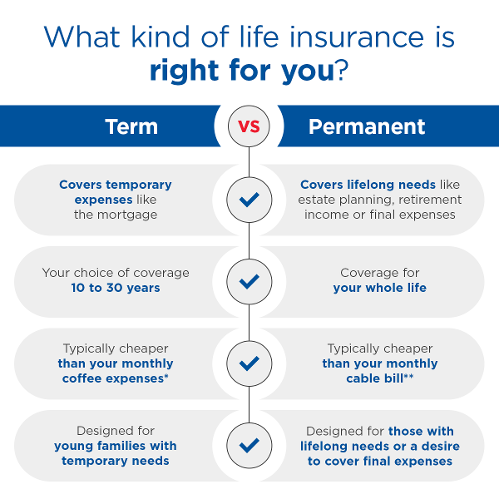
Life insurance is a broad term. It means any policy that pays money to your loved ones if you die while the policy is active. There are different types, but the two main ones are whole life insurance and term life insurance. Both can help protect your family, but they work in different ways.

Whole Life Insurance
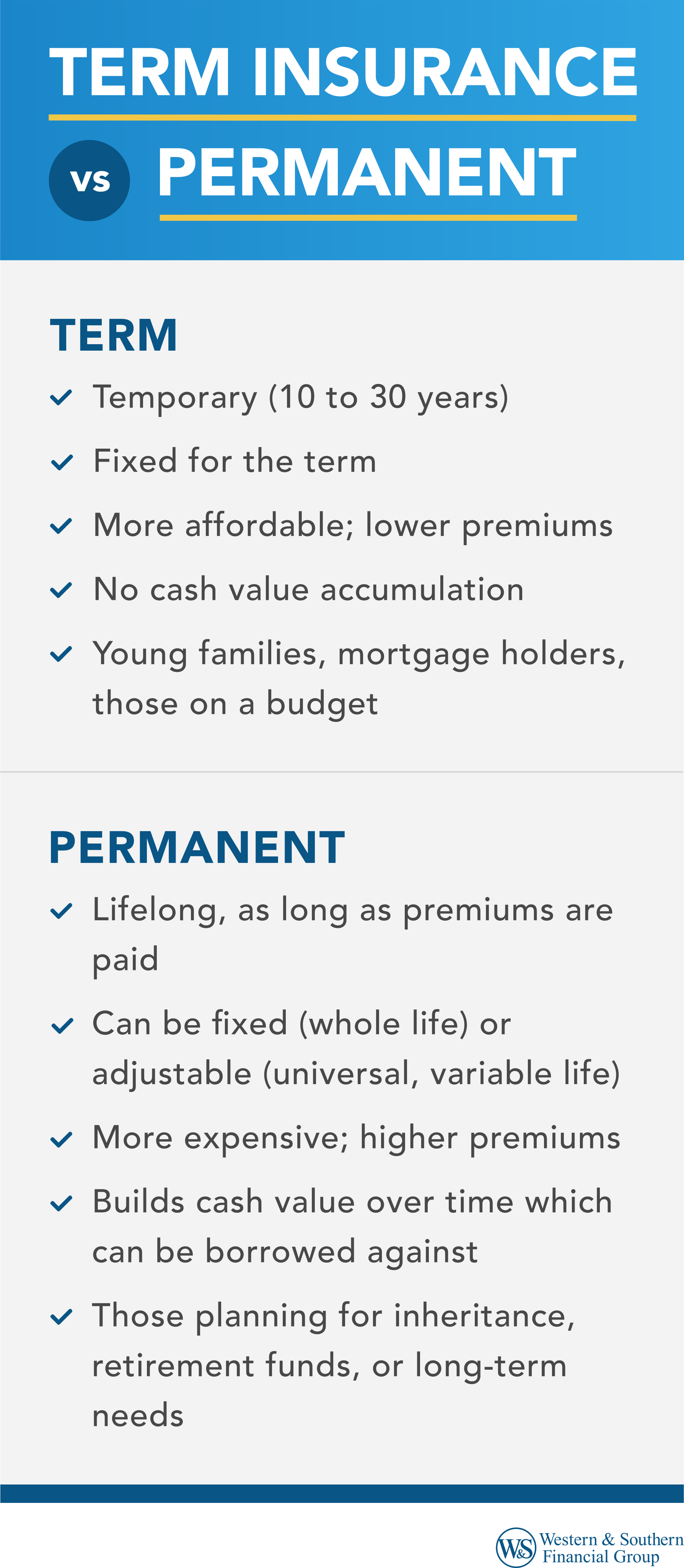
Whole life insurance lasts your entire life. As long as you pay the premiums, your family will get the payout (called the death benefit) when you die. This type also has a cash value feature. The cash value grows slowly over time, and you can borrow against it or use it for emergencies.
Term Life Insurance
Term life insurance is simpler. It covers you for a set period, like 10, 20, or 30 years. If you die during this period, your family gets the payout. If you live past the term, the policy ends and you don’t get money back. There is no cash value with term insurance.
Key Differences Between Life Insurance And Term Insurance
Understanding the differences can help you make a better choice. Here’s a clear comparison:
| Feature | Whole Life Insurance | Term Life Insurance |
|---|---|---|
| Duration | Lifetime | Set period (10–30 years) |
| Cash Value | Yes | No |
| Premiums | Higher | Lower |
| Payout | Guaranteed | Only if you die during term |
| Flexibility | Less flexible | Can be renewed or converted |
Many beginners think life insurance and term insurance are two completely separate things. In reality, term insurance is a type of life insurance. The main difference is how long the policy lasts and whether it builds cash value.
Why Do People Buy Life Insurance?
People buy life insurance for different reasons:
- Family Protection: If you die, your family won’t suffer financially.
- Debt Repayment: Your insurance can help pay off loans or mortgages.
- Education Costs: Helps pay for children’s college or school.
- Final Expenses: Covers funeral and medical costs.
- Wealth Building: Whole life insurance can help build savings.
Each reason is important. But not everyone needs the same type of insurance. Let’s look at how to choose.
How To Decide: Life Insurance Vs Term Insurance
The best choice depends on your goals, age, budget, and family situation. Here’s a simple guide:
If You Want Affordable Protection
Term insurance is usually best. It’s much cheaper than whole life. For example, a 30-year-old healthy person might pay $20–$30 per month for $250,000 of term coverage. The same coverage with whole life could cost $150–$250 per month.
If You Want Lifetime Coverage
Whole life insurance is better if you want permanent protection. It guarantees a payout, no matter when you die. This can be important if you have dependents with lifelong needs or want to leave a legacy.
If You Want To Build Cash Value
Whole life insurance builds cash value. This is like a small savings account. You can borrow against it or withdraw money. Some people use it for emergencies or retirement. But remember, the growth is slow and fees are high.
If You Only Need Temporary Protection
Term insurance is ideal if you only need coverage while your kids are young or until your mortgage is paid off. Once these needs are gone, you might not need life insurance anymore.
Real-life Example: Cost Comparison
Let’s see how costs compare for a 35-year-old healthy male:
| Policy Type | Coverage Amount | Monthly Premium | Duration |
|---|---|---|---|
| Term Life | $500,000 | $35 | 20 years |
| Whole Life | $500,000 | $350 | Lifetime |
Over 20 years, term life costs $8,400. Whole life would cost $84,000 in the same period. This is a big difference. Many beginners miss this high cost when choosing whole life insurance.
Pros And Cons Of Life Insurance And Term Insurance
Let’s break down the advantages and disadvantages:
| Type | Pros | Cons |
|---|---|---|
| Whole Life | – Lifetime coverage – Cash value grows – Fixed premiums |
– Expensive – Complex rules – Slow cash value growth |
| Term Life | – Affordable – Simple – Flexible terms |
– No cash value – Policy ends after term – No payout if you outlive the policy |
A non-obvious insight: Some people buy term insurance and invest the savings themselves. This often gives better results than relying on whole life cash value.
Common Mistakes When Choosing Insurance
Many people make mistakes when buying insurance. Here are the most frequent ones:
- Buying too much coverage: You may not need as much as you think. Calculate what your family really needs.
- Ignoring term insurance: Some agents push whole life because it pays more commission. Term insurance is often better for most people.
- Not reviewing policy terms: Some policies have hidden fees or rules. Always read the details.
- Forgetting to update beneficiaries: Life changes. Make sure your policy reflects who you want to protect.
- Assuming insurance is always needed: Once your kids are grown and debts are paid, you might not need coverage.
How Much Coverage Should You Get?
A basic rule is to buy enough insurance to cover:
- 10–15 times your annual income
- Any outstanding debts (mortgage, loans)
- Children’s education costs
- Funeral and final expenses
For example, if you earn $40,000 a year and have $100,000 in debt, you might need $500,000–$600,000 of coverage.

Practical Tips For Buying Insurance
Here are some useful tips:
- Shop around: Prices vary. Compare at least three companies.
- Check financial strength: Choose companies with strong ratings.
- Read the fine print: Understand what’s covered and what’s not.
- Ask about renewability and conversion: Some term policies can be renewed or converted to whole life later.
- Don’t wait too long: Premiums go up with age. Buy sooner if you need coverage.
If you want to see more data and independent reviews, visit the National Association of Insurance Commissioners.
Who Should Choose Term Insurance?
Term insurance is best for:
- Young families with limited budgets
- People with short-term needs (mortgage, kids’ education)
- Anyone who wants simple, affordable protection
If you’re just starting out, term insurance helps you get coverage without spending too much. You can always switch to whole life later if your needs change.
Who Should Choose Whole Life Insurance?
Whole life insurance is better for:
- Older adults who want to leave money for heirs
- People with lifelong dependents (disabled children)
- Anyone interested in cash value and estate planning
Whole life can be useful for special situations. But it’s not always necessary for everyone.
Should You Combine Both?
Some people mix both types. They buy term insurance for short-term needs and whole life for permanent protection. This strategy can work well if you have complex needs or want flexibility.
A non-obvious tip: You can “ladder” term policies. For example, buy a 10-year policy for your youngest child and a 20-year policy for your oldest. This helps match coverage to your family’s timeline.
Frequently Asked Questions
What Happens If I Outlive My Term Insurance Policy?
If you live past your term, your policy ends. You don’t get money back. However, some term policies offer a “return of premium” feature. This costs extra but refunds your premiums if you survive the term.
Is Whole Life Insurance A Good Investment?
Whole life insurance is not usually a good investment compared to traditional options like stocks or mutual funds. The cash value grows slowly and fees are high. It’s best used for protection, not investment.
Can I Convert Term Insurance To Whole Life Insurance?
Many term policies allow conversion to whole life. This can be useful if your needs change. Check your policy details for conversion rules and deadlines.
How Do I Know How Much Insurance I Need?
Calculate your family’s needs, debts, and income. Most experts suggest 10–15 times your annual income plus debts. Adjust for children’s education and final expenses.
Does Term Insurance Cover Accidental Death?
Term insurance covers most types of death, including accidents and illnesses. Some policies exclude certain risks (like suicide in the first two years). Always check the terms.
Choosing between life insurance and term insurance can feel complicated, but it doesn’t have to be. Think about your goals, budget, and family needs. Term insurance works well for most people, especially if you want affordable and simple protection. Whole life insurance suits those who need lifetime coverage or want to build cash value.
No matter what you choose, make sure you understand the policy and buy only what you need. This way, you’ll protect your loved ones and avoid paying too much.