
Why Do I Have Life Insurance
Life is full of surprises—some wonderful, some challenging. Many people wonder why life insurance is important, especially if they feel healthy and secure. But life insurance is not just about preparing for the worst. It is a safety net, a thoughtful gift for your loved ones, and a key part of a strong financial plan.
In this article, you will discover the real reasons why people have life insurance, how it works, and how it protects your family and your future.

Understanding Life Insurance
Life insurance is a contract between you and an insurance company. You pay regular premiums, and in return, the company promises to pay a set amount of money—called a death benefit—to your chosen beneficiary if you pass away while the policy is active.
There are two main types of life insurance:
- Term life insurance: Covers you for a specific period (like 10, 20, or 30 years). If you die during this time, your family receives the benefit.
- Permanent life insurance: Covers you for your entire life, as long as you pay the premiums. It often includes a cash value that grows over time.
People choose life insurance for many different reasons, often based on their family, debts, or future plans. Let’s explore why it matters so much.
Protecting Loved Ones Financially
The main reason most people buy life insurance is to protect their family. If you are the main earner, your income supports your spouse, children, or even parents. If you die unexpectedly, your family could struggle to pay for daily needs, housing, or education.
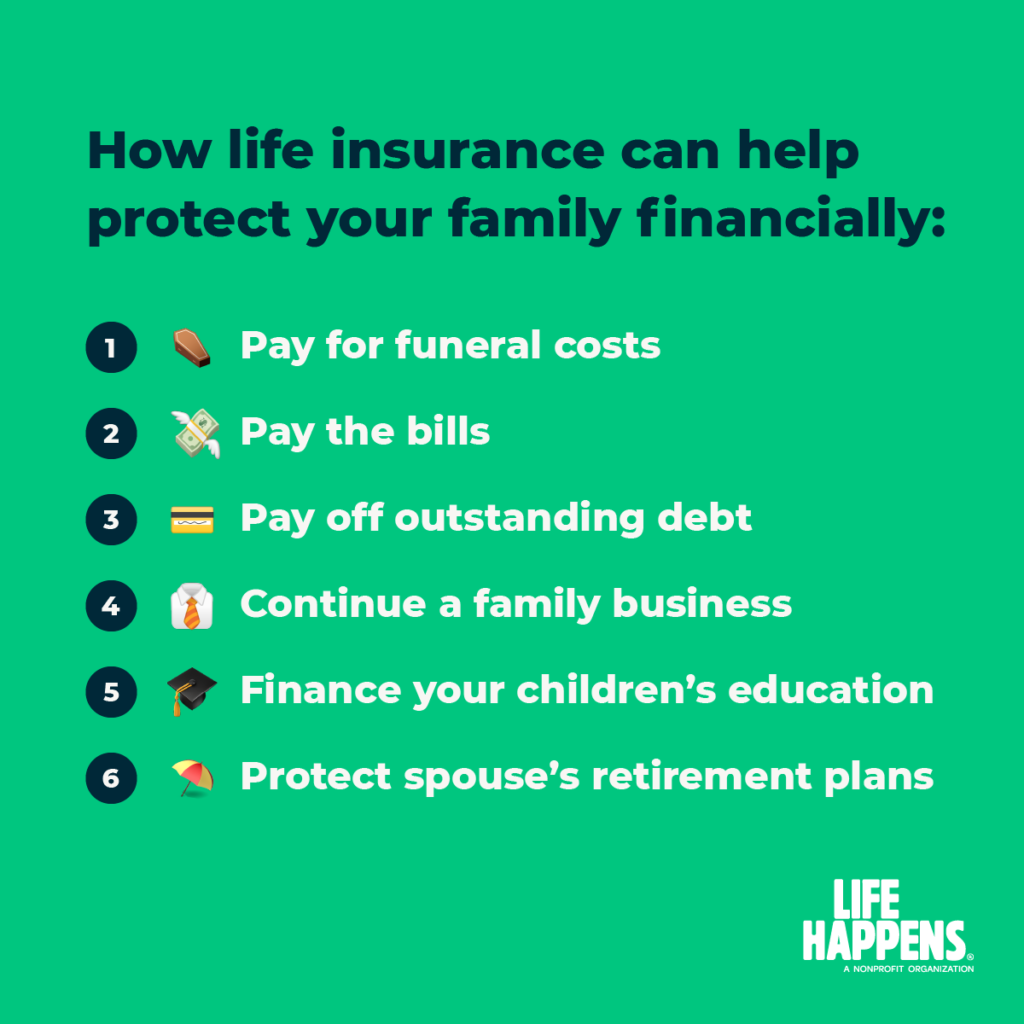
Life insurance provides a financial cushion. It helps pay for:
- Funeral and burial costs: These can range from $7,000 to $12,000 in the US.
- Daily living expenses: Groceries, bills, and rent or mortgage payments.
- Childcare or education: School fees, college tuition, or after-school care.
Imagine a family where the main earner passes away. Without life insurance, the surviving spouse might have to sell their home, move to a less expensive area, or work multiple jobs. Life insurance can prevent these hardships and give your loved ones time to adjust without rushing into big life changes.
Paying Off Debts And Mortgages
Many people carry debts like mortgages, car loans, or credit cards. These debts do not disappear when you die. In many cases, your family becomes responsible for them. Life insurance helps make sure these debts do not become a burden.
Consider this example: If you have a $250,000 mortgage and $20,000 in car loans, your life insurance payout can cover these amounts. Your family can keep their home and car without worrying about payments.
Here’s a comparison of common debts and how life insurance helps:
| Type of Debt | Average Amount (US) | Life Insurance Benefit |
|---|---|---|
| Mortgage | $236,443 | Can pay off the balance in full |
| Car Loan | $20,987 | Covers remaining payments |
| Credit Card | $6,569 | Clears outstanding debt |
| Student Loan | $37,338 | Relieves family from responsibility |
If you co-signed a loan with your spouse or child, your death could leave them with the full responsibility. Life insurance removes this stress.
Providing For Children’s Future
Parents often worry about their children’s future, especially education costs. In the US, the average cost for four years at a public college is over $100,000. If something happens to you, life insurance can give your children a chance to finish their studies.
Some parents buy life insurance with a specific goal: to fund their child’s college education, wedding, or first home. The death benefit can be set aside in a trust to be used only for these purposes.
Here’s how life insurance can cover education needs:
| Education Level | Average Cost (US, 2023) | Life Insurance Role |
|---|---|---|
| Public College (4 years) | $104,108 | Funds tuition and fees |
| Private College (4 years) | $223,360 | Helps avoid student debt |
| Trade School | $33,000 | Supports vocational training |
A non-obvious insight: Some life insurance policies let you add a child rider, a small policy for your child. This can help with funeral costs or medical bills if the unthinkable happens.
Supporting Business Continuity
If you own a business or are a partner, life insurance plays a unique role. Your passing could put the whole company at risk, especially if you are key to its success.
Business life insurance can:
- Provide funds for a buy-sell agreement, so your partners can buy your share from your family.
- Help the company hire and train a replacement.
- Cover business debts that might otherwise fall to your family.
For example, if you co-own a business and you die, a buy-sell agreement funded by life insurance ensures your share goes to your family, but the business remains stable.
Covering Funeral And End-of-life Expenses
Funerals are expensive. According to the National Funeral Directors Association, the average cost of a funeral with burial in the US is $7,848. Many families are not prepared for this sudden expense.
Life insurance pays out quickly—often within weeks—so your loved ones do not have to borrow money or use credit cards for funeral arrangements. This support can be a huge relief during an emotional time.
A helpful tip: Some people buy a final expense policy, a small, affordable policy just to cover burial and related costs. This is popular with older adults or people without other coverage.
Leaving A Legacy
Not everyone buys life insurance just for protection. Some see it as a way to leave a positive mark. You can use life insurance to leave money to:
- Charities or religious groups you care about
- Grandchildren or other family members
- A scholarship fund
Setting up your policy with the right beneficiary ensures your values continue, even after you are gone. Life insurance lets you leave a legacy, no matter the size of your estate.
One non-obvious advantage: Life insurance proceeds usually skip the probate process (the court review of your estate). This means your chosen groups or people get the money quickly and privately.
Peace Of Mind
Worry can steal your happiness. Life insurance brings peace of mind. You know your family will not struggle if something happens to you.
This peace helps you live more fully. You can take risks—like starting a business or changing careers—knowing your loved ones are protected. It also means less stress about the future, which is good for your mental and physical health.
Supplementing Retirement Income
Some types of life insurance, especially whole life or universal life, build cash value over time. You can borrow against this value or withdraw it in retirement.
Here’s how the cash value compares to other savings options:
| Savings Option | Growth Rate | Access to Funds | Tax Benefits |
|---|---|---|---|
| Whole Life Insurance | 2–4% per year | Loans/Withdrawals | Tax-deferred |
| 401(k) Plan | 5–8% per year | After age 59½ | Tax-deferred |
| Savings Account | 0.5–1.5% per year | Anytime | Taxable |
While life insurance should not be your only retirement plan, the extra cash value can cover emergencies or supplement your income later in life.
Special Situations: Divorce, Child Support, And More
Life insurance is also important in certain life changes. If you get divorced, the court may require you to have life insurance to protect alimony or child support payments. This ensures your children or ex-spouse are cared for if you pass away.
If you have a child with special needs, life insurance can fund a trust to provide care for their entire life. This is a thoughtful way to make sure your most vulnerable loved ones are always protected.
When Life Insurance May Not Be Necessary
While life insurance is valuable for most, some people may not need it. For example, if you have no dependents, no debts, and enough savings to cover your funeral, you might choose to skip it.
Still, even in these cases, life insurance can offer benefits like leaving a legacy or covering unexpected costs. Review your situation every few years, as life changes can create new needs.
Common Misconceptions About Life Insurance
Many people misunderstand life insurance or think it is too expensive or complicated. Let’s clear up some common myths.
Life Insurance Is Only For The Elderly
Actually, life insurance is often cheaper when you are younger and healthier. Locking in a policy early can save money over time.
It’s Too Expensive
Term life insurance is surprisingly affordable. A healthy 30-year-old can often get $500,000 of coverage for less than $30 per month.
My Work Policy Is Enough
Many jobs offer basic life insurance, but it is often just 1–2 times your annual salary. This may not be enough for a family or mortgage. Plus, if you leave your job, you lose the coverage.
Stay-at-home Parents Don’t Need Life Insurance
Stay-at-home parents provide valuable services—childcare, cooking, transportation. If something happens to them, the surviving parent may need to pay for these services. Life insurance helps cover these costs.
How To Decide The Right Amount
Choosing the right amount of life insurance depends on your needs and goals. Here are some steps:
- Calculate your debts: Add up your mortgage, loans, and credit cards.
- Estimate family needs: How much does your family need each year to live comfortably? Multiply this by the number of years you want to provide support.
- Include future expenses: Add costs like college tuition or special needs care.
- Subtract assets: If you have savings or investments, subtract those from your total.
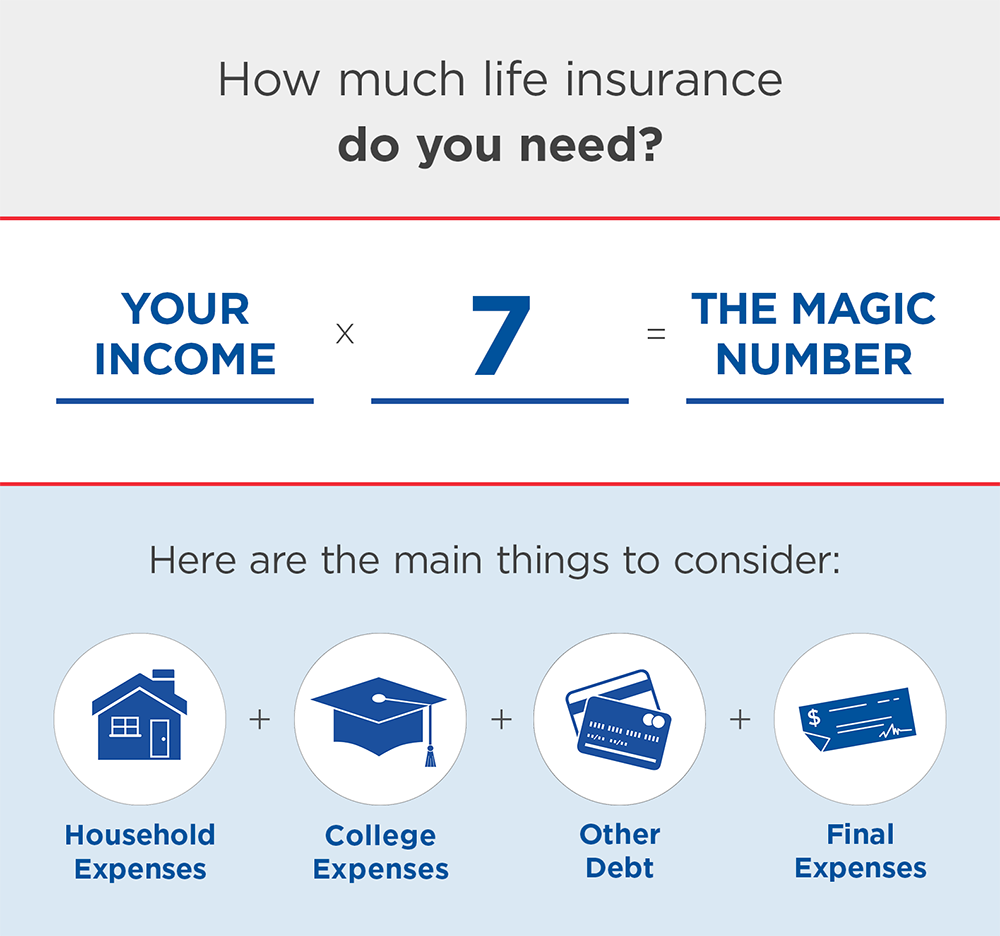
A common rule is to buy coverage equal to 10–15 times your annual income. But your number may be higher or lower, depending on your family and goals.
How Life Insurance Payouts Work
When you die, your beneficiary files a claim with the insurance company. They provide a death certificate and complete some simple paperwork. Most claims are paid within 30 days.
Life insurance payouts are tax-free in most cases. The money can be used for anything—there are no restrictions. This flexibility is a big advantage.
How Life Insurance Fits Into Your Financial Plan
Life insurance is not just a product; it is part of a smart financial plan. Alongside emergency savings, retirement accounts, and health insurance, it helps you build a stable future.
Here’s how life insurance fits in:
- Early career: Protects your family as you build wealth.
- Mid-life: Covers mortgages, education, and larger expenses.
- Retirement: Provides a legacy and supports your spouse.
As your life changes, your insurance needs may change too. Review your coverage when you get married, have a child, buy a house, or change jobs.
Mistakes To Avoid When Buying Life Insurance
Many people make simple mistakes that cost them money or leave their families unprotected. Watch out for these common errors:
- Underestimating your needs: Buying too little coverage is a frequent mistake. Inflation and rising costs mean you may need more than you think.
- Waiting too long: The older you get, the more expensive life insurance becomes. Lock in a low rate while you are healthy.
- Relying only on employer coverage: Job-based policies are not portable. Always have a personal policy in your name.
- Not updating beneficiaries: Life changes—marriage, divorce, new children—mean you should update your policy regularly.
- Ignoring policy details: Some policies have exclusions, waiting periods, or other rules. Read the fine print.
A non-obvious insight: Some people forget to tell their beneficiaries about the policy. Make sure your loved ones know the company name and policy number.
The Application Process: What To Expect
Applying for life insurance is easier than many expect. Here’s what usually happens:
- Choose a policy type and amount: Term or permanent, and the coverage size.
- Fill out an application: Share information about your health, lifestyle, and job.
- Medical exam (sometimes): Some policies require a quick exam (blood pressure, weight, blood test). Others, called “no-exam policies,” skip this step but may cost more.
- Wait for approval: The company reviews your application and offers a price.
- Start your policy: Pay your first premium, and coverage begins.
Tip: Be honest on your application. Lying about your health or habits can void your coverage.
Life Insurance And Taxes
Life insurance has several tax advantages:
- Payouts are tax-free: Beneficiaries do not pay income tax on the death benefit.
- Cash value grows tax-deferred: For permanent policies, the cash value grows without annual taxes.
- Policy loans are not taxed: If you borrow against your cash value, it is usually tax-free.
However, if your estate is very large, federal estate taxes may apply. Most families will never reach the threshold (over $12 million in 2023), but it is good to check with a tax advisor.
For more on tax rules, see the IRS’s page on life insurance proceeds.
Frequently Asked Questions
What Happens If I Stop Paying My Life Insurance Premiums?
If you stop paying, your policy will usually lapse, and you lose coverage. For term policies, there is no refund. For permanent policies, any cash value may cover missed payments for a short time.
Can I Have More Than One Life Insurance Policy?
Yes, you can own multiple policies. Many people mix a work policy with a personal one, or buy several term policies for different needs.
Is Life Insurance Only For Parents?
No, anyone with someone who depends on them financially can benefit—spouses, business partners, or even adult children supporting parents.
How Do I Choose A Beneficiary?
Pick someone you trust to use the money wisely. You can name multiple people or a trust. Review your choice after big life changes.
What Is The Difference Between Term And Whole Life Insurance?
Term insurance covers you for a set time (like 20 years) and is usually cheaper. Whole life covers you for your entire life and builds cash value, but costs more.
Life insurance is more than a policy—it is a promise to care for your loved ones, no matter what happens. Taking this step shows responsibility and love, and brings real security to your family’s future.