
Understanding when life insurance agents get paid is important for anyone buying a policy or considering a career in insurance sales. It helps you know how agents earn money and why they may recommend certain products. It also shows how the payment structure affects your experience as a customer.
This article explains the timing, methods, and factors behind agent compensation in clear, simple English. You’ll learn the differences between commission types, how payment varies by policy, and what happens if a policy is canceled. Real examples and data will help you see the full picture, whether you’re a buyer or thinking about insurance as a job.

How Life Insurance Agents Earn Money
Life insurance agents mainly earn money through commissions. This means they get paid for selling policies, not for hourly work or a fixed salary. Some agents may also have a small base salary, but most of their income comes from commissions. Understanding this is key—agents are motivated to sell, and their pay depends on you buying a policy.
Commission Basics
Commissions are a percentage of the policy’s first-year premium. For example, if you buy a policy that costs $1,000 per year, and the agent’s commission rate is 50%, the agent would earn $500 for that sale. But commissions are not always paid all at once. The timing and size of payments can vary.
Salary Vs. Commission
Some agencies pay agents a small salary to help them get started, but this is rare. Most agents rely almost entirely on commissions. This makes their income unpredictable, especially when starting out.
| Payment Type | Percentage of Agents | Typical Amount |
|---|---|---|
| Commission Only | 85% | 40–80% of first-year premium |
| Salary + Commission | 10% | Small base ($20k–$30k/year) + lower commission |
| Salary Only | 5% | $30k–$50k/year |
When Agents Receive Their Commissions
The timing of commission payments depends on how the policy is paid and the company’s rules. Most payments are made after the policy becomes active, but not always immediately.
After Policy Approval
Agents usually get paid only after the policy is issued and activated. This means:
- The customer has completed all paperwork.
- The insurance company has accepted the application.
- The first premium payment has been made.
Only then does the agent’s commission process begin.
Payment Structure
Commissions may be paid:
- Upfront: The full commission is paid right after the policy is active.
- Spread Over Time: The commission is divided and paid in parts, often over 12 months.
For example, if you pay monthly premiums, the agent may receive a portion of their commission each month. If you pay yearly, the commission may be paid all at once.
| Premium Payment | Commission Timing | Notes |
|---|---|---|
| Annual | Upfront (full) | Agent receives full commission after first payment. |
| Monthly | Spread | Agent gets a portion each month. |
| Quarterly | Spread | Agent commission paid quarterly. |
Delayed Payments
If there is a delay in paperwork, medical checks, or payment, commission payments are delayed too. For example, if your policy takes 2 months to approve, the agent waits 2 months for payment.
Chargebacks
If you cancel your policy soon after buying, the agent may have to refund some or all of their commission. This is called a chargeback. Insurance companies do this to prevent agents from pushing policies that don’t last.
:max_bytes(150000):strip_icc()/life-insurance-policies-how-payouts-work.asp-final-8b7370a242df451d9caea293bc6eb300.png)
Types Of Life Insurance And Their Impact On Agent Pay
Not all life insurance policies pay agents the same way. The policy type affects commission rates and timing.
Term Life Insurance
Term life is simple and usually cheaper. Commissions are lower than other types. Agents typically earn 30–50% of the first-year premium.
- Example: For a $500 annual premium, commission is $150–$250.
Whole Life Insurance
Whole life is more complex and expensive. Commissions are higher, often 50–80% of the first-year premium, plus smaller commissions for later years.
- Example: For a $2,000 annual premium, commission is $1,000–$1,600.
Universal Life Insurance
Universal life is flexible and can be costly. Commissions vary, but are often similar to whole life—high in the first year, smaller in later years.
- Example: For a $3,000 premium, commission is $1,500–$2,400.
| Policy Type | Average Commission Rate | Years Paid |
|---|---|---|
| Term Life | 30–50% | 1–2 years |
| Whole Life | 50–80% | 5+ years |
| Universal Life | 50–80% | 5+ years |
Renewals And Ongoing Commissions
For some policies, agents get renewal commissions. These are smaller payments for each year the policy stays active. Renewal rates are usually 2–5% of the premium.
- Example: If your whole life premium is $2,000, the agent gets $40–$100 per year after the first year.
Steps From Sale To Agent Payment
Let’s break down the process from start to finish. This helps you see exactly when an agent gets paid.
- Meeting and Advice: Agent explains different policies and helps you choose.
- Application: You fill out forms and provide information.
- Underwriting: Insurance company reviews your health, finances, and risk.
- Approval: If you’re approved, you make your first payment.
- Policy Activation: Your coverage starts.
- Commission Payment: Agent receives commission, either upfront or over time.
Example Timeline
Suppose you buy a term life policy:
- Day 1: Agent meets you, helps choose policy.
- Day 3: Application sent to insurance company.
- Day 10: Medical check completed.
- Day 20: Policy approved, you pay first premium.
- Day 21: Agent gets commission (if paid upfront).
If your policy pays monthly, the agent gets a portion each month instead.
Factors Affecting When Agents Get Paid
The timing of agent payments can change based on several factors. Here are some key things to consider:
Payment Method
- Annual Premium: Agent paid upfront.
- Monthly Premium: Payment spread over months.
Policy Cancellation
If you cancel in the first year, the agent may lose some or all of their commission. Companies often require policies to stay active for at least 12 months.
Company Rules
Some insurance companies pay commissions only after a waiting period, like 30 days. Others pay immediately.
Agent Type
- Captive agents (work for one company): Often paid faster, but lower commission rates.
- Independent agents (sell many companies): May wait longer for payment, but can earn higher commissions.
Common Payment Structures
There are a few standard ways agents are paid. Let’s look at each:
Advance Commission
The agent gets most or all of their commission upfront, after the policy is active. If you cancel, they may have to return some money.
As-earned Commission
Commission is paid as each premium is received. If you pay monthly, the agent gets paid monthly.
Renewal Commission
For some policies, agents get ongoing payments for each year you keep the policy.
- Term life: Usually no renewal commission.
- Whole/universal life: Renewal commission common.
Real-world Data: Average Agent Earnings
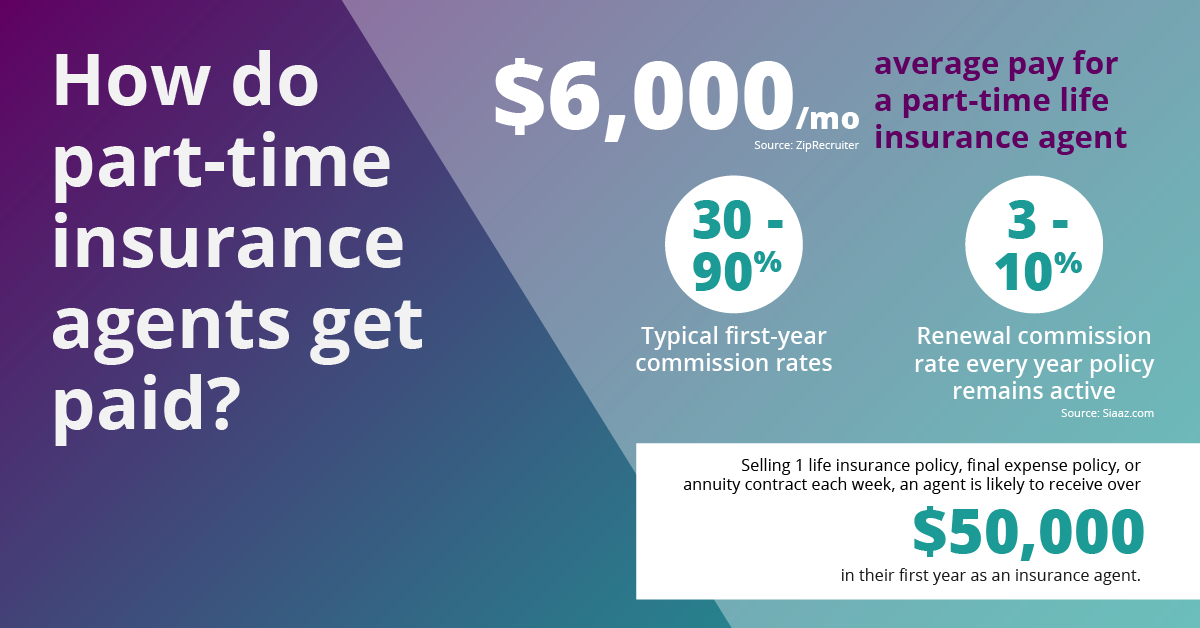
In the US, the average life insurance agent earns between $50,000 and $90,000 per year, but this varies widely. Top agents can earn over $150,000. Most new agents earn less, often under $40,000 in their first year.
- First-year commission: 40–80% of premium
- Renewal commission: 2–5% of premium per year
This means agents depend heavily on new sales for income.
What Happens If A Policy Is Canceled?
If you cancel a policy soon after buying, the agent may face a chargeback. This means they must return some or all of their commission to the insurance company.
- Policies canceled in first 12 months: Full chargeback is common.
- Policies canceled after 12 months: Partial chargeback or no chargeback.
Example
Agent sells a $1,000 premium policy and gets $500 commission. If you cancel after 6 months, the agent must return $250–$500, depending on company rules.
Non-obvious Insights Most People Miss
- Commission Clawback: Many people don’t realize agents risk losing money if policies are canceled early. This makes agents careful about selling policies to people who may not keep them.
- Policy Type Matters More Than Amount: Agents often prefer selling whole life or universal life, even if premiums are smaller, because commission rates are higher and renewals last longer.
- Carrier Differences: Some insurance companies pay faster and more reliably than others. Experienced agents choose carriers not just for policy features, but for commission payment stability.
Common Mistakes Buyers And Agents Make
Buyers
- Not understanding agent motivations. Agents may push policies with higher commissions.
- Canceling early, which can create problems for both the buyer and agent.
- Not asking about commission structure.
Agents
- Relying too much on upfront commissions and ignoring renewals.
- Not warning clients about chargebacks.
- Choosing carriers with slow payment processes.
How To Use This Knowledge As A Buyer
Knowing when and how agents are paid helps you:
- Understand agent recommendations.
- Ask smart questions about policy choices.
- Avoid canceling early if possible.
- Choose policies that fit your needs, not just agent preferences.
Considering A Career As A Life Insurance Agent?
If you’re thinking about becoming an agent, expect:
- Income to be commission-based.
- Payments often delayed until policies are active.
- Chargebacks if clients cancel early.
- High earning potential, but income is unpredictable.
- Most successful agents build a large client base for steady renewal commissions.
Regulatory Rules And Transparency
Insurance companies must follow rules about commission disclosure. In many states, agents must tell you if they earn a commission and sometimes how much. Regulations are designed to protect buyers from biased advice.
To learn more about insurance agent regulations, you can visit the Wikipedia page on insurance agents.
Frequently Asked Questions
When Do Life Insurance Agents Actually Get Paid?
Agents are paid after the policy is approved, activated, and the first premium is paid. Timing can be upfront or spread over time, depending on the payment plan and company rules.
What Happens If I Cancel My Policy Early?
If you cancel within the first year, the agent may have to return some or all of their commission (chargeback). After the first year, this risk is lower.
Do Agents Earn Money From Policy Renewals?
For whole life and universal life policies, agents often get small renewal commissions each year you keep the policy. For term life, renewal commissions are rare.
Are All Agents Paid The Same Way?
No. Payment structure depends on the agent’s company, the policy type, and whether they are captive or independent. Commission rates and timing can vary widely.
Can I Ask My Agent How Much Commission They Earn?
Yes. You can ask, and in some places, agents must disclose their commission. This can help you understand their motivations and make a better decision.
Life insurance agents play an important role in helping you choose the right policy, but their payment structure can affect their advice. Understanding when and how agents get paid helps you make smarter choices and avoid common mistakes. Whether you’re buying a policy or considering a career as an agent, knowing these details gives you more control and confidence.
