

Life cover, also known as life insurance, is more than just a financial product. It is a promise—a way to protect your loved ones and your own peace of mind. Many people see life cover as something only for older adults or families, but its benefits go much deeper. Whether you are single, married, have children, or run a business, life cover can play a vital role in your financial strategy. Understanding these benefits can help you make smart decisions about your future and the people who depend on you. In this article, we will explore the advantages of life cover, share real examples, and clear up common questions, so you can decide if this protection is right for you.
What Is Life Cover?
Life cover is a contract between you and an insurance company. You pay regular premiums, and the company promises to pay a lump sum to your beneficiaries if you pass away during the policy term. This money is called the death benefit. Life cover can be term life insurance (coverage for a specific period, like 10 or 20 years) or whole life insurance (coverage for your entire lifetime).

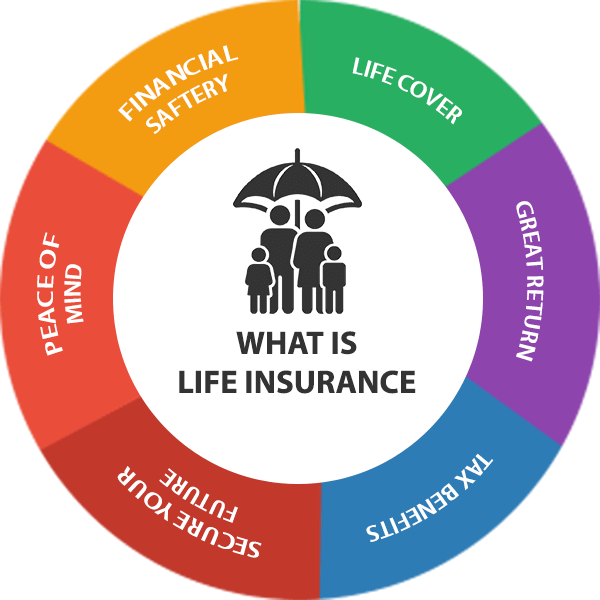
The main purpose is to provide financial support to your loved ones after you are gone. However, life cover can also offer other benefits, such as saving, investment, and even living benefits. These can make life cover a flexible tool for many financial needs.
Financial Security For Loved Ones
One of the biggest reasons people buy life cover is to protect their family’s financial future. When a main income earner passes away, the loss can be more than emotional—it can be a sudden financial shock. The death benefit can help pay for:
- Daily living costs (rent, groceries, utilities)
- Outstanding debts (credit cards, loans)
- Children’s education
- Funeral expenses
For example, if a family relies on one parent’s income, losing that income could mean selling the house or cutting back on essentials. Life cover prevents this by providing funds to keep the family stable. According to the Life Insurance Marketing and Research Association (LIMRA), 68% of households with life insurance say they feel financially secure, compared to only 47% of households without coverage.
Real Example
Consider Maria, a single mother with two kids. She has a $250,000 life cover policy. If she passes away, her children will receive enough money to continue their education and maintain their lifestyle. This gives Maria peace of mind, knowing her family is protected.
Debt Protection
Many people have debts such as mortgages, car loans, or student loans. If you die before paying these off, your family may be responsible for them. Life cover can help settle these debts, so your loved ones are not left with heavy financial burdens.
Mortgage Protection
A common use of life cover is to protect your home. If you have a mortgage, life cover can pay off the balance if you die. This means your family can stay in their home without worrying about payments. According to Bankrate, the average mortgage in the US is around $236,000. A life cover policy can match this amount, ensuring the home is safe.
Credit Card And Personal Loans
Smaller debts can also add up. Life cover can provide a lump sum to clear these, so your family does not need to use their own savings or sell assets.
Covering End-of-life Costs
Funeral and burial costs can be expensive. The National Funeral Directors Association reports the average funeral costs in the US are around $7,848. Many families struggle to pay these bills. Life cover can help:
- Cover funeral expenses
- Pay for memorial services
- Settle unpaid medical bills
This allows your loved ones to focus on grieving, not financial worries.
Support For Children’s Education
Education costs are rising. According to College Board, the average annual tuition for a four-year public college in the US is about $10,740 (in-state). For private colleges, it’s over $38,000 per year. Life cover can help:
- Pay for tuition and fees
- Cover books and supplies
- Support living expenses
Some parents even use life cover to set up a trust fund for their children, making sure education goals are met no matter what happens.
Income Replacement
If you are the main breadwinner, your income keeps your family running. Losing this income can be devastating. Life cover replaces lost earnings, helping your family maintain their lifestyle. For example, if you earn $50,000 per year and have young children, a $500,000 policy can cover ten years of income.
This replacement is not just for families. Singles with dependents, such as elderly parents or siblings, can use life cover to support them if they pass away.
Business Protection
Life cover is not only for individuals and families. Business owners often use life cover to protect their companies. If you have business partners, employees, or debts, life cover can help:
- Fund a buy-sell agreement (so partners can buy your share if you die)
- Pay off business loans
- Cover lost revenue due to the death of a key person
Key Person Insurance
Some businesses buy life cover for important employees. If a key person dies, the company receives a payout to cover lost profits or costs of finding a replacement.
Table: Life Cover For Business Uses
| Purpose | Life Cover Needed | Benefit |
|---|---|---|
| Buy-sell agreement | Value of owner’s share | Allows smooth ownership transfer |
| Key person insurance | Value of key employee | Funds to replace lost talent |
| Debt repayment | Amount of business loans | Keeps business running |
Tax Advantages
Life cover can offer tax benefits. In most cases, the death benefit paid to beneficiaries is not subject to income tax. This means your loved ones get the full amount to use as they need. Some types of life cover, like whole life or universal life insurance, can also grow cash value. This cash value grows tax-deferred, meaning you do not pay taxes on the growth until you withdraw it.
Estate Planning
Life cover can help with estate planning. If you have a large estate, your heirs may face estate taxes. Life cover can provide funds to pay these taxes, so your assets are not sold quickly or lost. According to the IRS, estate taxes may apply to assets above $12.92 million in 2023. Many families use life cover to handle this.
Table: Tax Benefits Comparison
| Type of Life Cover | Death Benefit Tax | Cash Value Tax |
|---|---|---|
| Term life insurance | Usually tax-free | None |
| Whole life insurance | Usually tax-free | Tax-deferred growth |
| Universal life insurance | Usually tax-free | Tax-deferred growth |
Building Savings And Investment
Some life cover policies have a cash value component. This means part of your premium is invested and grows over time. You can borrow against this cash value or withdraw it for emergencies, retirement, or big purchases.
Example: Whole Life Insurance
With whole life insurance, your premiums are higher, but you build cash value. Over years, this can become a useful savings tool. If you need money for an emergency, you can borrow from your policy—usually with low interest. Unlike regular loans, there is no credit check.
Practical Tips
- Review cash value growth rates before buying
- Understand fees and charges
- Use cash value for major expenses, not daily spending
Peace Of Mind
Life cover is not just about money. It gives you peace of mind. Knowing your loved ones are protected if something happens to you can ease stress and let you focus on living. This emotional benefit is often overlooked but is very important.
Flexible Options
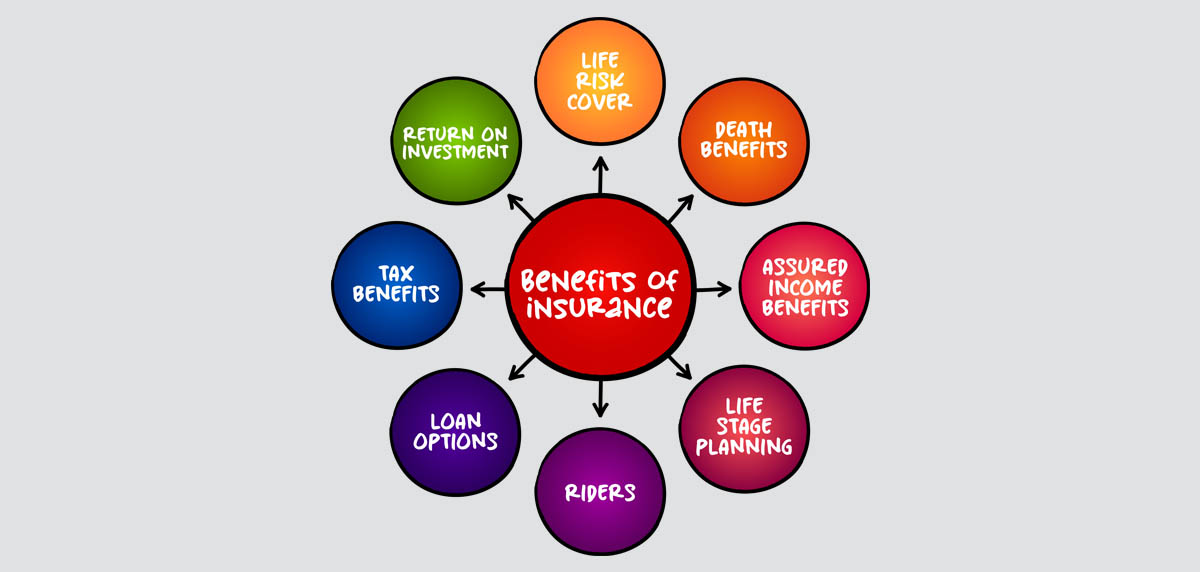
Life cover comes in many forms. You can choose the type and amount that fits your needs. Here are some common choices:
- Term Life Insurance: Simple, affordable, covers a set period (10, 20, 30 years)
- Whole Life Insurance: Lifetime coverage, builds cash value
- Universal Life Insurance: Flexible premiums and coverage, cash value grows with interest
- Variable Life Insurance: Cash value can be invested in stocks and bonds
You can also add riders (extra features) to your policy. For example:
- Critical illness rider: Pays out if you are diagnosed with a serious illness
- Accidental death rider: Extra payout for death by accident
- Waiver of premium rider: No premiums if you become disabled
Affordable Protection
Many people think life cover is expensive, but term life insurance is often very affordable. For example, a healthy 30-year-old can buy a $250,000 policy for around $20–$30 per month. Costs depend on your age, health, and coverage amount.
Table: Sample Monthly Costs For Term Life Insurance
| Age | Coverage Amount | Average Monthly Premium |
|---|---|---|
| 30 | $250,000 | $20–$30 |
| 40 | $250,000 | $30–$45 |
| 50 | $250,000 | $50–$80 |
Non-obvious Insights
Many beginners overlook a few important points about life cover:
- Not just for parents or married couples: Singles with dependents (like aging parents or siblings) also need protection.
- Group life cover from work may not be enough: Employer-provided policies are usually small ($25,000–$50,000) and may end if you change jobs. Consider buying personal coverage.
- You can adjust coverage: Life cover can be increased or decreased as your needs change. For example, after paying off your mortgage, you may reduce coverage.
Common Mistakes When Choosing Life Cover
- Underestimating needed coverage: Many people buy too little life cover. Calculate your needs based on debts, income replacement, and future goals (like education).
- Ignoring health changes: Health problems can increase premiums or make it hard to get coverage. Buy early when you are healthy.
- Choosing only the cheapest option: Low premiums are good, but make sure the policy fits your needs and offers enough protection.
- Not reviewing policies regularly: Life changes (marriage, children, new job) may mean you need more or less coverage.
- Forgetting to name beneficiaries: Always update your beneficiaries to avoid confusion or legal trouble.
Life Cover For Different Life Stages
Life cover is useful at every stage of life:
Young Adults
Even if you are single and healthy, buying life cover early locks in low rates. If you develop health issues later, it can be harder or more expensive to get coverage.
Parents
Parents use life cover to protect children and spouses. It can cover living costs and education if something happens.
Seniors
Older adults may need life cover to pay for funeral costs, settle debts, or support heirs.
Business Owners
Life cover protects companies, employees, and partners. It can fund ownership transfers, pay debts, or cover lost income.
Comparing Types Of Life Cover
Choosing the right life cover depends on your needs. Here’s a quick comparison:
| Type | Covers | Cost | Cash Value | Best For |
|---|---|---|---|---|
| Term Life | Set period | Low | No | Young, families, budget |
| Whole Life | Lifetime | High | Yes | Long-term savings |
| Universal Life | Flexible | Medium | Yes | Flexible needs |
| Variable Life | Lifetime | High | Yes | Investment growth |
How To Choose The Right Life Cover
Picking the best life cover can be tricky. Here are some tips:
- Assess your needs: Calculate debts, income replacement, education, and end-of-life costs.
- Compare policies: Look at coverage, price, cash value, and flexibility.
- Check company reputation: Choose a reliable insurer with good ratings.
- Review regularly: Update coverage as your life changes.
Living Benefits
Some life cover policies pay out even while you are alive. For example, if you are diagnosed with a terminal illness, you may get part of the death benefit early. This can help pay medical bills or support your family during tough times.
Life Cover And Financial Planning
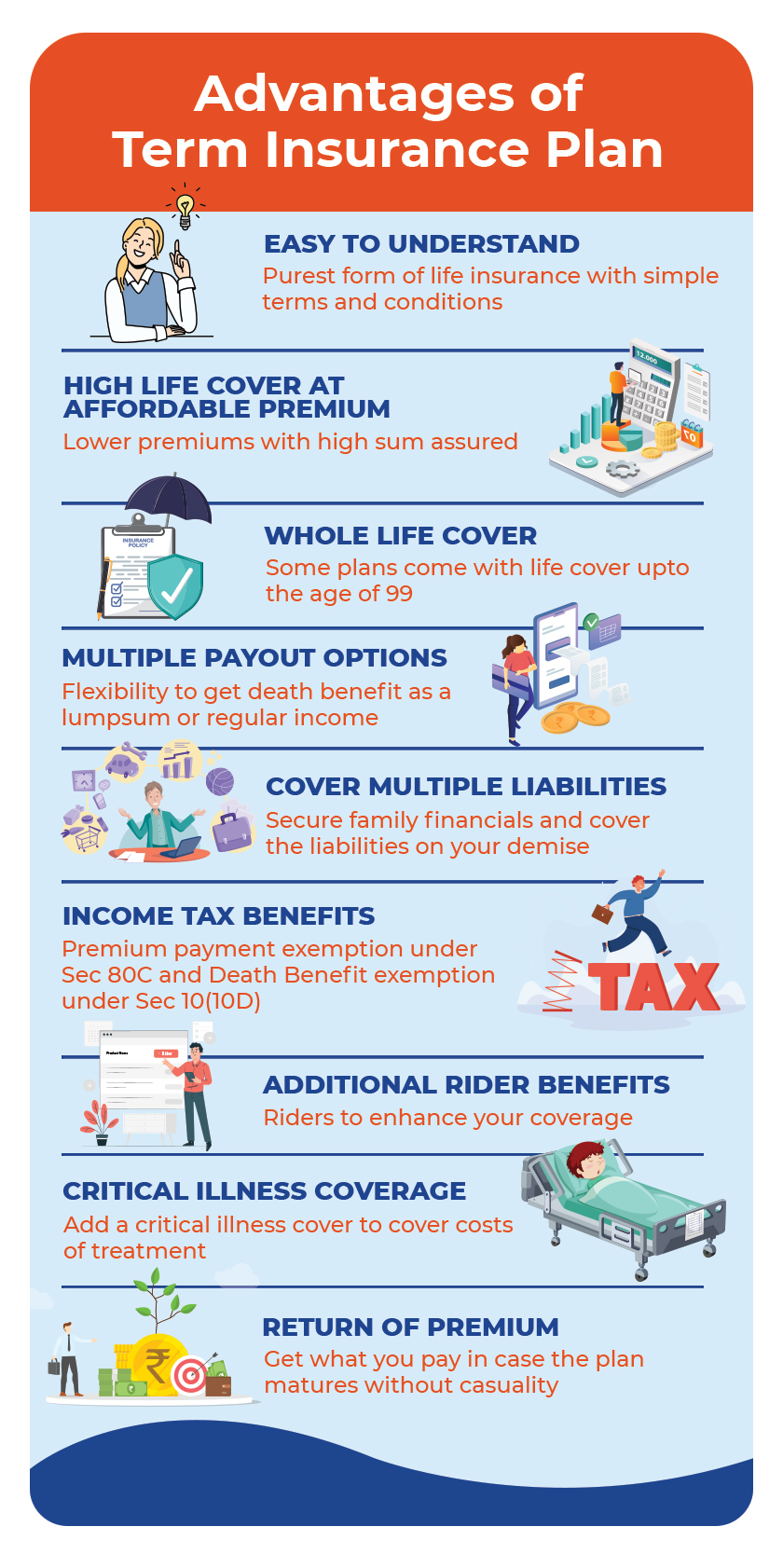
Life cover is a smart part of financial planning. It helps you:
- Protect family and assets
- Support education and retirement
- Cover debts and taxes
- Build savings
Financial advisors often recommend life cover as the foundation of a financial plan. It is the safety net that allows you to take risks, invest, and build wealth, knowing your family is safe.
Frequently Asked Questions
What Is The Difference Between Term And Whole Life Insurance?
Term life insurance covers you for a set period, like 10 or 20 years. If you die during this time, your beneficiaries get the death benefit. Whole life insurance covers you for your entire life and builds cash value. Term life is cheaper, but whole life offers savings and flexibility.
How Much Life Cover Do I Need?
The right amount depends on your debts, income, family needs, and goals. A common rule is to buy coverage equal to 10–15 times your annual income. You can also use online calculators or talk to a financial advisor.
Can I Buy Life Cover If I Have Health Problems?
Yes, but it may cost more. Some companies offer guaranteed issue policies with no medical exam, but premiums are higher and coverage is lower. It’s best to buy life cover while you are healthy.
What Happens If I Stop Paying Premiums?
If you stop paying, your policy may end. With term life, coverage stops and you lose your protection. With whole life, you may keep some cash value, but coverage may reduce or end. Always check your policy rules.
Is The Death Benefit Taxable?
Usually, the death benefit from life cover is not subject to income tax. However, estate taxes may apply for large estates. Always consult a tax expert for details. For more information, visit the IRS Estate Tax page.
Life cover is more than a safety net—it is a tool for building a secure future. Whether you are protecting a family, supporting a business, or planning your legacy, the benefits of life cover reach far beyond the basics. By understanding the options and making informed choices, you can give your loved ones stability and peace of mind, no matter what life brings.