
Many people hear about life insurance and annuity when planning their finances, but these two products can feel confusing. They both deal with money, risk, and the future, yet their purpose and how they work are very different. If you’re new to these ideas, you’re not alone. This guide explains the main differences, how each works, and helps you understand which one might fit your goals. We’ll keep everything simple, clear, and easy to follow, even if English is not your first language.
What Is Life Insurance?
Life insurance is a contract between you and an insurance company. You pay regular fees, called premiums. If you die while the policy is active, the company pays a lump sum of money to your family or chosen person (called a beneficiary). The main goal of life insurance is to protect your loved ones from financial problems if you are no longer there to support them.

Most people buy life insurance to:
- Cover funeral costs
- Replace lost income
- Pay off debts (like a home loan)
- Support children’s education
There are several types of life insurance, but the two most common are:
- Term life insurance: Lasts for a certain number of years (like 10, 20, or 30). If you die during this time, your family gets paid. If you live past the term, the policy ends and you get nothing.
- Whole life insurance: Lasts your entire life if you keep paying premiums. It also builds up some cash value that you can use or borrow while you’re alive.
Example: Imagine Maria, age 35, buys a 20-year term life insurance for $500,000. She pays $25 per month. If Maria dies during the next 20 years, her family gets $500,000. If she’s still alive after 20 years, the policy ends and her family gets nothing.
What Is An Annuity?
An annuity is a contract with an insurance company where you pay money (either all at once or over time). In return, the company promises to pay you a regular income, usually after you retire. The main goal of an annuity is to give you a steady source of money later in life.
Common reasons people buy annuities:
- To make sure they don’t run out of money in retirement
- To protect against living longer than expected
- To get income even if they can’t work anymore
There are several types of annuities:
- Immediate annuity: You pay a lump sum (like $100,000) and start getting payments right away (monthly, quarterly, or yearly).
- Deferred annuity: You pay money over time, and the income starts later, often at retirement.
- Fixed annuity: Pays you a set amount each period, no matter what happens in the market.
- Variable annuity: Pays you more or less depending on how investments do (stocks, bonds, etc. ).
Example: John, age 60, pays $200,000 for an immediate annuity. He starts receiving $900 each month for the rest of his life. If he lives 30 more years, he gets $324,000. If he dies in 5 years, he gets only $54,000.
:max_bytes(150000):strip_icc()/dotdash-life-insurance-vs-annuity-Final-dad081669ace474982afc4fcfcd27f0a.jpg)
Key Differences Between Life Insurance And Annuity
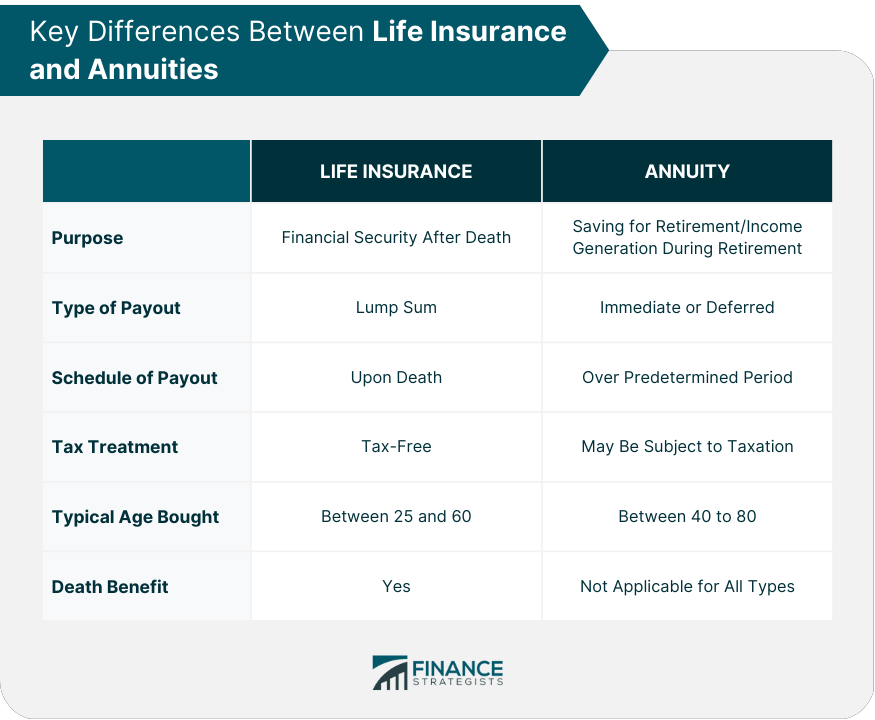
Both life insurance and annuity are contracts with insurance companies. But their purpose, timing, and benefits are very different. Let’s look at the main differences in a simple way.
| Feature | Life Insurance | Annuity |
|---|---|---|
| Main Purpose | Protect loved ones after your death | Provide income during your life |
| When Money is Paid | After death | While alive (usually after retirement) |
| Type of Payment | Lump sum to beneficiary | Regular payments to you |
| Who Benefits | Your family/beneficiary | You (the policyholder) |
| Risk Covered | Death | Living longer than expected |
How Life Insurance Works In Real Life
When you buy life insurance, you sign a contract and pay premiums (monthly or yearly). If you die while your policy is active, the company pays your beneficiary. The amount paid is called the death benefit.
Here’s a simple step-by-step process:
- You choose a coverage amount (like $100,000 or $1 million).
- You select the type (term or whole life).
- You decide who will get the money if you die.
- You fill out an application and answer health questions.
- The insurance company decides your premium based on your age, health, and coverage amount.
- You pay premiums.
- If you die while covered, your beneficiary files a claim and receives the money.
Common mistake: Many people forget to update their beneficiary after major life changes (marriage, divorce, birth of a child). Always keep this information current.
Non-obvious insight: Life insurance can sometimes be used to help pay estate taxes, so your family gets more money in the end.
How Annuities Work In Real Life
Buying an annuity is about getting income later. You pay money to the insurance company, then get paid back over time. The details depend on the type of annuity.
Here’s a step-by-step guide:
- Decide how much you want to invest.
- Choose immediate or deferred annuity.
- Pick fixed or variable payments.
- Sign the contract and pay the money.
- If deferred, wait until the payout starts (often retirement).
- Receive regular payments (monthly, quarterly, yearly).
Common mistake: People sometimes lock up too much money in annuities and can’t access it in emergencies. Make sure you keep enough savings outside the annuity.
Non-obvious insight: Some annuities offer riders (extra options) for things like long-term care or higher payments if you get sick. These can add cost but might be worth considering.
Comparing Costs And Benefits
Both products have costs (premiums for life insurance, purchase price for annuities), but their benefits are different. Let’s compare them side-by-side.
| Life Insurance | Annuity |
|---|---|
| Monthly premiums (usually affordable for younger, healthy people) | Large lump sum or regular payments (can be expensive upfront) |
| No payout if you outlive a term policy | Payout depends on how long you live |
| Benefit goes to your family | Benefit goes to you |
| May build cash value (whole life) | May offer investment growth (variable annuity) |
Who Should Buy Life Insurance?
Consider buying life insurance if:
- You have family or dependents who rely on your income
- You have debts, like a home loan or credit cards
- You want your children to have money for education
- You want to leave money for your spouse or parents
Most people buy life insurance when they get married, have children, or buy a home. The younger and healthier you are, the cheaper your premiums.
Tip: Even single people with no kids might need life insurance if they have debts or want to help their parents.
Who Should Buy An Annuity?
Think about buying an annuity if:
- You are close to retirement and want steady income
- You worry about outliving your savings
- You have a lump sum to invest (from selling a house, inheritance, or retirement plan)
- You want to protect against market ups and downs
Annuities are popular for people aged 55 and older. They can be a good choice if you want to make sure you always have money for basic needs.
Tip: Annuities are not for everyone. If you need flexibility or plan to leave money to your heirs, other products may be better.
Common Questions And Mistakes
Many beginners mix up life insurance and annuities because both come from insurance companies. Here are some common mistakes:
- Thinking life insurance is an investment. Most term life policies don’t build value.
- Believing annuities guarantee high returns. Only fixed annuities guarantee a set payment. Variable annuities can go up or down.
- Buying without reading the contract carefully. Always ask questions and understand fees, surrender charges, and payment options.
Example: Sarah, age 50, buys an annuity but doesn’t realize she cannot withdraw her money without a penalty for 10 years. She needs cash after 3 years and faces a big charge. Always check withdrawal rules.
How To Choose: Life Insurance Or Annuity?
Choosing between life insurance and annuity depends on your needs:
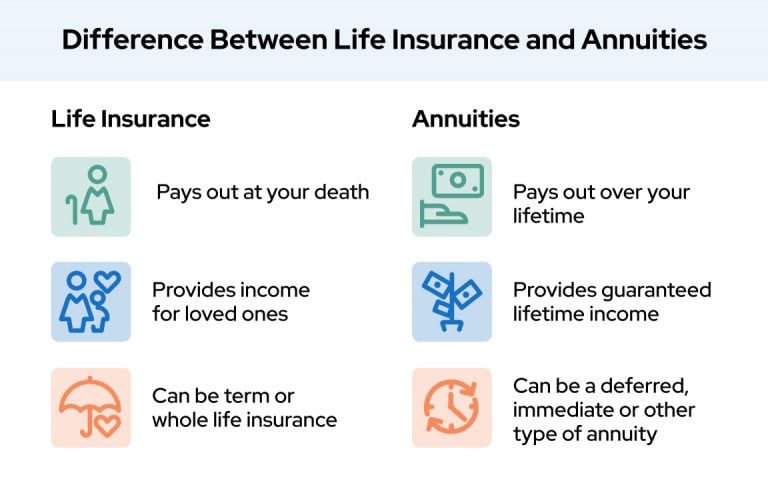
- If you want to protect your family after your death, choose life insurance.
- If you want income during retirement, choose an annuity.
- Some people need both—life insurance for protection, annuity for income.
Here’s a simple comparison to help you decide:
| Goal | Best Product |
|---|---|
| Replace income for family | Life Insurance |
| Pay funeral costs | Life Insurance |
| Get steady income in retirement | Annuity |
| Protect against living too long | Annuity |
| Leave inheritance | Life Insurance |
Real-life Statistics And Data
Understanding how many people use these products helps you see their role in the US.
- In 2022, over 106 million Americans owned life insurance. (Source: LIMRA)
- Annuities are less common, but sales reached $310 billion in the US in 2023.
- The average life insurance payout is between $50,000 and $200,000.
- Most annuity buyers are aged 55–75.
These numbers show that life insurance is more common, but annuities are growing fast as people worry about retirement income.
For more details, you can read about annuities at Wikipedia.
Frequently Asked Questions
What Happens If I Outlive My Term Life Insurance Policy?
If you live past the end of your term policy, your coverage stops and you get nothing. You can buy a new policy, but the cost will be higher as you are older.
Can I Buy Both Life Insurance And An Annuity?
Yes, many people buy both. Life insurance protects your family, while an annuity gives you income in retirement. They can work together for a balanced plan.
Are Annuities Safe?
Fixed annuities are considered safe because your payment is guaranteed. Variable annuities depend on the market and can be risky. Always check the company’s rating and read the contract.
How Much Life Insurance Do I Need?
Most experts suggest enough to cover your debts, funeral costs, and provide income for your family for several years. A common rule is 10 times your yearly income.
Can I Cash Out My Annuity Early?
You can withdraw money early, but most annuities charge a penalty if you do so before a certain period (often 5–10 years). Always check the rules before buying.
Understanding the difference between life insurance and annuity helps you make smart choices for your future. Both products have clear uses, but they are not the same. Take time to think about your goals, talk to a trusted advisor, and read contracts carefully before making a decision. With the right plan, you can protect your family and enjoy a safe, steady income in retirement.