
Life Insurance For Women Over 50
Many women over 50 are thinking about their futures and the well-being of their loved ones. At this stage, life insurance becomes more than just a financial product—it’s a way to provide peace of mind. If you’re a woman in this age group, you might be wondering: Is life insurance really necessary? What kind is best? How much does it cost? The answers are not always simple, but with the right guidance, you can make a smart choice for yourself and your family.
As women over 50, you may have unique needs compared to younger buyers. Your health, financial goals, and family situation play a big role. In this article, we’ll explore the important points you need to know, compare key options, and share practical tips for choosing the best policy.

We’ll also answer common questions that many women ask when looking for life insurance.
Why Life Insurance Matters For Women Over 50
Many women in their 50s and beyond are still supporting family members or helping with grandchildren. Others are thinking about leaving a legacy, covering final expenses, or protecting a spouse. Here are some key reasons why life insurance is important for this group:
- Financial protection: Even if your kids are grown, life insurance can help your spouse pay off debts, cover medical bills, or maintain their lifestyle.
- End-of-life expenses: Funerals and burial costs can be expensive. A policy can help avoid leaving these bills to family.
- Estate planning: Life insurance can make it easier to pass assets to loved ones, especially if you have property, investments, or retirement savings.
- Charitable giving: Some women use life insurance to leave money to a favorite charity or cause.
A non-obvious insight: Many women over 50 underestimate their financial value, especially if they are not the primary breadwinner. Life insurance can cover unpaid work, like caregiving, which is often overlooked but costly to replace.
Types Of Life Insurance To Consider
Choosing the right type of life insurance depends on your needs, health, and budget. Here’s a simple breakdown of the main options:
Term Life Insurance
This policy covers you for a set period, such as 10, 15, or 20 years. If you die during the term, your beneficiaries get a payout. It’s usually more affordable than other types.
- Good for: Covering debts, short-term needs, or if you want lower premiums.
- Limitations: Your coverage ends when the term is over; you may not get anything back if you outlive the policy.
Whole Life Insurance
Whole life policies last your entire life and build cash value over time. You pay higher premiums, but the policy never expires as long as you pay.
- Good for: Lifetime coverage, estate planning, or leaving a lasting legacy.
- Limitations: Higher cost, and cash value grows slowly.
Universal Life Insurance
This is a flexible policy where you can adjust premiums and coverage. It also builds cash value, but you need to monitor it to keep it active.
- Good for: If you want flexibility and some investment growth.
- Limitations: Complexity and risk of lapsing if you don’t manage it well.
Guaranteed Issue Life Insurance
This type doesn’t require a medical exam. It’s designed for older adults or those with health problems.
- Good for: If you have trouble qualifying for other policies.
- Limitations: Lower coverage amounts and higher premiums.
Here’s a quick comparison to help you understand the differences:
| Type | Coverage Period | Medical Exam? | Builds Cash Value? | Typical Cost |
|---|---|---|---|---|
| Term Life | 10-30 years | Yes | No | Low |
| Whole Life | Lifetime | Yes | Yes | High |
| Universal Life | Flexible/Lifetime | Yes | Yes | Medium-High |
| Guaranteed Issue | Lifetime | No | No | High |
Costs And Key Factors Affecting Premiums
Many women worry about the cost of life insurance in their 50s. Premiums are higher than for younger buyers, but there are ways to save. Here are the main things that affect price:
- Age: Premiums increase as you get older.
- Health: If you have chronic issues (like diabetes or heart disease), expect higher rates.
- Type of policy: Term life is usually cheapest; whole and universal are more expensive.
- Coverage amount: The more coverage you want, the higher your premium.
- Lifestyle: Smoking, high-risk hobbies, or certain jobs can raise costs.
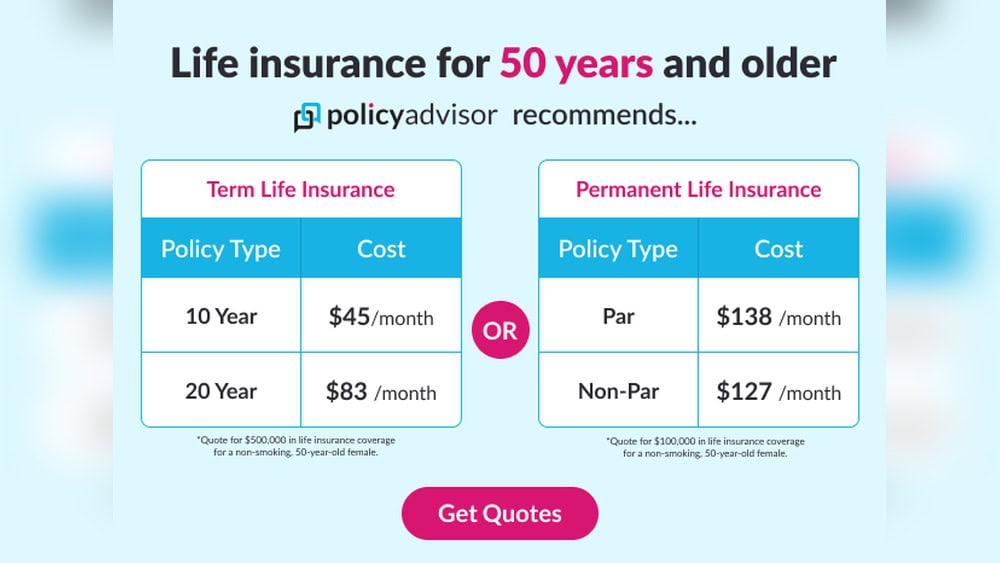
Let’s look at some real numbers for a woman age 55:
| Policy Type | Coverage Amount | Monthly Premium (Healthy, Non-Smoker) | Monthly Premium (Health Issues) |
|---|---|---|---|
| Term Life (10 years) | $100,000 | $35 | $65 |
| Whole Life | $50,000 | $120 | $170 |
| Guaranteed Issue | $25,000 | $110 | $110 |
A practical tip: Always compare quotes from several insurers. Prices vary a lot, and some companies specialize in policies for older women.
How To Choose The Right Policy
Picking the best life insurance depends on your goals, budget, and health. Here’s a step-by-step guide to make the process easier:
- Decide your goal. Are you trying to cover funeral costs, leave money to family, or protect your spouse’s income?
- Estimate your coverage needs. Add up debts, funeral costs, and any ongoing support your family might need.
- Check your health and eligibility. If you’re healthy, you’ll qualify for better rates. If not, look at guaranteed issue policies.
- Set your budget. Make sure the premiums fit your monthly expenses. Don’t overcommit.
- Get multiple quotes. Use online tools or talk to an independent agent.
- Read the fine print. Watch for hidden fees, exclusions, and policy rules.
Here’s another non-obvious insight: Many women over 50 forget to update their beneficiaries. Make sure your policy matches your current wishes, especially after major life changes like divorce or the loss of a spouse.
Common Mistakes To Avoid
It’s easy to make mistakes when buying life insurance, especially if you’re new to it. Here are some of the most frequent errors:
- Buying too much or too little coverage: Many people either overspend or don’t get enough. Aim for a policy that covers real needs, not just a round number.
- Ignoring health changes: If your health improves, you might qualify for lower premiums later. Update your insurer if things change.
- Not comparing policies: Don’t just take the first offer. Compare features and costs.
- Missing payment deadlines: Late payments can cause your policy to lapse. Set reminders or use automatic payments.
- Not reviewing policy regularly: Life changes, and your coverage should too. Check your policy every couple of years.
Life Insurance And Women’s Health
Women over 50 face unique health risks, like heart disease, cancer, and osteoporosis. Insurers pay close attention to these, and they will impact your premiums. But don’t let health issues stop you from applying. Many companies offer policies even if you have pre-existing conditions.
If you’re dealing with health challenges, here are some tips:
- Get a doctor’s note if your health is stable. This can help lower rates.
- Choose a policy with no medical exam if you’re worried about being denied.
- Be honest about your health. Lying on your application can void your policy.
Estate Planning And Leaving A Legacy
Life insurance plays a big role in estate planning for women over 50. It’s a way to leave assets without the stress of probate or taxes. For example, you can name your children or grandchildren as beneficiaries, ensuring they get support after you’re gone.
Some women use life insurance to leave money to their church, charity, or favorite cause. This is called charitable giving and is a powerful way to make a difference.
Here’s a comparison of how life insurance can fit into estate planning vs. direct assets:
| Estate Planning Tool | Ease of Transfer | Tax Impact | Flexibility |
|---|---|---|---|
| Life Insurance | Direct to beneficiary | Usually tax-free | High |
| Real Estate | Probate required | Possible estate taxes | Medium |
| Investment Accounts | May need probate | Taxable | High |
Practical Tips For Women Over 50
Here are some friendly, actionable tips to help you make the best decision:
- Start shopping early. The younger you are, the lower your premiums.
- Consider your family’s needs, not just your own.
- Ask about senior discounts or special programs.
- Review your policy every few years.
- Talk openly with your loved ones about your plans.
If you want more detailed information on life insurance for older adults, check out NerdWallet.
Frequently Asked Questions
What Is The Best Type Of Life Insurance For Women Over 50?
The best type depends on your needs. Term life is good for affordable coverage; whole life works for lifetime protection and estate planning. If you have health issues, guaranteed issue may be your best option.
Can I Get Life Insurance If I Have Health Problems?
Yes, many companies offer policies for women with health issues. Guaranteed issue and some universal life policies do not require a medical exam, but they cost more.
How Much Coverage Should I Buy?
Estimate your needs: funeral costs, debts, and any ongoing support for family. Most women over 50 buy between $25,000 and $100,000 in coverage, but the right amount depends on your situation.
Will My Premiums Increase As I Get Older?
For term life, premiums stay the same during the policy. For whole life, they are fixed. If you buy new coverage later, rates will be higher because of your age.
How Do I Name Beneficiaries?
You can name anyone—spouse, children, grandchildren, or a charity. Make sure you update your beneficiary list after major life changes.
Making smart choices about life insurance can give you peace of mind and help your loved ones. Remember, the best policy is one that fits your life, your budget, and your goals. With good planning, life insurance for women over 50 is not just possible—it’s a powerful tool for your future.