Many people buy life insurance to protect their family, but not everyone knows how to check if a life insurance company is truly legitimate. Choosing the wrong company can mean losing your money, not getting payouts, or facing endless paperwork.
This guide will help you verify a life insurance company step-by-step, explain warning signs, and give you tools to make safe choices. Even if you’re not an expert, by the end, you’ll feel confident about checking any life insurance provider.

Why Checking Legitimacy Matters
When you pay for life insurance, you trust the company will support your family if you die. But not every company is trustworthy. Some companies are fake, some are badly managed, and others make promises they can’t keep. In the US alone, the National Association of Insurance Commissioners (NAIC) reports hundreds of complaints each year about fraud and misleading insurance companies. If you choose a wrong company, you might lose thousands of dollars and your family could be left with nothing.
Steps To Check If A Life Insurance Company Is Legitimate
1. Confirm Government Registration
Every legitimate life insurance company must be registered with the government in the country where it operates. In the US, companies must have a license from each state where they sell policies. You can check this easily:
- Visit your state’s Department of Insurance website.
- Search for the company’s name or license number.
- Look for details such as license status, expiration date, and any disciplinary actions.
If the company is not listed, it is not allowed to sell insurance in your state.
2. Check Financial Strength Ratings
A real life insurance company should be financially stable. Several independent agencies rate insurance companies for their ability to pay claims. The most respected are A.M. Best, Moody’s, Standard & Poor’s, and Fitch.
Here’s a comparison of rating scales:
| Agency | Top Rating | Lowest Rating |
|---|---|---|
| A.M. Best | A++ | D |
| Moody’s | Aaa | C |
| Standard & Poor’s | AAA | D |
| Fitch | AAA | D |
Look for companies with ratings above A or A-. If a company is not rated or has low ratings, it may be risky.
3. Look For Clear Contact Information
A genuine life insurance company will display:
- Physical address (not just a PO Box)
- Phone number (not only mobile)
- Customer service email
- Official website
If you can’t find this information, or if the contact details don’t match across sources, this is a red flag. You can call or email the company to test their customer service. Legitimate companies reply quickly and professionally.
4. Verify Company History
Check how long the company has been in business. Most trustworthy life insurance companies have been operating for decades. You can search for their foundation year and major milestones.
Here is a sample comparison:
| Company Name | Year Founded | Years in Business |
|---|---|---|
| MetLife | 1868 | 155 |
| Prudential | 1875 | 148 |
| New York Life | 1845 | 178 |
If a company was formed recently and has little history, proceed with caution.
5. Review Customer Complaints And Reviews
Customer feedback shows how a company treats its clients. You can check:
- Better Business Bureau (BBB) ratings
- NAIC complaint index
- Online reviews on Google or Trustpilot
The NAIC complaint index compares the number of complaints to the size of the company. A score above 1.0 means more complaints than average. BBB grades from A+ to F, based on customer satisfaction and complaint resolution.
Non-obvious tip: Look for patterns in complaints, not just the number. If many people report slow payouts, hidden fees, or misleading sales, these are warning signs.
6. Confirm Policy Details And Transparency
Legitimate companies give clear, written details about their policies. Ask for:
- Sample policy documents
- Explanation of terms and conditions
- Information about premiums, exclusions, and claims process
If the company refuses to share documents before you buy, or if the documents are confusing, this is not a good sign. You should also check if the policy uses plain language. Many fake companies use complex words to hide important information.
7. Check For Professional Memberships
Trusted insurance companies often belong to industry groups like:
- American Council of Life Insurers (ACLI)
- National Association of Insurance Commissioners (NAIC)
- Local insurance associations
Membership shows the company follows best practices and industry standards. You can check these organizations’ websites to confirm if the company is listed.
8. Research Ownership And Management
Knowing who owns and runs the company helps you judge reliability. Search for:
- Names of executives and directors
- Ownership structure (public, private, mutual)
- Any history of legal trouble
If the leadership is unknown or has past fraud issues, avoid the company. Mutual companies (owned by policyholders) often have strong reputations.
9. Test Online Tools And Portals
Legitimate companies offer online portals for policy management. Try to:
- Register for an account
- View policy information
- Make payments securely
If the website is poorly built, has broken links, or doesn’t protect your information, this can mean the company is not professional.
10. Ask For Recommendations
Talk to insurance agents, financial advisors, or people you trust. Real professionals often know which companies are reliable. But remember, some agents earn commissions, so always double-check their advice.
Warning Signs Of Fake Or Shady Life Insurance Companies
Some companies pretend to sell insurance but are scams. Watch for these warning signs:
- Aggressive sales tactics – Pressuring you to buy immediately.
- Promises of guaranteed returns – Real life insurance never promises big profits.
- Requests for cash payments – Legitimate companies ask for checks or online payments, not cash.
- Unusual fees – Hidden costs or fees that are not explained clearly.
- Unprofessional website – Bad grammar, broken links, or missing information.
- No written documents – Refusal to give policy information in writing.
- No licensing – Cannot show proof of registration or license.
If you see any of these, pause and investigate more.
Common Mistakes When Checking Legitimacy
Many people make errors when checking life insurance companies. Here are mistakes to avoid:
- Trusting only online reviews: Some reviews are fake or paid. Always check official sources.
- Ignoring small details: Even small errors in documents or website can signal bigger problems.
- Relying on word-of-mouth only: Friends may have limited experience. Always do your own research.
- Skipping license check: This is the most important step. Never skip checking government registration.
- Not understanding policy terms: Ask questions until you understand the policy fully.

Credit: www.murphyfalcon.com
Real-life Example: How One Family Lost Money
In 2018, a family in Texas bought life insurance from a company advertising low rates and fast approval. They paid premiums for two years. When the policyholder died, the company refused to pay, claiming the policy was invalid. Later, the family learned the company was not licensed in Texas and had many complaints.
If they had checked the company’s license and complaint history, they could have avoided this loss.
How To Use Official Resources
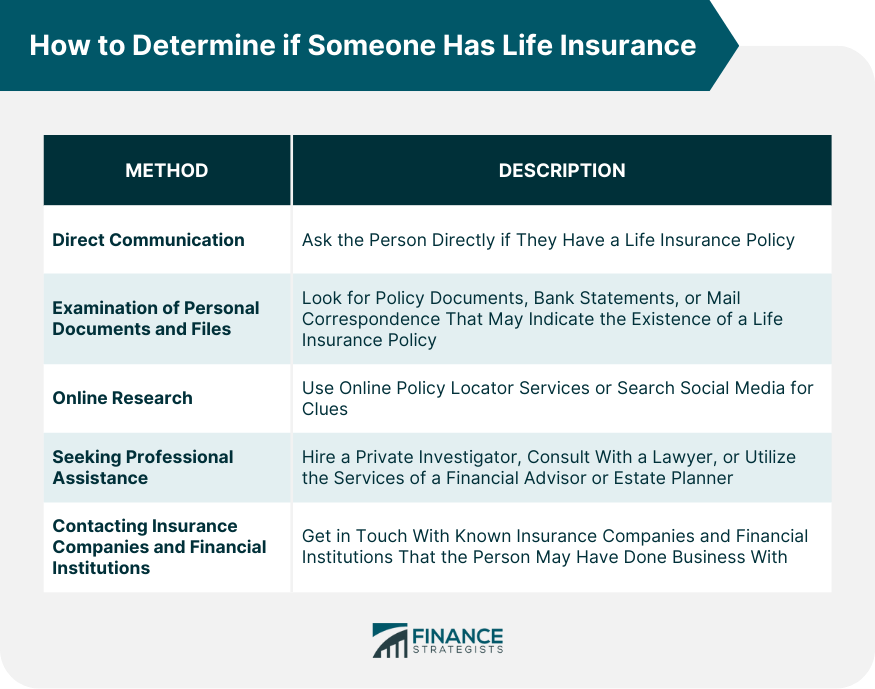
Official websites can help you check legitimacy quickly. For US companies:
- Visit the NAIC Consumer Information Source
- Use the State Department of Insurance website
For other countries, search for the national insurance regulator. If you’re unsure, ask for help from a local financial advisor.
Here’s a simple comparison of how to check a company in two countries:
| Country | Regulator Website | License Search Available |
|---|---|---|
| USA | https://content.naic.org/ | Yes |
| UK | https://www.fca.org.uk/ | Yes |
You can also use resources like NAIC to check ratings and complaints.
Credit: www.financestrategists.com
What To Do If You Suspect Fraud
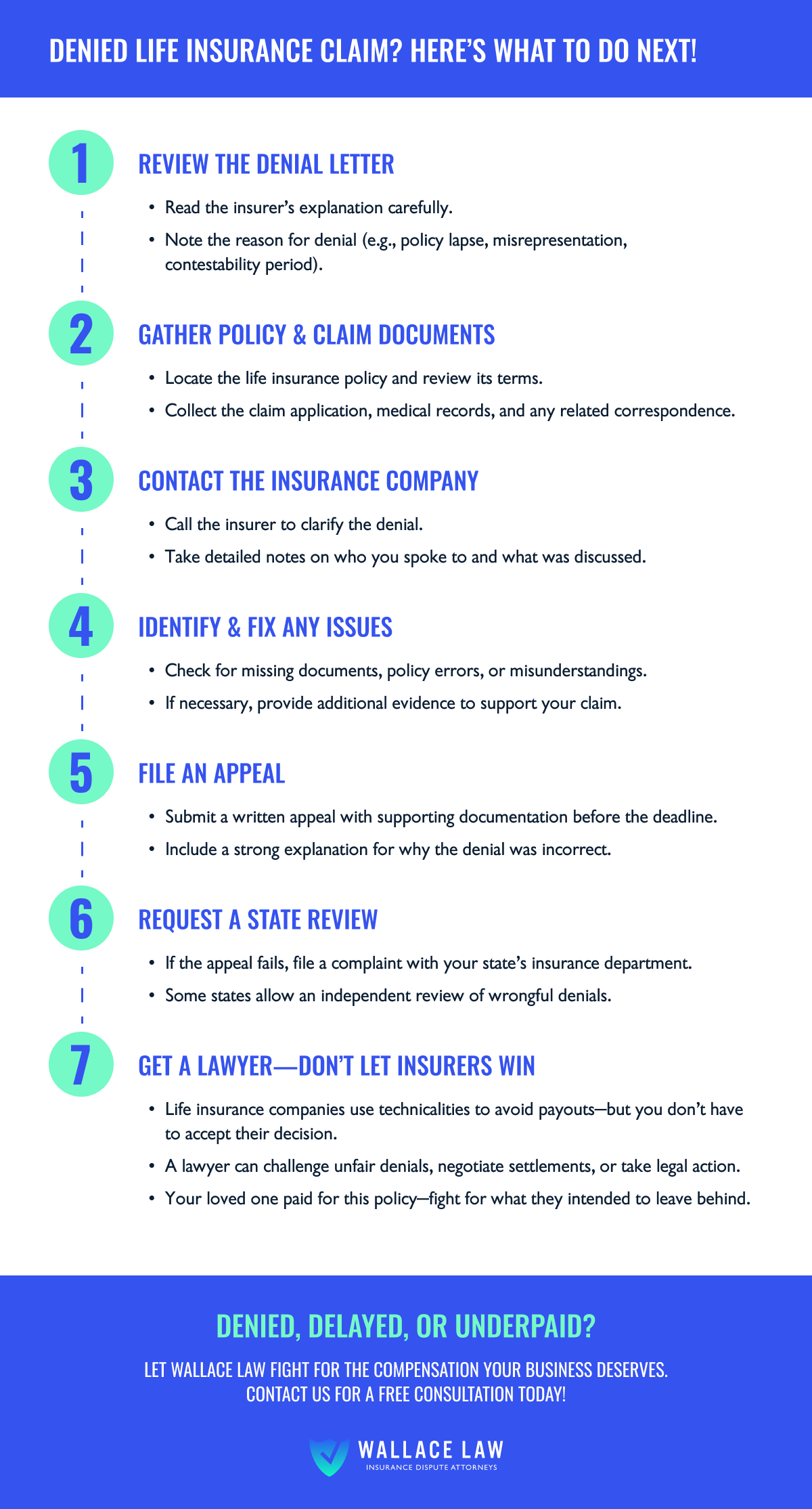
If you think a company is fake or dishonest:
- Stop all payments immediately.
- Contact your state insurance department or national regulator.
- Report the company to consumer protection organizations.
- Save all documents and communications.
Many countries have laws that protect consumers from insurance fraud. Acting quickly can help recover your money or prevent more losses.
Practical Tips To Stay Safe
- Always ask for a copy of the policy before buying.
- Compare at least three companies before deciding.
- Never pay in cash or through informal methods.
- Use official websites for license and complaint checks.
- If you don’t understand something, ask for clarification or get help.
Credit: www.wallaceinsurancelaw.com
Frequently Asked Questions
How Can I Check If A Life Insurance Company Is Licensed?
You can visit your state’s Department of Insurance website and search for the company’s name. Most sites have a license lookup tool. If the company is not listed, it is not licensed.
What Are Financial Strength Ratings And Why Are They Important?
Financial strength ratings show the company’s ability to pay claims. Agencies like A.M. Best and Moody’s rate insurers. Look for ratings above A or A-. Low ratings mean the company may not be able to pay your family.
Can I Trust Online Reviews About Life Insurance Companies?
Online reviews can help but should not be your only source. Some reviews are fake or paid. Always check official sources like the NAIC complaint index and the BBB.
What Should I Do If A Company Refuses To Give Policy Documents?
If a company will not share policy documents before you buy, this is a warning sign. Do not give them money. Legitimate companies always provide clear written information.
Is It Safe To Buy Life Insurance From A New Company?
New companies may be safe, but they are riskier. Check their license, ratings, management, and history. If you are unsure, choose a company with a longer track record.
Choosing a legitimate life insurance company is about careful checks, not just price or convenience. By following these steps, you can avoid scams and make sure your family is truly protected. Remember, the best insurance is the one that pays when you need it most.