
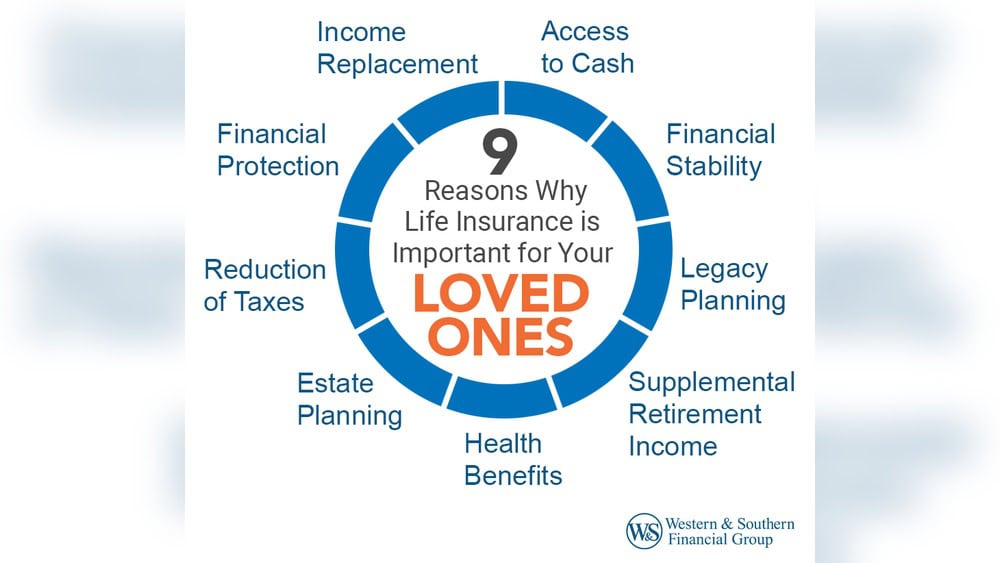
Everyone hopes life will go smoothly. But unexpected events can happen. Accidents, illness, or sudden loss may leave families in financial trouble. That’s where life insurance comes in. It’s not just a policy—it’s a safety net. Many people think life insurance is only for the elderly or those with children. In reality, it’s a smart step for anyone who cares about their loved ones’ future. Let’s explore why life insurance matters and how it helps protect against life’s uncertainties.
Financial Protection For Loved Ones
The main reason people buy life insurance is to protect their family from money problems if they die. When the main earner dies, the family can lose income and face bills they cannot pay.

- Funeral costs in the US often range from $7,000 to $12,000. Without insurance, families may struggle with these expenses.
- Life insurance can cover debts like mortgages, car loans, or credit cards.
- It can replace lost income for many years.
Here’s a simple comparison:
| Situation | With Life Insurance | Without Life Insurance |
|---|---|---|
| Main earner dies | Family receives payout, covers bills | Family faces debts and may lose home |
| Young parent dies | Children’s education paid | Education plans delayed or canceled |
Many families think government help will be enough, but often it isn’t. A life insurance policy gives your family peace of mind, knowing they won’t face sudden money problems.
Covering Debts And Obligations
When you pass away, debts don’t disappear. They can become a burden for your family. Life insurance can help pay off:
- Mortgage
- Car loans
- Credit card balances
- Student loans
For example, in the US, the average mortgage is around $236,000. If you owe this amount and die without insurance, your family may need to sell the house or face foreclosure.
A life insurance payout can also help pay taxes or estate costs. This is especially important if you own property or a business. It keeps your assets safe for your loved ones.
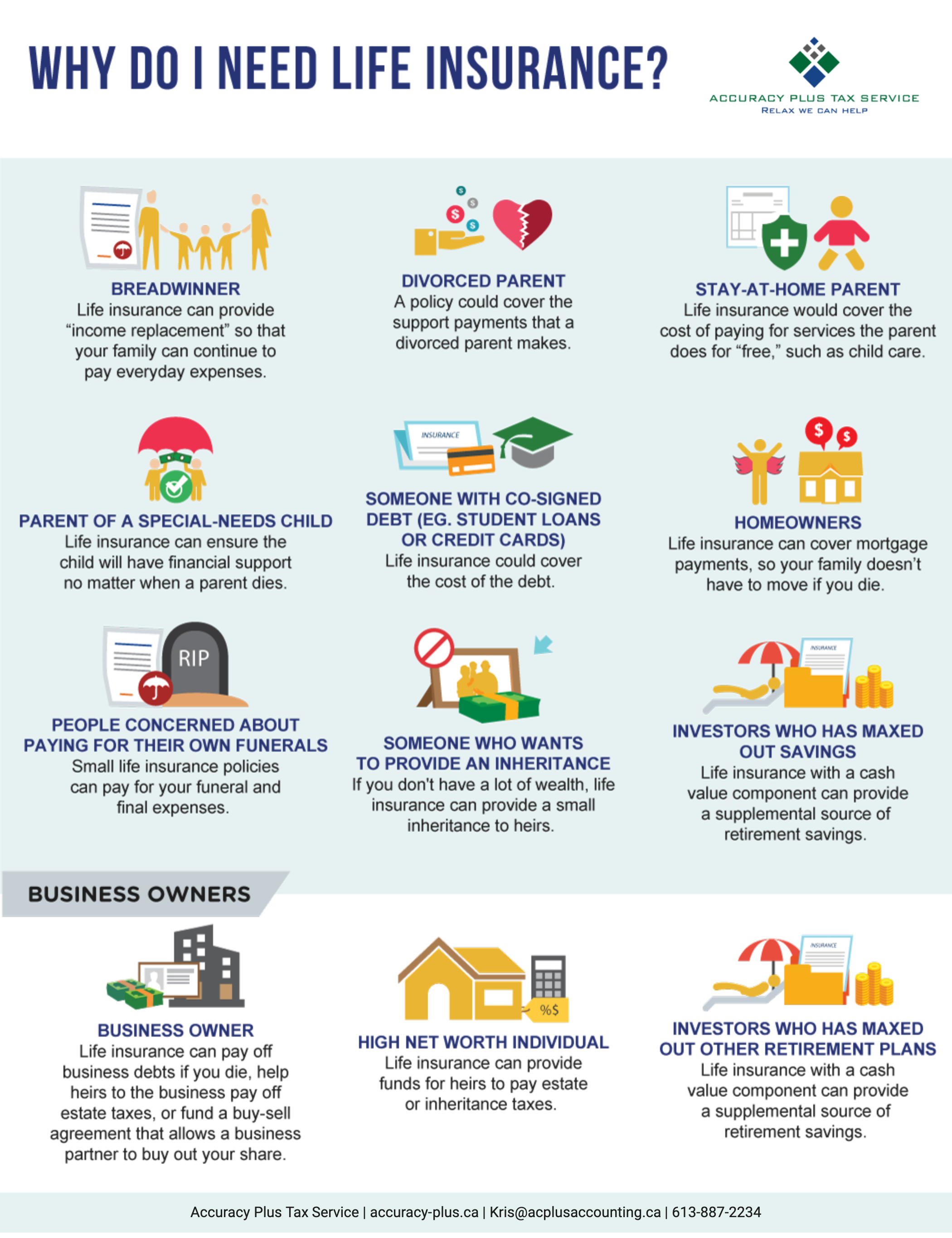
Supporting Children’s Future
Children depend on adults for support. If a parent dies, their plans for college or activities can be affected. Life insurance helps children continue their education and reach their goals.
| Plan | Estimated Cost | Life Insurance Covers? |
|---|---|---|
| Four-year college | $90,000 – $160,000 | Yes |
| After-school activities | $2,500/year | Yes |
Some policies let you name a child as beneficiary, so they receive money directly. This helps them stay on track, even after a tragedy.
Business And Estate Planning
Life insurance is useful for more than families. Business owners use it to protect their companies. If a key partner dies, a policy can help cover losses or buy out shares.
- Keeps business running during tough times
- Can help pay taxes or settle legal matters
- Protects employees and partners
Estate planning is another area. Life insurance provides cash to cover estate taxes, so your heirs don’t need to sell property or assets quickly.

Peace Of Mind And Long-term Benefits
Knowing you have life insurance brings peace of mind. You won’t worry about leaving your family in trouble. Some policies, like whole life insurance, offer extra benefits:
- Cash value grows over time
- Can borrow against the policy
- May earn dividends
Here’s a quick look at types of life insurance:
| Type | Main Feature | Best For |
|---|---|---|
| Term Life | Coverage for set years | Low-cost protection |
| Whole Life | Coverage for life, cash value | Long-term savings |
| Universal Life | Flexible payments, cash value | Custom needs |
Many beginners miss one key point: life insurance is cheapest when you’re young and healthy. Waiting can mean higher costs or even rejection if your health declines.
Common Misconceptions And Mistakes
Some people avoid life insurance because they believe:
- It’s too expensive.
- They don’t need it yet.
- The company won’t pay out.
But most policies are affordable, especially for young adults. For example, a healthy 30-year-old can often get $250,000 coverage for less than $20 per month.
Another mistake is relying only on employer-provided insurance. These policies may end if you leave your job or retire, leaving your family unprotected.
Non-obvious insight: Not all life insurance is the same. Policies differ in price, features, and payout conditions. Always read the details and compare before buying.
Frequently Asked Questions
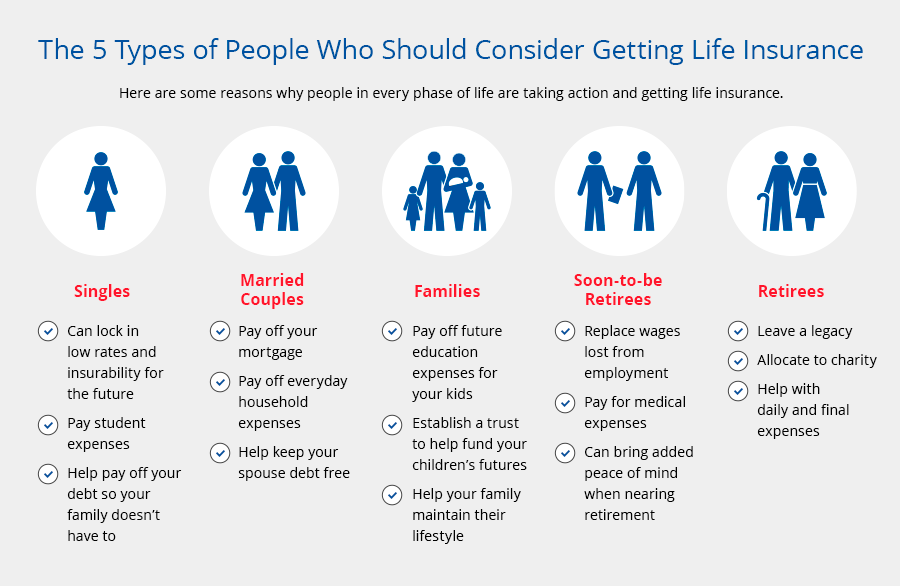
Is Life Insurance Only For Parents Or Married People?
No, life insurance is useful for anyone who has someone depending on them—parents, siblings, or even business partners.
How Much Life Insurance Do I Need?
Most experts suggest coverage that’s 10–15 times your yearly income. Consider debts, education costs, and living expenses when choosing.
What Happens If I Miss A Payment?
Usually, your policy will lapse or end if you miss payments. Some policies have a grace period, but it’s important to pay on time.
Can I Change My Beneficiaries Later?
Yes, you can update beneficiaries at any time. This is useful if your family situation changes.
Are Payouts Taxed?
In most cases, life insurance payouts are not taxed. However, some exceptions apply, especially for large estates. Check with a financial advisor or visit the IRS website for details.
Life insurance isn’t just about money—it’s about caring for others and planning ahead. The right policy can protect your family, your business, and your peace of mind. Consider your needs, compare options, and take action before life’s surprises arrive.