
Choosing between life insurance and critical illness insurance can feel confusing, especially if you are new to insurance. Both options help protect you and your family, but they work in different ways. Many people worry about what will happen if they die, or if they become seriously ill and cannot work. Understanding the difference between these two types of insurance will help you make the best choice for your situation. In this article, you will learn what each insurance covers, how they work, and which might suit your needs better. We will use simple words, clear examples, and easy-to-understand comparisons, so you can decide with confidence.
What Is Life Insurance?
Life insurance is a policy that pays money to your family or loved ones if you die. This money helps cover living costs, debts, or funeral expenses. Most people buy life insurance to make sure their family has financial support if they are not around.

There are two main types of life insurance:
- Term life insurance: This covers you for a set period, like 10, 20, or 30 years. If you die during this time, your family receives the payout.
- Whole life insurance: This covers you for your entire life. It is more expensive but guarantees a payout when you die, no matter when that happens.
For beginners, term life insurance is usually easier to understand and costs less.
Example
Let’s say you buy a term life insurance policy for 20 years with a $100,000 payout. If you die during those 20 years, your family will get $100,000. If you are alive after 20 years, the policy ends and you get nothing.
Key Points
- Protects your family if you die
- Helps pay for debts and funeral costs
- Term policies are cheaper and simpler
What Is Critical Illness Insurance?
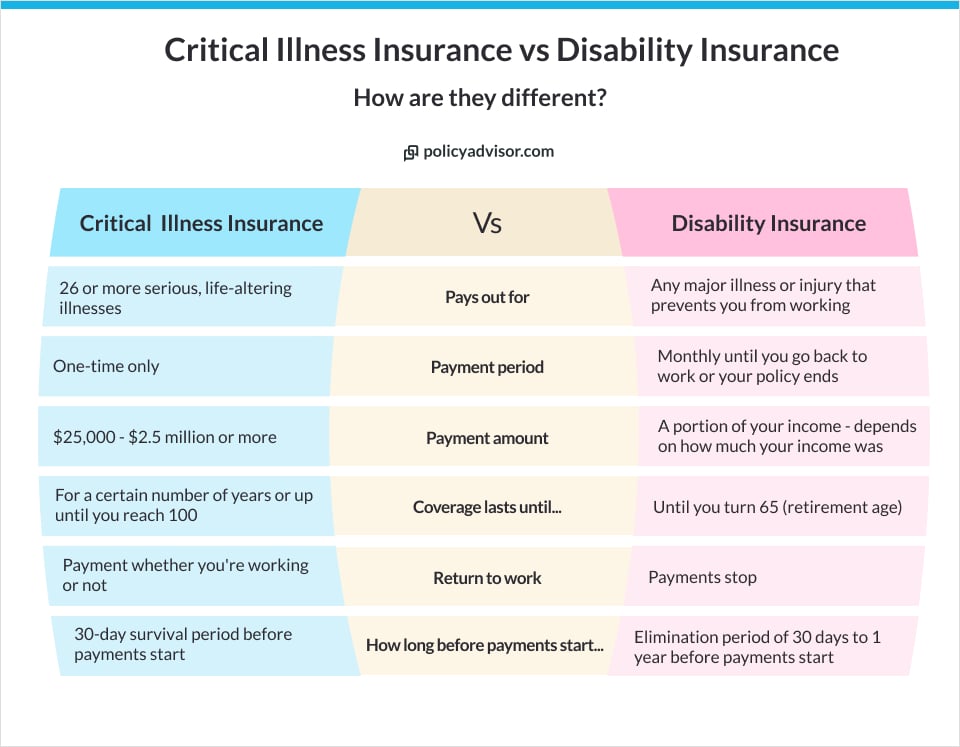
Critical illness insurance gives you money if you are diagnosed with a serious illness like cancer, heart attack, or stroke. The policy pays a lump sum so you can pay for treatment, cover bills, or support your family while you recover.
This insurance does not cover all illnesses, only the ones listed in your policy. Common illnesses covered are:
- Cancer
- Heart attack
- Stroke
- Kidney failure
- Major organ transplant
Critical illness insurance is useful if you worry about the high cost of medical treatment or losing income if you cannot work.
Example
Imagine you have a critical illness policy with a $50,000 payout. If you get cancer, you receive $50,000. You can use this money for medical bills, daily expenses, or anything else you need.
Key Points
- Pays money if you get a serious illness
- Helps with medical costs and living expenses
- Only covers certain illnesses
How Do Life Insurance And Critical Illness Insurance Compare?
Choosing between these two types of insurance can be easier if you look at their main differences. Here is a simple comparison:
| Feature | Life Insurance | Critical Illness Insurance |
|---|---|---|
| What triggers payout? | Death | Serious illness diagnosis |
| Who gets the money? | Family/beneficiaries | You (the insured) |
| Use of payout | Funeral, debts, daily needs | Medical bills, recovery, daily needs |
| Cost | Lower (term) | Higher (for same coverage) |
| Coverage period | Set years or lifetime | Set years |
Real-life Example
Let’s say you are 35 years old with a family. If you die suddenly, life insurance helps your family pay for the house and daily expenses. If you get cancer and cannot work, critical illness insurance helps you pay for treatment and supports your family while you recover.
Who Should Buy Life Insurance?
Life insurance is good for people who:
- Have a family or dependents who rely on their income
- Have debts, like a home loan or car loan
- Want to leave money for funeral costs
- Want to make sure loved ones are financially safe
If you are the main provider for your family, life insurance can be very important. It is often cheaper than critical illness insurance, especially if you are young and healthy.
Non-obvious Insight
Some beginners believe life insurance is only for older people. In fact, buying life insurance when you are young can save money, because premiums are lower. Also, many people do not realize life insurance can help pay off debts like student loans, which do not disappear after death.
Who Should Buy Critical Illness Insurance?
Critical illness insurance is useful for people who:
- Worry about medical costs if they get sick
- Do not have enough savings to cover months without work
- Have family history of serious illnesses
- Are self-employed or do not have sick leave benefits
If you want extra protection for yourself, especially against expensive illnesses, critical illness insurance is a smart choice.
Non-obvious Insight
Many people think health insurance alone is enough. But health insurance often does not cover all costs, like lost income, travel for treatment, or special care at home. Critical illness insurance gives you money to use as you need, not just for medical bills.
Can You Have Both?
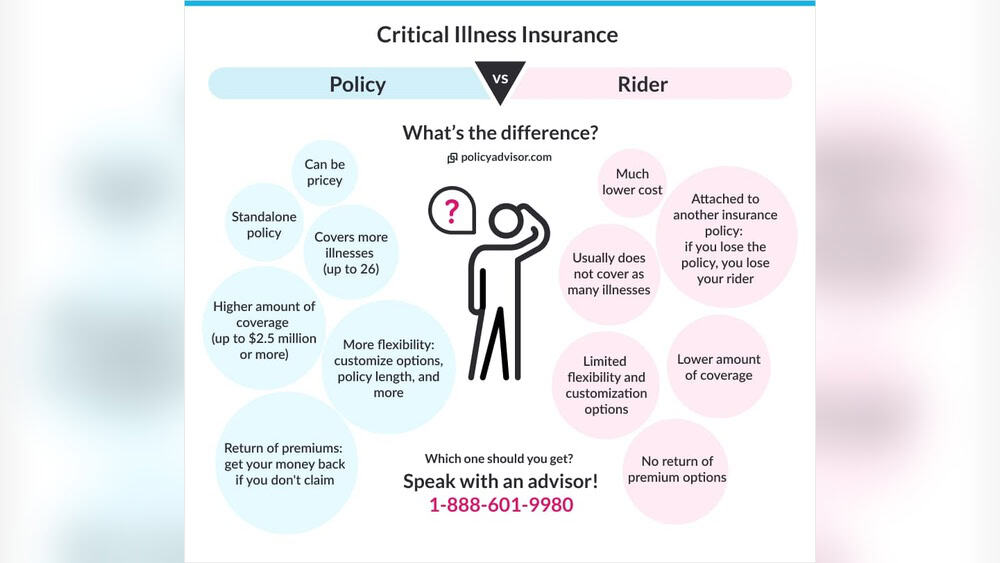
Yes, you can buy both types of insurance. Some companies offer combined policies, but you can also buy them separately. Having both gives you wider protection — one covers your family if you die, the other helps you if you become seriously ill.
| Option | Coverage | Benefits |
|---|---|---|
| Life insurance only | Death | Supports family after death |
| Critical illness only | Serious illness | Supports you during illness |
| Both | Death + illness | Full protection for family and self |
Cost Comparison
Cost is a big factor for many people. Here’s a simple breakdown:
- Term life insurance is often cheaper. A healthy 30-year-old might pay $20 per month for $100,000 coverage.
- Critical illness insurance costs more. The same person may pay $40 per month for $50,000 coverage.
Why is critical illness insurance more expensive? Because the risk of getting a serious illness is higher than dying at a young age. Insurance companies expect more claims for illnesses.
Factors Affecting Price
- Age: Younger people pay less.
- Health: If you have health issues, premiums are higher.
- Coverage amount: More coverage means higher premiums.
- Smoking: Smokers pay more for both types.
Common Mistakes When Choosing
Beginners often make these mistakes:
- Buying too little coverage: Many people pick the cheapest policy, but it may not be enough.
- Not reading policy details: Some illnesses or causes of death are not covered. Always check the list.
- Thinking health insurance is enough: Health insurance pays for hospital bills, but not lost income or everyday costs.
- Waiting too long: Premiums get higher as you age or if your health changes.
How To Decide Which Is Better?
There is no “one size fits all” answer. The best choice depends on your needs, budget, and family situation.
Ask yourself these questions:
- Do you have dependents who rely on your income?
- Are you worried about paying bills if you get sick?
- Can you afford both types of insurance?
- What risks do you face — death or illness?
If your main concern is your family’s future after your death, life insurance is better. If you worry about costly illnesses and loss of income, critical illness insurance is better.
Practical Advisor Tip
If you can only afford one, start with life insurance. It is cheaper and covers your family’s most basic needs. Later, add critical illness insurance if your budget allows.
Real Data And Statistics
Here are some numbers to help you understand the risks:
- In the US, about 1 in 3 people will be diagnosed with cancer in their lifetime.
- Heart disease is the leading cause of death, with over 600,000 deaths per year.
- About 55% of Americans do not have life insurance.
- Many families struggle to pay for medical costs after a serious illness — over 60% of bankruptcies are linked to medical expenses (Source Name).
These facts show why both types of insurance are important.
Frequently Asked Questions
What Happens If I Survive After Claiming Critical Illness Insurance?
If you survive, you keep the money paid to you. The policy usually ends after you make a claim.
Can I Buy Life Insurance And Critical Illness Insurance Together?
Yes, you can buy both separately or as a combined policy. This gives you wider protection.
Is Health Insurance Enough Instead Of Critical Illness Insurance?
No, health insurance pays hospital bills but does not cover lost income or other costs. Critical illness insurance gives you a lump sum to use as you wish.
Does Life Insurance Cover Serious Illness?
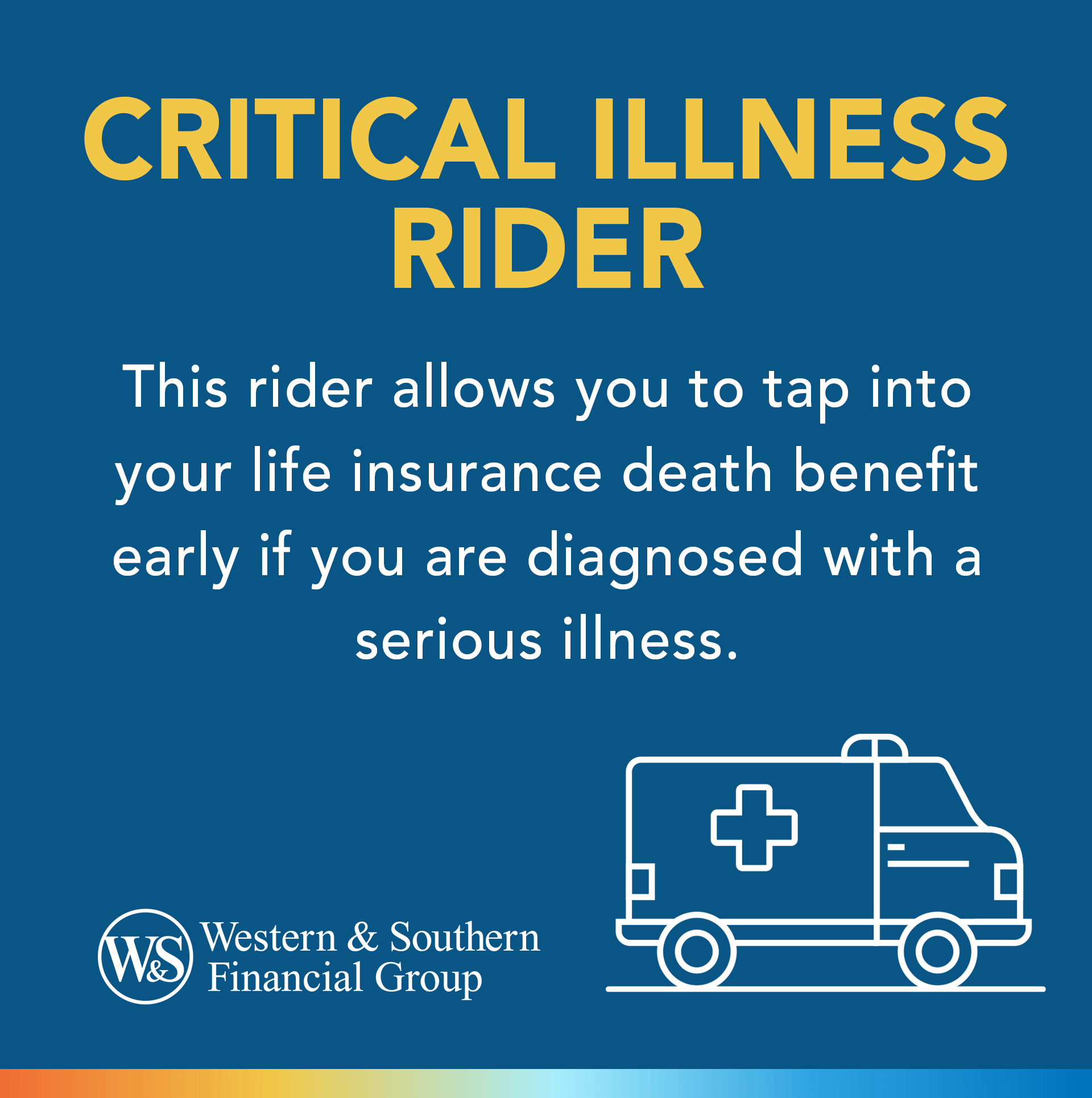
No, life insurance only pays if you die. It does not pay for illnesses unless you have extra riders or combined policies.
Are Premiums Fixed For Both Types?
Term life insurance usually has fixed premiums. Critical illness premiums may change, depending on policy and age.
Choosing between life insurance and critical illness insurance is a big decision. Both have unique benefits, and the best choice depends on your needs. Think about your family, your health, and your budget. If possible, get advice from a trusted insurance agent or financial planner.
Remember, protecting your loved ones and yourself is important, and understanding your options will help you make a smart choice.