A whole life insurance policy is more than just a way to protect your family financially. It also offers some unique tax benefits that can help you save money and plan for the future. Many people don’t realize how useful these advantages can be, especially if you want long-term security and extra ways to build wealth.
This article will guide you through the main tax benefits of whole life insurance, explain how they work, and point out things that even experienced policyholders sometimes miss.

Understanding Whole Life Insurance
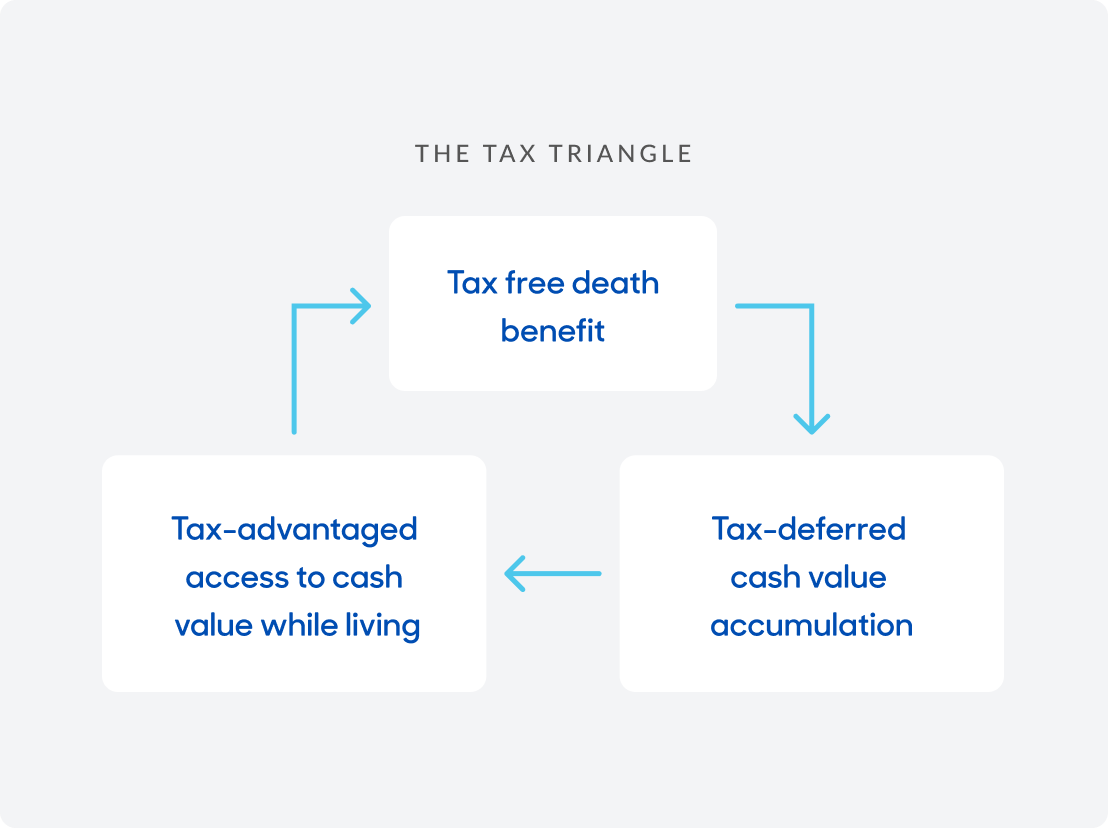
Whole life insurance is a type of permanent life insurance. It stays active for your entire life as long as you pay the premiums. Unlike term life insurance, it also builds cash value over time. This cash value grows tax-deferred, which means you do not pay taxes on the growth each year.
Many Americans use whole life insurance as part of their financial plan, not only for the death benefit but for the tax advantages it brings. According to the American Council of Life Insurers, over 27 million Americans own permanent life insurance policies.
Key Tax Benefits Of Whole Life Insurance
1. Tax-free Death Benefit
When you pass away, your beneficiaries receive the death benefit. This payout is usually income tax-free. For example, if your policy pays out $500,000, your family receives the full amount without federal income tax.
There are rare exceptions. If your estate is very large, it might face estate taxes. But for most people, the death benefit is a simple, tax-free sum that supports loved ones.
2. Tax-deferred Cash Value Growth
The cash value in a whole life policy grows without annual taxes. This is called tax-deferred growth. Here’s why it matters:
- The interest and investment gains inside your policy are not taxed while they grow.
- You can accumulate more money over the years, compared to an account where you pay taxes on earnings each year.
For instance, if you have a policy with $20,000 cash value that grows to $30,000, you won’t pay taxes on the $10,000 gain unless you withdraw it beyond your basis.
3. Tax-advantaged Loans And Withdrawals
You can borrow against your cash value. Policy loans are not considered taxable income as long as the policy stays active. Here’s a comparison of what happens when you access funds from a whole life policy versus a traditional savings account:
| Access Method | Whole Life Insurance | Traditional Savings |
|---|---|---|
| Loan | Tax-free if policy is active | Loan is not taxable, but interest is not deductible |
| Withdrawal | Tax-free up to cost basis | Interest earned is taxable |
Withdrawals up to the amount you paid in premiums (your cost basis) are tax-free. Only withdrawals above this amount are taxed as ordinary income.
Non-obvious insight: If you borrow from your policy and don’t repay, the unpaid loan reduces the death benefit. But as long as the policy doesn’t lapse, you won’t owe taxes on the loan amount.
4. Dividends May Be Tax-free
Some whole life policies pay dividends. These are not guaranteed, but when paid, they are often considered a return of premium and are not taxable income. If you leave dividends in the policy to buy more coverage or add to the cash value, there is still no tax due.
If you take dividends as cash and they exceed the total premiums you’ve paid, the excess could be taxable. But most policyholders never reach this point.
5. Estate Planning Advantages
Whole life insurance can help with estate planning. Here’s how:
- The death benefit can be used to pay estate taxes, so heirs don’t need to sell assets quickly.
- If you place your policy in an irrevocable life insurance trust (ILIT), the death benefit is not counted toward your estate for estate tax purposes.
This is especially helpful for people with large estates who want to keep more wealth in the family.

How Whole Life Insurance Compares To Other Financial Tools
It’s easy to confuse the benefits of whole life insurance with other savings or investment options. Here’s a simple table to compare the tax treatment of whole life insurance, 401(k) accounts, and Roth IRAs:
| Feature | Whole Life Insurance | 401(k) | Roth IRA |
|---|---|---|---|
| Tax-Free Death Benefit | Yes | No | No |
| Tax-Deferred Growth | Yes | Yes | Yes |
| Tax-Free Withdrawals | To cost basis | No (taxable after withdrawal) | Yes (if rules met) |
| Required Minimum Distributions | No | Yes (after age 73) | No |
Non-obvious insight: Whole life insurance does not have required minimum distributions (RMDs), so you can leave the money untouched for life, which is not true for traditional retirement accounts.
Common Mistakes To Avoid
- Letting the policy lapse: If you take out too much cash or loans and your policy lapses, you might owe taxes on gains.
- Confusing withdrawals and loans: Loans are usually tax-free, but withdrawals above your basis are taxable.
- Not using trusts properly: If you have a large estate, not using an ILIT can mean more taxes for your heirs.
- Ignoring loan interest: Policy loans charge interest. If unpaid, it eats into your cash value and death benefit.
Is Whole Life Insurance Right For You?
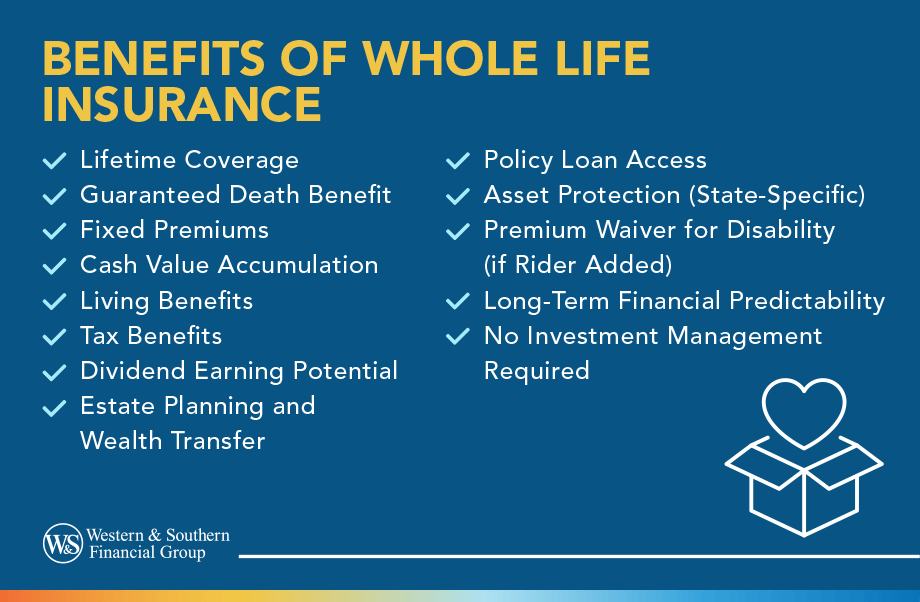
Whole life insurance is not for everyone. Premiums are higher than term life, and the policies are complex. But if you want a mix of tax advantages, lifelong coverage, and a way to build wealth outside traditional investments, it can be a smart choice.
It’s important to talk to a financial advisor before buying a policy. They can help you decide if the tax benefits fit your overall plan. For more on the basics of life insurance, visit the Investopedia Whole Life Insurance Guide.
Frequently Asked Questions
What Makes The Death Benefit Of Whole Life Insurance Tax-free?
The IRS does not treat the death benefit as income for beneficiaries. This makes it a reliable way to transfer wealth without extra taxes.
Can I Access My Cash Value Without Paying Taxes?
Yes, you can borrow against your cash value or withdraw up to the amount you have paid in premiums without triggering taxes. Only withdrawals above your basis are taxable.
Are Dividends From Whole Life Insurance Always Tax-free?
Dividends are usually not taxed if they do not exceed your total premiums paid. If you receive more than you paid in premiums, that excess is taxed as income.
What Happens If I Surrender My Whole Life Policy?
If you cancel (surrender) your policy, any cash value above your cost basis is taxed as ordinary income. You will also lose your life coverage.
How Does Whole Life Insurance Help With Estate Planning?
It provides a tax-free death benefit and, when placed in a trust, can help reduce estate taxes for wealthy individuals.
Whole life insurance offers several unique tax advantages that can help you protect your family and build long-term wealth. Understanding these benefits lets you make smarter financial decisions and avoid costly mistakes. If you are considering whole life insurance, review your needs and get advice from a qualified expert to make the best use of its tax perks.