

Life insurance is more than just a contract; for many people, it’s a promise of protection. If you are new to life insurance, the details may seem complex. However, understanding the key features of a life insurance contract can help you make the right decisions for yourself and your loved ones.
In this guide, you’ll find simple explanations, clear examples, and practical insights about the main parts of a life insurance contract. By the end, you’ll be better prepared to choose and use life insurance with confidence.

What Is A Life Insurance Contract?
A life insurance contract is a formal agreement between you (the policyholder) and the insurance company. You pay regular amounts (called premiums), and in return, the company agrees to pay money (called the death benefit) to your chosen person (beneficiary) if you pass away while the contract is active.
This contract lays out all the important details—what you pay, what’s covered, what’s not, and how claims work.
Main Parties In A Life Insurance Contract
To understand any contract, you need to know who is involved. In life insurance, there are usually four main parties:
- Insurer: The company that provides the insurance and pays the benefit.
- Policyholder: The person who owns the contract and pays the premiums.
- Insured: The person whose life is covered (sometimes the same as the policyholder).
- Beneficiary: The person or people who receive the death benefit.
Sometimes, these roles overlap. For example, you may buy a policy on your own life and name your spouse as the beneficiary.
Core Features Of A Life Insurance Contract
Every life insurance contract includes several key features. Understanding these helps you compare plans and avoid common mistakes.
1. The Death Benefit
The death benefit is the money the insurer pays to the beneficiary if the insured person dies while the policy is active. This is the main purpose of life insurance. The amount can be as low as $10,000 or as high as several million dollars, depending on the plan and your needs.
2. Premiums
Premiums are the payments you make to keep your insurance active. You may pay monthly, yearly, or sometimes in one large payment. Premiums depend on factors like:
- Age and health of the insured
- Amount of death benefit
- Type of insurance (term or permanent)
- Lifestyle factors (smoking, risky jobs)
If you stop paying premiums, the policy may end, and your coverage will stop.
3. Policy Term
The policy term is how long the insurance lasts. There are two main types:
- Term life insurance: Covers you for a set period (often 10, 20, or 30 years).
- Permanent life insurance: Covers you for your whole life as long as you pay the premiums.
This table shows the main differences:
| Feature | Term Life | Permanent Life |
|---|---|---|
| Coverage Duration | Set period (e.g., 20 years) | Lifetime |
| Premium Cost | Lower | Higher |
| Cash Value | None | Builds over time |
4. Beneficiary Designation
Choosing a beneficiary is one of the most important steps. You can pick one person, several people, or even a charity. You can also set rules—such as splitting the money 50/50 between two children. Make sure to update your beneficiary if your life changes (for example, after marriage or having children).
5. Exclusions And Limitations
Not every cause of death is covered. Policies often have exclusions—reasons they will not pay the benefit. Common exclusions include:
- Suicide (usually not covered in the first two years)
- Death from criminal activities
- Lying on the application (for example, hiding a health problem)
Always read the exclusions section carefully so you know what is not covered.
6. Cash Value (for Permanent Policies)
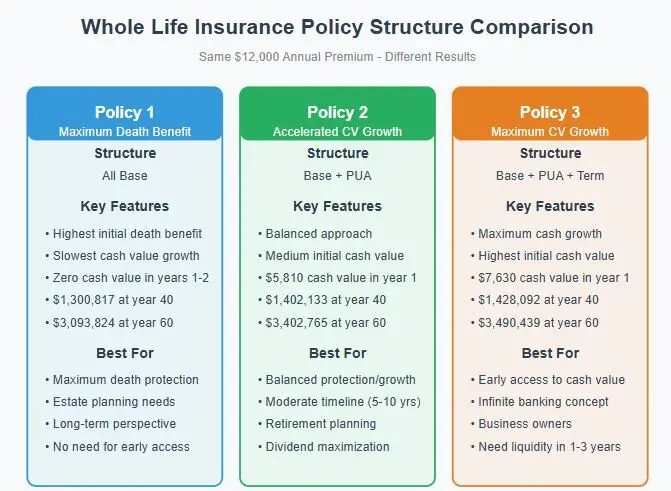
Some life insurance plans, like whole life or universal life, have a cash value feature. Part of your premium goes into a savings-like account that grows over time. You can borrow money from this cash value or even use it to pay future premiums. But remember, taking money out may reduce your death benefit.
7. Policy Loan And Surrender Options
If your policy builds cash value, you can:
- Borrow against it (policy loan)
- Surrender or cancel the policy and get some of the cash value
This can be helpful in emergencies. But if you don’t repay loans, your death benefit will be reduced.
8. Free Look Period
Most contracts have a free look period—a short time (usually 10–30 days) after you get the policy. During this time, you can review everything, ask questions, and even cancel for a full refund. This gives you a chance to change your mind if you feel the policy isn’t right.
9. Grace Period
If you miss a premium payment, the grace period gives you extra time (often 30 or 31 days) to pay without losing your coverage. This is important if you ever forget a payment or have a financial issue for a short time.
10. Riders And Add-ons
Riders are extra options you can add to your basic policy for more coverage. Common riders include:
- Accidental death rider: Pays extra if you die in an accident
- Waiver of premium: Lets you stop paying premiums if you become disabled
- Child rider: Covers your children under your policy
Riders can make your coverage fit your needs better, but they also cost more.
How Life Insurance Contracts Work: Step-by-step
Understanding the process makes everything clearer. Here’s how a typical life insurance contract works:
- You apply: You fill out an application, answer questions, and may take a medical exam.
- The insurer reviews: The company checks your health, job, and lifestyle.
- You get approved: The company offers you a policy with set terms and premiums.
- You pay premiums: You keep the policy active by paying on time.
- If you pass away: The beneficiary files a claim, gives documents (like a death certificate), and the company pays the benefit if all terms are met.
This process is usually straightforward, but delays can happen if papers are missing or if there are questions about the cause of death.

Key Contract Terms Explained Simply
Life insurance contracts use some special words. Here are a few you’ll see often, with simple explanations:
- Face amount: The main death benefit amount.
- Underwriting: The company’s process to decide if they will insure you and at what price.
- Policy lapse: When your policy ends because you didn’t pay premiums.
- Contestability period: Usually the first two years, when the insurer can review claims more closely for fraud or mistakes.
- Incontestability: After the contestability period, the insurer usually cannot deny a claim for honest mistakes.
Comparing Different Types Of Life Insurance
To help you see which type fits your needs, here’s a comparison:
| Type | Best For | Key Benefit | Main Limitation |
|---|---|---|---|
| Term Life | Short-term needs, low cost | High coverage, low price | No cash value |
| Whole Life | Lifelong coverage, savings | Builds cash value | Higher premiums |
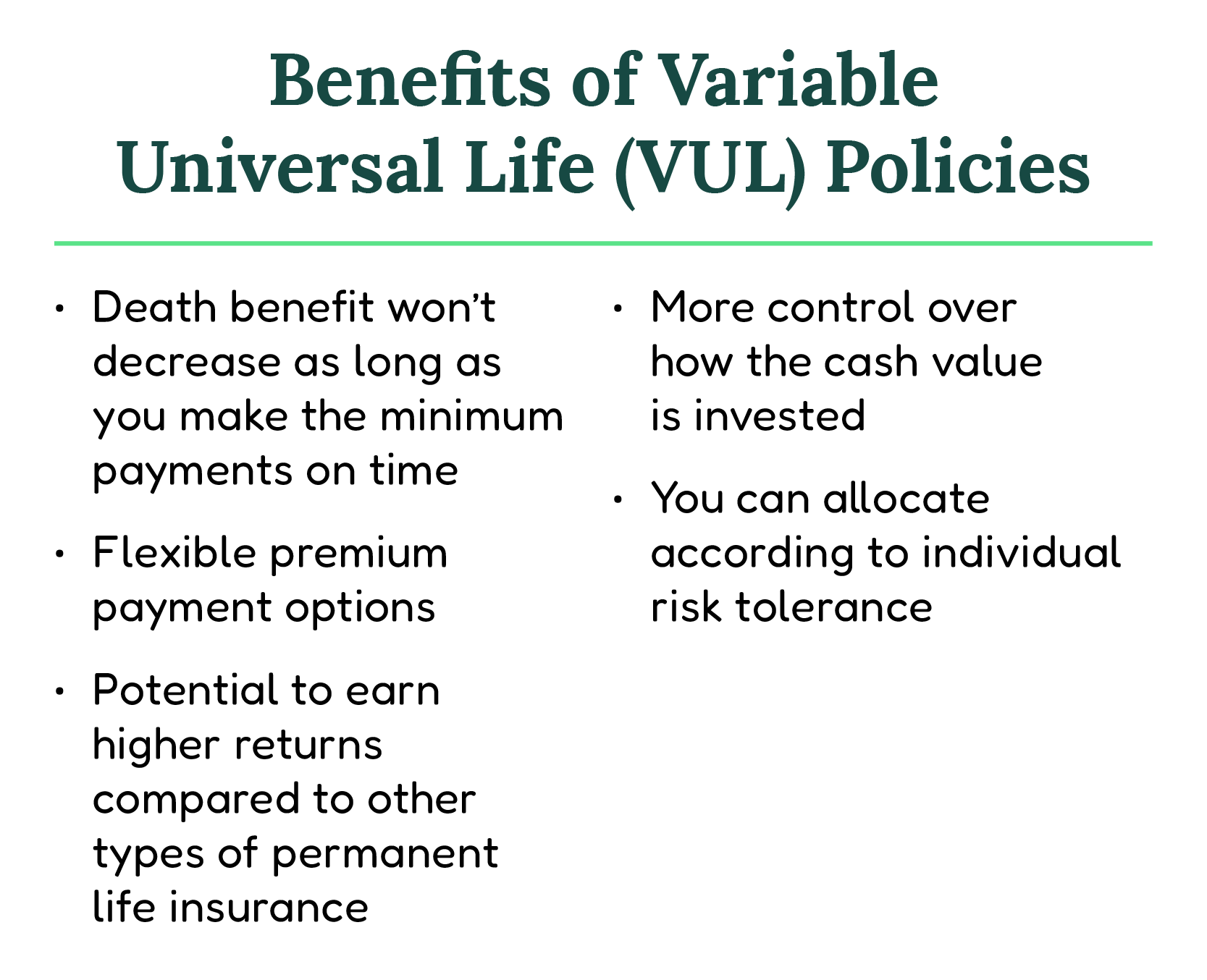
| Universal Life | Flexible payments | Adjustable premiums | Complex rules |
Common Mistakes Beginners Make
When buying life insurance, many people make simple mistakes. Avoid these to get the best value:
- Choosing the wrong beneficiary: Always keep your choice up to date.
- Not reading exclusions: Know what is not covered.
- Buying too little or too much coverage: Use a calculator or ask an advisor.
- Letting the policy lapse: Set reminders to pay premiums.
- Ignoring the free look period: Use this time to check all details.
Two Non-obvious Insights For Beginners
- Life insurance can be used while you are alive: If you have a permanent policy with cash value, you can borrow from or withdraw this money for emergencies or retirement, though this can reduce the final benefit.
- Group life insurance at work isn’t always enough: Many jobs offer some life insurance, but it may not cover all your needs. Buying your own policy gives more control and peace of mind.
The Claims Process: What To Expect
If you are a beneficiary, making a claim is usually simple. Here’s what you do:
- Contact the insurer as soon as possible.
- Fill out a claim form and provide a death certificate.
- Wait while the insurer reviews the claim (often 2–4 weeks, but can be longer if more information is needed).
Most claims are paid quickly, but if there are questions (such as about the cause of death or if the policy was new), the insurer may take more time.
Regulations And Consumer Protections
Life insurance is regulated by state governments in the US. Each state has rules to protect buyers, such as:
- Free look period requirements
- Limits on how insurers can use your personal information
- Rules about how quickly claims must be paid
If you ever have a problem, you can contact your state insurance department for help. For more details, visit the National Association of Insurance Commissioners.
How To Choose The Right Life Insurance Contract
Here are steps to find the best policy for your needs:
- Decide your goal: Are you protecting your family, saving, or both?
- Choose the type: Term for simple, low-cost coverage; permanent for lifelong protection and savings.
- Pick the right amount: Enough to cover debts, living costs, and future needs.
- Compare quotes: Look at several companies and read the contract details.
- Check the insurer’s reputation: Choose a company with good financial strength and customer reviews.
Frequently Asked Questions
What Happens If I Miss A Premium Payment?
Most contracts have a grace period (about 30 days). If you pay during this time, your coverage continues. If you don’t, your policy may lapse, and you could lose your protection.
Can I Change My Beneficiary Later?
Yes, you can change your beneficiary at any time, as long as the contract allows it. Most policies make this process easy, but you need to fill out a form and tell the insurer.
What Is A Rider In Life Insurance?
A rider is an extra option you can add to your main policy. It gives you more coverage, like paying extra for accidents or adding coverage for children.
Is The Money From Life Insurance Taxed?
Usually, the death benefit is paid to the beneficiary tax-free. There are some exceptions, such as if you sell your policy or if the benefit goes to your estate, so check with a tax advisor.
How Much Life Insurance Do I Need?
This depends on your family’s needs, debts, income, and future plans. Many experts suggest having insurance worth 7–10 times your yearly income, but your needs may be different.
Choosing a life insurance contract is an important decision. By understanding the key features—such as the death benefit, premiums, policy term, and exclusions—you can make smart choices for yourself and your loved ones. Take your time, ask questions, and use the free look period to review everything.
With the right knowledge, you can get the protection and peace of mind you deserve.