
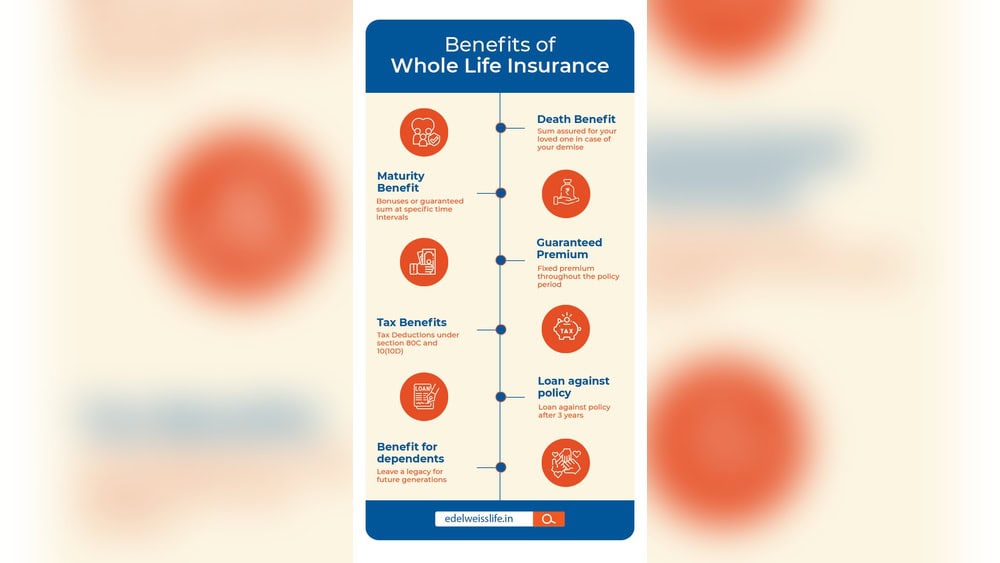
Life insurance is one of those financial tools many people hear about but rarely understand fully. Maybe you’ve seen ads or heard family members talk about it, but you wonder: “Is it really necessary? What does it actually do for me?” If you’ve ever asked yourself these questions, you’re not alone. Life insurance can sound complicated, but its benefits are clear and significant—especially when life throws unexpected challenges your way.
Imagine you are the main income earner for your family. If something happened to you, would your loved ones be able to manage financially? Would your children still go to college? Would your spouse pay the mortgage without your support?

This is where life insurance makes a difference. It’s not just about leaving money behind; it’s about creating a safety net for those who depend on you.
In this article, I’ll break down the real benefits of having a life insurance policy. I’ll use simple language, practical examples, and even show you data and comparisons. Whether you’re considering buying your first policy or just want to understand more, you’ll find answers here.
Why Life Insurance Matters
Life insurance is a contract between you and an insurance company. You pay a regular premium, and in return, the company promises to pay a lump sum to your beneficiaries if you pass away. This payment, called the death benefit, can help your family cover expenses and maintain their lifestyle.
But life insurance isn’t just about death. It can also support you while you’re alive, depending on the policy you choose. Let’s look at the main reasons people buy life insurance:
- Family protection – Helps your loved ones financially if you’re gone.
- Debt coverage – Pays off loans and mortgages.
- Income replacement – Supports family’s daily needs.
- Savings and investment – Some policies build cash value.
- Peace of mind – You know your family will be okay.
Financial Security For Your Family
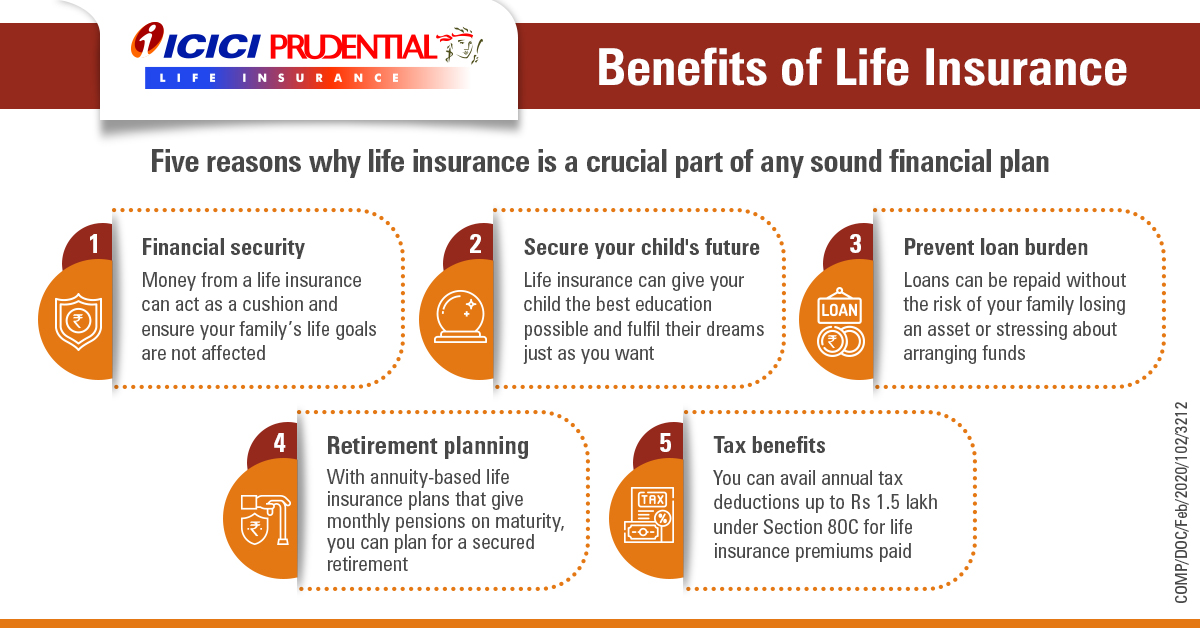
One of the biggest benefits of life insurance is financial security. When the main income earner passes away, families can face serious money problems. Life insurance provides a tax-free lump sum, so your family can:
- Pay living expenses like rent, food, and utilities
- Cover children’s education costs
- Maintain their standard of living
For example, the average funeral cost in the US is over $7,000. Many families struggle to pay this suddenly. Life insurance helps cover these immediate expenses so your loved ones aren’t forced to borrow money or sell assets.
Example: Family Support
Let’s say John, a father of two, has a $250,000 life insurance policy. After he dies, his wife uses the payout to cover the mortgage, pay bills, and keep the kids in school. Without this money, she would need to find extra work or move to a smaller home.
Debt Protection
If you have debts—like a mortgage, car loan, or credit card balance—your family could be responsible for paying them after you’re gone. Life insurance helps clear these debts, so your loved ones aren’t left with financial burdens.
Common Debts Covered
- Mortgage – Most families have a home loan. Losing the main earner can put the house at risk.
- Student loans – Some private loans don’t disappear after death.
- Credit cards – Outstanding balances can drain savings.
Here’s a quick comparison of how life insurance can help with debt:
| Debt Type | Without Insurance | With Insurance |
|---|---|---|
| Mortgage | Family may lose home | Mortgage paid off, home secured |
| Student Loans | Family must repay | Loan paid, no extra stress |
| Credit Cards | Debt drains savings | Debt cleared, savings preserved |
Income Replacement
For many families, the main benefit is income replacement. If you pass away, your salary disappears, but expenses don’t. Life insurance can replace your income for several years, helping your family adjust.
How Much Coverage Do You Need?
A common rule is to buy coverage equal to 10–15 times your annual income. For example, if you earn $50,000 a year, a $500,000 policy can support your family for a decade.
But here’s a non-obvious insight: It’s not just about replacing income. The payout can be invested to create ongoing returns. If your family invests the money wisely, it can generate income for even longer.
Practical Example
Maria, a single mother, earns $40,000 per year. She buys a $400,000 policy. If she passes away, her children can use the money to cover living costs, or invest some to generate yearly income.
Education Support For Children
Many parents worry about their children’s education costs. College tuition in the US averages $10,000 to $40,000 per year. If you pass away, your kids may not afford higher education.
Life insurance can be structured to pay for:
- College tuition
- School fees
- Books and supplies
Some policies even let you set up a trust so the money is used only for education.
Non-obvious Tip
If you have young children, consider increasing your coverage as they grow. Education costs rise over time, so review your policy every few years.
Estate Planning And Wealth Transfer
Life insurance is a powerful tool for estate planning. If you have assets, you want to pass them smoothly to your heirs. Life insurance can:
- Cover estate taxes
- Provide equal inheritance to children
- Fund charitable gifts
For wealthy families, estate taxes can take a big chunk from assets. Life insurance helps pay these taxes so heirs get more.
Comparison Table: Estate Planning Benefits
| Benefit | Without Insurance | With Insurance |
|---|---|---|
| Estate Taxes | Heirs pay from assets | Taxes paid by insurance |
| Inheritance | Assets divided unevenly | Equal payout for all |
| Charity Gifts | Reduced giving | Full gift possible |
Cash Value And Investment Benefits
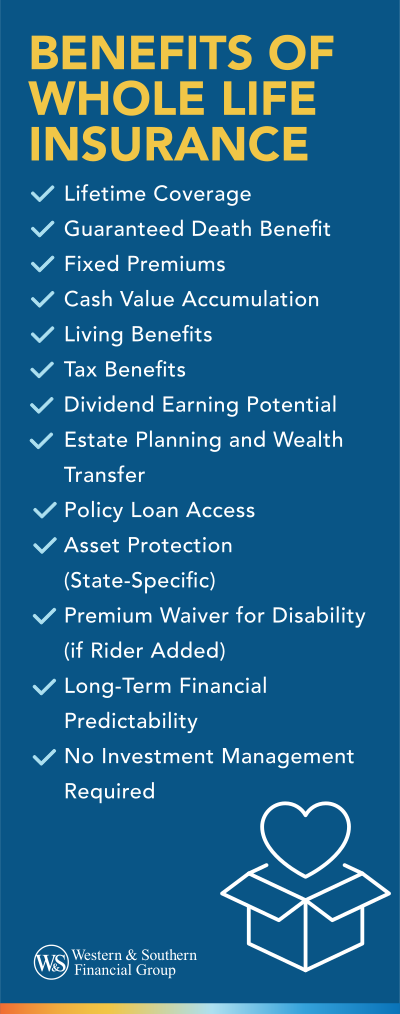
Some life insurance policies, like whole life or universal life, build cash value over time. This is a savings component you can use while alive.
What Is Cash Value?
- Grows tax-deferred (no taxes as it grows)
- Can be borrowed against for emergencies
- Used for retirement income
For example, after 10 years, your policy might have $20,000 in cash value. You can borrow this amount or withdraw part of it.
Data Table: Cash Value Growth Example
| Year | Cash Value | Loan Available |
|---|---|---|
| 5 | $8,000 | $6,000 |
| 10 | $20,000 | $15,000 |
| 15 | $35,000 | $25,000 |
Non-obvious Insight
Many people don’t realize they can use cash value for emergencies, not just retirement. But borrowing too much can reduce your death benefit, so use this feature wisely.
Peace Of Mind And Emotional Benefits
Money isn’t everything, but knowing your family is protected brings peace of mind. Life insurance removes worry about the future. Your loved ones won’t need to make tough choices, like selling the family home or dropping out of school.
Stress Reduction
A survey by LIMRA found that 68% of people with life insurance feel less stress about their finances. This emotional benefit is often overlooked but can have a big impact on family well-being.
Types Of Life Insurance Policies
Understanding the different types helps you choose the right one. The main options are:
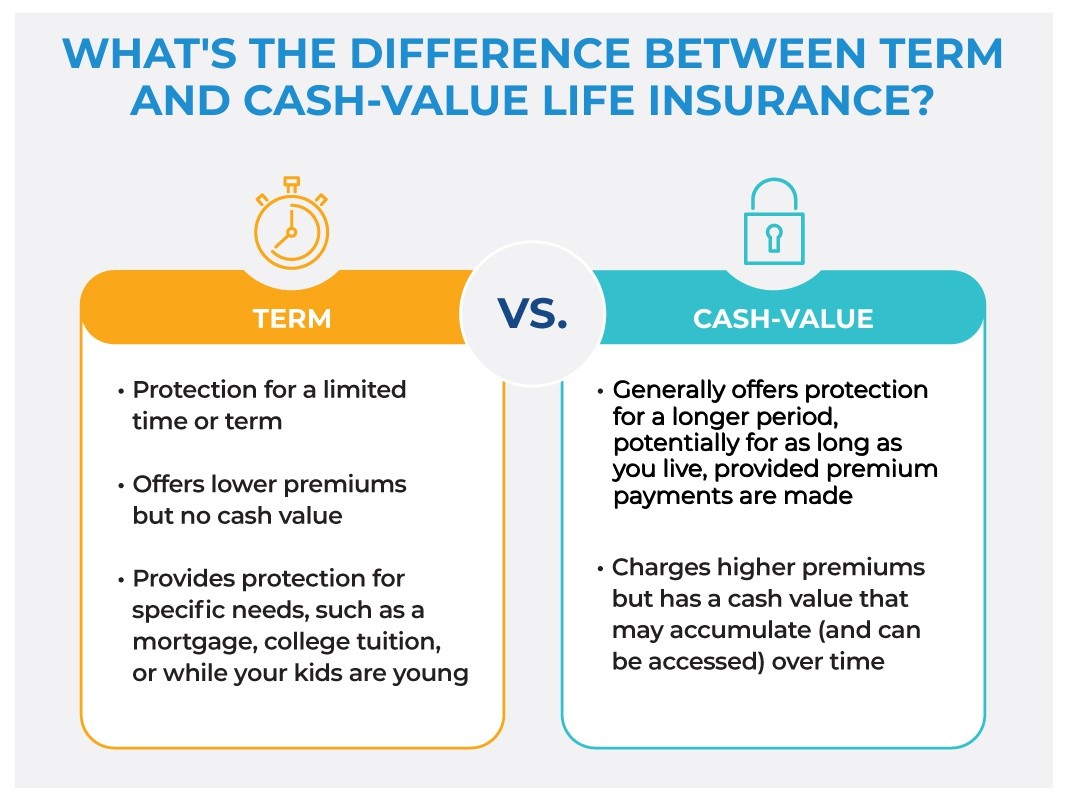
- Term Life Insurance – Covers you for a set period (10, 20, 30 years). Simple and affordable.
- Whole Life Insurance – Lasts your entire life. Builds cash value.
- Universal Life Insurance – Flexible premiums and death benefits. Also builds cash value.
Term Vs. Permanent Insurance
Term policies are usually cheaper but don’t build cash value. Permanent policies cost more but offer extra benefits.
Practical Tips When Buying Life Insurance
Choosing the right policy can be confusing. Here are some practical tips:
- Assess your needs – Calculate your debts, income, and future expenses.
- Compare policies – Look at premium costs, coverage, and extra features.
- Review regularly – Life changes, so update your coverage as needed.
- Avoid over-insuring – Don’t buy more coverage than you need.
- Check company reputation – Choose insurers with strong financial ratings.
Common Mistakes To Avoid
- Ignoring inflation – Your payout may lose value over time.
- Not naming a backup beneficiary – If your main beneficiary passes away, the money may go to your estate and face delays.
- Letting your policy lapse – Missing payments can cancel your coverage.
How Much Does Life Insurance Cost?
Life insurance is more affordable than many think. For a healthy 30-year-old, a $250,000 term policy costs around $20–$30 per month. Permanent policies are more expensive, but offer extra benefits.
Premiums depend on:
- Age
- Health
- Policy type
- Coverage amount
Real-life Examples
Let’s look at two quick real-life scenarios:
Example 1: Young Parents
Ben and Sara, both 32, buy term life insurance to protect their two children. Ben’s policy covers $500,000, costing $25 per month. When Ben passes away unexpectedly, the payout helps Sara pay the mortgage and support their kids’ education.
Example 2: Business Owner
Priya runs a small business. She buys a whole life policy to ensure her family can pay off business loans if she dies. The cash value also helps her borrow money when the business faces tough times.
Frequently Asked Questions
What Happens If I Outlive My Term Life Policy?
If you outlive your term life insurance policy, coverage ends and you get no payout. You can renew or buy a new policy, but premiums may be higher.
Can I Have Multiple Life Insurance Policies?
Yes, you can own more than one policy. Many people buy a mix of term and permanent insurance to meet different needs.
Does Life Insurance Payout Get Taxed?
In most cases, the death benefit is tax-free for beneficiaries. However, if your policy has cash value and you withdraw more than you paid in, you may owe taxes.
Can I Change My Beneficiaries?
Yes, you can update your beneficiaries at any time. Just contact your insurance company and fill out a simple form.
Where Can I Learn More About Life Insurance?
You can find detailed information at the Investopedia Life Insurance Guide.
Life insurance is more than just a policy—it’s a promise to protect your loved ones when they need it most. By understanding its benefits and choosing the right coverage, you build a strong foundation for your family’s future. Whether you seek financial security, debt protection, or peace of mind, a life insurance policy offers valuable support for every stage of life.