Many people think about life insurance only after a major life change. Maybe you’ve just gotten married, started a family, or bought a home. But the real value of life insurance goes far beyond simply providing a payout after someone passes away. It’s a safety net, a financial tool, and often, a source of peace of mind you never realized you needed. In today’s world, where unexpected events can change everything, understanding the benefits of life insurance is more important than ever.
Financial Security For Loved Ones
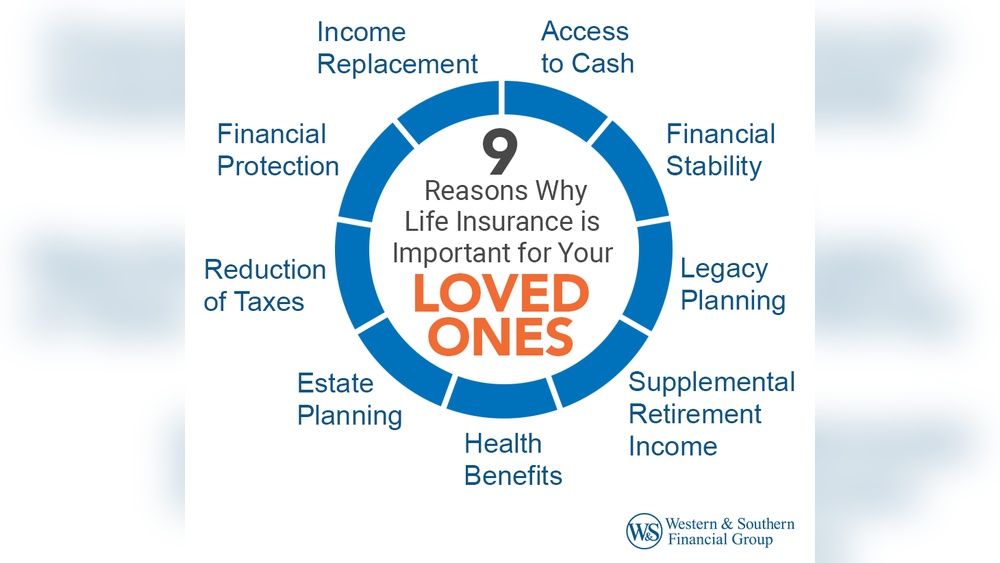
The primary reason most people get life insurance is to protect their family’s future. If you are the main earner, your income pays for everything — housing, food, education, and daily needs. Imagine what would happen if that income suddenly stopped.

Life insurance helps fill this gap.
A policy pays a death benefit to the people you choose, usually your family members. This money can be used for:
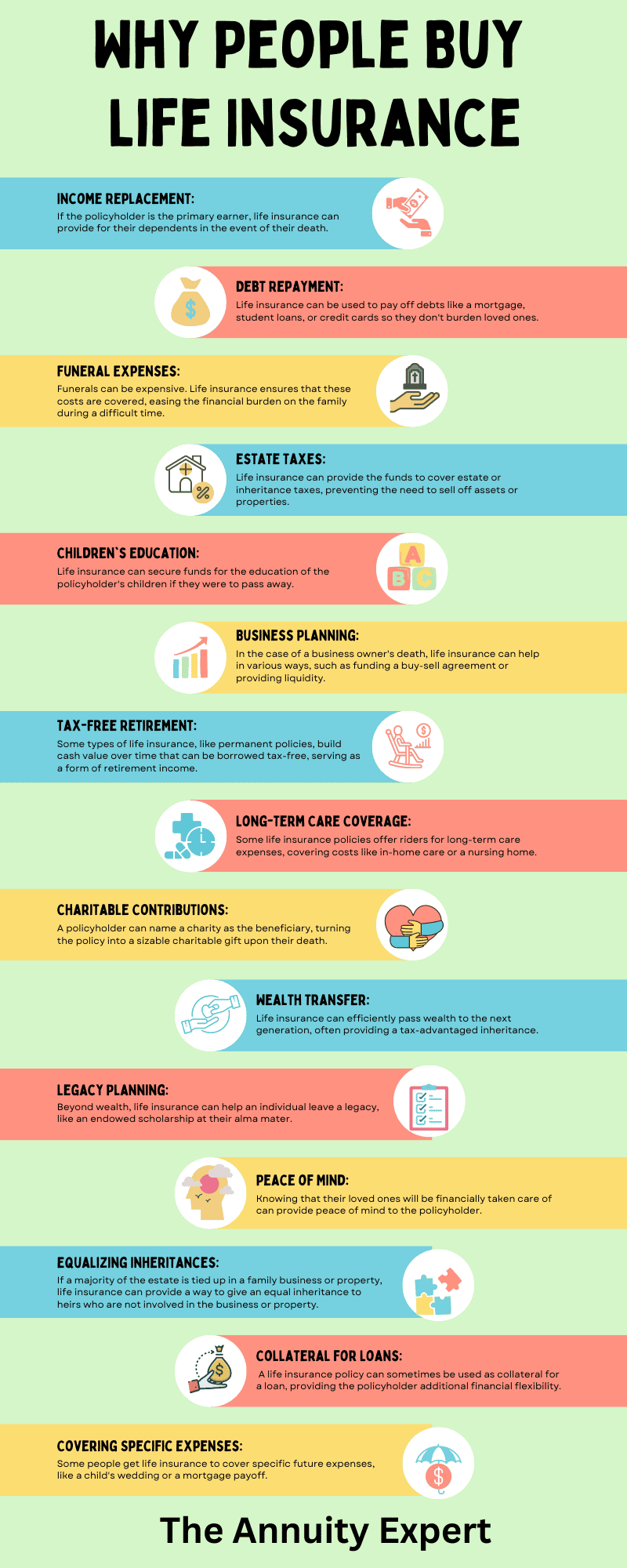
- Covering immediate costs, like funeral expenses
- Paying off debts, such as a mortgage or credit cards
- Supporting children’s education
- Replacing years of lost income
According to the Life Insurance Marketing and Research Association (LIMRA), about 42% of American households would face financial hardship within six months if the primary wage earner died.
Paying Off Debts And Final Expenses
Many people leave behind debts — a mortgage, car loan, or credit card balance. Without life insurance, these debts can become a heavy burden for your family. Life insurance can help by paying off these obligations, so your loved ones don’t have to worry about losing their home or being chased by creditors.
Final expenses, like funerals, can be surprisingly high. The average funeral in the United States costs between $7,000 and $12,000. Life insurance ensures your family isn’t forced to cover these costs out of pocket.
Estate Planning And Wealth Transfer
Life insurance is a smart tool for estate planning. When you pass away, your assets may be subject to taxes or legal delays. Life insurance proceeds are generally paid quickly and, in most cases, are tax-free for your beneficiaries.
Here’s how life insurance supports estate planning:
- Provides cash to pay estate taxes or legal fees
- Helps avoid selling important family assets (like a house or business)
- Allows you to leave a legacy to children, grandchildren, or a charity
For high-net-worth individuals, this can mean the difference between keeping a family business and being forced to sell it.
Supplementing Retirement Income
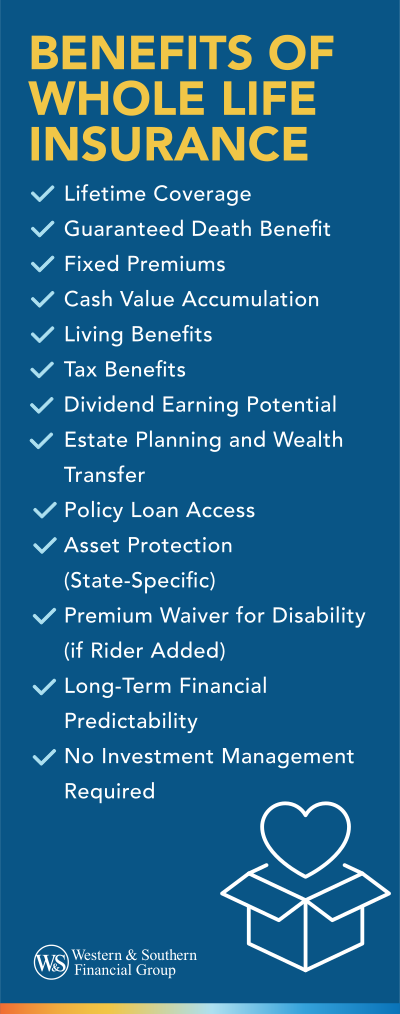
Some types of life insurance, like whole life or universal life, have a cash value component. This means the policy can build up savings over time. You can often borrow against this cash value or withdraw some of it during your lifetime, which provides flexibility if you need extra money in retirement.
Let’s compare term life and whole life insurance features:
| Feature | Term Life | Whole Life |
|---|---|---|
| Coverage Length | Specific term (e.g., 20 years) | Lifetime |
| Cash Value | No | Yes |
| Premiums | Usually lower | Higher but fixed |
| Death Benefit | Yes | Yes |
This cash value can be a source of emergency funds, or even help pay for long-term care in old age. However, it’s important to understand the rules for borrowing or withdrawing, as it can affect the final payout to your beneficiaries.
Business Protection
If you own a business, life insurance is essential. It can fund a buy-sell agreement so your business partner can buy out your share if something happens to you. It can also provide continuity for your company by covering the loss of a key employee.
For small business owners, life insurance can:
- Cover business loans that might be due after your death
- Provide money for a smooth ownership transition
- Protect employees and their families
Many banks require small business owners to have life insurance before approving a loan.
Peace Of Mind
The peace of mind that comes from knowing your family is protected is hard to measure. Life insurance reduces stress and uncertainty about the future. Even if you never need to use the policy, you know you’ve taken steps to secure your loved ones’ well-being.
Many policyholders say the biggest benefit is simply being able to sleep better at night, knowing they’ve planned ahead.
Cost-effective Protection
Some believe life insurance is expensive, but in reality, most people can find an affordable policy. Young, healthy individuals often pay less than $30 a month for significant coverage. The cost depends on factors like age, health, and the type of policy.
Here’s a quick example of average monthly premiums:
| Age | Term Life ($500,000, 20 years) | Whole Life ($250,000) |
|---|---|---|
| 30 | $25–35 | $150–200 |
| 40 | $35–50 | $200–300 |
| 50 | $80–120 | $350–500 |
Buying life insurance early saves money. As you age or if your health declines, premiums increase sharply.
Flexible Policy Options
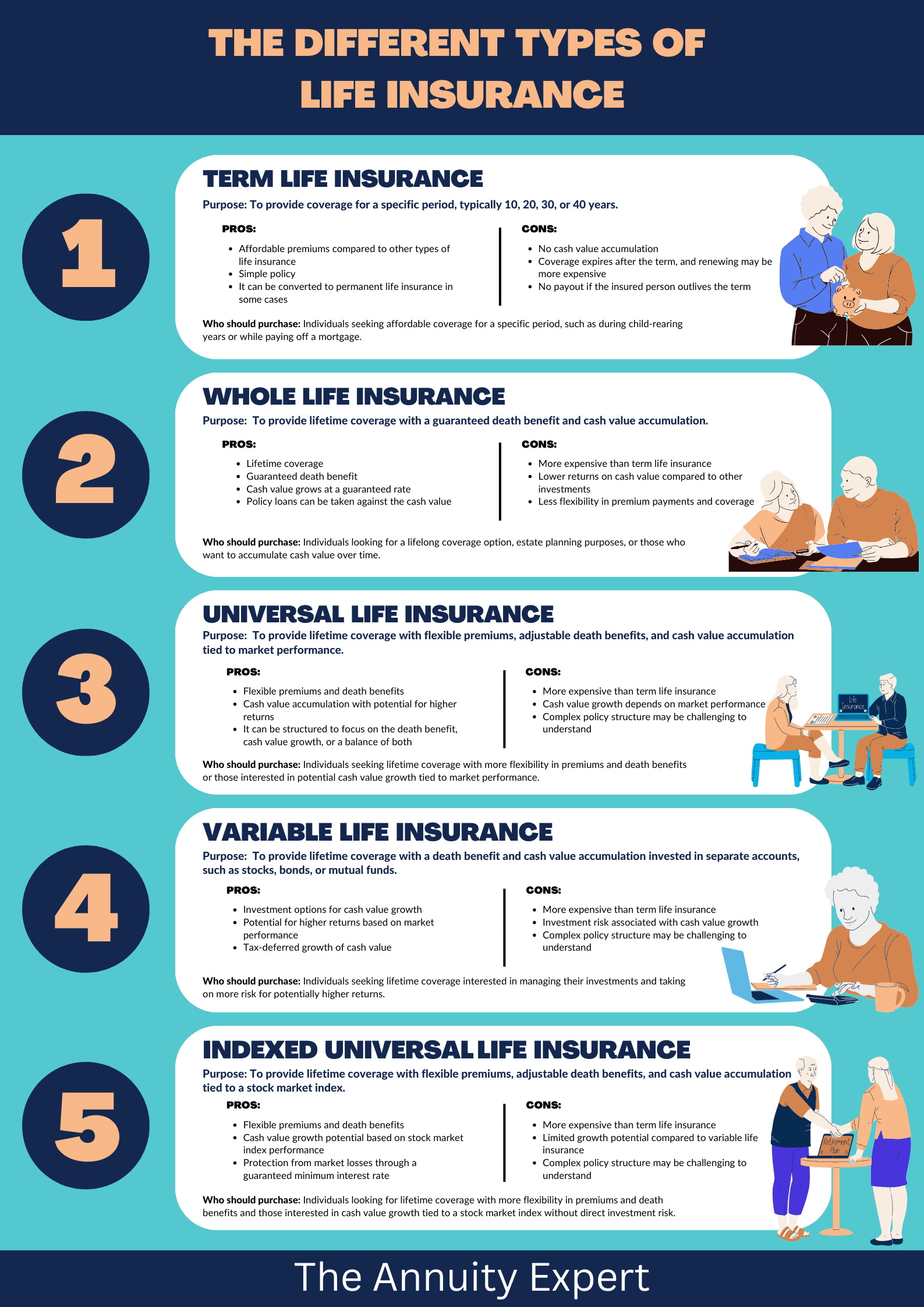
Life insurance isn’t one-size-fits-all. You can choose from several types, depending on your needs and budget:
- Term life insurance: Covers you for a set period, usually 10–30 years. Best for most families.
- Whole life insurance: Lasts your entire life and includes a cash value.
- Universal life insurance: Offers flexible premiums and cash value growth.
- Group life insurance: Offered by employers, often at a lower cost.
You can also add riders (extra features) to customize your policy, like coverage for accidental death or waiver of premium if you become disabled.
Support For Major Life Events
Life insurance adapts as your life changes. If you get married, have children, or buy a home, your need for protection increases. Many policies allow you to adjust your coverage as your situation changes.
For example, some term policies let you convert to permanent coverage without a new health exam. This flexibility means your policy can grow with your family.
Encourages Financial Discipline
Paying for life insurance encourages smart financial habits. You think about long-term goals, plan for emergencies, and learn to protect your assets. Many people start building a complete financial plan only after buying their first life insurance policy.
Non-obvious Insights Most Miss
Many people overlook two key benefits:
- Accelerated death benefits: Some policies let you access part of your payout if you are diagnosed with a terminal illness. This can help pay for medical bills or end-of-life care, reducing stress for your family.
- Insurability lock-in: When you buy a policy young, you lock in your insurability. Even if you develop health problems later, your coverage continues without higher rates.
Few buyers realize these features exist until they are needed.
Common Mistakes To Avoid
When buying life insurance, it’s easy to make errors. Here are a few to watch for:
- Underestimating needs: Many people buy too little coverage. Experts suggest 10–15 times your yearly income.
- Ignoring health changes: If your health improves, you may qualify for lower rates. Ask your insurer about a review.
- Letting coverage lapse: Missing payments can mean losing your policy. Set up automatic payments if possible.
- Not reviewing regularly: Update your policy as your life changes — marriage, children, new debts, or assets.
How To Choose The Right Life Insurance
Choosing the right policy depends on your goals, budget, and family needs. Here’s a step-by-step approach:
- Assess your needs: Calculate how much your family would need to cover expenses and future plans.
- Decide on policy type: Term is best for most, but permanent policies suit others.
- Compare quotes: Shop around for the best rates and coverage.
- Check insurer reputation: Choose a financially strong company.
- Ask about riders: Consider extra features that fit your situation.
Here’s a simple comparison of when term vs. whole life makes sense:
| Situation | Best Option |
|---|---|
| Young family, limited budget | Term Life |
| Want lifelong coverage, cash value | Whole Life |
| Estate planning, high net worth | Whole or Universal Life |
| Employee benefit only | Group Life |
Take your time, ask questions, and don’t rush the decision.
Frequently Asked Questions
What Is The Main Purpose Of Life Insurance?
The main purpose of life insurance is to provide financial support for your family or dependents if you pass away. The payout, called a death benefit, helps cover living expenses, debts, and future needs.
How Much Life Insurance Do I Need?
Most experts recommend coverage equal to 10–15 times your yearly income. Consider your debts, mortgage, children’s education, and everyday expenses when deciding the amount.
Is Life Insurance Taxable?
In most cases, life insurance payouts are not taxed for beneficiaries. However, some situations (like very large estates) may have special tax rules. Consult a tax expert for details.
Can I Have More Than One Life Insurance Policy?
Yes, you can own multiple policies from different companies. This is common for people who want extra coverage or have employer-provided group insurance plus a personal plan.
Where Can I Learn More About Life Insurance?
For more details and up-to-date resources, visit the National Association of Insurance Commissioners.
Life insurance is not just about money — it’s about protecting your family, preserving your legacy, and giving you peace of mind. Whether you’re starting out or planning for retirement, taking the time to secure the right coverage is one of the smartest financial moves you can make.