
Many people wonder if their money is better spent on investing or buying life insurance. This question comes up for families, young professionals, and even retirees. Both choices involve planning for the future, but they serve different purposes. Some believe investing is the fastest way to grow wealth. Others feel life insurance is essential for protecting loved ones. Understanding the differences can help you make smarter decisions with your finances.
What Are Life Insurance And Investments?
Before comparing, let’s explain the basics.

Life insurance is a contract. You pay a regular amount (called a premium), and the insurance company promises to pay your family or chosen person (the beneficiary) if you die. Some policies also build cash value over time.
Investing means putting money into things like stocks, bonds, or mutual funds. The goal is to grow your money, sometimes over many years.
Both involve paying money now for future benefits. But their main functions are not the same.
Why People Buy Life Insurance
For many, life insurance is about protection.
- If you have children, a spouse, or parents who depend on your income, life insurance helps them if you die unexpectedly.
- It can pay for funeral costs, debts, or help your family maintain their lifestyle.
- Some policies, like whole life insurance, can build savings you can use later.
Here’s an example: Imagine you earn $50,000 a year. If you die suddenly, your family loses this income. Life insurance could replace it, helping them avoid financial trouble.
Why People Invest
Investing is about growth and building wealth.
- You can use investments to save for retirement, buy a home, or achieve other financial goals.
- Investments can increase in value, sometimes much faster than savings accounts.
- You can access your money if needed, although there may be risks.
For example, if you invest $10,000 in the stock market, and it grows by 7% per year, after 10 years you could have about $19,670. This is much more than leaving the money in a regular savings account.
Comparing Life Insurance And Investing
To make this clearer, let’s look at a side-by-side comparison.
| Feature | Life Insurance | Investing |
|---|---|---|
| Main Purpose | Protection for family | Grow wealth |
| Risk Level | Low (for term) | Medium to high |
| Returns | Guaranteed (for death benefit) | Variable, can be high |
| Access to Money | Usually not until death (term); possible with cash value (whole) | Can withdraw or sell investments |
| Cost | Regular premiums | Amount you choose |
Types Of Life Insurance
Understanding the types of life insurance is key.
- Term Life Insurance: The most basic. It covers you for a set period (like 10 or 20 years). If you die during this time, your family gets paid. If you live past it, the policy ends. Usually, it’s cheaper.
- Whole Life Insurance: Covers you for your entire life. Also builds cash value, which you can borrow against or withdraw.
- Universal Life Insurance: More flexible. Lets you change your premium or coverage amount. Also builds cash value.
Each type has pros and cons. Term is best for simple protection. Whole and universal combine protection with savings.
Types Of Investments
Investments come in many shapes.
- Stocks: Ownership in a company. Can rise or fall in value.
- Bonds: Loans to companies or governments. Usually safer, but lower returns.
- Mutual Funds: Pools of money from many people, invested in stocks or bonds.
- ETFs (Exchange-Traded Funds): Similar to mutual funds, but traded like stocks.
- Real Estate: Buying property to rent or sell.
Different investments suit different people. Young people often take more risks. Older people may prefer safer choices.

Credit: primewealth.co.in
When Is Life Insurance Better?
Life insurance is better if:
- You have dependents who rely on your income.
- You want to cover debts, funeral costs, or other expenses.
- You wish to leave a guaranteed sum to your family.
Many experts say if you have young children or a non-working spouse, life insurance is essential. It removes financial risk if you die unexpectedly.
When Is Investing Better?
Investing is better if:
- You want to build wealth for retirement or big goals.
- You don’t have dependents, or you already have enough life insurance.
- You can handle ups and downs in the market.
Investing can offer higher returns than life insurance. Over decades, the stock market has returned around 7%–8% per year on average. But, there’s risk—markets go up and down, and you can lose money.
Can You Do Both?
Many people combine investing and life insurance. This is often the smartest choice.
- Buy enough term life insurance for protection.
- Invest any extra money for growth.
This avoids paying high premiums for whole life insurance just to get savings benefits. It also means you’re covered if tragedy strikes, but still building wealth.
Here’s a quick comparison of costs and benefits:
| Scenario | Monthly Cost | Benefit |
|---|---|---|
| Term Life + Investing | $30 (insurance) + $200 (investing) | Protection plus growth |
| Whole Life Only | $250 | Protection plus slow savings |
Term life is cheaper, so you can invest more. Whole life is expensive, but offers both.
Common Mistakes To Avoid
Many beginners make choices that cost them money or leave their family unprotected. Here are some mistakes to watch for:
- Buying expensive whole life insurance when term life is enough
- Not investing early—the sooner you start, the more you grow
- Relying only on employer insurance—it may end if you leave your job
- Not updating your insurance after big life changes (marriage, children)
- Ignoring inflation—your insurance payout may be worth less in the future

Credit: www.whitecoatinvestor.com
Key Factors To Consider
When choosing between investing and life insurance, think about:
- Family situation: Do you have dependents?
- Debt level: Do you owe money that would be left to others?
- Financial goals: Are you saving for retirement or a house?
- Budget: How much can you afford monthly?
- Health: Insurance is cheaper when you’re younger and healthier.
Also, check if your country offers tax benefits for insurance or investments. In the US, for example, some insurance policies and retirement accounts offer tax advantages.
Real-life Examples
Let’s look at two people:
Maria, age 32, mother of two: Maria earns $40,000 per year. She has a mortgage and two young kids. If she dies, her family would struggle. Maria buys term life insurance for $500,000 and invests $150 per month in a retirement account. She gets protection and builds wealth.
Sam, age 45, single, no kids: Sam has no dependents. He invests $300 per month in stocks and bonds. He does not buy life insurance because no one relies on his income.
These examples show how your personal situation affects your choice.
Hidden Insights Most People Miss
- Insurance is not a good investment. Whole life and universal life policies often promise savings, but fees are high, and returns are low. You’ll likely earn more investing directly.
- Term life insurance is temporary. After it ends, you may need new coverage. If your health changes, premiums can go up. Plan ahead.
- Beneficiary mistakes: Many people forget to update their beneficiaries after marriage, divorce, or birth of a child. This can cause legal trouble or money going to the wrong person.
- Underestimating future needs: Costs of living and education rise over time. Your insurance payout may not be enough years later.
Data: How People Use Life Insurance And Investments
According to the Life Insurance Marketing and Research Association (LIMRA), 54% of Americans have life insurance. Most buy term policies. The average payout is about $168,000.
The Federal Reserve shows that US households invest mainly in retirement accounts, with average returns of 6–8% yearly.
This means most people use both life insurance and investing, but don’t always optimize their choices.
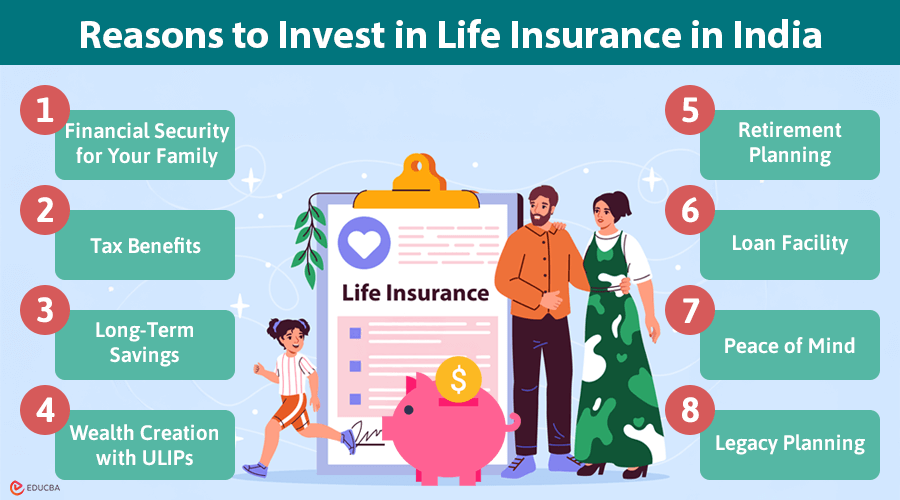
Credit: www.educba.com
Professional Guidance
If you’re unsure, consider talking to a financial advisor. They can help you decide how much insurance you need and what investments fit your goals. Look for someone who is fee-only—they won’t try to sell you expensive products.
You can also read more about insurance and investments from trusted sources like Investopedia.
Frequently Asked Questions
Is Life Insurance An Investment?
Life insurance is mainly for protection. Some policies build savings, but returns are often low. Investing is a better way to grow money.
How Much Life Insurance Do I Need?
Most experts suggest enough to cover debts, funeral costs, and replace income for at least 5–10 years. If you have children, include their education costs.
Should I Buy Whole Life Insurance Or Term Life Insurance?
Term life insurance is cheaper and best for most people. Whole life is useful if you want savings and lifelong coverage, but it costs much more.
Can I Invest And Buy Life Insurance At The Same Time?
Yes. Many people buy term life insurance for protection and invest any extra money for growth. This is often the best balance.
Is Investing Risky?
Investing can be risky. Stocks and mutual funds go up and down. But over time, investments usually grow faster than savings accounts. Start small, and diversify to reduce risk.
Choosing between investing and buying life insurance depends on your unique situation. If you have dependents, life insurance is essential. If you want to grow wealth, investing is key. For most people, combining both gives the best results. Consider your family, goals, and budget.
And remember, making smart choices now can protect your loved ones and help you build a better financial future.