

When a loved one passes away, there are many things to manage, from funeral arrangements to handling their estate. One important task is to check if the deceased had life insurance. Life insurance can help cover debts, funeral costs, or provide financial support to family members. However, many people are unsure how to find out if such a policy exists. This guide explains, in simple terms, how you can search for a life insurance policy and what steps to take if you believe one exists but can’t find it right away.
Why Life Insurance Policies Are Sometimes Hard To Find
It is common for families to discover that they do not know whether their loved one had life insurance. Sometimes, the deceased did not tell anyone, or the paperwork was lost or misplaced. Other times, the policy was bought many years ago and forgotten. Here are a few reasons this happens:

- Privacy: Some people keep insurance information private, even from close family.
- Lack of records: Documents may be lost during moves or never organized.
- Multiple providers: A person may have more than one policy with different companies.
- Outdated contacts: Beneficiaries may not know they are named, or addresses are out of date.
Understanding these challenges can help set realistic expectations when you start your search.
First Steps: Gathering Information
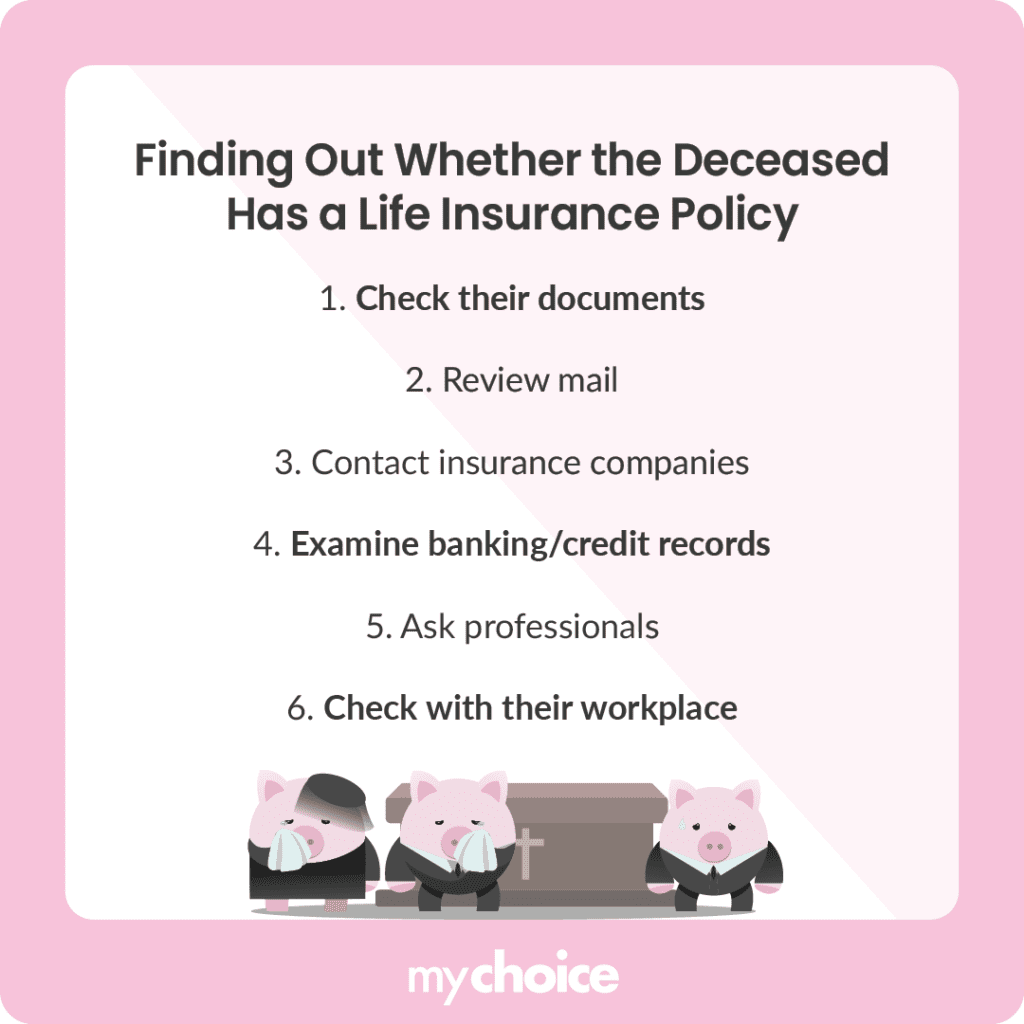
Before you start contacting companies or searching databases, collect as much information as possible about the deceased’s finances and personal records. This step saves time and increases your chances of success.
- Check personal documents: Search through files, lockboxes, safes, or desk drawers for any insurance papers, recent mail, or payment receipts.
- Review bank statements: Look for regular payments to insurance companies, which can suggest an active policy.
- Examine tax returns: Life insurance premiums may appear as deductions, or you may see interest from a cash-value policy.
- Read email and online accounts: Many people receive electronic statements or reminders from insurance providers.
- Ask close contacts: Talk with family, friends, lawyers, or financial advisors who may know about insurance plans.
Having the deceased’s Social Security number, full name, and past addresses handy will help when reaching out to companies.
Where To Search For Life Insurance Policies
If you do not find clear evidence of a policy in the deceased’s personal records, try these approaches:
Contact Past And Present Employers
Employers often provide group life insurance as part of a benefits package. Even if the deceased left a job years ago, a policy may still exist, especially for retiree benefits.
- Call the human resources (HR) department.
- Ask about any life insurance or death benefits.
- Request contact information for the insurance provider.
Reach Out To Insurance Agents And Financial Advisors
If the deceased worked with a financial planner or insurance agent, they might have a record of any policies. Even if the original agent is no longer with the same company, another agent may be able to help.
- Share all names of companies the deceased worked with.
- Ask if there are any policies or other products in the deceased’s name.
Search With State Insurance Departments
Every U.S. state has a Department of Insurance. Many states offer free or low-cost search tools for beneficiaries. These resources can help find lost or unclaimed life insurance.
Here is a comparison of three state search options:
| State | Search Tool Name | Cost | Processing Time |
|---|---|---|---|
| California | Life Insurance Policy Locator | Free | 30 days |
| Texas | Policy Locator Service | Free | 2-4 weeks |
| Florida | Service Request Portal | Free | Varies |
Visit your state’s official website and look for a “policy locator” or “unclaimed life insurance” service.
Use National Policy Locator Services
The National Association of Insurance Commissioners (NAIC) offers a free online tool to help consumers find missing life insurance policies and annuities. You will need the deceased’s personal information and a copy of the death certificate.
- Go to the NAIC Life Insurance Policy Locator tool.
- Fill in the required details.
- Wait for insurance companies to respond if they have a policy.
Contact Banks And Credit Unions
Some financial institutions offer group life insurance or accidental death benefits to account holders. If the deceased had a bank account or credit union membership, ask if such benefits existed.
Search Safe Deposit Boxes
People often store important documents like insurance policies in a safe deposit box. If you have legal access, check the contents for any insurance records.
What To Do If You Find A Policy
When you locate a life insurance policy, there are important steps to claim the benefit.
- Contact the insurance company: Use the phone number or website on the policy document.
- Provide a death certificate: The insurer will need an official copy.
- Submit a claim form: Fill out and return the required paperwork.
- Wait for processing: Most claims are paid within 30-60 days if all documents are complete.
Here is a simple process comparison between two common claim types:
| Type of Claim | Main Requirements | Average Processing Time |
|---|---|---|
| Individual Policy | Death certificate, claim form, ID | 30-45 days |
| Group Policy (through employer) | Death certificate, employer verification | 45-60 days |
Practical Tips For Claiming
- Always keep copies of everything you send.
- If you are unsure who the beneficiary is, ask the insurer to clarify.
- Some policies have more than one beneficiary; each must claim their share.
If You Can’t Find A Policy, But Still Suspect One Exists
Even after careful searching, you may not find proof of a life insurance policy. However, if you still believe the deceased had coverage, consider these additional steps:
- Check with state unclaimed property offices: Sometimes, benefits go unclaimed and are sent to the state. Check the website of the state’s unclaimed property division.
- Review old correspondence: Look for letters, renewal notices, or premium bills going back several years.
- Contact former employers, unions, or associations: Many organizations offer group coverage as a member benefit.
- Search national databases: Use online unclaimed benefits search tools, such as the NAIC locator.
- Speak with probate lawyers: They may know about life insurance purchased as part of an estate plan.
Common Mistakes To Avoid
Searching for a life insurance policy can take time and patience. Here are a few common mistakes people make:
- Not checking all paperwork: Important documents are sometimes kept in unusual places.
- Assuming only close family are beneficiaries: Some policies name friends, charities, or business partners.
- Giving up too soon: It can take months for companies or states to respond.
- Not searching with all possible names: The deceased may have used a maiden name, nickname, or middle initial.

Credit: www.selectquote.com
What Information Will You Need?
When contacting an insurance company or using a policy locator service, be ready to provide:
- The deceased’s full legal name
- Social Security number
- Date and place of birth
- Death certificate
- Your relationship to the deceased
Some services may ask for additional details, such as past addresses or employer names. Having this information ready will speed up your search.
How To Spot Life Insurance Clues
Sometimes, small hints can help you discover a hidden policy. Here are some less obvious signs to check:
- Annual privacy notices from an insurance company in the mail.
- Premium withdrawal on a bank statement, even if the company name is unfamiliar.
- Insurance company advertisements or offers addressed to the deceased.
- Beneficiary cards or forms in a wallet or purse.
What Happens If No Policy Is Found?
If no life insurance policy is found after a thorough search, unfortunately, there may be no coverage to claim. In this case:
- The estate will be managed based on the will or state law.
- Debts, funeral expenses, and taxes must be paid from existing assets.
- Family members may need to cover costs not paid by the estate.
It is better to search carefully before making any decisions, as unclaimed policies sometimes turn up months or years later.
How Insurance Companies Handle Unclaimed Benefits
By law, insurance companies must make a good-faith effort to pay out benefits. If a policy is not claimed, after a set period (usually 3-5 years), the funds may be transferred to the state unclaimed property office.
Here is a simple overview of what happens:
| Stage | What Happens | Time Frame |
|---|---|---|
| Policy matures (death reported) | Insurer tries to contact beneficiary | First year |
| No claim made | Funds held by insurer, more attempts to contact | 1-3 years |
| Still unclaimed | Funds sent to state unclaimed property office | After 3-5 years |
You can search for unclaimed property online through your state’s official site or at USA.gov.

Credit: piercelaw.com
Non-obvious Insights For Beginners
- Life insurance is not always listed in a will. Many people think all assets are described in a will, but life insurance benefits go directly to the named beneficiaries and are not part of the estate unless no beneficiary is named.
- Some policies have “riders” that increase value. Extra benefits like accidental death or critical illness riders may add to the payment. Always ask the insurer if any riders are attached.
Frequently Asked Questions
How Long Do I Have To Claim Life Insurance After Someone Dies?
There is usually no strict time limit, but it’s best to file a claim as soon as possible. After a few years, the funds may go to the state’s unclaimed property office, but you can still claim them from there.
Who Can Find Out About A Deceased Person’s Life Insurance?
Typically, only the named beneficiary, executor, or close relative can request information. You’ll need proof of identity and a death certificate.
What If I Find An Old Policy But The Company No Longer Exists?
Most insurance companies are bought by others or merged. Contact your state insurance department for help. They can tell you which company to contact now.
Can Life Insurance Benefits Be Denied?
Yes, if the policy lapsed, information was incorrect, or the cause of death is excluded (such as suicide in early years), benefits might be denied. Always ask for an explanation if a claim is rejected.
Is There A Fee To Use Policy Locator Services?
Most state and national locator services are free for beneficiaries. Avoid companies that ask for high fees to “find” policies, as they often use the same public tools.
Finding a deceased person’s life insurance can take some effort, but it is possible if you know where to look and have the right information. Take your time, ask questions, and use official resources to help you. This can bring peace of mind and ensure the deceased’s wishes are honored.
Credit: www.mychoice.ca