

In life, people often plan for the future. They protect their loved ones from financial risks. One way is through life insurance. But buying a policy is not enough. You also need to decide who gets the money if you die. This is called naming a beneficiary. Sometimes, life is unpredictable. What happens if your main beneficiary is no longer alive? That’s where the idea of a contingent beneficiary comes in. Many people overlook this important detail, but it can make a huge difference.
What Is A Contingent Beneficiary?
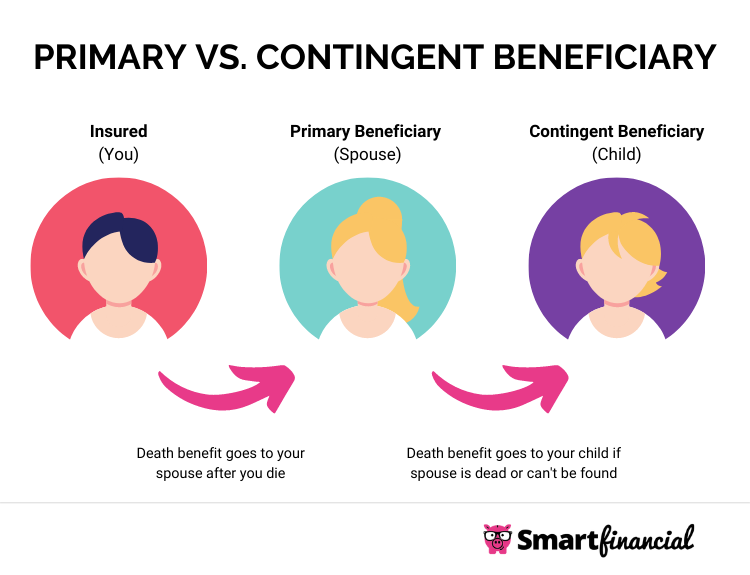
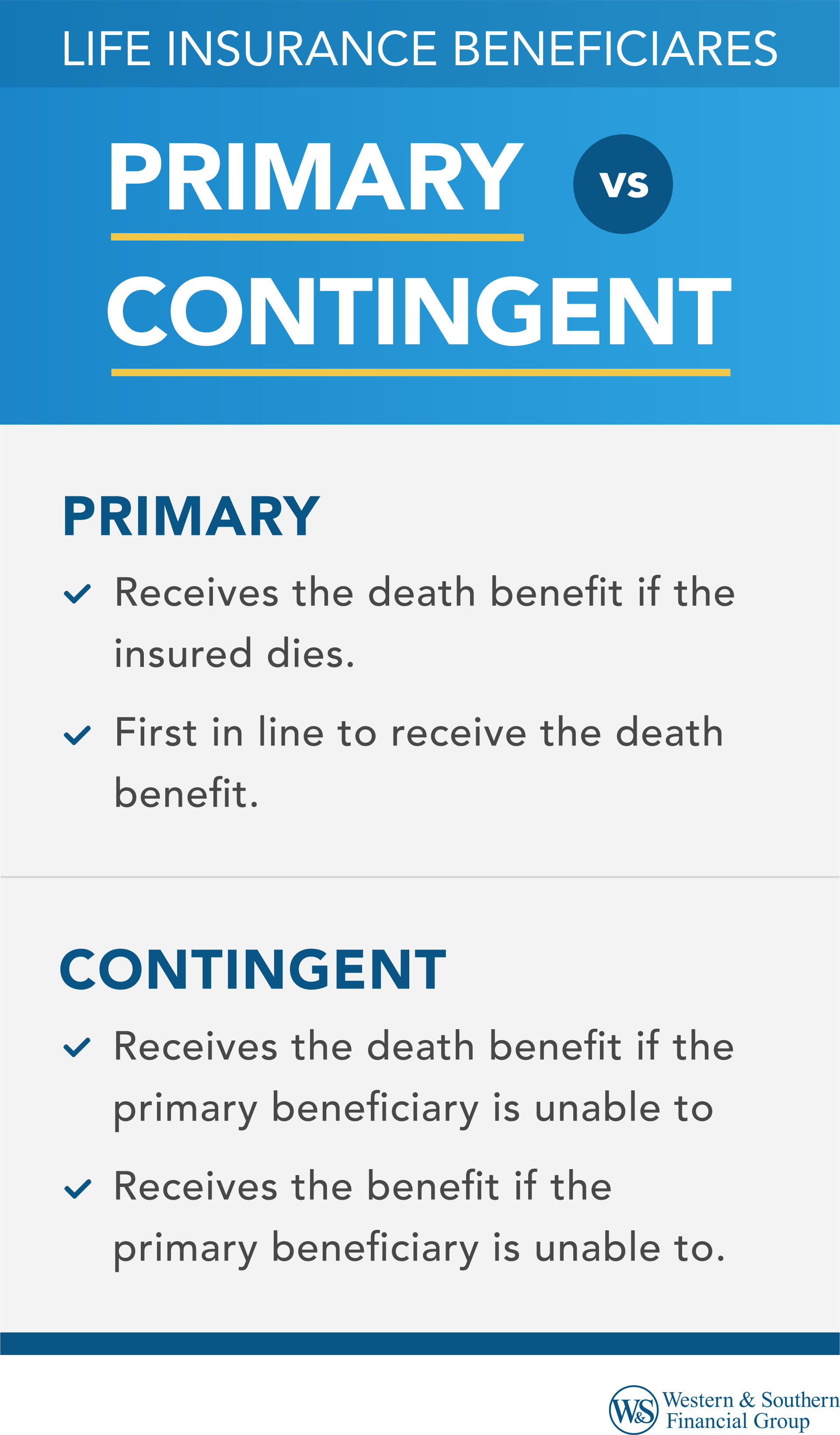
A contingent beneficiary is a person (or group) who receives the life insurance payout if the main beneficiary cannot. The main beneficiary is the first in line. If they die before the policyholder, or cannot accept the money, the contingent beneficiary becomes next in line.

For example, imagine John buys a life insurance policy. He names his wife as the main beneficiary. If his wife passes away before him, John’s children (named as contingent beneficiaries) will get the payout when John dies. Without a contingent beneficiary, the money could go into John’s estate, leading to delays and possible legal issues.
Why Naming A Contingent Beneficiary Matters
Many people only name a primary beneficiary and forget about a backup. This mistake can cause problems:
- If the main beneficiary dies first, the payout may go to the estate.
- The estate process can be slow, expensive, and stressful.
- Family members might fight over who gets the money.
- Creditors could claim the money to pay debts.
By naming a contingent beneficiary, you protect your wishes and your loved ones. You avoid unnecessary legal trouble and ensure the payout goes where you want.
Real-life Scenario
Consider this: In 2022, the Insurance Information Institute reported that around 12% of life insurance payouts were delayed or disputed because no backup beneficiary was named. This shows how common the issue is. In most cases, simply adding a contingent beneficiary would have solved the problem.
Credit: smartfinancial.com
How To Choose A Contingent Beneficiary
Picking a contingent beneficiary is a personal decision. You should consider:
- Relationship: Who do you trust to use the money wisely?
- Age: Minors may need a guardian to manage the funds.
- Financial need: Who will need support if you’re gone?
- Legal requirements: Some states have rules about who can be named.
Let’s look at some typical choices:
- Children: Often chosen, especially if the spouse is the main beneficiary.
- Parents: Sometimes picked if the policyholder is young or single.
- Other relatives: Siblings or cousins, if they play a big role in your life.
- Charity: Some people name organizations they care about.
Common Mistakes When Choosing
- Naming minors without considering guardianship. Insurance companies can’t pay large sums directly to children.
- Forgetting to update beneficiaries after big life events (marriage, divorce, birth).
- Not telling the contingent beneficiary about their role.
How Contingent Beneficiaries Work In Practice
When a policyholder dies, the insurance company checks if the primary beneficiary can claim the payout. If not, they look at the contingent beneficiary. The process is clear, but there are details to watch out for.
The Claim Process
The insurance company follows these steps:
- Confirm the policyholder’s death.
- Find the primary beneficiary.
- If the primary beneficiary is deceased or cannot claim, move to the contingent beneficiary.
- Pay out the benefit.
If both the primary and contingent beneficiaries are gone, the money usually goes to the policyholder’s estate.
Example Table: Claim Outcomes
Here’s how different scenarios play out:
| Situation | Who Receives Payout |
|---|---|
| Primary beneficiary alive | Primary beneficiary |
| Primary beneficiary deceased, contingent alive | Contingent beneficiary |
| Both beneficiaries deceased | Policyholder’s estate |
| No contingent named | Policyholder’s estate |
:max_bytes(150000):strip_icc()/contingent_beneficiary.asp-final-0c4ff7ee481c4565b61eabb5206cbcd1.png)
Credit: www.investopedia.com
Primary Vs. Contingent Beneficiary: What’s The Difference?
The terms sound similar but have different meanings. Let’s compare:
| Aspect | Primary Beneficiary | Contingent Beneficiary |
|---|---|---|
| Priority | First in line | Second in line |
| Receives payout | If alive and able | If primary cannot |
| Can be changed? | Yes | Yes |
| Legal rights | Full rights to the payout | Only if primary is unavailable |
How To Add Or Change A Contingent Beneficiary
Most life insurance policies let you update your beneficiaries anytime. The process is simple, but you should follow these steps:
- Contact your insurance company.
- Fill out a beneficiary change form.
- Provide clear details: Name, relationship, address, date of birth.
- Submit the form.
Some companies allow online updates. Others require paper forms. Always double-check your policy for rules.
Extra Tips
- Review your beneficiary choices every year or after big changes in your life.
- Keep your beneficiaries informed. If they don’t know, they may miss out.
- If you name a minor, talk to your insurer about setting up a trust or appointing a guardian.
Legal And Tax Considerations
Naming a contingent beneficiary can help avoid legal delays. But there are also tax issues to consider.
Estate Taxes
If no beneficiary is named, the payout goes to your estate. This can increase estate taxes and reduce the amount your loved ones get. In 2023, the average estate settlement took 8–12 months and cost around $3,000–$10,000 in fees, according to the American Bar Association. Naming a contingent beneficiary avoids these costs.
Minors And Guardianship
Insurance companies cannot pay large sums directly to minors. If you name a child as a contingent beneficiary, you should also set up a trust or legal guardian. This ensures the money is managed until the child is old enough.
Divorce And Changes In Relationships
Life changes quickly. If you divorce, marry, or have children, update your beneficiaries. Old choices can lead to disputes or legal trouble. In some states, divorce automatically removes your ex-spouse as a beneficiary. Check your local laws.
Multiple Contingent Beneficiaries: How Does It Work?
You can name more than one contingent beneficiary. You decide how to split the payout.
- Equal shares: Each gets the same amount.
- Specific percentages: You assign amounts (e.g., 60% to one, 40% to another).
Here’s an example:
| Contingent Beneficiary | Share of Payout |
|---|---|
| Child A | 50% |
| Child B | 50% |
| Charity X | 0% (if both children alive) |
If you want, you can add more names or change the shares. But you must list them clearly in your policy.
Key Insights Most People Miss
- Contingent beneficiaries can be anyone: You are not limited to family. You can name friends, charities, or even organizations.
- You should review choices often: Many people forget to update after life changes. This can lead to unwanted results.
Practical Steps For Policyholders
Taking action is simple but important. Here’s what you should do:
- Check your policy to see if you have a contingent beneficiary.
- Add one if you don’t.
- Update after any big life event.
- Make sure your beneficiaries know about their role.
- If you name a minor, consult a lawyer or insurance advisor.
These steps can save your family time, stress, and money.
Credit: www.westernsouthern.com
Frequently Asked Questions
What Happens If Both The Primary And Contingent Beneficiaries Die Before The Policyholder?
If both are deceased, the payout goes to the policyholder’s estate. This may lead to probate, legal delays, and extra costs.
Can I Change My Contingent Beneficiary At Any Time?
Yes. Most policies allow you to update beneficiaries whenever you want. Contact your insurer and fill out a change form.
Is It Possible To Name A Charity As A Contingent Beneficiary?
Yes. Many people choose charities or organizations. Be sure to list the official name and contact details.
Do Contingent Beneficiaries Pay Taxes On Life Insurance Payouts?
Usually, life insurance payouts are tax-free. However, if the payout goes to the estate first, estate taxes may apply. Always check your local laws or ask a tax advisor.
What If I Want To Name More Than One Contingent Beneficiary?
You can name multiple contingent beneficiaries. Decide how to split the payout (equal shares or specific percentages). List each name and share clearly in your policy.
Life insurance offers peace of mind. But it works best when you name both primary and contingent beneficiaries. This simple step protects your loved ones and ensures your wishes are honored. Take time to review your policy. Make updates as your life changes. If you need more details, visit the Insurance Information Institute for expert guidance. By planning ahead, you give your family security and avoid unwanted surprises.