
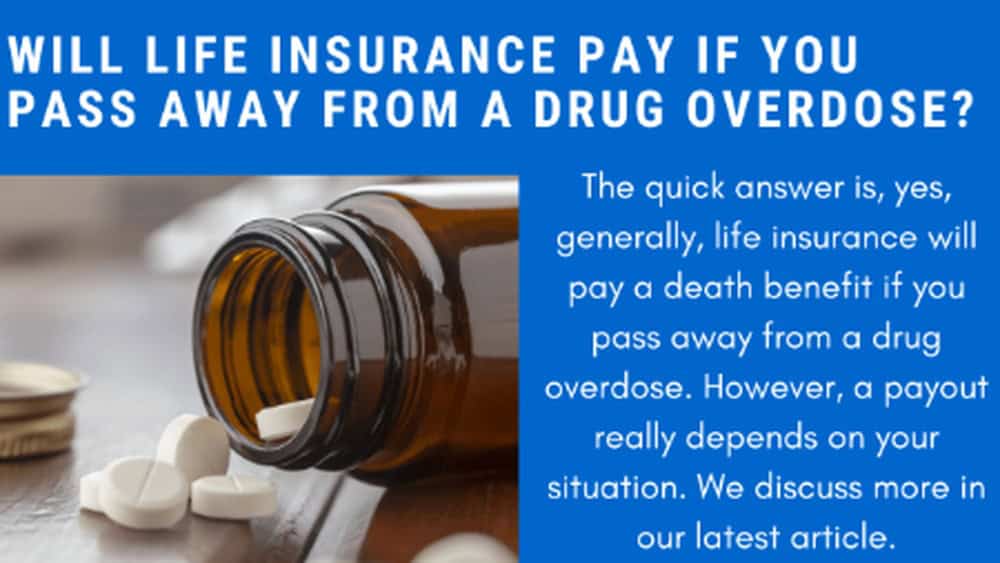
When someone passes away due to a drug overdose, families often face not only emotional pain but also financial worries. One question comes up again and again: Will life insurance pay out for drug overdose? The answer is not simple. It depends on many things, including the type of policy, the circumstances of the overdose, and the details in the insurance contract. This article explains all the important facts, common situations, and what you need to know if you are dealing with this issue.
How Life Insurance Works
Life insurance is a contract between a person and an insurance company. The person pays regular premiums, and the company promises to pay a lump sum to their beneficiaries if they die. The main purpose is to provide financial support after death. But not every cause of death is covered. Each policy has rules called exclusions—these are cases where the company will not pay.

Most policies cover deaths from illness, accidents, and natural causes. But some deaths, like suicide or drug overdose, may be excluded or limited. Insurance companies use these exclusions to manage risk and avoid paying claims for certain types of deaths.
What Is A Drug Overdose?
A drug overdose happens when someone takes more of a substance (legal or illegal) than their body can handle. Overdoses can be accidental or intentional. Sometimes, the overdose is caused by prescription medicine, sometimes by illegal drugs. The cause matters when it comes to insurance.
Not every overdose is treated the same way. Insurance companies look at:
- Was the overdose accidental or intentional?
- Was it caused by prescription medicine or illegal drugs?
- Did the person have a history of drug abuse?
These questions help the company decide if the death is covered.

Credit: www.annuityexpertadvice.com
Life Insurance Exclusions For Drug Overdose
Most life insurance policies include exclusions for certain causes of death. These often include:
- Suicide (usually excluded in the first 1-2 years)
- Drug overdose (depending on circumstances)
- Death during criminal activity
The details are in the policy document. You should always read the fine print.
Here is a comparison of common exclusions in life insurance policies:
| Exclusion Type | Typical Duration | Covered? |
|---|---|---|
| Suicide | First 2 years | No |
| Drug Overdose | Depends on policy | Maybe |
| Criminal Activity | Lifetime | No |
Many people think all overdoses are excluded, but this is not true. Some are covered, depending on the situation.
Accidental Vs. Intentional Overdose
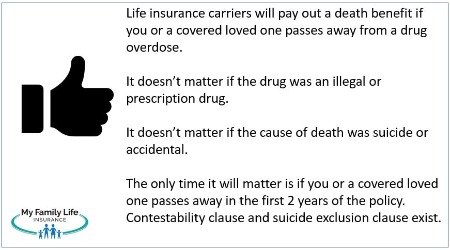
A key factor is whether the overdose was accidental or intentional. If the death was accidental, insurance may pay out. If the overdose was suicide, most policies will not pay during the contestability period (usually the first two years).
Accidental Overdose
If a person took medicine by mistake or mixed drugs without knowing the danger, this is considered accidental. Insurance companies often cover accidental deaths, but only if there was no illegal activity involved.
Example:
- A person takes the wrong dose of prescription medicine and dies. The company may pay.
- A person mixes alcohol and prescription drugs and dies. Coverage depends on the policy and whether it was illegal.
Intentional Overdose (suicide)
If the overdose was intentional, it is usually treated as suicide. Most policies will not pay for suicide if it happens within the first two years of the policy. After that, some policies may pay, but this is rare.

Credit: www.annuityexpertadvice.com
Prescription Drugs Vs. Illegal Drugs
The type of drug matters. Overdoses from prescription drugs are often treated differently from illegal drugs.
| Drug Type | Typical Coverage | Notes |
|---|---|---|
| Prescription Drugs | May be covered | If accidental and prescribed |
| Illegal Drugs | Usually not covered | Often excluded by contract |
If the person used drugs illegally, most policies will deny the claim. If they had a prescription, but misused it, the company may investigate to see if it was accidental.
The Contestability Period
Most life insurance policies have a contestability period—usually the first two years after buying the policy. During this time, the company can review the claim closely. If the person dies from drug overdose during this period, the company will look for:
- False statements on the application
- History of drug abuse not disclosed
- Intentional overdose (suicide)
If the company finds that the person lied or hid drug use, they may deny the claim.
How Insurance Companies Investigate Overdose Claims
When a claim is made for a drug overdose death, the insurance company will do a deep investigation. They look at:
- Death certificate: This gives the official cause of death.
- Medical records: To see if there was a history of drug use.
- Toxicology report: Shows what drugs were in the body.
- Police report: If the death was suspicious, police might be involved.
Insurance companies want to know if the overdose was accidental or intentional, if drugs were illegal, and if the insured person was honest on their application.
Here is a simple table showing how claims are investigated:
| Document | Purpose |
|---|---|
| Death Certificate | Confirm cause of death |
| Medical Records | Check history of drug use |
| Toxicology Report | Identify drugs in body |
| Police Report | Reveal circumstances of death |
Common Reasons Claims Are Denied
Even if the overdose seems accidental, insurance companies may deny a claim for several reasons:
- Non-disclosure of drug use: If the insured person did not tell the company about their drug history.
- Illegal drug use: Most policies exclude deaths from illegal drugs.
- Suicide during contestability: Deaths from intentional overdose in the first two years.
- Policy exclusions: Some policies have special exclusions for certain drugs or activities.
- Fraud: If the application contained false information.
Many families are surprised when a claim is denied. It is important to check the policy carefully and ask the company for a detailed explanation.
Real-life Examples
To understand how these rules work, here are some real cases:
- In one case, a person died from an overdose of prescription painkillers. The insurance company paid out because the death was accidental and the medicine was prescribed.
- In another case, a person died from heroin overdose. The claim was denied because heroin is an illegal drug and the policy excluded illegal drug deaths.
- Another example: A person died from mixing alcohol and sleeping pills. The policy paid, but only after a long investigation showed the overdose was accidental.
These cases show the importance of details—what drugs were used, how they were used, and whether the insured person was honest.
What To Do If Your Claim Is Denied
If your claim is denied, do not give up right away. There are steps you can take:
- Ask for a written explanation: Insurance companies must tell you why they denied the claim.
- Review the policy: Check the exclusions and contestability period.
- Gather documents: Collect medical records, toxicology reports, and any proof the overdose was accidental.
- Appeal the decision: You can ask the company to review the claim again.
- Get legal help: If you think the denial was unfair, consider talking to a lawyer who specializes in insurance.
Many claims are overturned on appeal, especially if there is evidence the overdose was accidental and not excluded by the policy.
Non-obvious Insights For Families
Most people do not realize two important points:
- Disclosure matters more than you think: Insurance applications ask about drug use. If you hide this, your claim may be denied—even years later. Always be honest, even if it raises your premiums.
- Group policies are different: Employer-provided life insurance often has fewer exclusions. If the insured person had both a private and group policy, check both. Sometimes, a group policy will pay even if a private one will not.
Another point: If the cause of death is unclear, the insurance company may delay paying until all investigations are finished. This can take months.
How To Avoid Claim Denials
To increase the chance of a payout:
- Always answer questions truthfully on the application.
- Keep records of prescriptions and medical history.
- Tell your family where to find your policy and medical records.
- If you use prescription drugs, follow the doctor’s instructions.
If you follow these steps, your beneficiaries are more likely to get the payout.
Trends And Statistics
Drug overdoses are a growing problem in the US. According to the Centers for Disease Control and Prevention (CDC), over 100,000 people died from drug overdoses in 2022. About 70% of these were from opioids. Many families face denied insurance claims because of these numbers.
More insurance companies are updating their policies to clarify rules on drug overdose. Some now offer special coverage for people in recovery. If you have a history of drug use, ask about these options.
You can read more about overdose statistics at the CDC.
Frequently Asked Questions
Does Life Insurance Pay For Accidental Drug Overdose?
If the overdose was accidental and not excluded in the policy, life insurance may pay. The company will look at medical and police reports to decide.
Will Insurance Cover Overdose From Illegal Drugs?
Most policies exclude deaths caused by illegal drug use. If the toxicology report shows illegal drugs, the claim is likely to be denied.
What If The Insured Person Hid Their Drug Use?
If the insured person did not disclose their history of drug use, the company can deny the claim. This is true even if the overdose happens years after buying the policy.
Can I Appeal A Denied Claim?
Yes, you can appeal. Collect all documents and ask the company to review the claim. If needed, get legal help to fight the denial.
Are Group Life Insurance Policies Different?
Group policies from employers often have fewer exclusions. If the insured person had both types, check both. Sometimes, a group policy will pay even if a private one will not.
No one wants to deal with insurance problems after a loved one dies. By understanding the rules, you can plan ahead and avoid surprises. If you have questions, talk to your insurance agent or a lawyer. Being prepared can make a difficult time easier for your family.
Credit: myfamilylifeinsurance.com