
Life insurance isn’t something people think about every day. But as life changes, your insurance needs can change too. Maybe you got married, had a baby, or changed jobs. So, how often should you change life insurance? The answer isn’t one-size-fits-all, but understanding when and why to review your policy can help you stay protected, avoid overpaying, and give your family peace of mind.
Why Life Insurance Needs Change Over Time
When you first buy life insurance, your needs are based on your life situation at that moment. But life rarely stays the same. Major events, financial shifts, or even changes in health can mean your coverage isn’t a good fit anymore.

For example, a 30-year-old with no kids might only need a small policy. Ten years later, with a mortgage and two children, that same policy may not be enough. Or perhaps you’re paying for a policy with riders you no longer need.
Failing to review your insurance can mean wasted money or leaving loved ones unprotected.
Key Moments To Review Or Change Your Policy
There’s no strict rule, but most experts recommend reviewing your life insurance policy at least every three to five years. However, certain life events should trigger an immediate policy review:
1. Marriage Or Divorce
Your spouse may become your main beneficiary, or you may want to change this after a separation.
2. Birth Or Adoption Of A Child
More dependents usually means you need more coverage.
3. Buying A Home
A mortgage increases your financial responsibilities.
4. Major Debt Changes
Paying off loans or taking on new debt affects the amount of coverage you need.
5. Job Changes
New jobs can mean higher income, lost employer coverage, or better benefits.
6. Health Changes
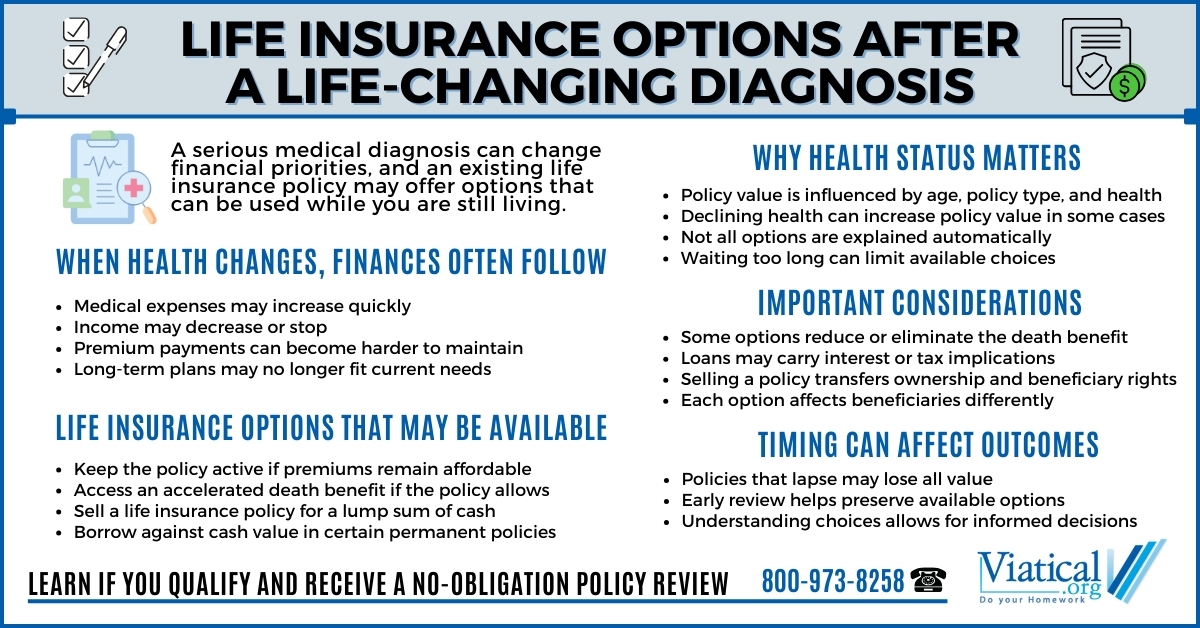
If your health improves, you may qualify for lower premiums. If it worsens, you’ll want to keep your current policy.
7. Retirement
You might need less coverage, or a different type, once your children are grown and your mortgage is paid.
| Life Event | Why Review Policy? |
|---|---|
| Marriage/Divorce | Update beneficiaries, adjust coverage |
| Birth of Child | Increase coverage for dependents |
| New Mortgage | Cover larger debt obligations |
| Job Change | Replace lost coverage, match new income |
A common mistake is only reviewing coverage when prompted by your insurance agent. Instead, set a reminder to check your policy every few years or after any big change.
How To Decide If You Need A New Policy
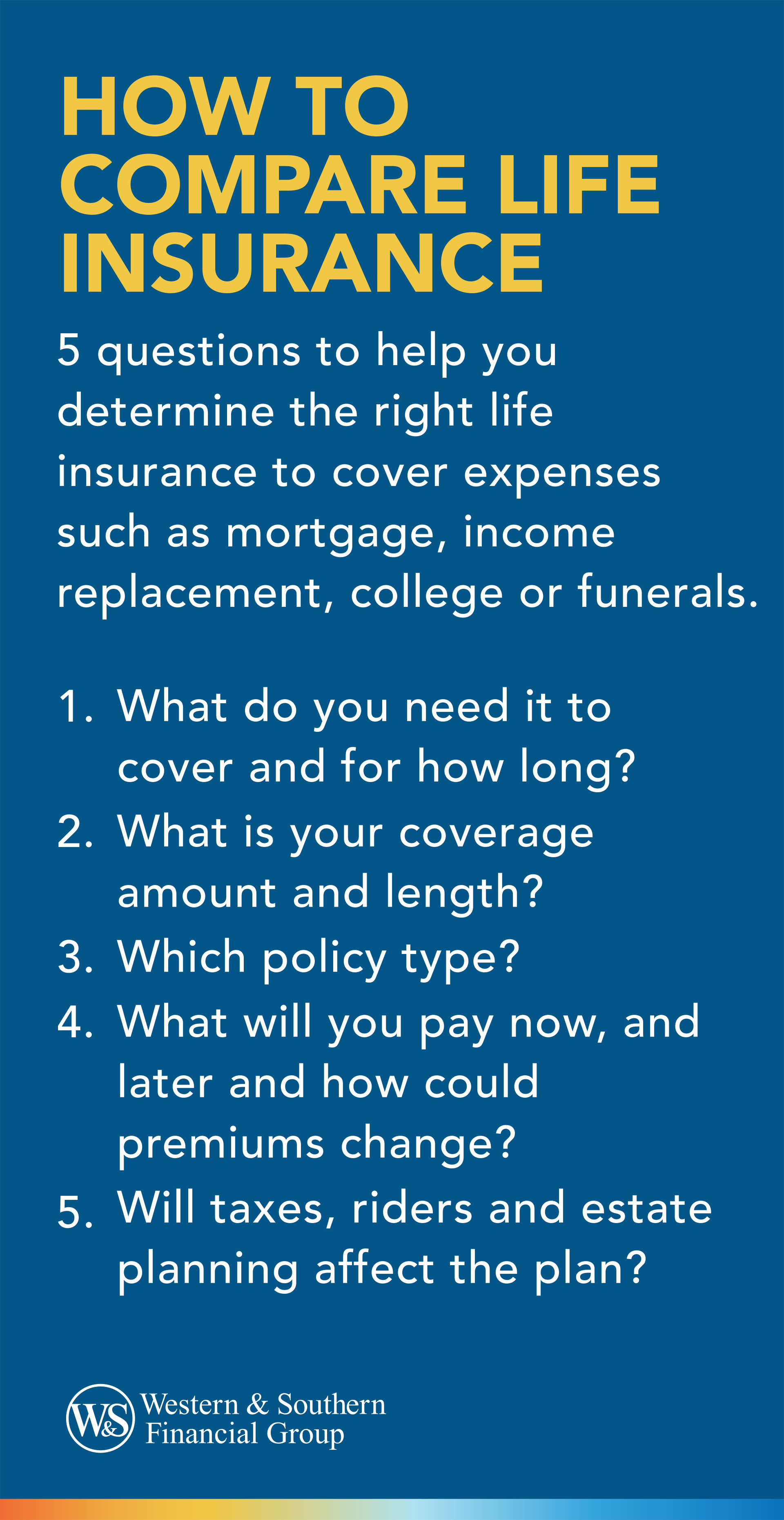
Not every review means you need a new policy. Sometimes, a simple update—like changing a beneficiary or adjusting coverage—can be enough. Here’s what to consider:
- Current coverage amount: Is it enough to cover debts, living expenses, and your family’s needs?
- Type of policy: Term life is often cheaper, but permanent policies can offer cash value.
- Premiums: Are you paying more than you should for your age and health?
- Beneficiaries: Are they correct and up to date?
- Riders: Do you need extras like disability or critical illness coverage?
If your answers don’t match your current needs, it might be time to change your policy.
Comparing Term Vs Permanent Life Insurance
Understanding the two main types of life insurance can help you decide if a change is right.
| Feature | Term Life | Permanent Life |
|---|---|---|
| Coverage Length | 10-30 years | Lifetime |
| Cost | Lower | Higher |
| Cash Value | No | Yes |
| Best For | Temporary needs | Long-term planning |
A non-obvious insight: If you bought a term policy years ago, ask if you can convert it to permanent coverage. Many policies allow this without new health checks, which can be valuable if your health has changed.
Common Triggers For Changing Life Insurance
While life events are the biggest triggers, other reasons to change life insurance include:
- Lower rates in the market: Premiums go up as you age, but sometimes, if you’ve improved your health or quit smoking, you can qualify for better rates.
- New financial goals: Maybe you want to build cash value or leave a legacy.
- Policy performance: Some permanent policies underperform, especially universal life. If your policy isn’t growing as expected, consider alternatives.
- Regulatory changes: Tax laws or insurance rules may change, affecting the value of your policy.
A key mistake is waiting too long to act. If your health declines, it can be harder or impossible to get new coverage.

What Happens If You Change Your Policy?
Changing life insurance can mean replacing your policy or just updating it. Here’s what you should know:
- Replacing a policy: Make sure the new policy is active before canceling the old one. Otherwise, you risk a gap in coverage.
- Medical exams: New policies often need a health check. If your health has worsened, keep your old policy.
- Surrender charges: Some permanent policies have fees if you cancel early.
- Cash value: If you have a permanent policy, understand what happens to any built-up cash value.
| Action | Possible Result |
|---|---|
| Switching Policies | Better rates, updated coverage, possible new medical exam |
| Updating Beneficiaries | Ensures the right people receive benefits |
| Dropping Riders | Lower premiums |
| Increasing Coverage | Higher premium, more protection |
One thing many people overlook: Always check for contestability periods. If you switch to a new policy, there’s typically a two-year period where the insurer can investigate claims more closely.
How To Review Your Life Insurance Policy
You don’t need to be an expert. Here’s how to review your policy effectively:
- Read the summary page: This shows your coverage, beneficiaries, and premium.
- List your debts and expenses: Make sure your coverage matches your needs.
- Check for changes: Family, job, health—anything that’s changed since you last reviewed.
- Talk to an advisor: A licensed agent can help spot gaps or overlaps.
- Compare rates: Use online calculators or quotes to see if you could pay less.
For more details, the National Association of Insurance Commissioners offers consumer guides.
Frequently Asked Questions
How Often Should I Review My Life Insurance?
You should review your policy every three to five years or after major life events like marriage, having a child, or changing jobs.
Can I Have More Than One Life Insurance Policy?
Yes, you can own multiple policies. This can help cover different needs, such as a term policy for your mortgage and a permanent policy for long-term goals.
Does Changing Jobs Affect My Life Insurance?
It can. If you had coverage through your employer, you might lose it when you leave. Review your needs and consider buying your own policy.
What Happens If I Change My Beneficiary?
Changing your beneficiary is simple. Just fill out a form with your insurer. Make sure it’s up to date so the right person receives the payout.
Is It Bad To Cancel A Life Insurance Policy?
It depends. If you have better coverage lined up, canceling can save money. But never cancel until your new policy is active, or you risk losing protection.
Reviewing and updating your life insurance isn’t just about money—it’s about protecting what matters most. A little effort every few years can keep your coverage in line with your life, giving you and your loved ones true peace of mind.