
Selling life insurance is a unique career. When people think of insurance, they often imagine paperwork and meetings. But behind the scenes, there’s a big question: How do people that sell life insurance get paid? Understanding this is important for anyone considering a job in insurance, or even for those buying a policy. The pay structure can shape how agents work, how they advise clients, and even which products they offer. Let’s break down the details in clear, simple language.
The Basics: How Life Insurance Sales Work
Life insurance agents help people find and buy life insurance policies. These policies protect families if someone passes away. Agents explain options, answer questions, and guide people through the application. But they are not paid a regular salary for each sale. Instead, their income comes from different types of commissions and, sometimes, bonuses.

There are two main types of people who sell life insurance:
- Captive agents work for one insurance company.
- Independent agents can sell policies from several companies.
Each group has a slightly different pay structure, but both rely mainly on commissions.
Main Ways Life Insurance Agents Get Paid
1. Commissions On New Sales
The biggest part of an agent’s income is the first-year commission. When a person buys a new life insurance policy, the agent earns a percentage of the premium. Premium is the money the client pays to the insurance company, usually every month or year.
How Much Is The Commission?
The commission rate varies by company and policy type. For example:
- Term life insurance: Commissions are usually 30% to 90% of the first-year premium.
- Whole life or permanent insurance: Commissions can be even higher, often 50% to 110% of the first-year premium.
For example, if you buy a whole life policy with a $1,000 yearly premium, the agent might earn $700 (70% commission) in the first year.
Why Are Commissions So High?
Life insurance is a long-term product. If a client keeps their policy for many years, the insurance company makes a lot of money. High commissions reward agents for finding loyal customers who keep their policies.
2. Renewal Commissions
Agents don’t just get paid once. If the client keeps paying their premium, the agent often earns renewal commissions. These are smaller payments, usually 2% to 10% of the annual premium, for every year the policy stays active.
For example, if the agent earned $700 in the first year, they might earn $50–$100 per year after that. Renewal commissions encourage agents to sell policies that really fit the client’s needs, so the client keeps them long-term.
3. Bonus Payments
Many insurance companies offer bonuses. These can depend on:
- How many policies the agent sells
- The total value of premiums brought in
- Customer satisfaction scores
Bonuses can be a big part of an agent’s income, especially for top performers.
4. Salary And Base Pay (rare)
Some agents, especially those just starting or working at large firms, may get a base salary. This is more common for new agents who are learning the business. Over time, the salary often goes away, and commissions become the main source of income.
5. Other Incentives
Companies sometimes reward agents with trips, prizes, or extra perks for meeting sales goals. These don’t pay the bills, but they can be a nice bonus.
Captive Vs. Independent Agents: Pay Differences
The way agents get paid can also depend on whether they are captive or independent.
| Type of Agent | Main Pay | Product Range | Pros | Cons |
|---|---|---|---|---|
| Captive | Commission (sometimes salary) | One company | Training, support, sometimes leads | Limited choices for clients |
| Independent | Commission only | Many companies | Wider product choice, higher commissions | No base salary, must find own clients |
Captive agents may get more training and support, but they can only sell their employer’s products. Independent agents have more freedom, but their income can be less steady at first. Independents may also receive higher commissions since they take on more risk and handle their own marketing.
Commission Structures: Term Vs. Whole Life
Agents can sell different types of life insurance, and each pays differently.
| Product Type | First-Year Commission | Renewal Commission | Complexity |
|---|---|---|---|
| Term Life | 30%–70% | 2%–5% | Simple |
| Whole Life | 70%–110% | 3%–10% | Complex |
| Universal Life | 50%–90% | 2%–6% | Moderate |
Term life is simple and cheaper, so commissions are lower. Whole life and universal life are more complex and expensive, so they pay more. Some agents focus on whole life because of the higher pay, but good agents match the right product to each client’s needs.
Key Insights Most People Miss
Policy Lapse And Chargebacks
If a client cancels their policy early (called a “lapse”), the insurance company may take back the commission. This is called a chargeback. For example, if a policy lapses in the first year, the agent might have to return all or part of their commission. This risk encourages agents to sell policies that clients will actually keep.
Advanced Commissions
Some companies pay advanced commissions. This means the agent gets a year’s worth of commission upfront, even though the client pays monthly. If the client cancels early, the agent may owe money back. This can help new agents with cash flow but is risky if many clients cancel.
Override Commissions
Managers or senior agents sometimes earn override commissions on the sales of agents they recruit or supervise. This makes insurance sales a bit like a mini “team business.” Experienced agents can earn a share of their team’s sales, not just their own.
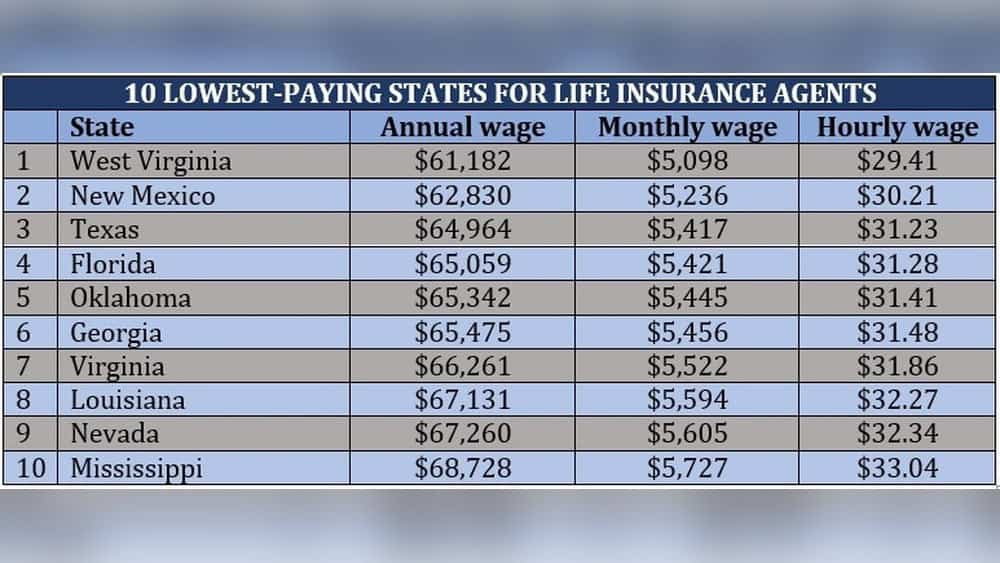
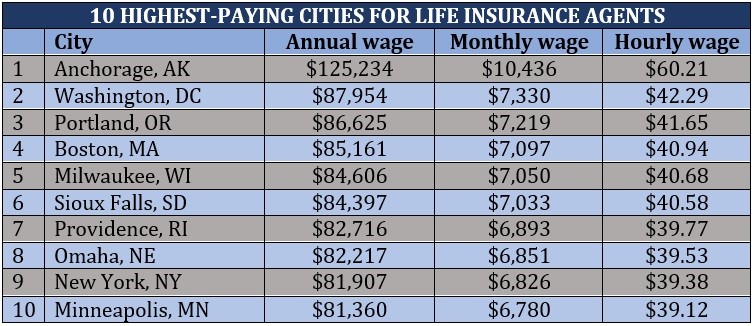
How Much Do Life Insurance Agents Really Make?
The pay range is wide. According to the U.S. Bureau of Labor Statistics, the median annual pay for insurance agents in 2022 was about $57,860. But life insurance-only agents can earn less or much more.
Some factors that affect income:
- Location (big cities vs. small towns)
- Experience and training
- Whether the agent finds their own clients or gets company leads
- Type of insurance sold
Top agents can earn over $100,000 a year, while some new agents struggle to make a steady income. The first few years are often the hardest, with many agents leaving the industry before they build a strong client base.
Real-world Example: How A Sale Pays Out
Let’s look at a simple example.
Sarah sells a $500,000 20-year term life policy. The client pays $600 per year. Her commission rate is 60%.
- First-year commission: $600 × 60% = $360
- Renewal commissions: $600 × 5% = $30 each year (years 2–20)
If the client keeps the policy for the full 20 years, Sarah earns $360 + ($30 × 19) = $930.
If the client cancels after two years, Sarah only earns $360 + $30 = $390, and she might even have to pay some back if they cancel early.
Common Mistakes And Myths
Many people think agents are “getting rich” from one sale. In truth, most agents work hard to build a steady income, and many clients shop around before buying. Here are some common mistakes and myths:
- Believing all agents get a salary: Most rely on commission only.
- Thinking agents always push expensive products: Good agents focus on fit, not just price.
- Not realizing chargebacks exist: Agents take a risk when clients cancel early.
- Ignoring ongoing service: Agents often support clients for years after the sale, sometimes with little pay for extra work.
- Assuming first-year pay is the whole story: Renewal commissions matter for long-term success.

Non-obvious Insights For Buyers And Agents
- Agents who focus on client education and long-term relationships tend to do better over time. Quick sales might pay more at first, but loyal clients bring more value.
- New agents should ask about renewal commissions and chargeback policies before joining a company. These details can make a big difference in real income.
- Some agencies offer “vested” commissions. This means agents keep their renewal commissions even if they leave the company. Others do not. Always check the contract.
Why The Pay Structure Matters
The way agents are paid shapes their behavior. High first-year commissions reward finding new clients, while renewal commissions encourage long-term service. Good agencies balance both, so agents help clients for the long haul, not just at sale time.
Also, knowing how agents are paid helps buyers ask the right questions. If you are buying a policy, ask your agent how they get paid. A trustworthy agent will explain openly.
When Agents Become Managers
As agents gain experience, they may hire or train new agents. In this case, they often receive a small override commission on their team’s sales. This allows senior agents to earn extra income by helping others succeed. It’s a reason many agencies operate like small businesses, with mentoring and team growth as key parts of success.
Comparing Life Insurance Agent Pay To Other Sales Jobs
How does selling life insurance stack up against other sales jobs?
| Job | Average Annual Pay | Commission Structure | Job Security |
|---|---|---|---|
| Life Insurance Agent | $57,860 | High first-year, lower renewal | Low (at first) |
| Real Estate Agent | $61,720 | Commission per sale | Low |
| Car Salesperson | $46,650 | Flat per sale + bonus | Medium |
| Financial Advisor | $94,170 | Fee + commission | Medium |
Life insurance sales can be rewarding, but it requires patience, people skills, and a willingness to handle ups and downs, especially in the early years.

Frequently Asked Questions
How Much Commission Do Life Insurance Agents Usually Make?
Most agents earn between 30% and 90% of the first-year premium as commission, depending on the type of policy and company. Renewal commissions are much lower, usually 2% to 10% per year after that.
Can Life Insurance Agents Make A Steady Income?
It’s possible, but it can take several years. New agents often struggle at first, but those who build a loyal client base and focus on renewals can enjoy steady pay over time.
Are Agents Paid More To Sell Certain Types Of Policies?
Yes. Whole life and universal life policies usually pay higher commissions than term life, but they are more complex and costlier for clients. Good agents recommend the best fit, not just the highest-paying product.
What Happens If A Client Cancels Their Policy Early?
If a client cancels in the first year or two, the agent may face a chargeback and have to return some or all of their commission. This risk makes agents careful to sell suitable policies.
How Can I Check If My Agent Is Giving Unbiased Advice?
Ask your agent how they get paid and if they earn more for selling certain products. A trustworthy agent will answer honestly and focus on your needs, not just their commission. For more background, you can check the agent’s license with your state’s insurance department or read about agent ethics at the National Association of Insurance Commissioners.
Choosing the right life insurance—and the right agent—matters. Understanding how agents get paid helps you make better decisions, whether you’re buying a policy or thinking about a career in insurance. With the right knowledge, you can ask smarter questions and get the protection you need.