Buying a home is a big step for anyone. But as soon as you sign your mortgage, a new question appears: How much life insurance do you really need to cover your mortgage? For many people, the answer isn’t simple. It depends on your loan amount, your family’s needs, and even your other debts. If you die unexpectedly, life insurance can prevent your loved ones from losing the house or facing heavy bills. But picking the right amount is tricky. Should you cover only the loan balance, or add more? What about future changes in your family’s finances? Let’s break down the basics, look at real examples, and help you make a smart choice.
Why Life Insurance For A Mortgage Matters
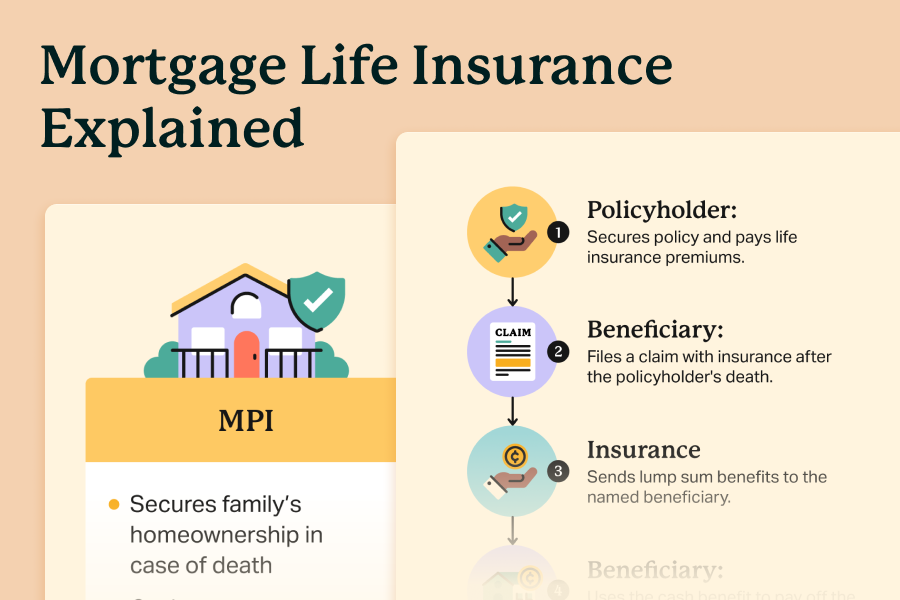
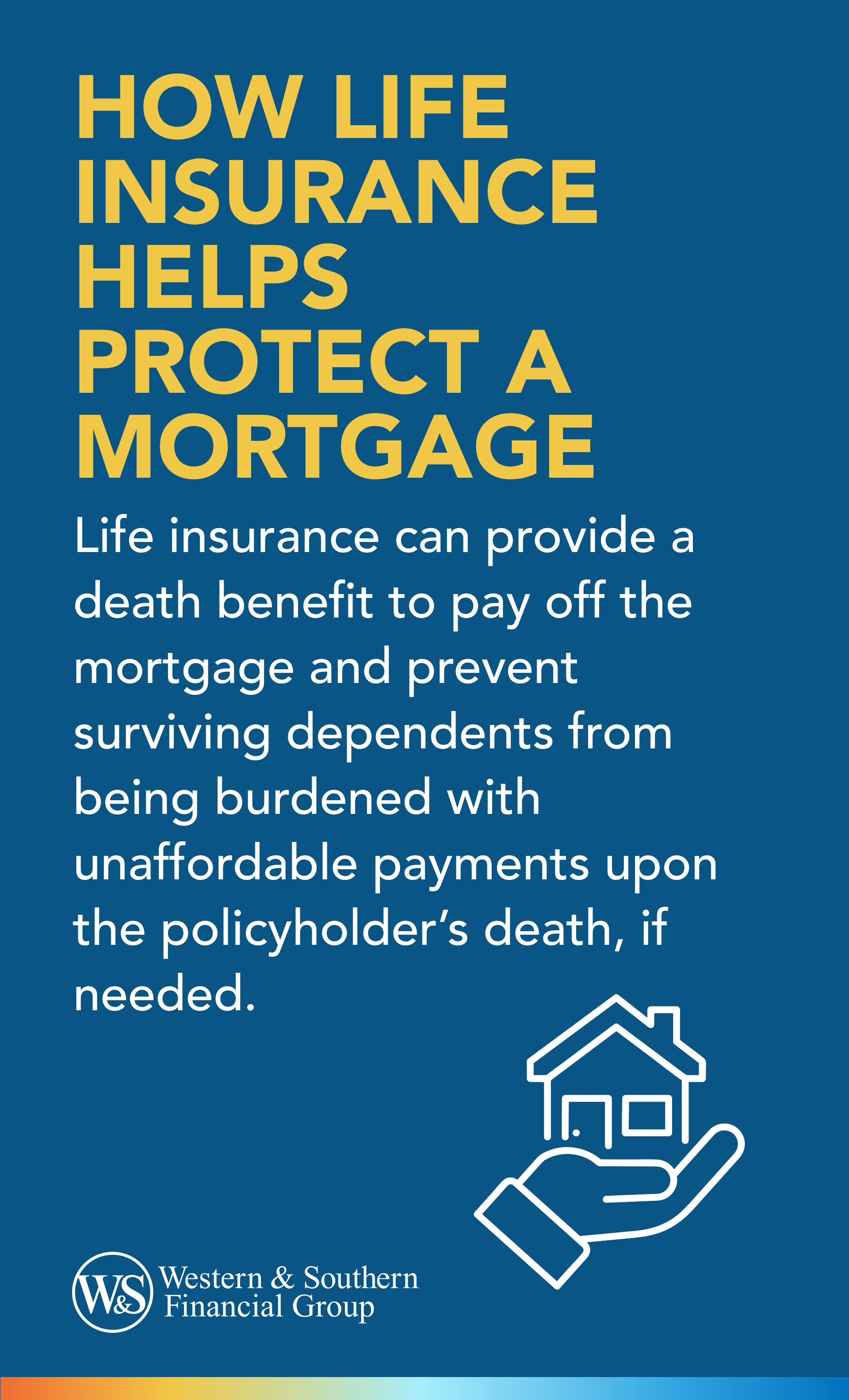
Your mortgage is probably the biggest debt you’ll ever have. If you die while still owing money, your family has to pay the lender—or risk losing the home. Life insurance acts as a safety net. It pays out a lump sum if you die, so your loved ones can pay off the mortgage, stay in the house, and avoid financial stress.

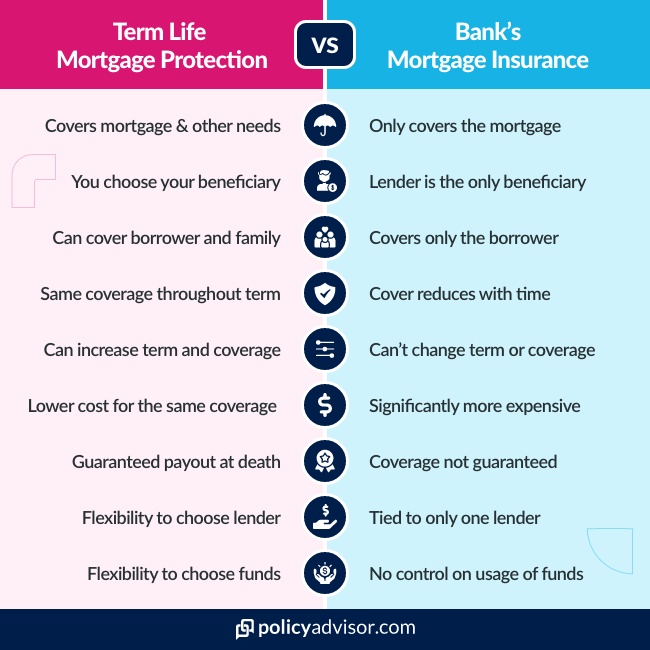
Sometimes, banks offer mortgage protection insurance. This type of insurance pays the lender directly if you die. But regular term life insurance is often better. It gives your family flexibility: They can pay off the mortgage, cover other bills, or use the money as needed. Plus, term life insurance usually costs less.
How To Calculate The Right Amount
Getting the right life insurance amount for your mortgage is important. Too little coverage leaves your family exposed. Too much coverage means higher premiums. Here’s how to figure out what you need.
Step 1: Find Your Mortgage Balance
Start with your current loan amount. For example, if you owe $250,000, that’s your base number. But mortgages go down over time as you make payments.
Step 2: Think About Your Family’s Needs
Your family may need more than just mortgage money. Consider:
- Other debts (car loans, credit cards)
- Living expenses (food, bills, childcare)
- Education costs (college for kids)
- Funeral expenses
Many experts recommend a policy amount that covers the mortgage plus 5–10 years of living expenses.
Step 3: Check Your Budget
Higher coverage means higher premiums. Make sure you can afford the monthly cost. It’s better to have some coverage than none at all.
Step 4: Adjust For Future Changes
Your mortgage balance will decrease, but living costs may increase. If you plan to refinance, move, or have another child, think ahead.
Example Calculation
Let’s say you owe $250,000 on your mortgage. You have two kids and want to cover five years of living expenses at $40,000 per year. You also have $20,000 in other debts.
- Mortgage: $250,000
- Living expenses: $200,000 (5 years x $40,000)
- Other debts: $20,000
- Funeral costs: $10,000
Total Suggested Coverage: $480,000
Comparing Types Of Life Insurance For Mortgage Protection
There are several ways to cover your mortgage with life insurance. Each has pros and cons. Here’s a quick comparison:
| Type | Benefit | Cost | Flexibility |
|---|---|---|---|
| Term Life Insurance | Family receives lump sum | Lowest | High |
| Whole Life Insurance | Lasts lifetime, has cash value | Highest | Medium |
| Mortgage Protection Insurance | Lender paid directly | Medium | Low |
Term life insurance is usually best for mortgage coverage. It’s affordable and covers the years when your mortgage is highest.
Common Mistakes When Choosing Coverage
Many people make mistakes when picking life insurance for their mortgage. Here are a few to watch out for:
- Only covering the mortgage: This ignores other debts and living costs.
- Not adjusting for inflation: Living expenses rise over time.
- Buying too little: Trying to save on premiums can leave your family short.
- Forgetting about joint mortgages: If you share a mortgage, both partners need coverage.
- Ignoring health changes: Your health affects your insurance rates. If you wait too long, costs may go up.
How Mortgage Size Affects Life Insurance Needs
The bigger your mortgage, the more coverage you need. But your loan size isn’t the only factor. Consider your home’s value, interest rate, and how much you’ve paid off.
Mortgage Amount Vs. Insurance Coverage
Here’s how different mortgage sizes impact insurance needs:
| Mortgage Size | Suggested Insurance | Why |
|---|---|---|
| $150,000 | $300,000 | Mortgage + living costs for family |
| $300,000 | $450,000 | Higher debt, more living expenses |
| $500,000 | $650,000 | Large home, higher future needs |
It’s smart to go beyond just the mortgage amount. If you only cover the loan, your family may struggle with other bills.
Factors That Influence Life Insurance Costs
Premiums depend on several things:
- Age: Younger people pay less.
- Health: Medical issues raise costs.
- Coverage amount: Higher coverage means higher premiums.
- Policy type: Term is cheaper than whole life.
- Smoking status: Smokers pay more.
According to NerdWallet, a healthy 35-year-old can expect to pay around $25–$35 per month for a $500,000, 20-year term life policy.
What Happens If You Don’t Have Enough Coverage?
If you die and your life insurance is too low, your family may:
- Need to sell the home
- Face heavy debt
- Struggle to pay bills
If coverage is too high, you pay more in premiums—money that could go elsewhere. The goal is balance.
Practical Tips For Picking The Right Life Insurance
- Start early: Rates are lower when you’re young.
- Review every few years: As your mortgage goes down, you may need less coverage.
- Choose a term that matches your mortgage: If you have a 30-year loan, pick a 30-year policy.
- Bundle with other needs: Add coverage for education or debts.
- Shop around: Prices vary by company.
Real-life Example: Family Case Study
Let’s look at a real example.
John and Maria bought a home with a $400,000 mortgage. They have two young children. Their yearly living expenses are $50,000. John wants his family to stay in the house and not worry about money if he dies.
John picks a $600,000 term life policy. This covers:
- $400,000 mortgage
- $100,000 for living expenses (2 years)
- $50,000 for college
- $50,000 for debts and funeral costs
He pays about $40 per month. If he dies, Maria can pay off the mortgage, cover bills, and keep their children secure.
Mortgage Life Insurance Vs. Traditional Life Insurance
Some people buy mortgage life insurance from their lender. But this often isn’t the best deal. It pays the bank, not your family, and coverage drops as your mortgage drops. Traditional term life insurance gives your family flexibility and usually costs less.
Key Differences:
| Feature | Mortgage Life Insurance | Term Life Insurance |
|---|---|---|
| Beneficiary | Lender | Your family |
| Coverage amount | Decreases over time | Stays the same |
| Cost | Medium | Low |
| Flexibility | Low | High |
Two Insights Most Beginners Miss
- Covering only the mortgage leaves your family exposed. Many first-time buyers think paying off the loan is enough. In reality, your loved ones need help with living costs, debts, and future expenses.
- Insurance rates can change quickly after health events. If you delay buying coverage and develop a medical condition, your premiums may go up sharply—or you might not qualify. It’s wise to lock in rates early.
Frequently Asked Questions
How Do I Know If My Life Insurance Is Enough To Cover My Mortgage?
Your policy should cover your remaining mortgage balance plus extra for living expenses, debts, and funeral costs. Review your needs every few years, especially if your family size or income changes.
Should I Buy Mortgage Protection Insurance Or Term Life Insurance?
Term life insurance is usually better. It’s cheaper, gives your family flexibility, and keeps the coverage amount steady. Mortgage protection insurance pays the lender and declines as your mortgage goes down.
Can I Change My Life Insurance Amount Later?
Yes, but it may mean applying for a new policy. If your health changes, premiums may rise. Some policies let you increase coverage, but check the details before buying.
What Happens If I Pay Off My Mortgage Early?
If you pay off your loan before your policy ends, your family can use the payout for other needs. You can also reduce coverage or cancel the policy if you no longer need it.
How Do Joint Mortgages Affect Life Insurance?
Both partners should have coverage. If one dies, the other can pay off the mortgage and keep the home. You can buy separate policies or a joint policy, depending on your needs.
Choosing the right life insurance for your mortgage brings peace of mind. It protects your family and your home. Take time to review your needs, compare options, and make sure your coverage matches your situation. With smart planning, you can secure your home and give your loved ones a safe future.